Generic
Human Hearing Range: Understanding the Frequency Limits of Hearing
By Dattatreya M | Aug. 24, 2026
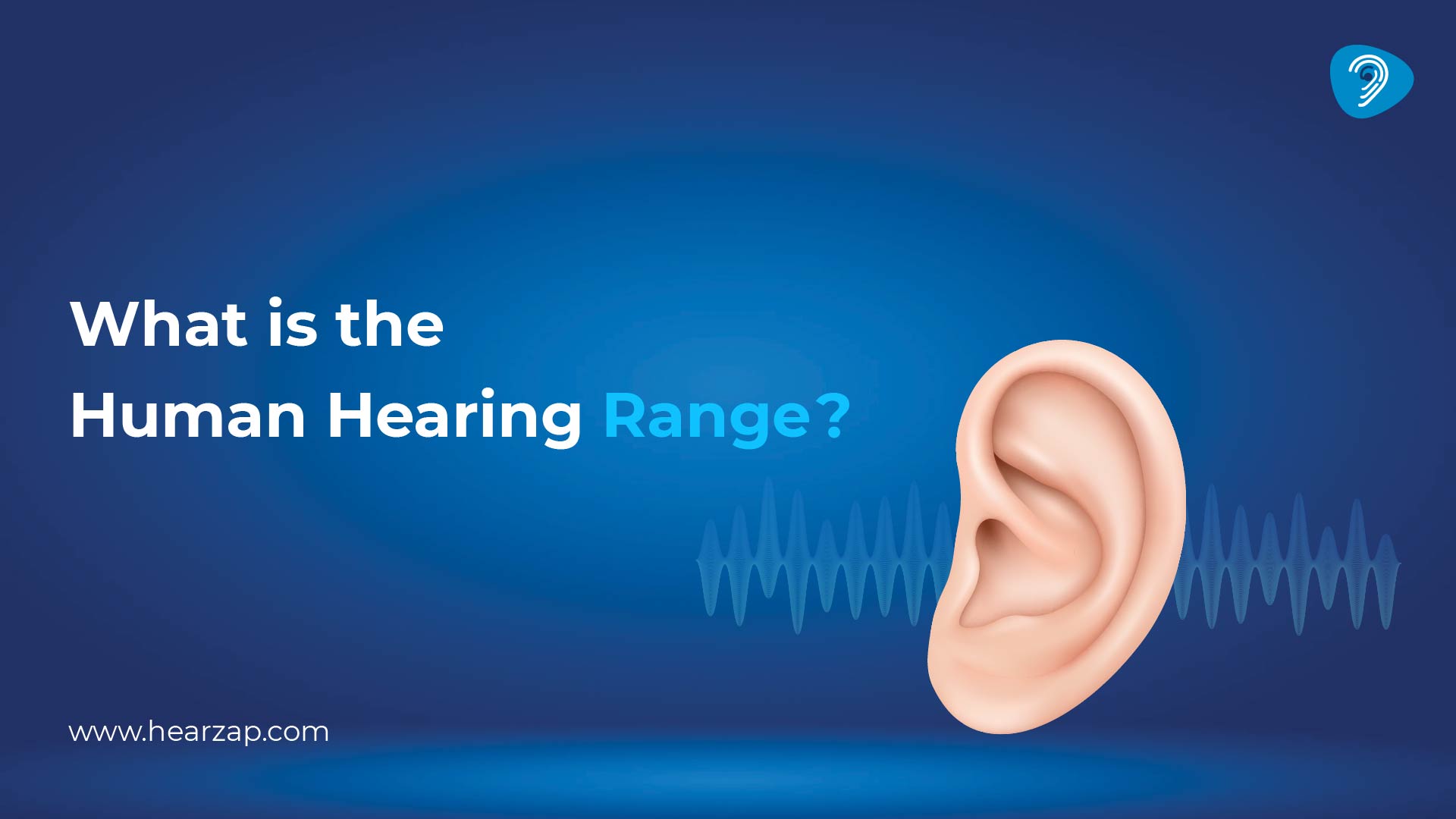
Human hearing covers a remarkable range of sounds, from the deep rumble of thunder to the sharp notes of a whistle. Most healthy young ears can detect frequencies between 20 Hz and 20,000 Hz, although this ability is not the same for everyone.
Age, repeated exposure to loud noise, ear conditions, and overall hearing health can gradually affect how clearly certain frequencies are heard and understood throughout normal life.
What Is the Human Hearing Range?
The human hearing range is generally described as about 20 Hz to 20,000 Hz in young people with healthy hearing. Frequency refers to how low or high a sound appears to the ear, while the audible range covers the frequencies a person can detect.
Since hearing ability varies between individuals, a hearing test can provide a clearer picture of how well different frequencies are being heard. Sound sensitivity may also change gradually with age and hearing health.
What Frequencies Can Humans Hear?
The audible frequency range for human hearing includes low, middle, and high sounds. Changes across this range may sometimes be associated with hearing loss, particularly when speech becomes less clear or familiar sounds seem noticeably softer.
Low Frequencies (20 Hz to 250 Hz) in the Human Hearing Range
Low frequencies give sound a sense of depth and fullness. Thunder, large engines, and bass notes are familiar examples. Changes in this part of the hearing range can affect how rich deeper sounds seem. In some cases, low-frequency hearing loss may make low-pitched voices or environmental sounds more difficult to notice clearly.
Mid Frequencies (250 Hz to 4,000 Hz): The Human Ear Frequency Range
Mid-range sounds play an important role in everyday communication. This part of the human ear frequency range carries much of the information in speech, helping voices and spoken words sound clearer and easier to understand.
High Frequencies (4,000 Hz To 20,000 Hz) And Human Audible Frequency
High frequencies add sharpness and fine detail to sounds such as birdsong, whistles, and parts of speech. Sensitivity at the upper end often changes with age or long-term sound exposure. High-frequency hearing loss can make softer consonant sounds more difficult to distinguish, even when a person can still hear that somebody is speaking.
Understanding the Audible Range of Sound and How We Hear
Hearing begins when sound waves enter the ear and cause the eardrum to vibrate. These vibrations travel through the middle ear to the cochlea. Persistent difficulty with everyday sounds is a reason to book an appointment with a qualified hearing professional for assessment.
- Sound waves enter the ear.
- The eardrum vibrates.
- Vibrations reach the cochlea.
- The brain interprets signals.
Factors That Affect the Audible Range of the Human Ear
Age, genetics, ear conditions, loud noise, and certain medicines can affect hearing. After assessment, a hearing aid may help improve everyday listening.
Noise Exposure and the Audible Frequency Range for Humans
Repeated exposure to loud sound can place stress on the delicate structures involved in hearing. Keeping listening volumes comfortable, moving away from very loud sources, and using suitable ear protection can help reduce unnecessary exposure.
How Age Affects the Human Normal Hearing Range
Hearing can gradually change with age, and higher frequencies are often affected earlier. Anyone planning to buy hearing aids online should first understand their hearing needs and consider professional guidance on suitable selection and fitting.
Why Knowing Your Hearing Range Matters
Understanding your hearing range can make subtle changes easier to recognise before they begin affecting everyday communication.
Early signs may include:
- Difficulty following conversations in noisy places.
- Trouble hearing soft or high-pitched sounds.
- Frequently asking others to repeat themselves.
How to Protect Your Hearing and Maintain an Audible Hearing Range
Useful habits include:
- Keep personal listening levels comfortable.
- Limit unnecessary time around loud sounds.
- Wear appropriate hearing protection when required.
- Seek professional advice for ringing, discomfort, blockage, or sudden hearing changes.
Hearing Range Test: When Should You Get Your Hearing Checked?
Hearing changes can be gradual, so a hearing range test is useful when everyday sounds or conversations become difficult to follow.
Consider getting your hearing checked if you notice:
- Speech sounds unclear, especially in noisy places.
- Ringing or buzzing continues in your ears.
- You frequently ask people to repeat themselves.
How Hearing Aids Help Improve Your Hearing Capacity
Hearing aids are designed to support clearer listening by adjusting sounds according to individual hearing needs. When properly fitted, they may make everyday communication easier.
- Improve speech clarity during conversations.
- Support listening in different environments.
- Reduce listening effort in daily situations.
- Provide personalised amplification based on hearing requirements.
Hearzap's Expert Hearing Care Services
Hearzap provides professional hearing assessments, personalised consultations, and expert guidance for different hearing needs. Experienced audiologists evaluate hearing ability and recommend suitable solutions based on individual requirements.
With access to advanced hearing aids and fitting support, Hearzap helps people manage hearing difficulties, improve speech clarity, and feel more comfortable during everyday conversations, work, and social activities with greater confidence.
Frequently Asked Questions
1. Is hearing 18,000 Hz good?
Yes, hearing 18,000 Hz indicates strong high-frequency hearing, especially in younger people with healthy ears.
2. What is the normal hearing range of a 70-year-old?
There is no single limit for every 70-year-old. Hearing varies, although higher-frequency sensitivity commonly declines with age. A test gives a clearer picture.
3. What is the lowest dB a human can hear?
Some healthy young listeners can detect frequencies around audiometric zero under standard conditions. Thresholds vary by frequency and person.
4. What is a bad hearing range?
A reduced frequency span alone does not define hearing loss. Audiologists consider thresholds, speech understanding, symptoms, and daily communication.
5. Can hearing range change with age?
Yes, hearing sensitivity can change gradually, with higher frequencies often affected earlier. Regular assessment can help track changes over time.
Also Read: Decibel Chart

Dattatreya M
Audiology Innovation Manager
Helping You Hear Life Again. At Hearzap, we believe hearing is the key to staying connected with family, friends, and the world around us. With over 48 years of trusted care & my 15 years in audiology, I’ve seen how improved hearing brings back confidence
Related Blogs
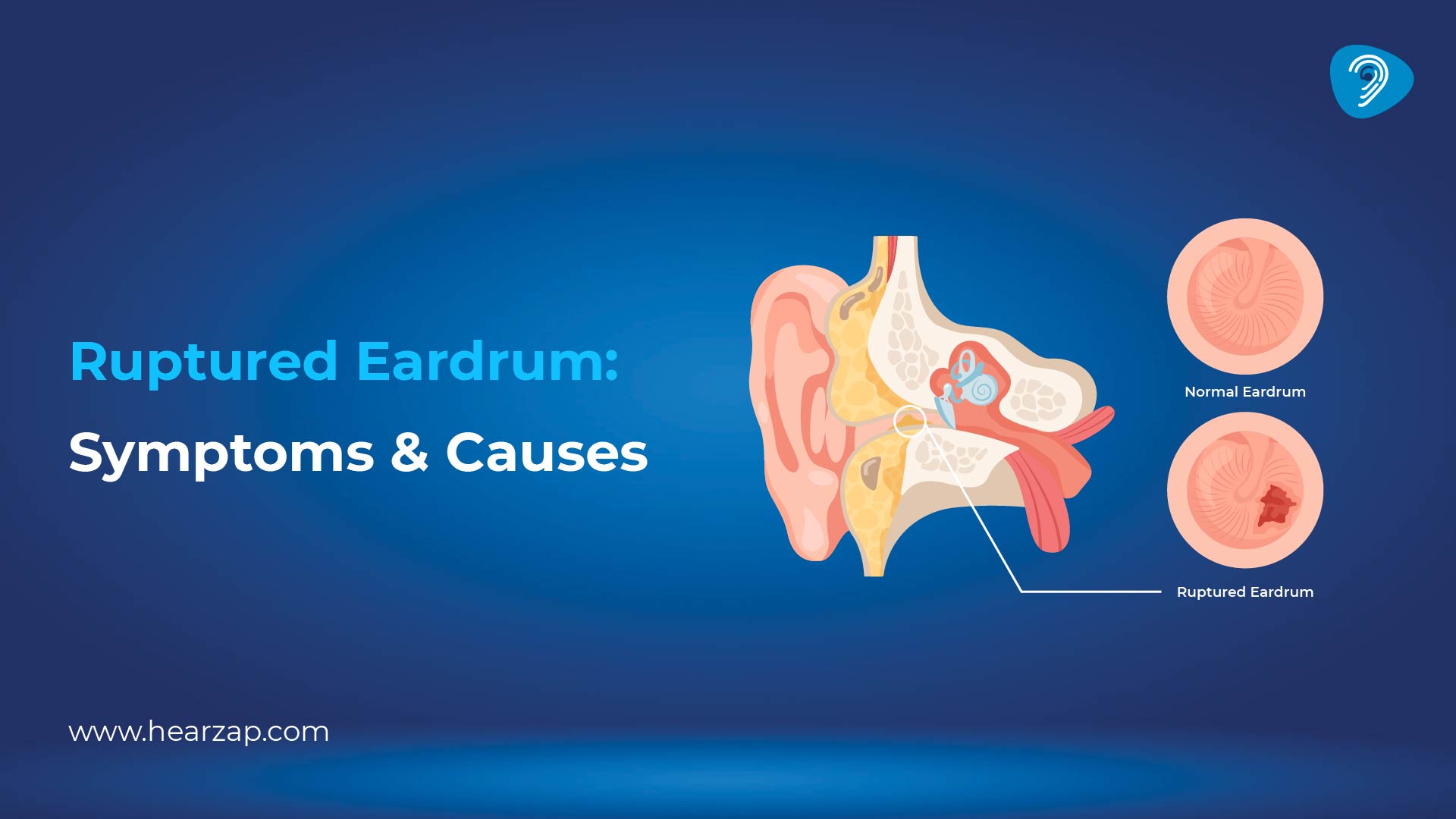
Ruptured Eardrum: Symptoms, Causes & Treatment
How Cold and Flu Affect Your Ears
Auditory Discrimination: Meaning, Signs, Problems & Tests
Can Hearing Aids Cause Vertigo?

How Much Do Hearing Aids Cost in 2025?
The Risks of Using Hearing Aids Without Consulting an Audiologist

Why Hearing Loss Creates A Distance in Relationships?
Traveling with Hearing Loss: Tips for a Smooth Journey
Contact us
We are here for all your hearing needs, from hearing tests to hearing aids. Fill out the form below, and we will give you a call soon.
Recent Blogs
By None | Aug. 25, 2026
By Team Hearzap | Aug. 21, 2026
By None | Aug. 19, 2026
By None | Aug. 14, 2026
By None | Aug. 12, 2026