HEARING LOSS
Understanding High-Frequency Hearing Loss and Its Impact on Daily Life
By Sharanya Krishnan - Audiologist | July 8, 2026
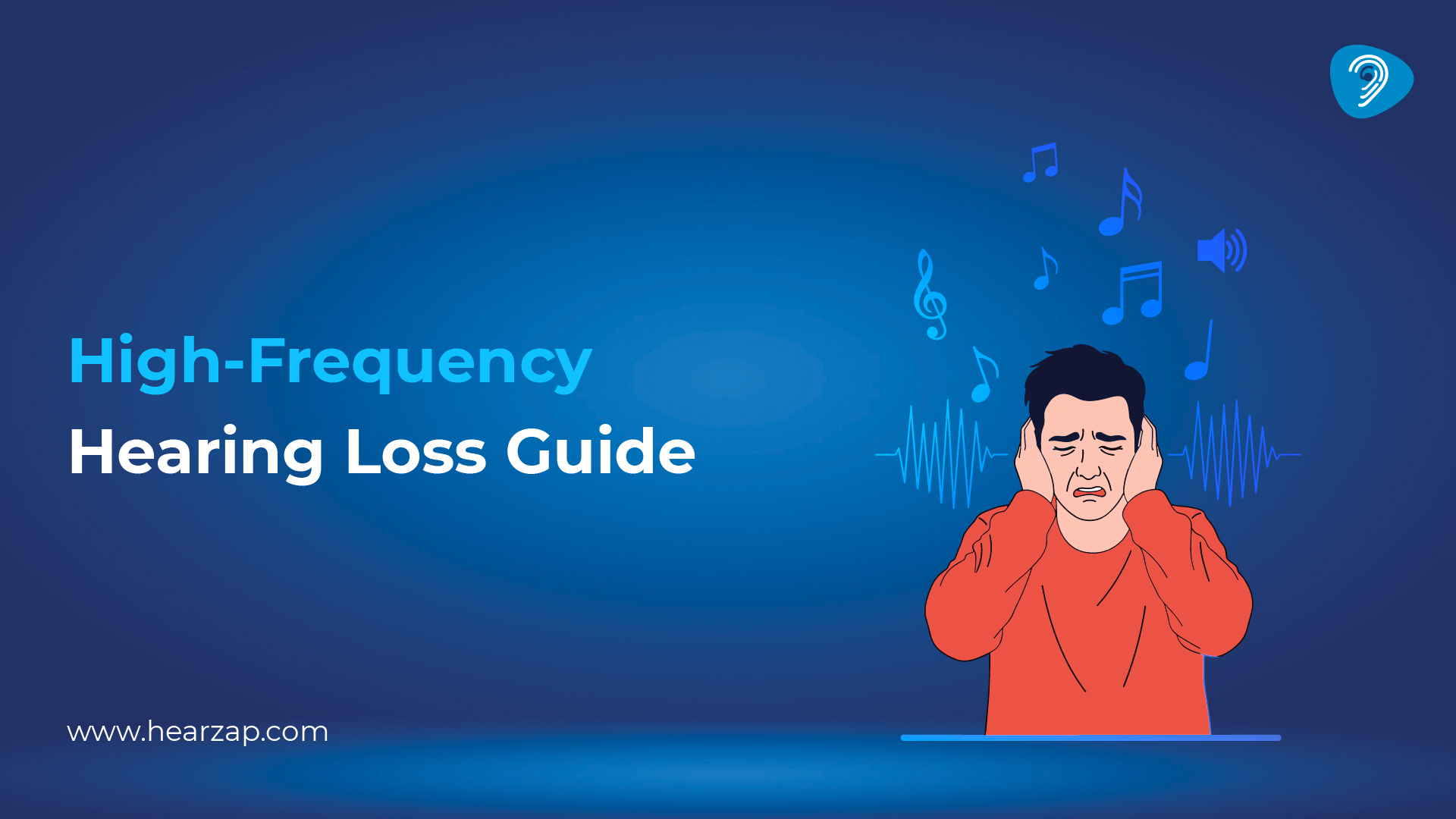
Some hearing problems are easy to notice. Some are not. High-frequency hearing loss often comes quietly. A person may hear people speaking, but the words do not sound clear. They may miss birds chirping, alarms, doorbells, phone rings, or a child calling from another room.
This type of hearing loss affects high-pitched sounds. It can make speech dull, especially in noisy places like family functions, offices, markets, traffic, or restaurants. Many people ignore it because they can still hear loud sounds. But early diagnosis matters. Hearzap helps people understand hearing changes through expert testing, audiologists, hearing aid fitting, and personal hearing care.
Many families notice the change during normal routines. Someone may miss a soft reminder, misunderstand a name, or avoid group talks. When this continues for weeks, a hearing check is safer than guessing or blaming age. Small signs often tell the real story.
What is High Frequency Hearing Loss?
High-frequency hearing loss means a person finds it difficult to hear sounds that are high-pitched. These sounds may include children’s voices, women’s voices, birds, whistles, alarms, and some speech sounds like “s,” “f,” and “th.”
It is one of the common patterns seen in hearing loss. A person may hear the volume of speech but miss the clarity. This is why they may say, “I can hear you, but I cannot understand what you said.” To know how this condition differs from other patterns, you can also read about types of hearing Loss.
How High-Frequency Hearing Loss Affects Daily Life
Hearing is part of almost every small routine. When clarity reduces, daily communication can become tiring.
Difficulty Understanding Conversations
The biggest problem is not always silence. It is unclear speech. A person may hear that someone is talking, but certain words may get lost.
At home, this can lead to repeated questions. In office meetings, it may become hard to follow quick discussions. During family gatherings, the person may sit quietly because too many voices mix together. Slowly, confidence may reduce.
Trouble Hearing in Noisy Environments
Noise makes high-frequency hearing loss more noticeable. In India, we are often surrounded by background sound, such as traffic, fans, pressure cookers, TV, or people speaking together.
In such places, speech clarity becomes poor. The person may miss key words and guess the rest. This can be stressful, especially at work, in hospitals, banks, shops, or public transport.
Missing Important Sounds
Some high sounds are important for safety and daily comfort. A person may miss a cooker whistle, phone ringtone, alarm, vehicle horn from a distance, or a child calling softly.
These missed sounds may look small at first. But when they happen often, they affect independence and peace of mind.
Common High-Frequency Hearing Loss Symptoms
The signs can be slow and easy to ignore. Families may notice them before the person does.
Speech Sounds Seem Muffled
One common sign is muffled speech. Words do not sound sharp. Conversations may feel incomplete.
The person may increase the TV volume but still complain that the dialogue is not clear. This is because loudness and clarity are not the same. High-frequency hearing loss symptoms often affect clarity first.
Difficulty Hearing Female and Children's Voices
Female and children’s voices are usually higher in pitch. So, they may become harder to hear.
A grandparent may not hear a grandchild clearly. A husband may miss what his wife says from another room. A teacher or office worker may struggle when soft, high voices are used.
Frequently Asking Others to Repeat Themselves
Asking “What?” or “Say again?” many times can be another sign. The person may also misunderstand words and answer incorrectly.
Family members may think the person is not listening properly. In truth, the ears may not be catching high speech sounds clearly.
What Causes High-Frequency Hearing Loss?
There are many high-frequency hearing loss causes. Some are linked to age. Some come from noise, family history, medicines, or health problems.
Age-Related Hearing Loss
As people grow older, hearing cells in the inner ear can weaken. High-pitched sounds are often affected first.
This is why many adults above 50 may start missing speech clarity, especially in crowds. It is common, but it should not be ignored.
Noise-Induced Hearing Damage
Loud sound can damage hearing over time. Factory noise, traffic noise, loud music through earphones, crackers, construction work, and frequent exposure to speakers can all affect hearing.
People who work in noisy places should be extra careful. You can read more about Noise-Induced hearing loss if you are often around loud sounds.
Genetic Factors
Some people have a family tendency for hearing loss. If parents or grandparents had hearing problems, the risk may be higher.
Family history does not always mean hearing loss will happen. Still, it is sensible to get checked if symptoms start early.
Certain Medications and Medical Conditions
Some medicines and health conditions may affect the inner ear or hearing nerve. Diabetes, infections, ear-related problems, and long-term health issues may also play a role in some cases.
High-frequency loss can also be linked with Sensorineural hearing loss, where the inner ear or hearing nerve is involved. If a ringing sound is also present, reading about treatments for Tinnitus may help you understand possible support.
How is High-Frequency Hearing Loss Diagnosed?
Guessing does not help much with hearing problems. A proper test shows which sounds are being missed.
Comprehensive Hearing Evaluation
An audiologist will ask about symptoms, daily listening issues, noise exposure, medical history, family history, and any ringing in the ear. These details help build the full picture.
The specialist may ask where you struggle most. Is it during phone calls? While watching TV? In meetings? In traffic? Such answers help plan the right care.
Audiometry and Hearing Tests
Audiometry checks how well a person hears different pitches and volumes. The result is shown on an audiogram.
This chart clearly shows whether high sounds are affected. A simple hearing test can help detect the issue early and guide the next step.
High Frequency Hearing Loss Treatment Options
High-frequency hearing loss treatment depends on the cause, severity, lifestyle, and listening needs of the person.
Hearing Aids
Hearing aids can help many people hear speech more clearly. The device must be selected and fitted correctly.
Modern hearing aids can be programmed for the person’s exact hearing pattern. They can improve speech clarity in many daily situations. Before choosing, a hearing specialist can guide you on features, comfort, and use. You can also buy hearing aids online after expert advice.
Hearing Rehabilitation
Hearing care is not only about the device. People may also need guidance on how to listen better in difficult situations.
Audiologists may suggest communication tips, listening practice, and ways to manage noisy places. Family support also helps. Speaking clearly, facing the person, and reducing background noise can make conversations easier.
Ongoing Hearing Monitoring
Hearing can change slowly. Regular follow-ups help track these changes.
Monitoring also helps adjust hearing aids when needed. This keeps the hearing support useful and comfortable over time.
Tips to Protect Your Hearing
Small habits can protect hearing. Keep the earphone volume low. Take breaks from loud sounds. Use ear protection in noisy workplaces. Avoid standing close to loudspeakers at events. Do not ignore ear infections or sudden hearing changes.
People above 50 should consider regular hearing checks. Those working around machines, traffic, music systems, or construction noise should be even more careful. Simple Hearing care tips can help you protect your hearing in daily life.
Hearzap's Hearing Care Solutions
Hearzap offers hearing assessments, expert audiologists, hearing aid fitting, and personalised hearing care for different needs. The process is made simple for Indian families, whether the concern is mild, recent, or long ignored.
If you are missing speech clarity, asking people to repeat, or struggling in noisy places, do not wait for the problem to grow. You can book an appointment with Hearzap and speak to a hearing care expert.
FAQs
What is high-frequency hearing loss?
High frequency hearing loss is difficulty hearing high-pitched sounds such as children’s voices, birds, alarms, whistles, and some speech sounds.
What are the symptoms of high-frequency hearing loss?
Common symptoms include muffled speech, trouble hearing women and children, difficulty in noisy places, and asking others to repeat.
What causes high-frequency hearing loss?
High-frequency hearing loss causes include ageing, loud noise exposure, genetic factors, some medicines, and certain medical conditions.
Can high-frequency hearing loss be treated?
Yes, high-frequency hearing loss treatment may include hearing aids, hearing rehabilitation, and regular monitoring, depending on the condition.
How is high-frequency hearing loss diagnosed?
It is diagnosed through a hearing evaluation and audiometry. The audiogram shows which frequencies are affected.
When should I seek professional help for hearing loss?
You should seek help if your speech sounds unclear, you miss high sounds, hear ringing, or often ask people to repeat.

Sharanya Krishnan - Audiologist
Senior Manager – Training, Customer Experience & Business Development
With over 20 years of experience in hearing and speech healthcare. Passionate about client-centred care, I believe in a culture of empathy, trust, personalized support & focus on ensuring that every individual enjoys a seamless and fulfilling hearing care
Related Blogs
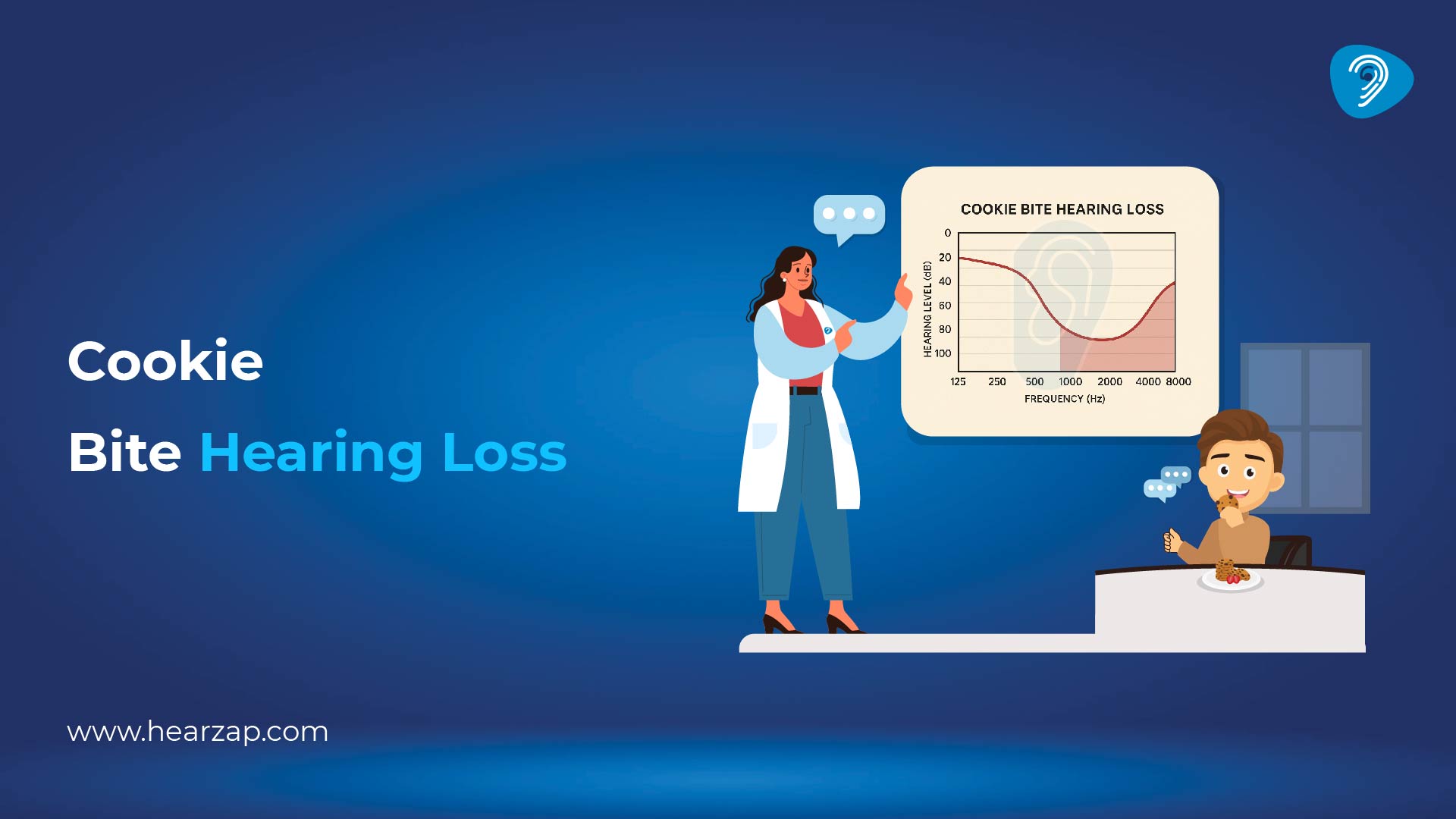
Cookie Bite Hearing Loss: Meaning, Causes, and Treatment Options
Sudden Hearing Loss: What You Need to Know
What Is Tinnitus? How does it affect your hearing health?
Contact us
We are here for all your hearing needs, from hearing tests to hearing aids. Fill out the form below, and we will give you a call soon.
Recent Blogs
By Team Hearzap | Aug. 21, 2026
By None | Aug. 19, 2026
By None | Aug. 14, 2026
By None | Aug. 12, 2026
By None | Aug. 11, 2026