Generic
Psoriasis in Ears: Why It Happens, What It Feels Like, and How to Find Relief
By Team Hearzap | Feb. 16, 2026
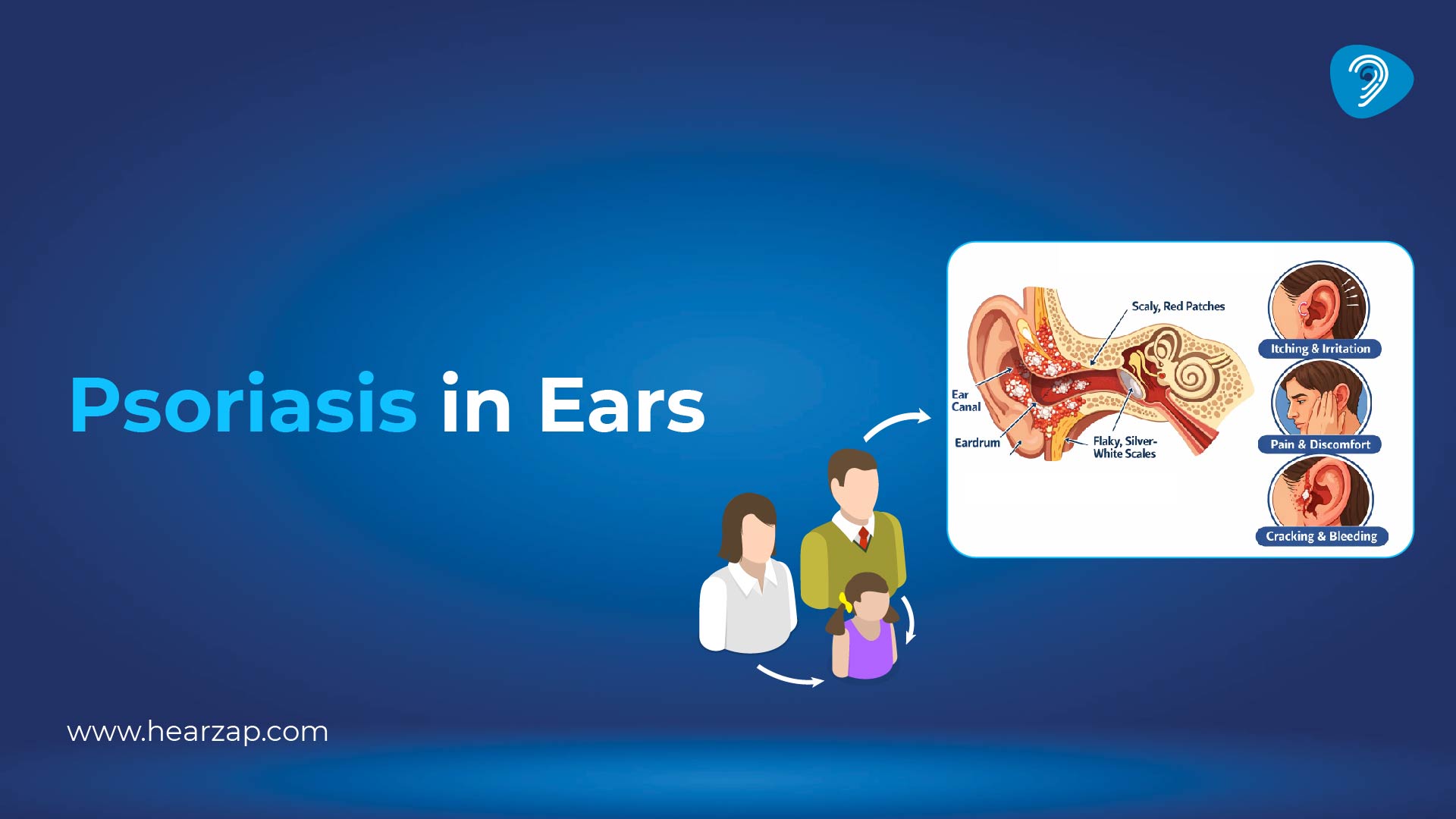
If your ears have been itching constantly, flaking, or feeling sore for no clear reason, it can be surprisingly distressing. The skin in and around your ears is delicate. Even a small patch of irritation can feel magnified. One possible reason is psoriasis in ears, a condition that often goes unnoticed or gets mistaken for something else.
Many people feel confused or even embarrassed about it. Is it dandruff? An infection? Poor hygiene? The truth is, psoriasis is none of those things. It is a medical condition, and it can be managed with the right care.
Let us walk through it calmly and clearly.
What Is Psoriasis in Ears?
Psoriasis is a long-term skin condition where the immune system speeds up skin cell production. Instead of shedding normally, skin cells build up and form thick, scaly patches.
When this process happens in or around the ear, it is called psoriasis in ears.
It can appear:
- On the outer ear
- Behind the ear
- On the earlobe
- Inside the ear canal
For some people, it is mild and occasional. For others, it can be persistent and uncomfortable.
What Does It Look Like?
Psoriasis in ears symptoms that mimic eczema or fungal infections.
Some may be like:
* Patches on the skin, which are inflamed, red in color
* Scales that are dry, silver, or white
* Flaking that might even be tolerated as dandruff
* Itching, burning, etc.
* Cracks, which are scratchy
Scales of this kind can sometimes get built within the ear passage. This could give a feeling of blockage or hearing difficulty for a little while. This is not essentially an inner ear damage. It's just that the sense of hearing has been blocked by flakes.
Seeing images online can help you recognize patterns, but a proper medical examination is the safest way to confirm the diagnosis.
Plaque Psoriasis in Ears
Plaque psoriasis in ears is the most common category that attacks the ear.
Plaque psoriasis does consist of clearly defined plaques that are often thick or slightly raised. Within the ear region, the plaques are usually not as vivid as they may be on the elbows or knees, as the skin there is lighter, though they might cause significant discomfort.
You might feel tempted to scratch or peel the scales. That reaction is completely understandable. However, picking at the skin can worsen inflammation and increase the risk of infection.
Gentle care matters more than force.
Can Psoriasis Affect the Inner Ear?
In fact, psoriasis can affect even the inner ear, although this is exceptionally rare because psoriasis mainly affects the surface of the skin.
Internal ear canal involvement usually causes:
- A feeling of fullness
- Mild hearing reduction because of blockage
- Irritation or sensitivity
Dizziness, severe pain, and clear signs of hearing loss usually indicate another disorder and call for immediate attention.
Why Does Psoriasis Appear in the Ears?
Psoriasis is an autoimmune condition. Your immune system mistakenly signals skin cells to multiply too quickly.
Common triggers include:
- Stress
- Cold or dry weather
- Skin injury
- Infections
- Hormonal changes
- Certain medications
If you already have psoriasis on your scalp, it can easily extend toward the ears. Frequent use of headphones, earbuds, or even constant touching can irritate the area and trigger flare-ups.
It is important to understand that psoriasis is not contagious and not caused by poor hygiene.
How Is Psoriasis in Ears Treated?
Management covers reduction of inflammation plus inhibition of excessive skin cell growth.
The ear-specific treatments could include:
- Topical corticosteroid
- These can reduce redness, swelling, and itching.
- Vitamin D creams
- These regulate the skin cell production.
- Medicated ear drops - These can dissolve or soften and remove scaling from your ear canal.
- Heavy moisturizers
Because the ear canal is sensitive, it is important not to use random over-the-counter creams inside the ear without medical advice. Some products can cause irritation or damage if used incorrectly.
Psoriasis in Ears Home Remedies
Many people ask about psoriasis in ears home remedies. Though psoriasis cannot be cured with home care, proper care to support medical treatments can help in relieving the discomfort.
Useful recommendations include:
- Applying some fragrance-free, moisturising lotion around and in the outer ear.
- Coconut oil should be carefully massaged around the ear on any visible scale to soften it.
- Avoiding soap with high alkali content.
- Stay calm with relaxation techniques for managing stress.
- Maintain proper hygiene around the ear without over-cleaning it.
Never ever try to clean flakes inside the ear using cotton swabs or sharp objects like bobby pins. This can worsen inflammation and cause infection.
Think of the ear as delicate fabric. It needs careful handling, not aggressive scrubbing.
When to Visit the Doctor
See a physician when:
- It just itches terribly.
- Pain begins to rule.
- You feel reduced in hearing.
- There is discharge.
- Symptoms appear over and over again.
The sooner you begin treatment, the easier it is to control and the lower the chances of complications.
Can Psoriasis in Ears Be Cured?
Psoriasis is a chronic condition in which there is no cure. Nevertheless, an effective regime may help manage it.
Many people experience long periods of minimal or absent symptoms. The key is good and continuous care and early identification of triggers.
Final Reassurance
Having psoriasis on your ears can be an uncomfortable, sometimes isolating experience, especially when scales are visible or when the itching is constant. This is an ailment you can manage, and you are not alone in it.
With the right treatment plan, gentle care, and timely medical guidance, most people achieve good symptom control. If your ears have been trying to tell you something through itching or flaking, listen early.
A small step toward care today can prevent bigger discomfort tomorrow.
FAQs
How do I get rid of psoriasis in my ears?
Psoriasis in the ears is managed with prescribed topical treatments, gentle moisturising, and avoiding triggers, rather than permanently cured.
What are triggers for psoriasis?
Common triggers include stress, skin injury, infections, cold weather, hormonal changes, and certain medications.
What foods trigger ear psoriasis?
While triggers vary by person, processed foods, excess sugar, alcohol, and high-fat diets may worsen inflammation in some individuals.
Can you leave psoriasis untreated?
Leaving psoriasis untreated can lead to worsening symptoms, skin thickening, discomfort, and a higher risk of infection.
Related Blogs
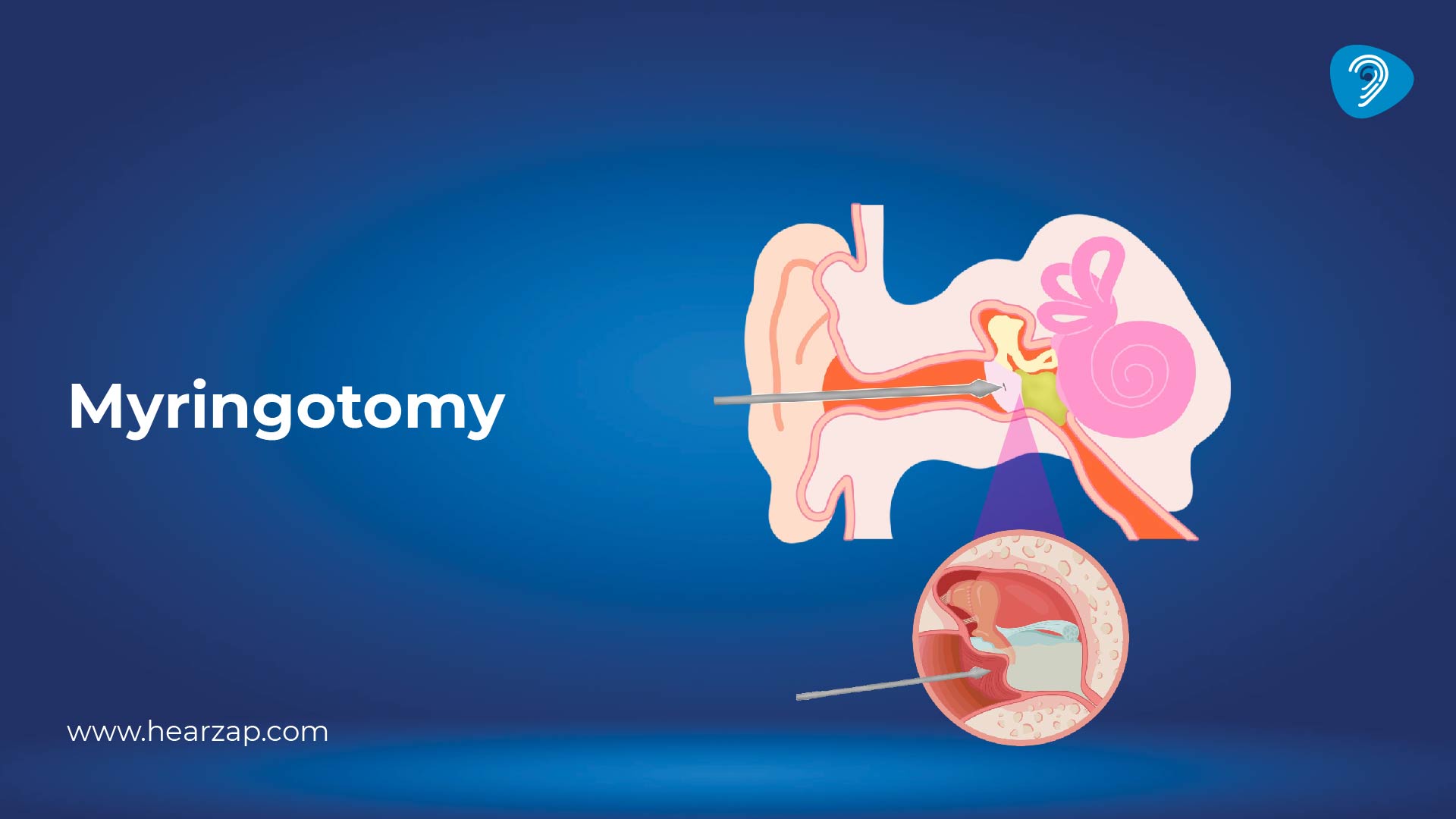
Myringotomy: What It Is, Why It’s Done & Recovery Time
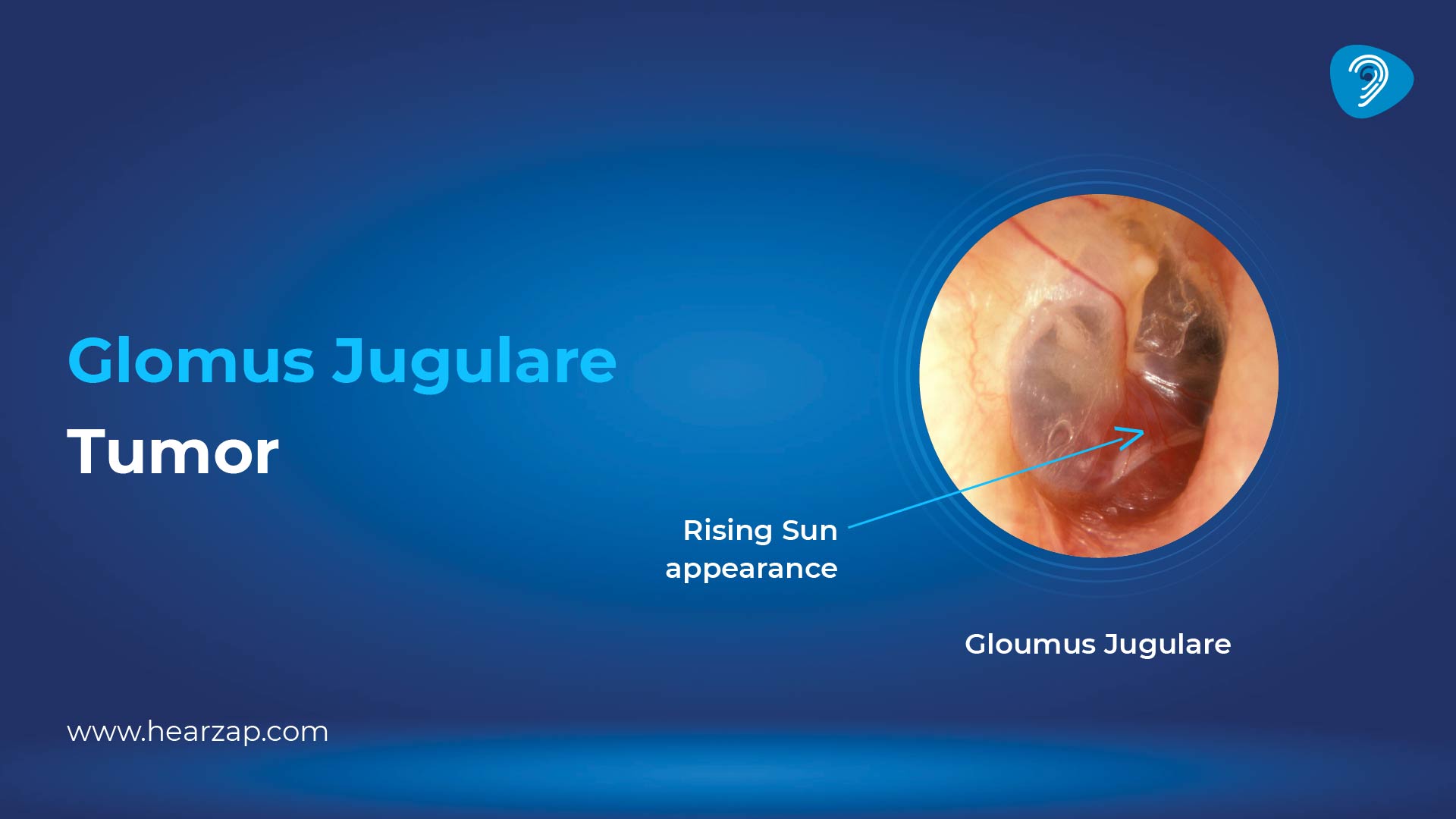
Glomus Jugulare Tumour: Symptoms, Diagnosis & Treatment Options
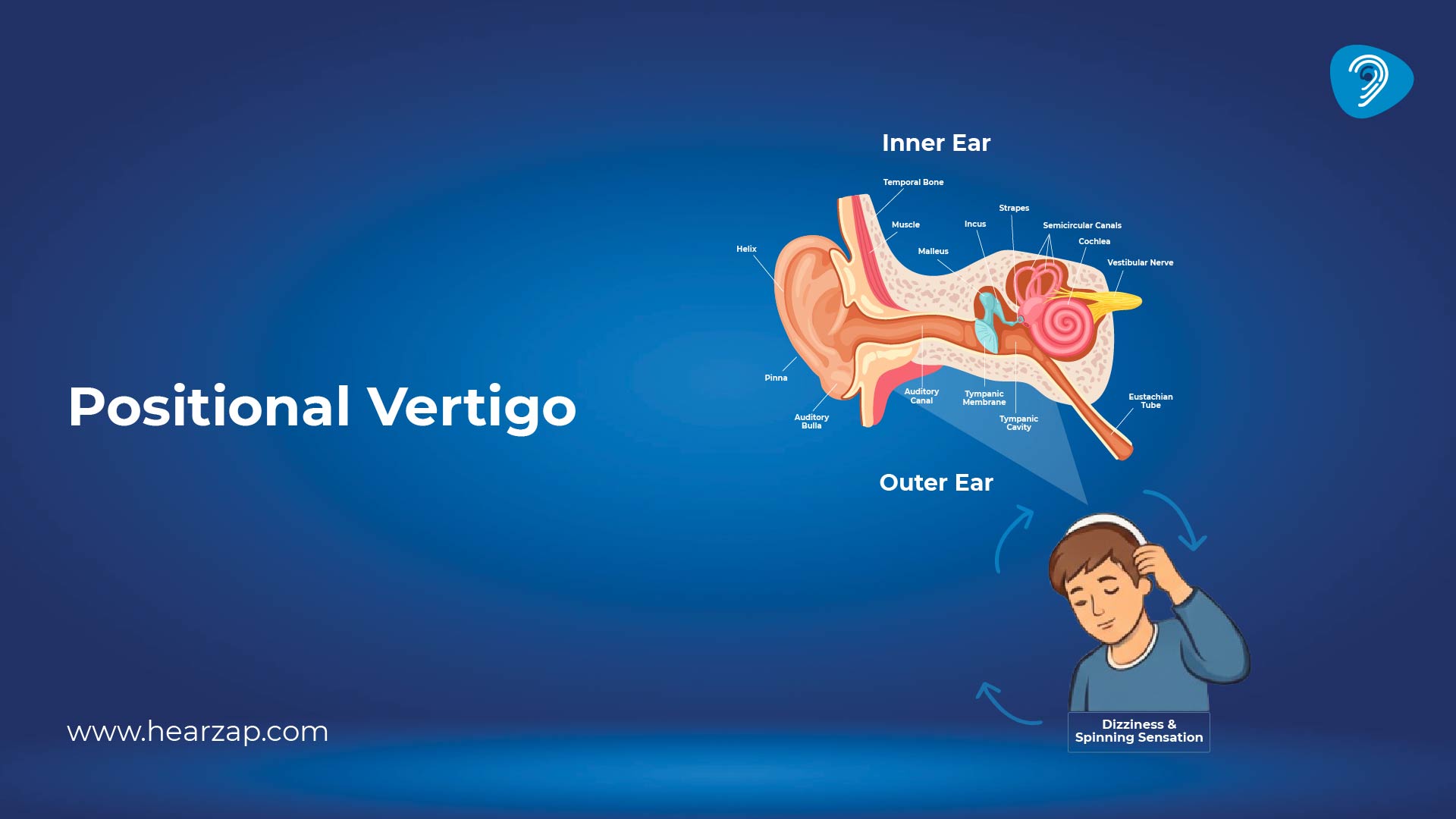
Positional Vertigo: Why Dizziness Happens When You Change Positions
Symptoms of Ear Damage from Loud Noise: Signs, Causes & Prevention
Perichondritis: Symptoms, Causes & Care
Contact us
We are here for all your hearing needs, from hearing tests to hearing aids. Fill out the form below, and we will give you a call soon.
Recent Blogs
By None | April 2, 2026
By None | April 1, 2026
By Team Hearzap | March 31, 2026
By None | March 30, 2026
By Team Hearzap | March 28, 2026