HEARING TEST
Auditory Acuity Test: What the Results Say About Your Hearing Health
By Team Hearzap | Feb. 2, 2026
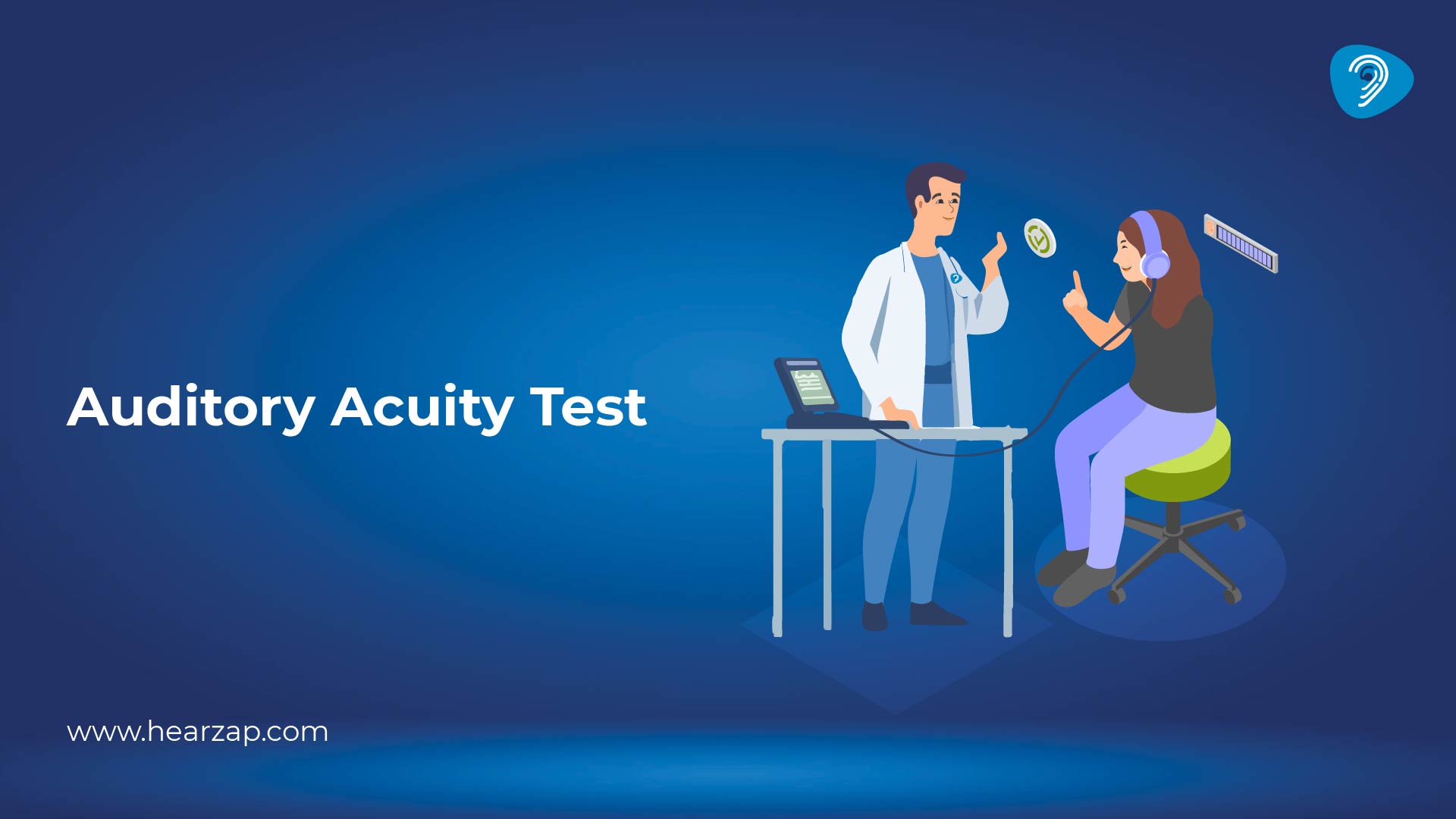
If you have started asking people to repeat themselves, missed a doorbell, or felt drained after a family dinner because you could not follow the chatter, you are not alone. Hearing changes can be subtle at first, and many people in India brush them off as “just wax” or “just tiredness”. A well-done auditory acuity test turns that guesswork into clear numbers, so you know what is happening and what to do next.
In this blog, you will learn what the test measures, how it is carried out, how to read the report, and why those findings matter for everyday life – calls, meetings, travel, and even small moments like hearing a kettle boil. If you are worried about a recent change, it is worth planning ahead and book appointment with a qualified hearing professional for a complete evaluation.
What Is an Auditory Acuity Test?
An assessment like this measures how softly you can hear sounds and how clearly you understand speech. It looks at different pitches (low to high) because real-world hearing is not one single volume knob. For example, you might hear someone speaking but miss consonants like “s”, “f”, or “t”, which makes words blur together.
Most sessions include two core parts:
- Pure tone hearing thresholds: the softest tones you can detect at specific pitches
- Speech understanding: how well you recognise words at comfortable loudness levels
In everyday terms, the assessment answers: “What sounds are you missing, and how much does that affect understanding?”
It also gives you a baseline. Even if today’s numbers look fine, you can compare them later. That is helpful if you work in open offices, travel often, or use earphones on long commutes daily.
How Is a Hearing Acuity Test Performed?
The assessment is non-invasive and easy to follow. Many people describe it as simple, and then immediately realise why their daily listening has felt harder than it should.
A typical visit includes:
- A short discussion about symptoms (muffled hearing, ringing, dizziness, ear pain, or a blocked feeling)
- A look inside the ear to check for wax or visible blockage
- Headphones or small insert earphones to present tones and speech
- Clear instructions on how to respond (raising a hand, pressing a button, or repeating words)
If you are starting with a quick screen, a hearing test at home can help you decide whether you should get a full assessment. Still, for accurate thresholds and a dependable baseline, a properly conducted evaluation remains the gold standard.
Common Types of Hearing Tests
Most reports combine more than one check, because each one answers a different question.
- Pure tone audiometry: finds your hearing thresholds across pitches, one ear at a time.
- Speech testing: checks word recognition and how clarity changes as loudness increases.
- Tympanometry: measures how the eardrum moves with gentle pressure changes; useful for middle-ear fluid, infection, or Eustachian tube problems.
Together, these findings create a fuller picture than any single method on its own.
Understanding Auditory Acuity Test Results
Your report may include an audiogram (a graph), speech scores, and middle-ear readings. At first glance, it can look technical, but it becomes manageable once you know what to focus on, and once you connect the numbers to real situations, like hearing a colleague in a busy office or catching announcements at a railway station.
The audiogram plots:
- Pitch (frequency) from low to high
- Loudness (decibels, dB) from soft to loud
Lower dB numbers mean you can hear softer sounds. If your thresholds sit higher on the chart, it means you need more loudness to detect the same sound. A professional hearing test matters here because the person reading the report can explain what the shape of the graph means for your everyday communication.
Normal vs Abnormal Hearing Levels
Many audiologists group hearing thresholds into ranges. A commonly used guide is:
- Normal: 0-25 dB
- Mild: 26-40 dB
- Moderate: 41-55 dB
- Moderately severe: 56-70 dB
- Severe: 71-90 dB
- Profound: 91 dB and above
Also, look at the “shape” of the audiogram. A drop at high pitches often explains why speech sounds loud enough but not clear enough, especially in group conversations.
What Hearing Acuity Test Results Indicate
Your hearing acuity test results help identify both the degree and the likely type of change, so the next step is based on evidence rather than guesswork.
Most findings fall into one of these patterns:
- Conductive: sound is not travelling well through the outer or middle ear (wax, fluid, or eardrum problems). This can often improve with treatment.
- Sensorineural: inner ear or nerve-related change, commonly linked to ageing or long-term noise exposure. This is usually permanent, but manageable.
- Mixed: a blend of conductive and sensorineural elements.
Speech scores add an important layer. If your audiogram looks only mildly affected but word understanding is lower than expected, the plan may focus on clarity support, not just loudness. This is also why two people with similar graphs can have very different day-to-day struggles.
Causes of Changes in Hearing Acuity
Hearing can change slowly over years or suddenly over days. In India, everyday sound exposure – traffic, construction, weddings, festivals, gyms, and earphones – can quietly add up.
Common causes include:
- Age-related change, often starting with high pitches
- Repeated loud noise exposure at work, during travel, or at celebrations
- Ear infections or fluid after a cold, sinus trouble, or allergies
- Wax build-up that blocks sound
- Certain medicines that can affect hearing when used in high doses or over long periods
- Long-term health conditions such as diabetes or high blood pressure
If you have noticed signs of hearing loss, do not wait for it to settle on its own. Early testing can identify treatable causes and help you protect what you have.
What to Do After Your Auditory Acuity Test
Once you have your report in hand, aim for clear next steps. A good plan is not rushed; it is built around what you need in real life.
Start with these questions:
- Which situations feel hardest – phone calls, meetings, TV, or family gatherings?
- Is the change likely temporary (wax, infection, fluid) or longer term?
- Do you need follow-up testing, or a repeat check in a few months to confirm stability?
If the findings point to a middle-ear issue, you may be advised to treat the cause first and then retest. If they point to inner-ear change, the focus shifts to communication support and protection.
Treatment and Management Options
Support depends on the cause and how much the change affects your routine. Options may include:
- Wax removal or medical care for infection or fluid
- Hearing devices programmed to your measured thresholds to improve speech clarity
- Listening habits, such as facing the speaker and reducing background noise
- Hearing protection for loud commutes, work sites, and celebrations
If devices are recommended, compare features that match your lifestyle: background-noise handling, rechargeable batteries, and Bluetooth calling. Many people choose to buy hearing aids online for convenience, but it is still important to match the settings to your measured thresholds for safe, comfortable listening.
When to Consult a Specialist
Get professional help quickly if you notice any of the following:
- Sudden drop in hearing in one ear or both ears
- Persistent ringing, pressure, or pain
- Ear discharge
- Dizziness or balance issues
- A child not responding consistently to sound
- Speech becoming unclear even in quiet rooms
If your change was sudden, treat it as urgent. Fast action can make a real difference.
Benefits of Regular Hearing Acuity Testing
Regular checks are not only for older adults. If you commute daily, use earphones often, work in noisy environments, or have a family history of hearing problems, testing helps you spot small shifts early.
Benefits include:
- Earlier detection, before communication becomes frustrating
- A reliable baseline to compare future results
- Better decisions about protection and support
- Less listening fatigue at work and at home
Over time, repeat testing helps you see trends, not just snapshots. That is how you protect your hearing health while staying fully present in conversations, work, and everyday life.
FAQs
What is an auditory acuity test?
It measures hearing thresholds across pitches and checks how well you understand speech, helping you identify where sound detection or clarity is slipping.
How long does an auditory acuity test take?
Most tests take 20 to 45 minutes. If extra checks are needed, such as middle-ear measurements or repeat speech testing, it may take a bit longer.
Are auditory acuity tests painful?
No. The test is non-invasive. You may feel mild pressure during tympanometry, but it should not be painful.
How should I prepare for the test?
Avoid loud noise for about 24 hours if possible, note your symptoms and when they began, and share any medicines you take. If you have a cold or ear discomfort, mention it before testing starts.
What do auditory acuity test results show?
They show your softest hearing levels at different pitches, your speech understanding, and clues about whether the change is more likely in the middle ear or inner ear.
When should I get a hearing acuity test done?
If you struggle to follow conversations, frequently increase volume, notice ringing, have repeated infections, or work around loud sounds, do not ignore it. Those findings help you decide the right next step.
Related Blogs

Weber Test: Understanding What This Simple Hearing Check Reveals
Contact us
We are here for all your hearing needs, from hearing tests to hearing aids. Fill out the form below, and we will give you a call soon.
Recent Blogs
By None | March 18, 2026
By None | March 16, 2026
By None | March 13, 2026
By None | March 12, 2026
By None | March 11, 2026