Generic
Bilateral Hearing Loss: Causes, Symptoms, and Treatment
By Team Hearzap | Dec. 23, 2025
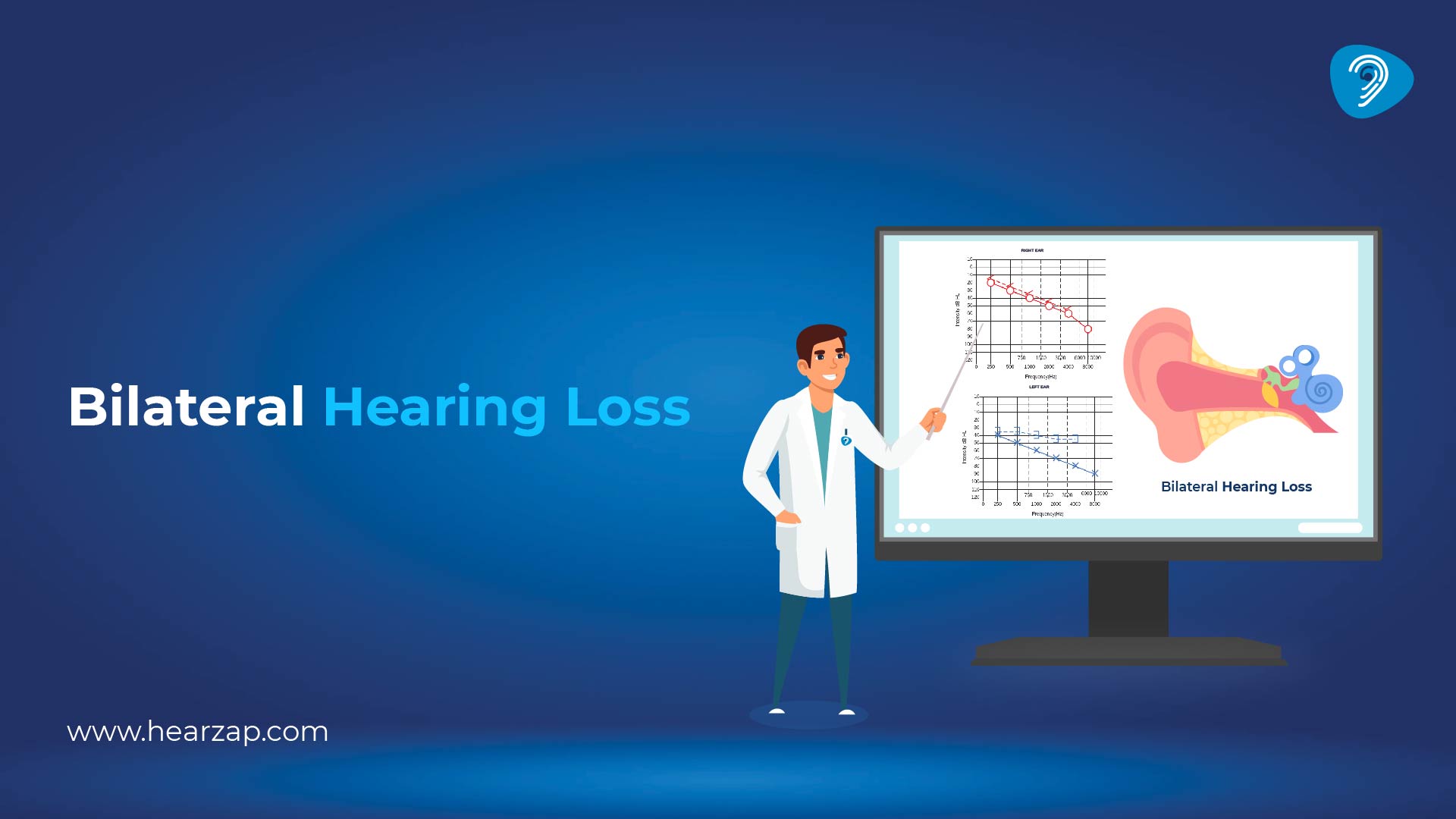
Losing sound from both ears can creep up quietly or arrive suddenly after an illness or injury. Bilateral hearing loss simply means reduced hearing in the right ear and the left ear at the same time. It changes how you follow conversations, notice traffic, respond to children, and enjoy music. In India, hearing loss is sometimes ignored until it interferes with exams or work, yet early help makes daily life easier.
The brain needs clear, balanced sound to locate voices and process speech; when both ears are affected, those tasks become harder. Early checks with an ENT specialist or audiologist allow you to understand the cause and act before everyday listening becomes exhausting.
What Is Bilateral Hearing Loss?
Bilateral loss refers to hearing reduction in both ears. It may be mild, moderate, severe, or profound. For some people, it develops over years with age; for others, it appears within days after a viral illness, ear injury, or a loud event such as a concert or festive firecrackers. The challenge is not only volume. Many people notice loss of clarity, trouble separating speech from background sound, and difficulty knowing where a sound is coming from.
This condition is different from Unilateral Hearing Loss, where only one ear is affected and sound localisation becomes unreliable. People often ask, What causes bilateral hearing loss; the sections that follow explain the common reasons and what you can do about them.
Types of Bilateral Hearing Loss
Bilateral Sensorineural Hearing Loss
This is the most common pattern. It occurs when tiny hair cells in the inner ear, or the auditory nerve, are damaged. Typical causes include ageing (presbycusis), long-term noise from traffic, factories, festivals, or headphones, genetics, autoimmune disease, diabetes, thyroid disorders, and infections such as meningitis or mumps. Certain medicines can also strain the inner ear.
People with this type often say they can hear voices but cannot make out the words, especially in busy places. Treatment focuses on improving access to sound. Digital hearing aids provide amplification that is shaped to your test results and your listening goals. For severe loss, cochlear implants can stimulate the hearing nerve directly. Rehabilitation with listening practice and family communication strategies strengthens results.
Bilateral Conductive Hearing Loss
Here, sound does not travel efficiently through the outer or middle ear. This pattern, often called bilateral conductive hearing loss, has common reasons such as wax blockage, fluid behind the eardrum after colds, eardrum perforation, repeated middle ear infections, ossicle problems like otosclerosis, or Eustachian tube issues that prevent pressure equalisation. Many of these problems are treatable. Wax removal is straightforward.
Medicines treat infection and allergy. Minor procedures can drain fluid, and surgery may repair a torn eardrum or stiff bones. Children and adults who are prone to colds may also have recurring middle ear fluid; recognising the types of ear infections involved helps your doctor choose the right plan.
What Causes Bilateral Hearing Loss?
Below are frequent bilateral hearing loss causes, summarised in a single line each to help you spot patterns quickly:
- Age-related hearing loss (presbycusis): Gradual wear of inner ear hair cells affecting high-pitched sounds first.
- Prolonged exposure to loud sounds: Sustained levels from machinery, horns, DJs, or fireworks damage inner ear cells.
- Ear infections: Middle ear fluid or chronic disease reduces sound transmission in both ears.
- Genetic disorders: Inherited conditions alter inner ear structure or function across both sides.
- Head or ear injuries: Trauma can harm the eardrum, the ossicles, or the inner ear in one event.
- Ototoxic drugs (certain antibiotics or chemotherapy): Medicines that stress inner ear cells and the hearing nerve.
- Autoimmune or neurological conditions: The body’s defences or nerve pathways affect hearing on both sides.
Symptoms of Bilateral Hearing Loss
You might notice these bilateral hearing loss symptoms:
- Difficulty hearing both sides equally
- Needing higher volume on TV or phone
- Trouble understanding speech in noisy places
- Ringing in both ears (tinnitus)
- Feeling isolated or missing conversations
How Bilateral Hearing Loss Is Diagnosed
Clinics use a set of focused evaluations. The aim is to confirm the degree, the type, and the likely site of the problem. The most common bilateral hearing loss test is Pure Tone Audiometry, which shows the exact volume levels you can hear across pitches. Additional assessments complete the picture:
- Pure tone audiometry: Measures the softest sounds heard by air and bone conduction, and separates sensorineural from conductive patterns.
- Tympanometry: Checks eardrum movement and middle ear pressure, useful for fluid or Eustachian tube issues.
- Speech recognition tests: Assess how clearly you hear words at different loudness levels.
- Otoacoustic emissions (OAE): Tiny responses from the cochlea that reveal hair cell health, helpful in children and adults.
- ENT consultation and case history: Examines the ear canal and the eardrum, and reviews noise exposure, medicines, and past illnesses.
Together, these tests provide a clear map of your hearing. For many families, simply seeing the audiogram and understanding why one setting helps and another does not is a turning point. It allows a practical plan for school, work, and social life without constant guesswork.
Bilateral Hearing Loss Treatment Options
No two people hear the same way, so bilateral hearing loss treatment is personalised. Broad choices include:
- Hearing aids: Digital devices amplify speech while reducing background noise. A professional fitting ensures comfortable sound and realistic expectations. If you intend to buy hearing aid devices, choose verified centres that offer trial periods, real ear measurements, and strong after-sales support.
- Cochlear implants: For severe or profound loss when hearing aids do not provide enough clarity; the implant bypasses damaged hair cells and stimulates the hearing nerve directly.
- Medical treatment: Antibiotics and anti-inflammatory medicines for middle ear infections; procedures such as wax removal, grommet insertion for fluid, or surgery for perforation and ossicle repair in conductive cases.
- Lifestyle and rehabilitation: Protect your ears at work, during festivals, and at gyms with loud music; face the speaker, use good lighting to see lip patterns, and explore assistive systems for classrooms and phones. Regular follow-up allows fine-tuning of devices and counselling for realistic communication goals.
Small steps add up. Choosing quieter seating in a restaurant, asking people to speak at a normal pace rather than shout, and using captions during a new film can take pressure off the brain while you adjust to amplification. Consider an annual check if your job involves constant traffic noise or factory floors, and sooner if a family member mentions you are missing words.
When to See a Doctor
Seek prompt medical care if you notice any of the following:
- Sudden hearing loss in one or both ears
- Ear pain or discharge, or a feeling of blockage
- Dizziness or balance issues, especially after an infection or head injury
- Persistent ringing, fullness, or pressure in the ears
- A recent blow to the ear or loud sound exposure, followed by reduced hearing
Do not wait for symptoms to settle on their own if they are severe or new. Quick treatment for ear infections and injuries protects the delicate structures that carry sound, and timely adjustments to hearing devices prevent social withdrawal and fatigue.
Conclusion
Bilateral hearing difficulties can affect studies, work, and safety, yet most people improve with the right plan. Early testing, a clear explanation of the type of loss, and consistent follow-up are the pillars of good outcomes. In India, access is widening through ENT clinics, teaching hospitals, and outreach camps, so do not delay if you are concerned. Start with a hearing check, discuss realistic goals, and involve family because communication is a team effort. Whether your pathway is medical care for an ear condition or long-term use of hearing devices, steady follow-up keeps you progressing.Hearzap makes the journey easier by offering guided hearing assessments, device options, and expert support in one place. Book your hearing test today and take the first step toward clearer hearing.
FAQs
What causes bilateral hearing loss?
Ageing, long-term noise, infections, inherited factors, injury, certain medicines, and autoimmune or neurological disease can affect both ears. A clinical history and tests help identify the exact cause.
Is bilateral hearing loss permanent?
It depends on the type. Conductive problems from wax or fluid are often treatable. Sensorineural loss from ageing or noise is usually permanent, but hearing devices and rehabilitation restore communication.
How is bilateral hearing loss treated?
Treatment is matched to the cause and degree. Options include medicines and procedures for middle ear disease, hearing aids for most, and cochlear implants for severe loss. Counselling and listening training add important benefits.
What are the symptoms of bilateral hearing loss?
Common signs are difficulty following conversations on both sides, turning the TV up, struggling in noise, ringing in both ears, and missing parts of speech.
Can hearing aids help with bilateral hearing loss?
Yes. Well-fitted hearing aids improve clarity and comfort in many daily settings. Using two devices supports better sound localisation and clearer speech in background noise.

Contact us
We are here for all your hearing needs, from hearing tests to hearing aids. Fill out the form below, and we will give you a call soon.
Recent Blogs
By None | March 23, 2026
By None | March 18, 2026
By None | March 16, 2026
By None | March 13, 2026
By None | March 12, 2026