Generic
Cauliflower Ear Explained: Why It Happens and How to Prevent It
By Team Hearzap | Feb. 4, 2026
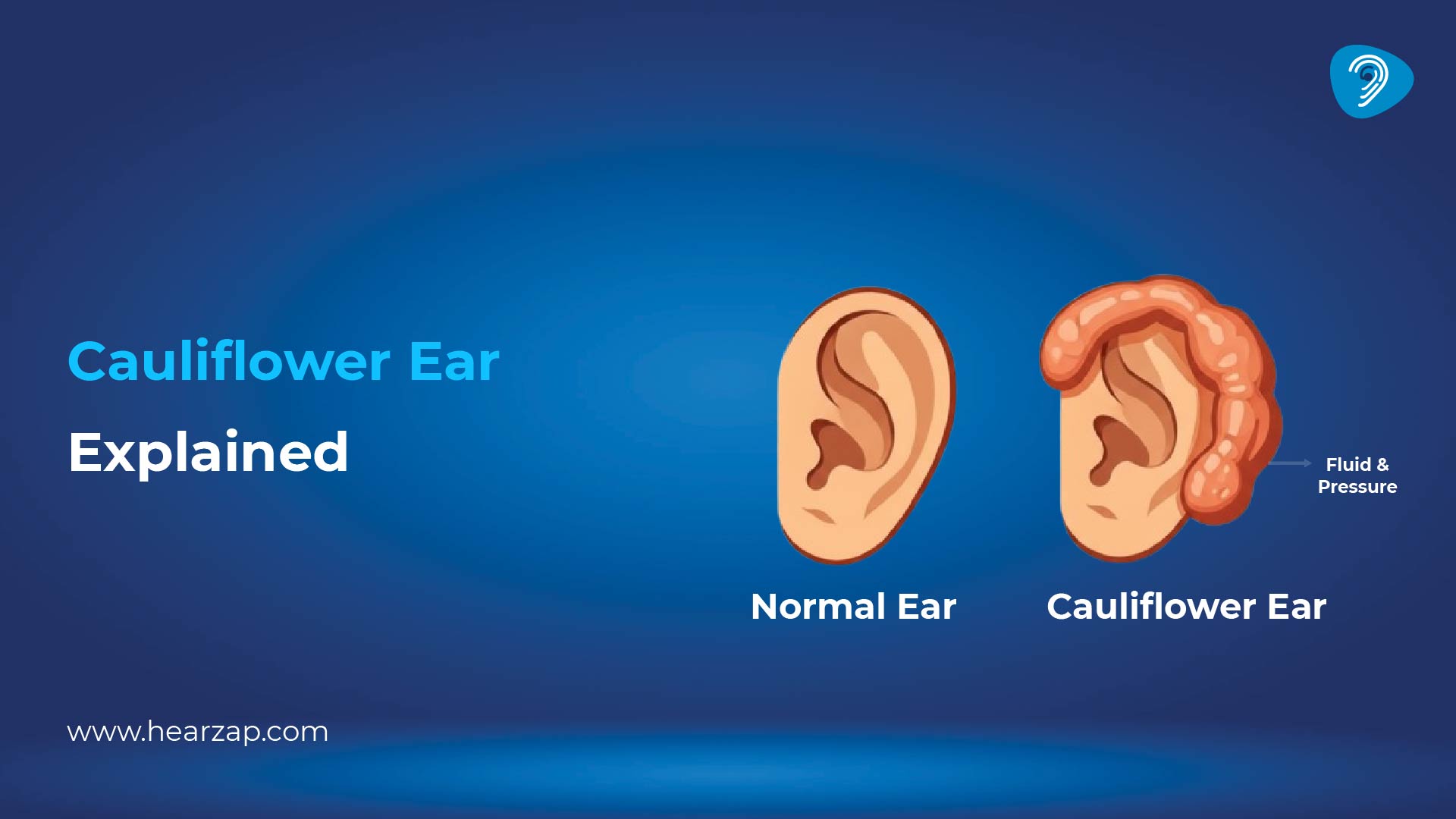
A puffy, tender outer ear after training can look minor, but it may be the early stage of cauliflower ear. This condition often begins with a small blood collection under the skin after a hit, squeeze, or repeated rubbing. When treated early, the ear can heal with little to no visible change. When ignored, it may heal with thickened tissue that permanently alters the ear’s shape.
In this article, you’ll learn what this condition is, the most common triggers, how doctors manage fresh swelling, and the everyday steps that support safer training overall. It’s especially useful if you train often or compete regularly.
What Is Cauliflower Ear?
Cauliflower ear is a deformity of the pinna (the visible outer ear) caused by injury to the cartilage. The cartilage is covered by a thin layer of tissue that supplies it with blood. If a blow or strong friction causes bleeding in that space, a soft swelling called a hematoma forms. When the cartilage is separated from its blood supply for too long, it can be damaged. As the body heals, scar tissue and thickening develop, producing the lumpy appearance associated with cauliflower ear.
What Causes Cauliflower Ear?
A common cauliflower ear cause is blunt trauma that tears tiny blood vessels in the ear. Blood then pools between the skin and cartilage, where it begins to clot. That clot acts like a spacer: it keeps the layers apart and reduces normal nourishment to the cartilage. Repeated friction makes this worse by re-injuring the same area before it has a chance to settle. Over days to weeks, the body organises the clot and lays down scar tissue, and the ear becomes firmer and misshapen.
Cauliflower Ear From Wrestling and Contact Sports
The phrase "cauliflower ear" from wrestling exists for a reason: grappling puts the ear under constant compression, folding, and rubbing. Similar risks occur in boxing, MMA, rugby, kabaddi, and other contact sports where heads collide, or the ear drags against the mat or ground. High-risk moments include:
- Clinches, headlocks, and scrambles where the ear gets trapped
- Repeated drilling without headgear
- Sparring with poorly fitted protection that shifts and rubs
If you train frequently, the biggest risk is not one dramatic hit, but many small impacts that keep the ear inflamed.
Can Cauliflower Ear Happen From Sleeping?
It’s understandable to wonder about cauliflower ear from sleeping on one side, but it’s uncommon. Normal pillow pressure typically won’t cause it in a healthy ear. Sleep becomes a factor mainly when the ear is already bruised or swollen after sport and then gets compressed for hours. If you notice a new, soft swelling after training, avoid pressure on that side and get it assessed early.
Early Symptoms and How to Identify Cauliflower Ear
Early signs are mostly about swelling and shape, not hearing. Look for:
- A soft, squishy lump on the outer ear, often along the upper rim
- Warmth, redness, and tenderness after a knock or hard session
- A feeling of pressure or tightness in the pinna
- Asymmetry compared with the other ear
Because this condition sits on the outside, the ear canal and eardrum are usually unaffected. If you feel blocked hearing, consider other causes too, such as mucus in ear, and avoid self-medicating without advice.
Cauliflower Ear Drain: When and Why It’s Needed
If a haematoma is present, drainage is often recommended to protect the cartilage. The aim is simple: remove trapped blood, relieve pressure, and bring the skin back in contact with the cartilage so normal healing can occur. Doctors usually consider drainage when the swelling is new, clearly fluid-filled, and follows recent trauma (often within 24–72 hours). After draining, the ear is compressed with a dressing or mould to stop the collection from returning.
Cauliflower Ear Drain Before and After: What to Expect
Before the procedure, the area is cleaned and numbed. Depending on the swelling, the doctor may use a needle or a small opening to remove the collection. After drainage, you can expect:
- Reduced tightness and pressure soon after the blood is removed
- Mild soreness for a day or two
- A firm dressing that keeps the ear layers pressed together
- A follow-up visit to check for re-accumulation
Most people return to desk work quickly, but contact training is usually paused until the ear is stable.
Cauliflower Ear After Draining: Care and Recovery Tips
Good aftercare reduces recurrence. Typical advice includes:
- Keep the dressing clean, dry, and in place for the recommended duration
- Avoid sparring, grappling, or helmet-free training until cleared
- Use cold packs briefly for comfort (wrapped in cloth)
- Take any prescribed medicines exactly as directed
Seek medical help quickly if swelling returns under the dressing, pain increases, redness spreads, or you develop fever or discharge.
Cauliflower Ear Cure: Is It Fully Reversible?
A reliable cauliflower ear cure depends on timing. In the early stage, when the swelling is soft and recent, drainage plus compression can allow the ear to heal with minimal change. In late stages, when the ear has hardened and thickened, the deformity is usually permanent without corrective surgery.
Even then, surgery may improve shape and function, but it may not restore the original contour. That’s why early action and cauliflower ear prevention matter more than trying to correct a long-standing deformity.
Cauliflower Ear Remedies: Medical vs Home Options
People often search for cauliflower ear remedies, hoping for a quick solution. The safest way to think about options is “supportive home care” versus “medical treatment when a haematoma is present.”
Medical options may include proper drainage, compression dressings, pain control, and antibiotics if there is an infection risk. These steps protect cartilage and lower the chance of lasting deformity. Your doctor may also check for look-alike issues, including skin inflammation such as otitis derma, because treatment differs.
Supportive steps you can do at home include:
- Stop contact activity and avoid pressure on the ear
- Apply a cold compress for short periods during the first day
- Keep the area clean and avoid massaging the swelling
- Return to sport with protective headgear once healed
Home care can reduce discomfort, but it does not replace drainage when there is a blood collection.
Why Home Draining Can Be Risky
Some people look up “how to drain” and attempt it at home as part of cauliflower ear remedies. This is risky. Non-sterile tools can introduce infection into cartilage, incomplete drainage allows the collection to return, and without firm compression, the ear can refill quickly. There is also a real chance of worsening bleeding or damaging tissue. If you suspect a haematoma, seeing a doctor promptly is far safer than trying to manage it yourself.
How to Prevent Cauliflower Ear
Cauliflower ear prevention comes down to protecting the ear, limiting repeated friction, and acting fast when swelling appears. This is particularly relevant for students in wrestling akharas, MMA gyms, rugby practice, and college sports where training is frequent.
Cauliflower Ear Protection for Athletes
For regular contact training, headgear is the best cauliflower ear protection. Make it effective by:
- Choosing the right size so it stays snug during movement
- Adjusting straps so it doesn’t slide and rub
- Cleaning it often to prevent skin irritation
- Reporting sore ears early so drills can be modified
Technique matters too. Learning safe clinch positions and avoiding “training through pain” reduces repeat injury.
Daily Habits to Avoid Cauliflower Ear
Daily habits can help you avoid deformity and support recovery:
- Check your ears after training; early puffiness is easier to treat
- Avoid sleeping on a newly injured ear; use a doughnut pillow if needed
- Keep nails trimmed and don’t scratch irritated skin
- Take blocked hearing seriously; persistent hearing loss deserves evaluation, and if hearing support is advised, you may choose to shop hearing aids online through trusted providers
When Should You See a Doctor for Cauliflower Ear?
See a doctor urgently if you develop a new, soft swelling after impact or friction, especially if it’s tender and enlarging. Also seek care if:
- The ear is hot, increasingly red, or very painful
- You have fever, discharge, or signs of infection
- The ear becomes firm and misshapen over weeks
- You have significant hearing changes, a severe headache, or dizziness
If sound feels muffled after the swelling settles, consider a professional hearing test. Seek urgent review if you develop severe sound sensitivity like phonophobia, or vertigo symptoms sometimes discussed as octonia in ear. Prompt assessment protects cartilage and lowers the chance that the deformity becomes permanent.
FAQs
Does cauliflower ear go away?
It can settle if there is only mild bruising and no blood collection. If a haematoma forms, treatment is often needed to prevent long-term thickening.
Is cauliflower ear painful for wrestlers?
It can be painful in the early stage, especially when the ear is swollen and warm. Pain that increases or comes with redness should not be ignored.
How quickly can cauliflower ear form after an injury?
Swelling can appear within hours. The risk of deformity increases if trapped blood remains for days.
Can I continue training if I suspect cauliflower ear?
It’s safer to pause contact training. Continued rubbing and impact can enlarge the collection and worsen outcomes.
Will headgear completely prevent cauliflower ear?
Headgear greatly reduces risk, but it is not perfect. The best results come from a good fit, consistent use, and early treatment of any swelling.
Related Blogs
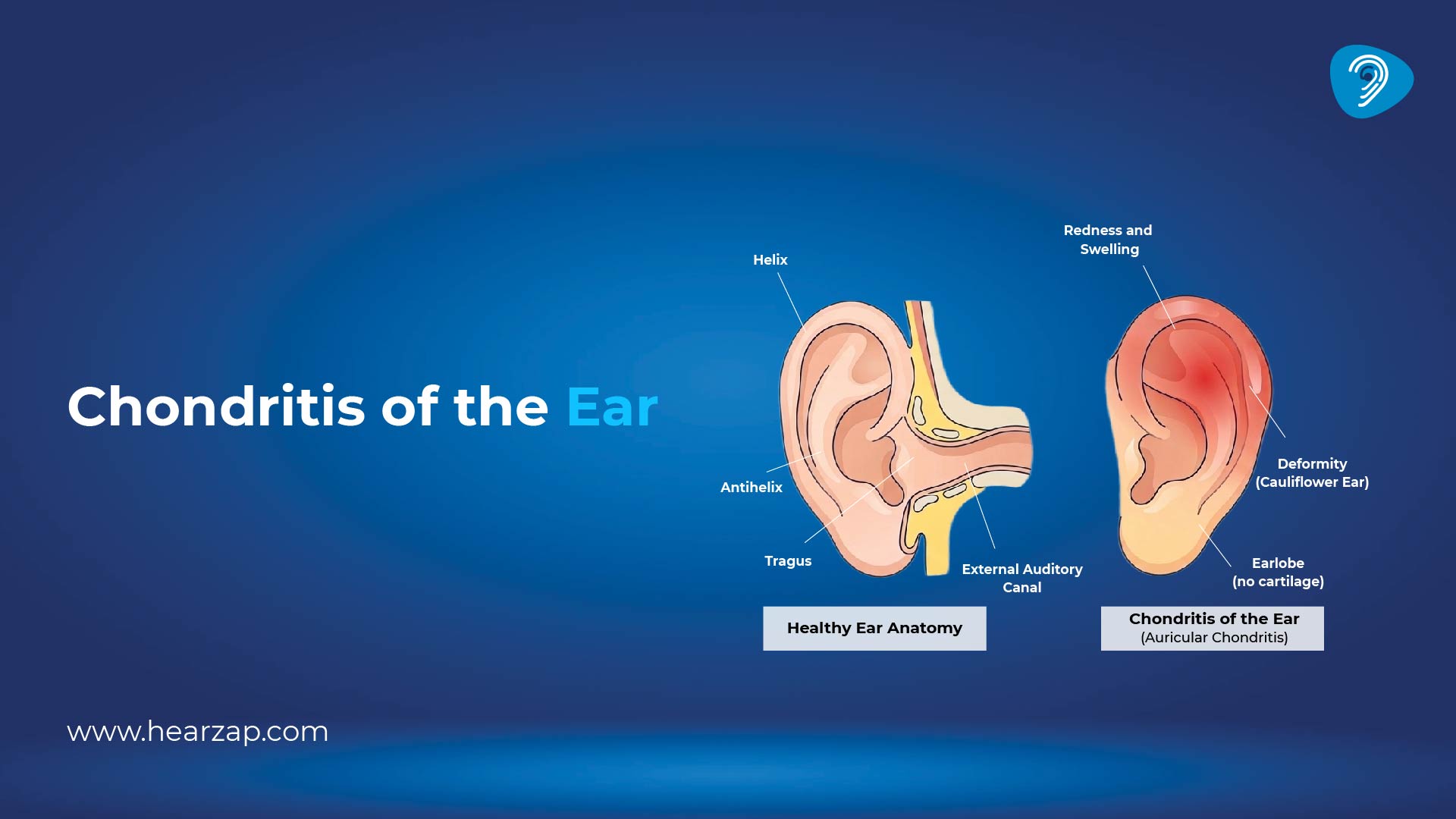
Chondritis of the Ear: Symptoms, Causes & Treatment

Autophony: Why Your Own Voice Sounds Too Loud in Your Head
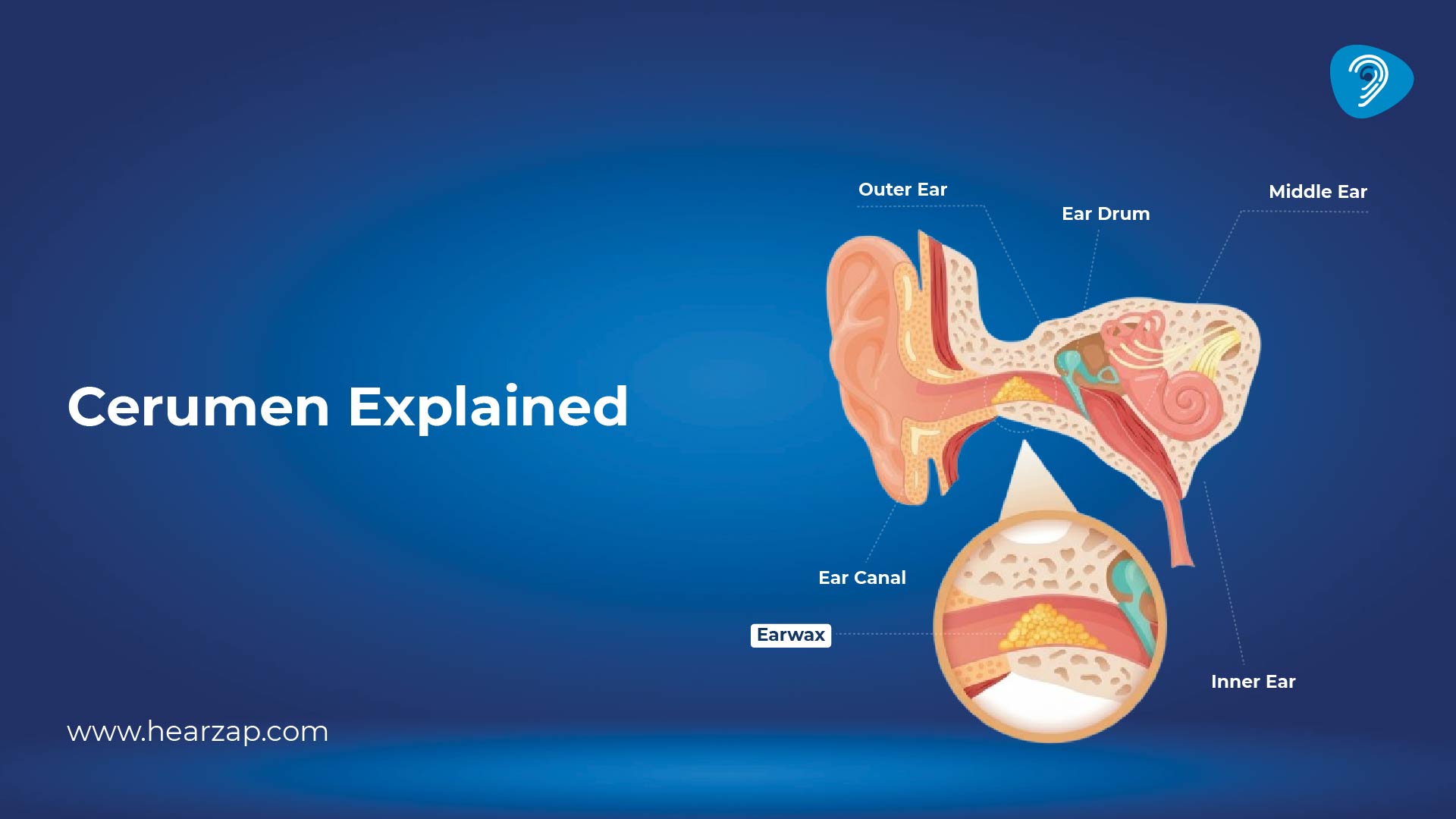
Cerumen (Earwax) Explained: Why Your Ears Produce It and When It Needs Attention
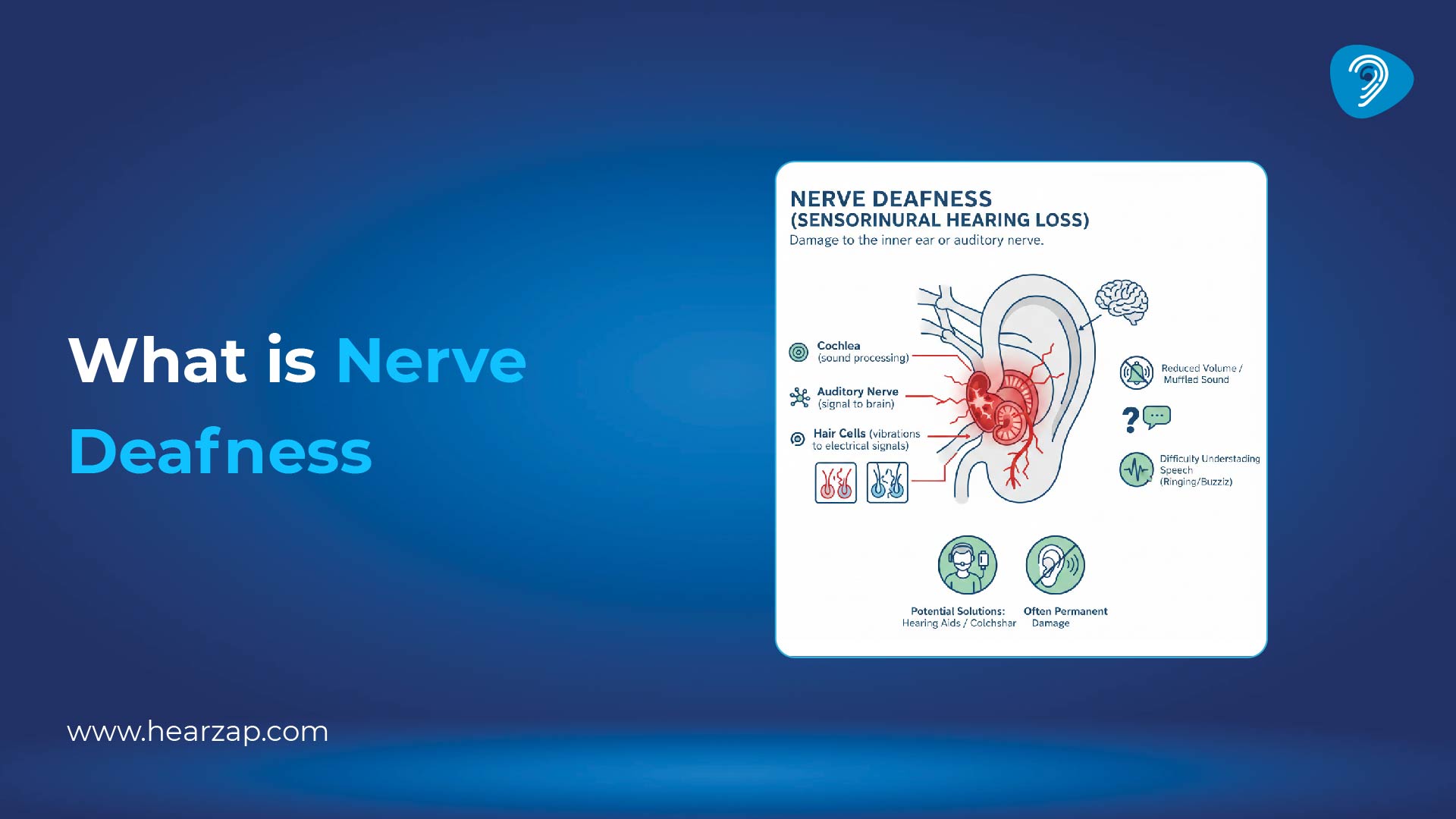
What Is Nerve Deafness? Causes, Symptoms, and Treatment Options
Middle Ear Ache: What the Pain Indicates and When Medical Care Is Needed
Misophonia: When Certain Sounds Feel Impossible to Ignore
Ear Eczema: Causes, Symptoms, and Effective Treatment Options
Contact us
We are here for all your hearing needs, from hearing tests to hearing aids. Fill out the form below, and we will give you a call soon.
Recent Blogs
By None | March 23, 2026
By None | March 18, 2026
By None | March 16, 2026
By None | March 13, 2026
By None | March 12, 2026