Generic
Cerumen (Earwax) Explained: Why Your Ears Produce It and When It Needs Attention
By Team Hearzap | Feb. 7, 2026
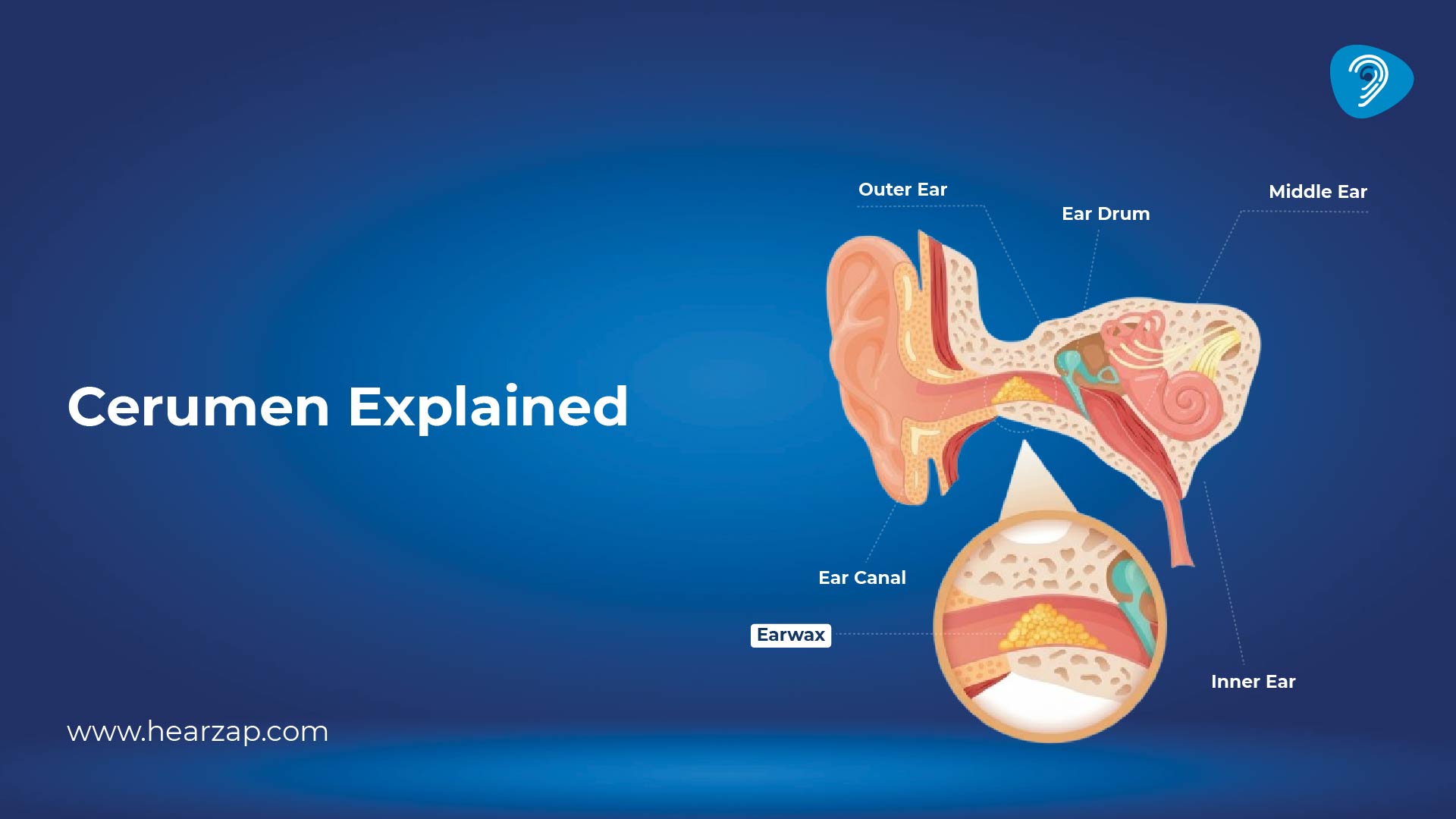
Your ears are self-cleaning more often than not, and cerumen (earwax) is a big reason why. This waxy substance traps dust, soothes delicate skin, and helps keep germs at bay. The trouble starts when the natural “conveyor belt” that moves wax out of the ear slows down or gets blocked. That’s when people notice excess earwax, a feeling of fullness, or hearing that seems dull after a shower or a long day with earphones.
In India, dusty commutes, humidity, and regular earbud use can make wax feel more noticeable, especially if you also have dry ear canal skin. The goal isn’t to remove wax all the time. It’s to recognise when it is normal protection and when it is turning into a problem. In this article, you’ll learn what wax is made of, the causes of excess wax in ears, early warning signs, what’s safe to try at home, and when it’s time to see a doctor.
What Is Cerumen (Earwax)?
Cerumen is a mix of natural oils, dead skin cells, and gland secretions made in the outer part of the ear canal. Fresh wax is usually soft and golden-brown; as it dries, it can turn darker and crumbly. Colour and texture vary by genetics, age, and environment. Some people naturally produce “wetter” wax, while others have drier wax that flakes – both can be normal.
A simple way to think about it: cerumen is your ear’s protective “moisturiser and filter”. It sits in the outer canal, not deep near the eardrum, and it normally migrates outward with jaw movement (talking and chewing). When you bathe, a little wax may wash to the outside and look like it has “appeared”, even though it was already on its way out.
Why Do Our Ears Produce Earwax?
Earwax isn’t dirt. It is a protective layer with clear jobs:
- Protection: Traps dust and small particles before they reach the eardrum
- Skin care: Prevents dryness, itching, and tiny cracks in the canal skin
- Germ defence: Its slightly acidic nature can slow some bacteria and fungi
- Water resistance: Repels small amounts of water during bathing or in humid weather
When wax is doing its job and moving out naturally, you usually don’t need to clean inside the ear.
What Causes Excess Ear Wax Build-Up?
When outward movement is disrupted, wax can accumulate and harden, leading to excess cerumen. This doesn’t mean poor hygiene. It’s often anatomy or routine.
Build-up is more likely with narrow or very curved canals, repeated insertion of objects into the ear, and long-term use of in-ear devices. Over time, wax can become compacted and form a blockage.
Common Causes of Excess Wax in Ears
The most common causes of excess wax in ears include:
- Ear canal shape: Narrow, curved, or hairy canals slow migration
- Ageing: Wax can become drier and harder with age
- In-ear devices: Earbuds, hearing aids, and earplugs can push wax inward
- Cotton buds and “ear picks”: Often pack wax deeper
- Skin conditions: Eczema or dermatitis increases debris and irritation
- Dust and pollution: Wax traps particles, so exposure can increase build-up
- Frequent water exposure: Water can swell wax and create a plug
Signs and Symptoms of Too Much Earwax
Too much earwax may be mild for weeks and then suddenly become obvious. Typical symptoms include:
- A blocked or “full” sensation, usually in one ear
- Muffled hearing or reduced clarity (often after a bath)
- Ringing (tinnitus) or a whooshing sound
- Itching or mild discomfort
- Occasional dizziness
Sometimes people also notice crackling when chewing, or a feeling that the ear “opens” and “closes”. Wax build-up can mimic ear-related hearing loss, so it’s worth ruling out wax before assuming a bigger problem. If symptoms come with fever, severe pain, or discharge, treat it as urgent and skip home experiments.
Cerumen Plug and Earwax Blockage
A cerumen plug forms when wax becomes dense, dry, and stuck, limiting sound transmission. Some people describe this as impact wax – wax that is firmly lodged and not moving out on its own.
A plug is more likely when wax is repeatedly pushed inward by earbuds or cotton buds. Before you buy hearing aids online, it’s sensible to check whether wax is the real culprit, because clearing a blockage can restore hearing in many cases.
Can Excess Ear Wax Cause Ear Infections?
Yes, can too much wax cause ear infection is a common and valid question. Wax itself is protective, but a packed plug can trap moisture and irritate the canal skin. That combination may raise the risk of outer-ear infection, especially if the skin is scratched by cleaning tools.
Knowing the types of ear infection helps. Outer-ear infections affect the canal skin and are linked more to trapped moisture and micro-injuries. Middle-ear infections sit behind the eardrum and usually relate to colds and sinus issues, not wax. If there is pain, discharge, fever, or marked tenderness, don’t attempt home removal – get assessed by a doctor.
Cerumen Removal: When Is It Needed?
Most people do not need routine cerumen removal. It becomes useful when wax causes symptoms, blocks the canal enough to affect hearing, or prevents a proper ear examination.
Wax can also block medicated drops from reaching the canal skin, so itching may persist until the blockage clears. Removal may be recommended before ear moulds, imaging, or any procedure that needs a clear, full view.
You may need cerumen removal if:
- Hearing feels clearly reduced or fluctuates
- The ear feels persistently blocked or uncomfortable
- You have discharge, bleeding, or significant pain
- Wax interferes with hearing-aid function
- A doctor needs to view the eardrum
If you’re unsure whether wax is the reason, an ear check and a hearing test can separate wax-related blockage from other causes.
How to Remove Excess Earwax Safely
If you’re searching for how to remove excess earwax, choose methods that soften wax rather than force it out. Safer options include:
- Wax-softening drops: Pharmacy cerumenolytics can loosen wax over a few days; follow the label
- Warm (not hot) oil drops: Sometimes advised for softening if the eardrum is healthy
- Professional removal: Under direct vision, wax may be removed using instruments, suction, or irrigation when appropriate
Avoid any removal attempt if you have ear tubes, a known eardrum perforation, recent ear surgery, severe pain, or active discharge.
How to Clean Excess Earwax at Home (What’s Safe vs Not)
For mild excess earwax, think “outside only”. The safest cleaning is for the outer ear and the entrance of the canal.
Safe habits
- Wipe the outer ear with a clean, damp cloth after bathing
- Use softening drops for a short course when symptoms are mild
- Keep earbuds and earplugs clean and dry
Not safe
- Cotton buds inside the canal
- Ear candles
- Metal scoops or DIY tools
- High-pressure syringing at home
If discomfort increases, you feel sharp pain, or sound becomes suddenly more muffled, stop and seek medical advice.
Excess Earwax Treatment Options
When wax is deeply packed or symptoms are persistent, excess earwax treatment may be needed. Common options include:
- Drops: Softening agents may be used alone or before removal for excess cerumen
- Irrigation: A controlled water rinse when it’s safe and the eardrum is intact
- Microsuction: Gentle suction under magnification; useful for stubborn wax
- Instrument removal: Special tools used under direct vision
The right method depends on the ear canal, wax texture, and any history of infections or eardrum problems.
What NOT to Do When You Have Excess Earwax
With excess earwax, the biggest mistakes are the ones that pack wax deeper or injure the skin. Avoid:
- Trying to “dig” wax out, even if you can see it
- Repeatedly using cotton buds
- Using unknown oils, powders, or herbal mixtures without advice
- Wearing earbuds when the ear feels blocked or sore
- Ignoring persistent symptoms and just turning up the volume
When Should You See a Doctor for Earwax Removal?
See a doctor if you have any of the following:
- Sudden or significant reduction in hearing in one ear
- Ear pain, discharge, bleeding, or swelling
- Fever, severe dizziness, or intense ringing
- Diabetes, low immunity, or frequent ear infections
- A history of eardrum perforation, ear surgery, or grommets
- Symptoms that return quickly after self-care
A proper assessment also helps if you’re weighing too much earwax against longer-term hearing issues. If wax is cleared and hearing still feels reduced, ask about further evaluation.
FAQs
Is it normal to have earwax even if I clean daily?
Yes. Cerumen is produced naturally. Cleaning the outer ear is enough; the canal usually clears wax on its own.
How long do wax-softening drops take to work?
Many people notice change within 2–4 days, but hard wax may take longer. Stop if you get pain or discharge.
Can children get wax build-up too?
Yes. Children can have wax build-up, especially with narrow canals. Avoid cotton buds and seek advice if hearing seems reduced.
Does swimming make wax worse?
Water can swell wax and make blockage feel sudden. Dry the outer ear gently after swimming and get checked if fullness persists.
Will wax come back after removal?
Wax can return if you are prone to build-up. Prevention mainly means avoiding cotton buds and limiting in-ear irritation.
Related Blogs

Contact us
We are here for all your hearing needs, from hearing tests to hearing aids. Fill out the form below, and we will give you a call soon.
Recent Blogs
By None | March 23, 2026
By None | March 18, 2026
By None | March 16, 2026
By None | March 13, 2026
By None | March 12, 2026