Generic
Mucus in Ear: Symptoms, Causes, and How to Get Relief
By Team Hearzap | Dec. 29, 2025
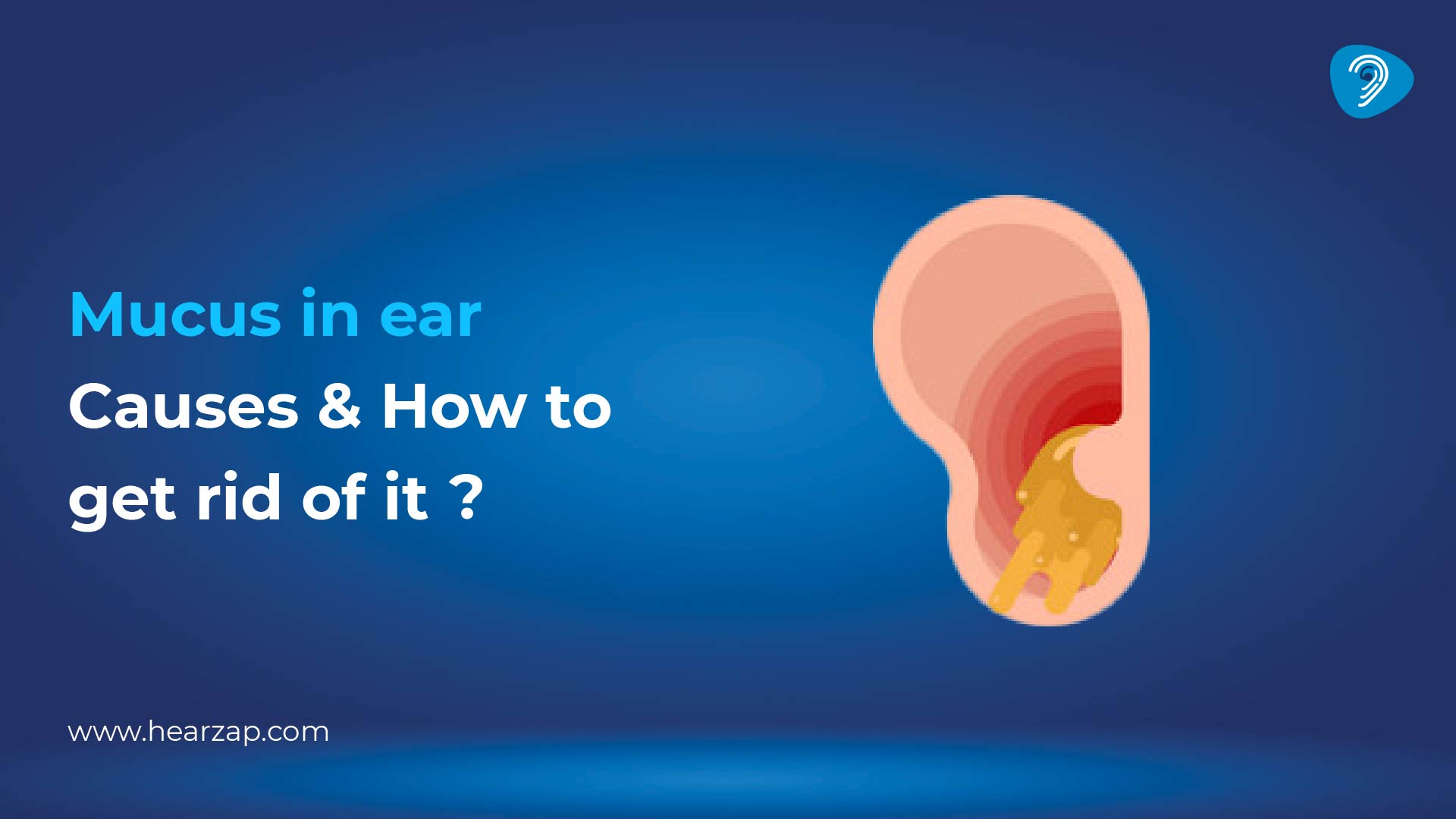
Many Indians ignore a blocked ear after a cold. When you have mucus in ear, though, the heavy, echoing feeling can drag on and affect daily life. This guide explains how to deal with it.
What is Mucus in the Ear?
Behind the eardrum lies the middle ear, a tiny air-filled space connected to the back of the nose by the Eustachian tube. Normally, air moves in and out and a small amount of fluid drains away. When the tube swells or gets blocked, fluid collects and thickens into sticky mucus. This build-up is a common reason for ear blockage due to mucus, especially after colds, sinus problems, or allergies.
Causes of Mucus in Ear
The middle ear may fill with fluid because of:
- Repeated ear infections that irritate the lining of the middle ear.
- Sinus infection or a stubborn cold that keeps the nose blocked.
- Allergies to dust, pollen, pollution, or pet hair.
- Excess earwax mixing with fluid, creating an ear blocked by mucus feeling.
Understanding the cause helps an ENT specialist choose the right mucus in ear treatment.
Symptoms of Mucus in Ear
People often search for mucus in ear symptoms when they notice:
- A sense of fullness, heaviness, or pressure in one or both ears.
- Sore throat, nagging cough, or post-nasal drip.
- Headache or facial pain around the cheeks and forehead.
- Muffled sounds, echoing voices, or ringing in the ear.
How to Remove Mucus from Ear
Good ear mucus removal aims to reduce swelling around the Eustachian tube and help trapped fluid drain slowly and safely. You can begin with simple home steps and then move to medical care if the blockage continues.
At-Home Remedies
At home, these measures may help clear mucus from ear spaces:
- Warm compress over the side of the head for ten to fifteen minutes.
- Steam inhalation with plain hot water once or twice a day.
- Saline nasal spray or rinses to wash away congestion.
- Cleaning only the outer ear and avoiding cotton buds or sharp objects.
Medical Treatment
When self-care is not enough, a doctor may suggest:
- Ear drops or tablets to treat infection and reduce swelling.
- Anti-allergy medicines or nasal sprays when dust or pollen are triggers.
- Procedures to drain thick fluid or insert small ventilation tubes in stubborn cases.
If you struggle to hear conversations or the television, a formal hearing test may be advised. For ongoing problems, it is better to book an appointment with an ENT centre than rely only on home remedies.
How does Mucus Affect Ears?
Fluid behind the eardrum prevents it from vibrating properly, so sound signals do not pass as they should. This can lead to temporary hearing loss, tiredness from straining to hear, and difficulty following meetings or classroom teaching.
Ear Clogged with Mucus
An ear clogged with mucus feels as if cotton is stuffed inside. Some people notice popping when they yawn or swallow; others feel heaviness when they bend or lie down. Gentle jaw movements may give brief relief, but if a blocked ear keeps returning, seek medical advice rather than trying random methods to get rid of mucus in ear.
Complications of Ignoring Mucus in Ear
Leaving fluid in the middle ear for months can cause:
- New infections that damage the eardrum or tiny hearing bones.
- Ongoing discomfort that disturbs sleep and work.
- Gradual hearing deterioration that may eventually push some people to buy hearing aids earlier than expected.
Timely treatment keeps these risks lower and protects long-term ear health.
Prevention Tips for Mucus in Ear
You cannot avoid every cold, but you can lower the chance of blockage:
- Stay away from cigarette smoke and heavy indoor pollution.
- Keep nasal passages clear during colds with saline rinses and adequate water intake.
- Arrange ENT reviews for people who often feel their ear blocked by mucus after infections.
When to See a Doctor
See a doctor or ENT specialist if you notice:
- Severe ear pain, high fever, or discharge from the ear.
- Hearing difficulty lasting more than a few days despite home care.
- Persistent ear blockage due to mucus or repeated blocked-ear episodes through the year.
- Dizziness, unsteady walking, or a sudden buzzing noise.
Early assessment often means simpler and safer ear mucus removal.
Conclusion
Ear blockage from fluid is uncomfortable but truly manageable. Understanding the causes and key mucus in ear symptoms, taking safe steps at home, and getting expert help keeps your hearing sharp. If you or family members keep dealing with ear blockage due to mucus, do not ignore it; timely advice protects hearing and prevents repeated infections.
Also Read: Ear Infections: Causes, Symptoms & Treatment
Middle Ear Infections (Otitis Media)
FAQs
How do you get mucus out of your ears?
Gentle steam inhalation, warm compresses, and saline rinses may help fluid drain. If your ear blocked by mucus does not ease in a few days, see a doctor for mucus in ear treatment.
How long does mucus stay in the ear?
After a routine cold, fluid often clears in one or two weeks. If mucus in ear or a blocked feeling lasts beyond three weeks or keeps returning, have your ears checked.
What are the risks of untreated ear mucus?
Ignoring trapped fluid can lead to repeated infections, scarring of the eardrum, and long-term hearing loss; in children, it may also affect speech and studies.
When should I see a doctor for ear mucus?
See a doctor if pain, fever, discharge, or reduced hearing lasts more than a few days, or if you often have ear blockage due to mucus.
When to see ENT for clogged ears?
See an ENT whenever a blocked ear keeps returning, when you are unsure how to get rid of mucus in ear, or when it interferes with communication at work, home, or school.





Contact us
We are here for all your hearing needs, from hearing tests to hearing aids. Fill out the form below, and we will give you a call soon.
Recent Blogs
By None | Feb. 9, 2026
By None | Feb. 7, 2026
By None | Feb. 6, 2026
By None | Feb. 5, 2026
By None | Feb. 4, 2026