Generic
Pendred Syndrome: A Genetic Condition That Affects Hearing and the Thyroid
By Team Hearzap | Dec. 31, 2025
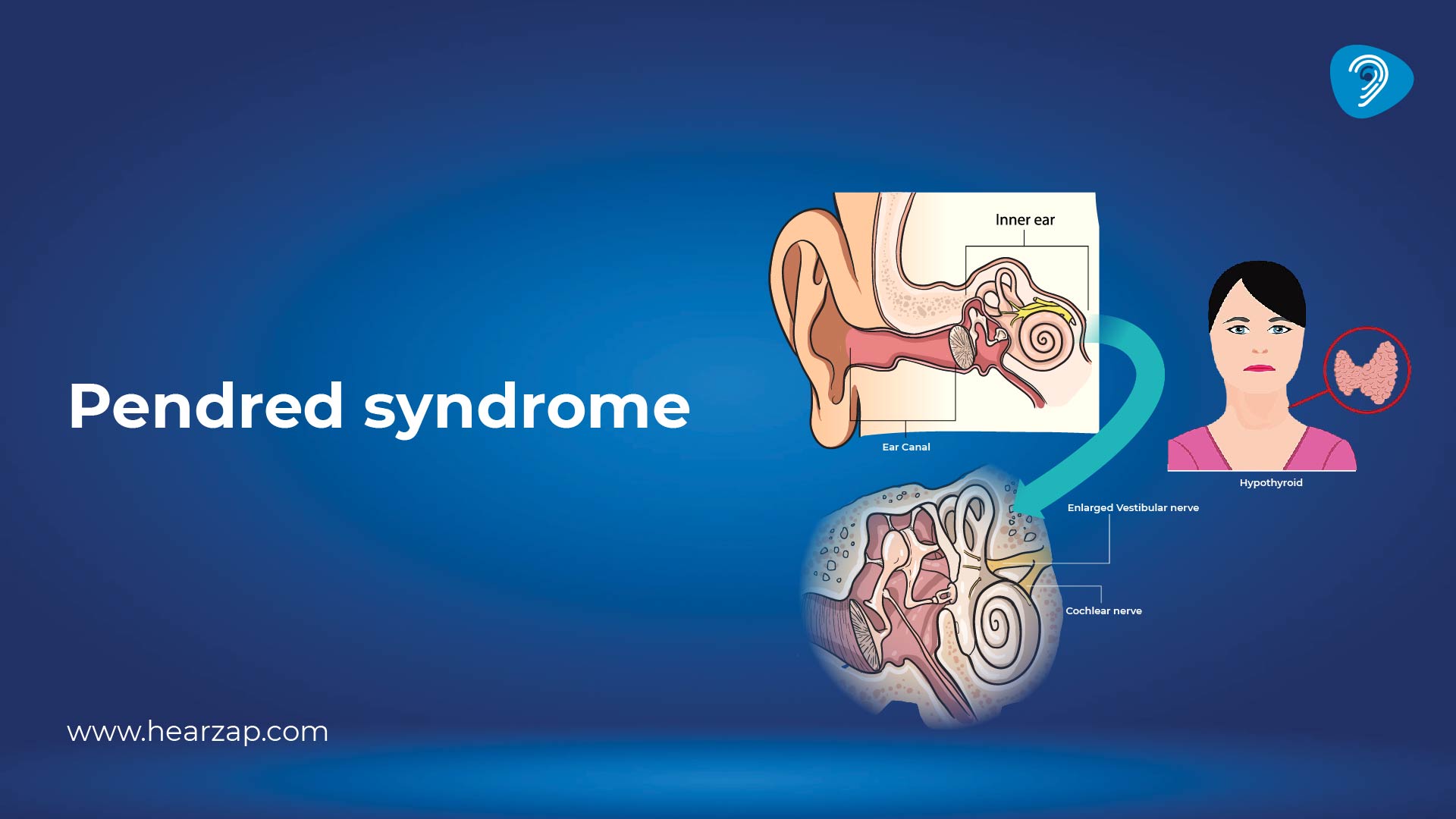
When a child is diagnosed with some type of hearing loss early in life, parents would often look for explanations that go beyond the ear. Some may involve genetics—the manner in which the system of the body develops even before birth. This is the case with Pendred Syndrome.
Pendred syndrome is not widely known outside medical circles, yet it is one of the more common genetic causes of childhood hearing loss. While it can sound overwhelming at first, understanding the condition helps families plan care confidently and early — which makes all the difference.
What Is Pendred Syndrome?
Pendred syndrome is an inherited condition that mainly affects hearing and, in some individuals, the thyroid gland. Hearing loss is usually present from birth or early childhood and may gradually worsen over time.
The condition was first described by Dr. Vaughan Pendred, who noticed a link between hearing loss and thyroid enlargement in certain families. Today, doctors know that not everyone with Pendred syndrome will develop thyroid problems, but hearing loss is almost always part of the picture.
Understanding the Pendred Syndrome Triad
Doctors often describe the condition using the Pendred syndrome triad, which refers to three commonly associated features:
- Early-onset sensorineural hearing loss
- Structural differences in the inner ear
- Thyroid changes that may appear later in life
These features don’t always show up together. A child may be diagnosed for hearing loss years before any thyroid changes become noticeable, which is why long-term follow-up is important.
How Hearing Is Affected
Pendred syndrome generally leads to hearing loss affecting the inner ear, which is the place where sound signals are not well delivered to the brain. In this case, a number of babies are born with impaired hearing, whereas some others go through changes in hearing that are either gradual or sudden during the childhood period.
Some families may notice:
- Hearing levels going up and down
- Lost hearing following a very light head injury
- Balance problems in particular situations
As the inner ear structure is very delicate, even small trauma or pressure changes may have an impact on hearing quality. Hence, early hearing support has a significant role in speech, learning, and self-assurance.
Scheibe Dysplasia and Inner Ear Development
In imaging studies, some individuals with Pendred syndrome show a condition called Scheibe dysplasia. This refers to incomplete development of the cochlea and vestibular system — parts of the inner ear responsible for hearing and balance.
Scheibe dysplasia helps explain why hearing loss can progress and why balance issues may occasionally be present. While not exclusive to Pendred syndrome, it offers valuable insight into how the condition affects the inner ear structurally.
The Pendrin Thyroid Connection
Pendred syndrome is associated with pendrin, a protein that is implicated in the processes of hearing and thyroid function simultaneously. The term pendrin thyroid indicates the role of this protein in the transport of iodide in and out of the thyroid gland.
When pendrin is not working properly:
- The thyroid could be in a stage of progressive enlargement
- The hormone levels could be normal most of the time
- A goitre might be formed in the stage of adolescence or adulthood
Thyroid enlargement in most cases is slow and can be easily treated. Many people with Pendred syndrome never experience significant thyroid symptoms but are monitored as a precaution.
Pendred Syndrome Chromosome and Genetics
Pendred syndrome is caused by changes in a gene called SLC26A4, located on pendred syndrome chromosome 7.
The condition follows an autosomal recessive pattern:
- Both parents usually carry one altered gene
- Parents themselves are healthy
- The child inherits two altered copies
This means Pendred syndrome is not caused by anything done during pregnancy. Genetic counselling often helps families understand inheritance and future planning.
How Pendred Syndrome Is Diagnosed
Diagnosis usually happens through a combination of hearing tests, imaging, and genetic evaluation.
Doctors recommend the following:
- Newborn infant or childhood hearing screenings
- MRI/CT scans to evaluate inner ear structure
- Thyroid review during adolescence
- Genetic testing to confirm the diagnosis
Sometimes, Pendred syndrome is only detected when thyroid changes come much later in life. Early recognition can bring excellent hearing protection and future planning.
Management and Long-Term Care
There is no cure for Pendred syndrome, but management focuses on protecting hearing and monitoring thyroid health.
Hearing Health
- Hearing Aids for mild-to-moderate-range hearing loss
- Cochlear Implants for severe-to-profound hearing loss
- Speech therapy and sign-language development if required
- Avoidance of activities that pose potential head injuries
Thyroid (The thyroid gland is affected with swelling in many cases.)
- Regular Thyroid check-ups with a doctor
- Blood testing for hormone level monitoring
- Action only when t4 concentration gets abnormal
Since careful care post its recovery is adhered to, most individuals with a Pendred Syndrome grow up normal, intelligent, communicative, and independent.
Living with Pendred Syndrome
Living with Pendred syndrome is all about awareness, not limitation because children attend school, play sports with care, build friendships, and pursue careers like any other child. By rectifying the loss in hearing early, the child naturally develops speech as he or she gains confidence thereafter. Monitoring the thyroid simply becomes part of routine health care.
Families often find reassurance in knowing that this condition is manageable and does not define a person’s future.
Final Thoughts
Pendred syndrome connects hearing and thyroid health through a shared genetic pathway. Understanding the Pendred syndrome triad, the role of pendrin thyroid, the implications of Scheibe dysplasia, and the genetic basis on pendred syndrome chromosome 7 helps families approach care with clarity rather than fear.
With modern hearing technology, regular medical monitoring, and early intervention, individuals with Pendred syndrome can live rich, independent, and confident lives.
FAQs
How common is Pendred syndrome?
Pendred syndrome is quite rare, but among genetic conditions that cause childhood hearing loss, it’s one that doctors see more often than many others.
How many people are affected by Pendred syndrome?
Only a small number of people worldwide are affected, and many may never be diagnosed unless hearing loss or thyroid changes are investigated closely.
Is Pendred syndrome dominant or recessive?
Pendred syndrome is recessive, which means both parents usually carry the gene quietly without knowing it, and the child inherits it from both sides.
What causes Pendred syndrome?
It’s caused by a genetic change that affects how the inner ear and thyroid develop, and it’s present from birth, nothing a parent did caused it.

Contact us
We are here for all your hearing needs, from hearing tests to hearing aids. Fill out the form below, and we will give you a call soon.
Recent Blogs
By None | April 3, 2026
By None | April 2, 2026
By None | April 1, 2026
By Team Hearzap | March 31, 2026
By None | March 30, 2026