HEARING CARE
Can Ear Spasms Affect Hearing?
By Team Hearzap | March 25, 2026
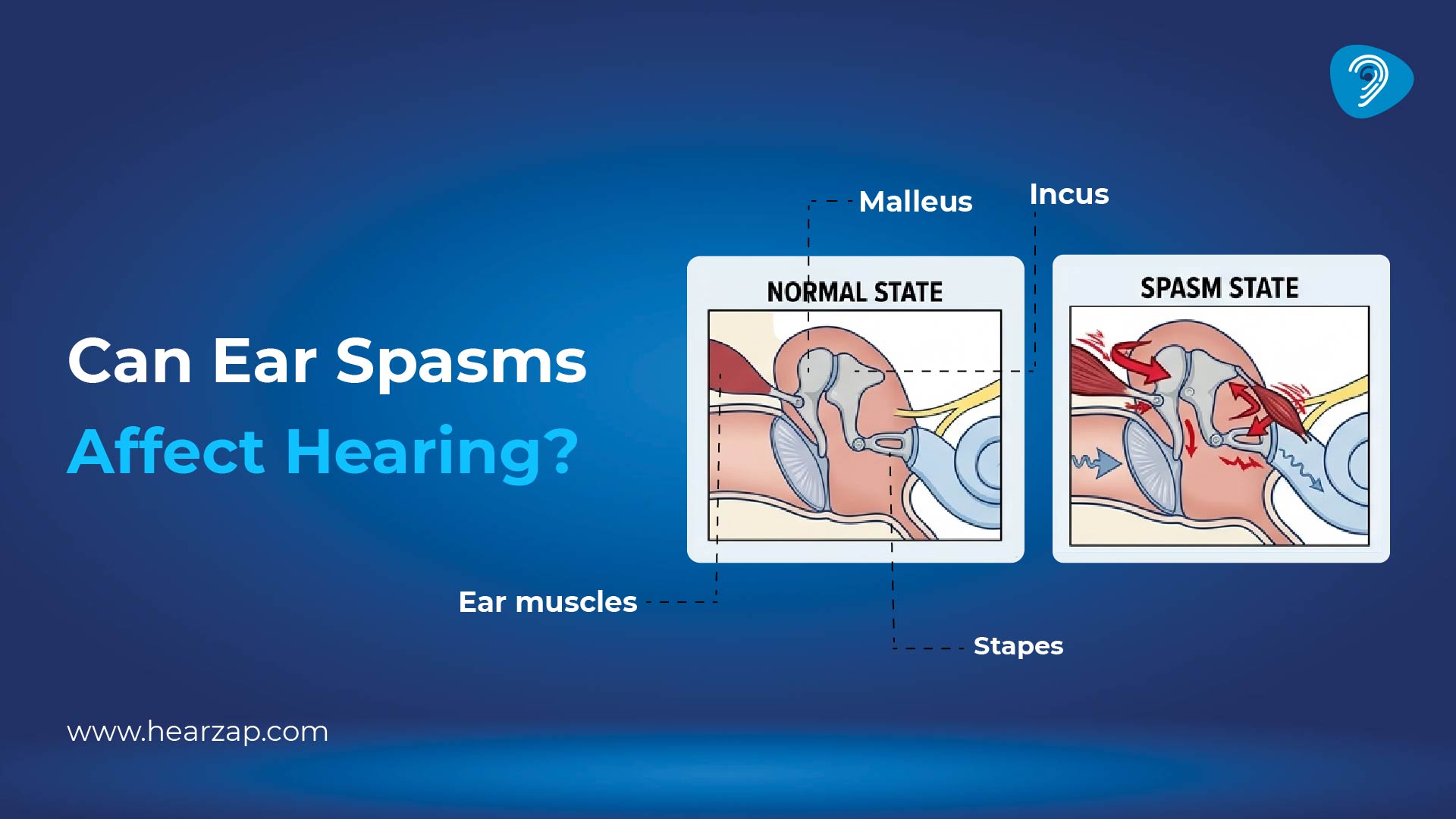
A sudden flutter, a tiny thump, or an unexpected clicking feeling in the ear can be problematic. Many people describe this as a quick ear muscle twitch that starts and stops without warning. In most cases, ear spasms are harmless. Ear spasms repeat, and ear spasms distract. They often settle on their own and leave no lasting problems. Still, when the sensation repeats, it can be distracting and uncomfortable.
Some people also notice short, temporary changes in listening while it is happening, such as a sound feeling briefly off, or feeling like you need to concentrate harder to catch words. If this keeps returning, or you feel it is affecting your daily comfort, getting it checked is a sensible step.
A specialist can confirm what is triggering the movement and guide you on what to do next. If symptoms persist, consulting Hearzap experts for diagnosis can help you get a clear answer and peace of mind, especially when the sensation starts interfering with work, sleep, or conversations.
What Are Ear Spasms?
These spasms are involuntary movements that happen in or around the ear. Think of them as small, sudden muscle contractions that you cannot control. They may last for a short moment, or they may come and go in bursts.
Spasms can occur in the ear muscles or in the ear canal. Because the ear is sensitive, even minor movements can feel larger than they actually are. Some people notice it most in quiet moments, while others notice it when they are tired, stressed, or trying to relax.
You may experience:
- Twitching, like a brief ear muscle twitch
- Pulsating, like a gentle beating sensation
- Clicking, like a small tap inside the ear
These sensations can vary, but the common theme is an unwanted twitch or movement you did not choose to occur.
Causes of Ear Spasms
If you are searching for the causes of ear spasm, it helps to know that there is usually a reason behind the sensation. For many people, ear spasms are linked to strain, irritation, or sensitivity in the ear area.
Here are common causes of ear spasms:
- Muscle fatigue or stress: Stress can make your body tense, even if you do not notice it. When muscles remain tense for long periods, they can fatigue and begin to twitch. This is a common trigger behind repeated sensations, especially during busy periods, poor sleep, and ongoing worry.
- Ear infections or inflammation: Ear Infections or inflammation can make the ear feel irritated and sensitive. When the ear is inflamed, you may notice twitching, pulsing, or clicking sensations that come and go, sometimes along with general discomfort.
- Hearing loss or inner ear conditions: Some people notice twitching sensations alongside these conditions. This does not automatically mean the twitching leads to permanent damage. It simply means symptoms should be observed, especially if they are frequent or feel new for you.
- Exposure to loud noise: Loud noise can put strain on the ear system. After noise exposure, some people notice discomfort or unusual sensations, including occasional ear twitching.
- Nutritional deficiencies (magnesium, potassium): Low levels of magnesium or potassium can affect muscle function. In some people, this may increase the chance of twitching, especially when combined with stress or fatigue.
Spasms in the Ear Canal
Spasms in the ear canal can feel closer to the outer ear and may be easier to notice. Some people describe a fluttering sensation near the ear opening, while others notice a pulsing sensation in the ear canal.
Spasms can stand out more in quiet moments, such as when you are lying down, sitting in silence, or trying to fall asleep. They may also feel more noticeable when you are stressed, sleeping poorly, or recovering from an infection-related irritant.
Common triggers for these spasms include stress and muscle fatigue, inflammation, exposure to loud noise, and nutritional deficiencies. If it keeps recurring, it is worth tracking when they happen and whether they are starting to affect daily comfort, concentration, or rest.
Can Ear Spasms Affect Hearing?
Yes, spasms can temporarily affect hearing in some people. While the movement is happening, you may feel the sound briefly become distorted, softer, or harder to focus on. Sometimes it doesn’t feel like the sound has become quieter. It feels more like your ear is distracting you, so it’s harder to focus on what you’re hearing for a moment.
The reassuring part is that most cases do not cause permanent hearing loss. In many situations, the sensation is linked to muscle movement or irritation rather than long-term damage. Still, if the spasms occur often, they can make listening feel less comfortable than usual, especially in noisy environments or during conversations.
What matters most is monitoring your symptoms. Notice if the sensation is occasional or frequent, and whether it is linked to stress or loud noise. If it persists, consult a specialist. In many cases, a hearing test may be recommended to confirm your hearing is stable and to rule out any concerns.
Treatment for Ear Spasms
When the symptoms are mild, simple daily changes are usually the best place to start. The aim is to reduce common triggers and allow the body to settle, so the twitching becomes less frequent and less noticeable.
Helpful home steps for mild cases include:
- Stress management, so your muscles are less likely to tighten and twitch.
- Adequate rest, so your body has time to recover.
If symptoms persist or are severe, medical intervention may be needed. The right approach depends on the underlying cause. This is why a professional evaluation matters, because it helps you move towards the right care plan instead of trying random fixes.
A professional evaluation at Hearzap can help determine the exact cause and treatment. If needed, a hearing test can confirm whether your hearing levels are stable and whether the symptoms are linked to any temporary listening changes.
When to See a Doctor
Consider medical advice if:
- The twitching is persistent and starts affecting hearing or daily comfort.
- It is accompanied by dizziness, pain, or hearing loss.
If these symptoms appear together, it is safer to get checked than to wait.
How Hearzap Can Help
Get an ear check-up, a Hearing test, and expert guidance, all in one place, so you understand the cause of your symptoms and the right next step.
- Get an ear check-up: An ear examination looks for irritation, inflammation, or signs of ear infections. This helps identify whether the sensation is mainly muscular, related to the ear canal, or linked to another ear concern.
- Do a hearing test if listening feels different: A hearing test can confirm your hearing levels, even if the change feels small. It also helps track your hearing over time.
- Discuss results with an expert: An expert consultation connects your symptoms with your test results and guides the next step.
- Book an appointment for visits and follow-ups: You can book appointment slots for a clinic visit if symptoms keep repeating. Follow-ups help monitor progress properly.
- Explore hearing support if needed: If hearing support is recommended, you may be guided on suitable options, including the choice to buy hearing aids online, based on professional advice.
Conclusion
These spasms are usually harmless, but they can still be uncomfortable and may temporarily affect hearing. If the sensation is occasional and settles quickly, stress management and adequate rest may be enough. If it keeps returning, early evaluation is important to avoid missing a treatable cause.
A timely check-up can help you understand what is triggering the spasms and support better comfort in daily life. If you want professional guidance, it is a good idea to book an appointment for support early rather than waiting.
FAQs
What are ear spasms?
They are involuntary movements that can happen in the ear muscles or the ear canal. They can feel like twitching, pulsating, or clicking sensations.
What causes ear spasms?
Common triggers include muscle fatigue or stress, ear infections or inflammation, hearing loss or inner-ear conditions, exposure to loud noise, and nutritional deficiencies, such as magnesium or potassium.
Can ear spasms affect hearing?
Yes. They can affect hearing in the short term by making sounds feel briefly distorted or harder to focus on. Most cases do not cause permanent hearing damage.
What are the symptoms of spasms in the ear canal?
Spasms in the ear canal may feel like fluttering, pulsing, or clicking sensations closer to the ear opening. They can be triggered by stress, fatigue, inflammation, exposure to loud noise, or nutritional deficiencies.
How are ear spasms treated?
Mild cases may improve with stress management and adequate rest. Persistent or severe symptoms may need medical interventions, guided by a professional evaluation.
How can Hearzap help with ear spasms?
Support can include an ear examination, a hearing test, and expert consultation. You can book appointment visits if symptoms persist and get guidance on next steps, including hearing support options if needed.
Related Blogs
Ear Protection for Swimming
Blocked Ear Tube: What It Feels Like, Why It Happens, and How It’s Managed
Middle Ear Infections (Otitis Media): Symptoms & Causes
Contact us
We are here for all your hearing needs, from hearing tests to hearing aids. Fill out the form below, and we will give you a call soon.
Recent Blogs
By None | March 23, 2026
By None | March 18, 2026
By None | March 16, 2026
By None | March 13, 2026
By None | March 12, 2026