HEARING CARE
Can Chronic Mastoiditis Lead to Hearing Loss?
By Team Hearzap | April 2, 2026
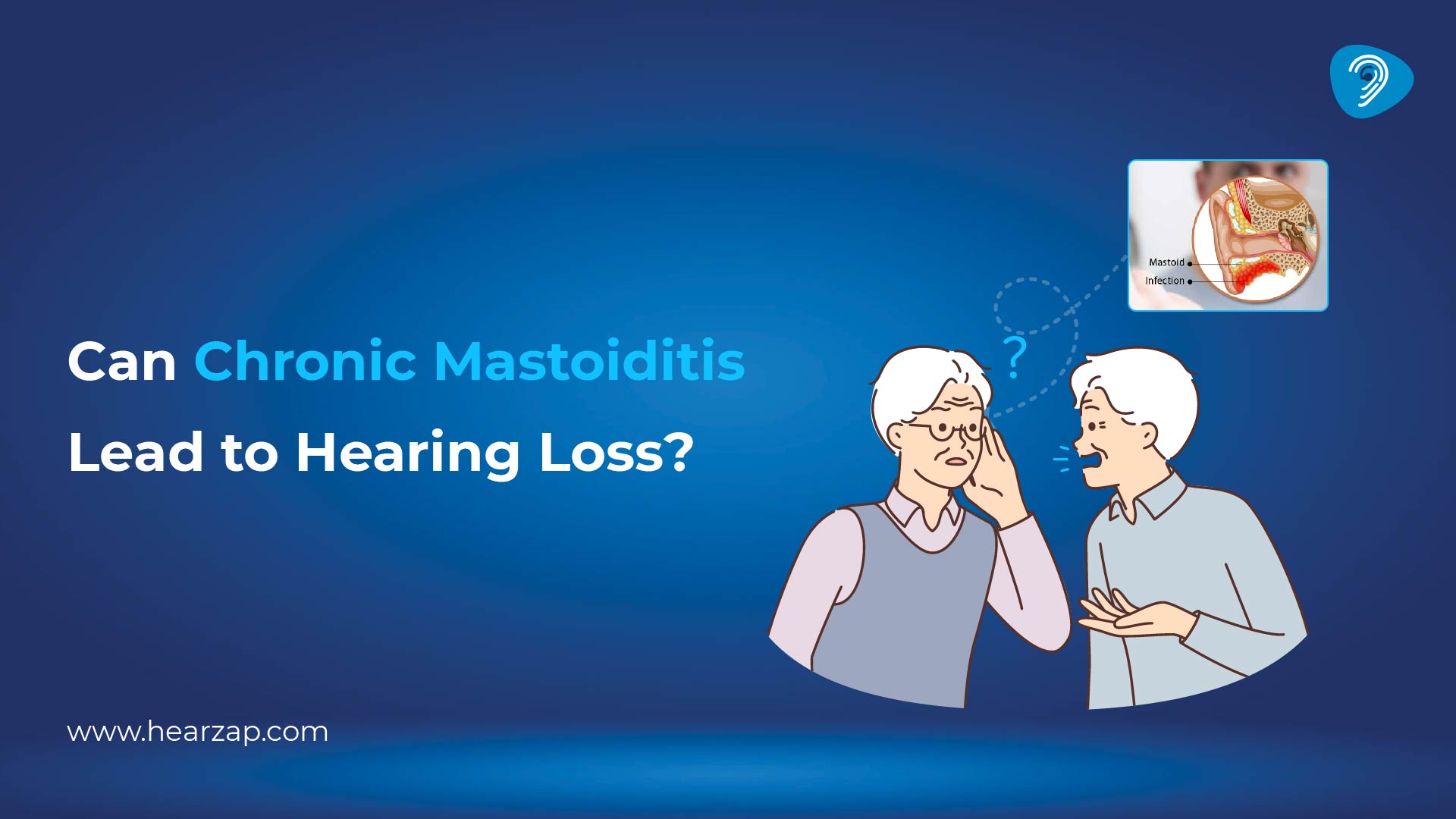
Chronic mastoiditis is a long-term infection involving the mastoid bone, the bony area just behind your ear. It usually does not appear out of nowhere. In many cases, it develops when ear infections keep returning, or when an earlier infection never fully settles and continues to affect the ear over time.
What makes chronic mastoiditis important is not only the discomfort it can cause, but also what can happen if it is ignored. Ongoing infection and inflammation in the middle ear can interfere with how sound is carried, and in some cases, contribute to hearing loss and broader ear health issues.
This blog explains chronic mastoiditis, the signs you should not ignore, its effect on hearing, treatment choices, and when it is wise to get your hearing checked, as Hearzap offers professional hearing tests and guidance for hearing-related concerns.
What is Chronic Mastoiditis?
Chronic mastoiditis is a persistent infection in the air cell system of the mastoid bone. The mastoid is connected to the middle ear, so problems in the middle ear can spread into that space when infections keep recurring.
- Chronic mastoiditis can start after repeated ear infections that never fully clear.
- Lingering infection keeps the area inflamed and uncomfortable for weeks or even months.
- Discharge may get trapped, making the ear feel blocked and harder to manage.
- Over time, delicate ear structures can be affected, changing how the ear works.
- This may impact hearing, balance, and normal drainage, especially without proper treatment.
A helpful way to think about it is this: the ear is built to stay ventilated and drain normally. When that drainage pathway is blocked by infection or swelling, bacteria can persist, and the mastoid area may become involved because of its direct connection with the middle ear.
Common Chronic Mastoiditis Symptoms
Chronic mastoiditis symptoms can be easy to misread at first, especially if you are used to “on and off” ear trouble. Some people try home remedies or put off medical care because the symptoms feel manageable. The issue is that a long-standing infection can quietly continue to damage tissues even when the pain is not severe.
Chronic Mastoiditis Symptoms in Adults
Chronic mastoiditis symptoms in adults commonly include:
- Ear pain or discomfort
- Persistent ear discharge
- Hearing difficulty
- Swelling behind the ear
- Headache or fever in some cases
You may experience heaviness or tightness in your ears, a foul odour, or a frequent need to turn up the volume on your phone or TV. If you experience dizziness or imbalance, consult a doctor immediately, as this could be a sign of a serious problem with your ear.
Can Chronic Mastoiditis Cause Hearing Loss?
Yes, chronic mastoiditis can cause hearing loss, and the “how” matters. Hearing depends on a smooth chain reaction. Sound waves travel through the ear canal, vibrate the eardrum, move the tiny hearing bones in the middle ear, and finally stimulate the inner ear. Long-term infection can disturb this chain at multiple points.
Here are the most common ways chronic mastoiditis may affect hearing:
- Ongoing fluid and inflammation in the middle ear: When the middle ear remains inflamed, sound cannot travel efficiently. This can lead to muffled hearing that may improve temporarily, then worsen again with flare-ups.
- Damage to the eardrum or middle ear bones: Persistent infection can contribute to structural damage. If the eardrum is affected or the tiny bones are disrupted, hearing loss may become more significant and longer-lasting.
- Cholesteatoma-related destruction: In some cases, an abnormal skin growth in the middle ear (cholesteatoma) may block drainage and gradually erode nearby structures, including areas important for hearing. This is one reason ENT specialists take chronic discharge seriously.
- Spread beyond the middle ear: If infection and inflammation progress, complications can include partial or complete hearing loss. This is not the outcome for everyone, but it is a recognised risk when mastoid-related infections are not treated promptly.
The key takeaway is simple: hearing changes are not something to “wait out” when chronic infection is involved. Early diagnosis and the right treatment plan reduce the chance of long-term damage.
Chronic Mastoiditis Treatment Options
Chronic mastoiditis treatment is not one-size-fits-all. Doctors decide the approach based on your symptoms, the condition of your eardrum, whether there is ongoing discharge, and whether imaging suggests deeper involvement.
Common chronic mastoiditis treatment options include:
- Antibiotics: Antibiotics may be used to control infection. Depending on the situation, a doctor may use ear drops, oral medicines, or hospital-based treatment for more serious infections. The goal is to clear active infection and prevent spread.
- Ear cleaning procedures: You may hear your ENT specialist talk about careful ear cleaning, sometimes called aural toilet. This is not the same as trying to clean your ear at home with cotton buds, which can worsen irritation or push debris deeper.
- Drainage or minor procedures: If the middle ear is not draining well, a clinician may recommend a procedure to help with drainage. This reduces pressure and improves recovery in selected cases.
- Surgery in severe or persistent cases: If infection persists despite medical care, or if there are complications such as an abscess or significant mastoid involvement, surgery may be advised.
Because hearing can be affected alongside infection, medical consultation should ideally include a hearing evaluation. A hearing test helps you and your clinician understand whether hearing changes are likely to improve with infection control or whether hearing support may be needed later.
When Should You See a Hearing Specialist?
If you have repeated ear infections, it is easy to normalise symptoms. But certain warning signs should prompt you to seek help sooner, especially if you notice changes in your hearing.
Consider booking an assessment if you have:
- A persistent ear infection that keeps returning
- Ongoing ear discharge, especially if it is foul-smelling
- Hearing difficulties that last beyond a short illness
- Ear pain with swelling behind the ear
- New dizziness, imbalance, or severe headache
If you are unsure where to begin, a hearing test is often a sensible, low-friction first step, and the results can guide your next medical decision. If hearing loss is confirmed, buy hearing aids online after professional recommendations and fitting guidance.
How Hearzap Can Help
If chronic ear infections or mastoid-related issues are affecting your hearing, Hearzap can help you with the right next steps. The goal is simple: identify any hearing impact early, explain the results clearly, and guide you towards suitable solutions.
- Professional hearing tests: Hearzap offers detailed hearing assessments to check if hearing has been affected and how severe it is.
- Expert hearing consultations: You can discuss your symptoms and reports with trained professionals who can guide you on what to do next.
- Hearing aid solutions, if needed: If hearing loss is confirmed, Hearzap helps you explore appropriate hearing aid options based on your hearing profile and lifestyle.
- Ongoing support and follow-ups: From fitting to adjustments and follow-up checks, Hearzap provides continued support so you feel confident using your solution.
If your ear symptoms are not settling or your hearing feels different, it is worth booking a hearing test with Hearzap and getting clarity early.
Conclusion
Chronic mastoiditis is more than a lingering ear infection. Because it sits close to the structures that transmit sound, it can affect hearing, sometimes in lasting ways, when left untreated. If you have recurring ear discharge, persistent discomfort, or noticeable hearing difficulty, early evaluation by an ENT specialist and a timely hearing test can protect both your ear health and your ability to hear clearly. For added reassurance, you can also book an appointment with Hearzap for a professional hearing test and expert guidance on the next best steps for your hearing care.
Frequently Asked Questions (FAQs)
1. What is chronic mastoiditis?
Chronic mastoiditis is a long-term infection of the mastoid area behind the ear, often linked to repeated or unresolved middle ear infections. It can linger quietly and slowly irritate nearby ear structures over time.
2. What are chronic mastoiditis symptoms in adults?
Chronic mastoiditis symptoms in adults can include ear pain, persistent discharge, hearing difficulty, swelling behind the ear, and sometimes headache or fever. Some people also notice a blocked feeling or a bad smell from discharge.
3. Can chronic mastoiditis cause hearing loss?
Yes, long-standing infection can disrupt middle ear function and, in some cases, damage structures involved in hearing, leading to temporary or permanent hearing loss if not treated appropriately. The longer it continues, the higher the risk of lasting changes.
4. How is chronic mastoiditis treated?
Treatment may include antibiotics, careful ear cleaning, procedures to improve drainage, and surgery in severe or persistent cases. The exact plan depends on the cause and severity. Follow-up is important to confirm infection control and monitor hearing.
5. When should I see a doctor for chronic mastoiditis?
See a doctor if you have persistent ear discharge, recurring infections, hearing difficulties, swelling behind the ear, or worsening pain. These signs should be assessed promptly by an ENT specialist. Early care can prevent complications and reduce the chance of hearing damage.
Related Blogs
Can Ear Spasms Affect Hearing?

Ear Protection for Swimming

10 Ways to Improve Your Hearing Naturally
Contact us
We are here for all your hearing needs, from hearing tests to hearing aids. Fill out the form below, and we will give you a call soon.
Recent Blogs
By None | April 1, 2026
By Team Hearzap | March 31, 2026
By None | March 30, 2026
By Team Hearzap | March 28, 2026
By Team Hearzap | March 27, 2026