Generic
Endolymphatic Hydrops: Causes, Symptoms & Care
By Team Hearzap | March 18, 2026
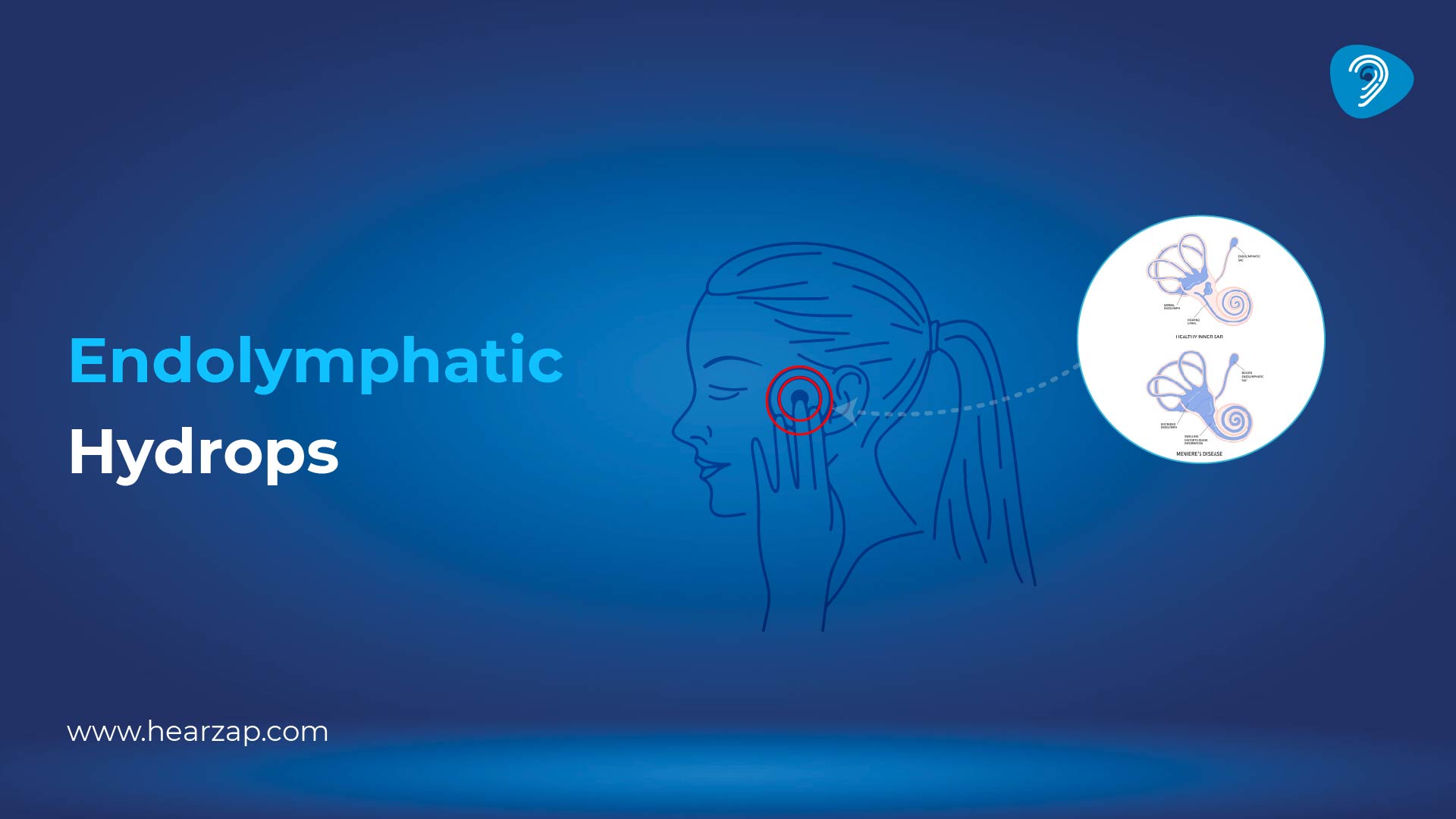
Endolymphatic Hydrops: What It Is, What Causes It, and What You Can Do About It
Your inner ear is a remarkable, microscopic world — and like any delicate system, it can go wrong in ways that feel anything but small. If you've been experiencing unexplained dizziness, a ringing in your ears, or sudden hearing changes, a condition called endolymphatic hydrops may be worth understanding.
What Exactly Is Endolymphatic Hydrops?
Deep inside your ear, beyond the eardrum and the tiny bones you learned about in school, lies the inner ear. This structure has two main jobs: helping you hear and helping you stay balanced. To do both, it relies on a carefully maintained fluid called endolymph.
Think of endolymph like water in a balloon. The balloon needs just the right amount — not too little, not too much. In endolymphatic hydrops, too much fluid builds up inside that "balloon," causing it to swell and put pressure on the surrounding structures. That pressure is what triggers the symptoms.
The condition is closely linked to Ménière's disease — in fact, it's considered the underlying reason Ménière's disease happens. But hydrops can also occur on its own, without the full picture of Ménière's.
What Are the Symptoms?
The symptoms can come in episodes, sometimes lasting minutes, sometimes hours and they tend to cluster together:
Vertigo is the most disruptive symptom. This isn't just feeling lightheaded. It's a strong, often sudden sensation that the world is spinning around you, even when you're completely still. It can cause nausea and make it impossible to stand or walk safely.
Fluctuating hearing loss is another hallmark sign. Your hearing may feel muffled one day and clearer the next, especially in the lower sound ranges. Over time, without management, hearing loss can become permanent.
Tinnitus — a persistent ringing, roaring, or buzzing sound in the ear — often accompanies other symptoms and can worsen just before or during a vertigo episode.
A feeling of fullness or pressure in the ear, similar to what you might feel during a flight or when underwater, is also very commonly reported.
Endolymphatic Hydrops Causes
So why does this fluid build-up happen in the first place? The honest answer is: we don't always know. When no clear reason is found, it's called idiopathic — meaning the cause is unknown. But several factors are believed to play a role in endolymphatic hydrops causes:
- Autoimmune reactions — Sometimes the immune system mistakenly targets the inner ear, causing inflammation that disrupts how fluid is regulated.
- Viral infections — Certain viruses, like herpes simplex, can quietly damage the inner ear's fluid system, with symptoms appearing long after the infection has cleared.
- Poor fluid drainage — A tiny canal called the vestibular aqueduct connects the inner ear to the brain and helps drain excess fluid. If this canal is naturally narrow or underdeveloped, fluid can accumulate.
- Allergies — Inhalant or food allergies can trigger body-wide inflammation that affects the inner ear.
- Head trauma — An injury to the head or ear can disrupt how fluid circulates through the inner ear.
- Hormonal changes — Some people notice their symptoms worsen around hormonal shifts, suggesting hormones may influence inner ear fluid levels.
- Poor circulation — Reduced blood flow to the inner ear can interfere with the processes that keep endolymph balanced.
Delayed Endolymphatic Hydrops: A Special Case
There is a lesser-known form of this condition worth understanding: delayed endolymphatic hydrops. This is when a person develops classic hydrops symptoms — particularly episodes of vertigo — many years or even decades after suffering significant hearing loss in one ear.
Imagine losing most of your hearing in one ear as a child due to mumps or meningitis, living normally for 20 years, and then suddenly developing severe dizziness episodes in middle age. That's delayed endolymphatic hydrops. The original ear injury, it seems, slowly damaged the fluid-regulation system, and the consequences only surface much later in life.
This form can be particularly confusing to diagnose because the connection between the old injury and the new symptoms isn't obvious. A thorough history of any past ear problems is essential to getting the right diagnosis.
Can Endolymphatic Hydrops Go Away?
This is the question most people want answered: can endolymphatic hydrops go away?
The condition is generally long-term, meaning the underlying changes in the inner ear tend to persist. However, the symptoms can go into remission for months or even years. Many people have long stretches where they feel perfectly fine. A full spontaneous cure is uncommon but living well with the condition is absolutely possible.
Treatment focuses on reducing the frequency and severity of attacks. A low-sodium diet is one of the most consistently recommended changes, since excess salt encourages your body to retain fluid overall. Reducing caffeine and alcohol, managing stress, and staying well hydrated also help. Doctors may prescribe diuretics (water pills) to lower fluid retention, or a medication called betahistine to improve blood flow in the inner ear.
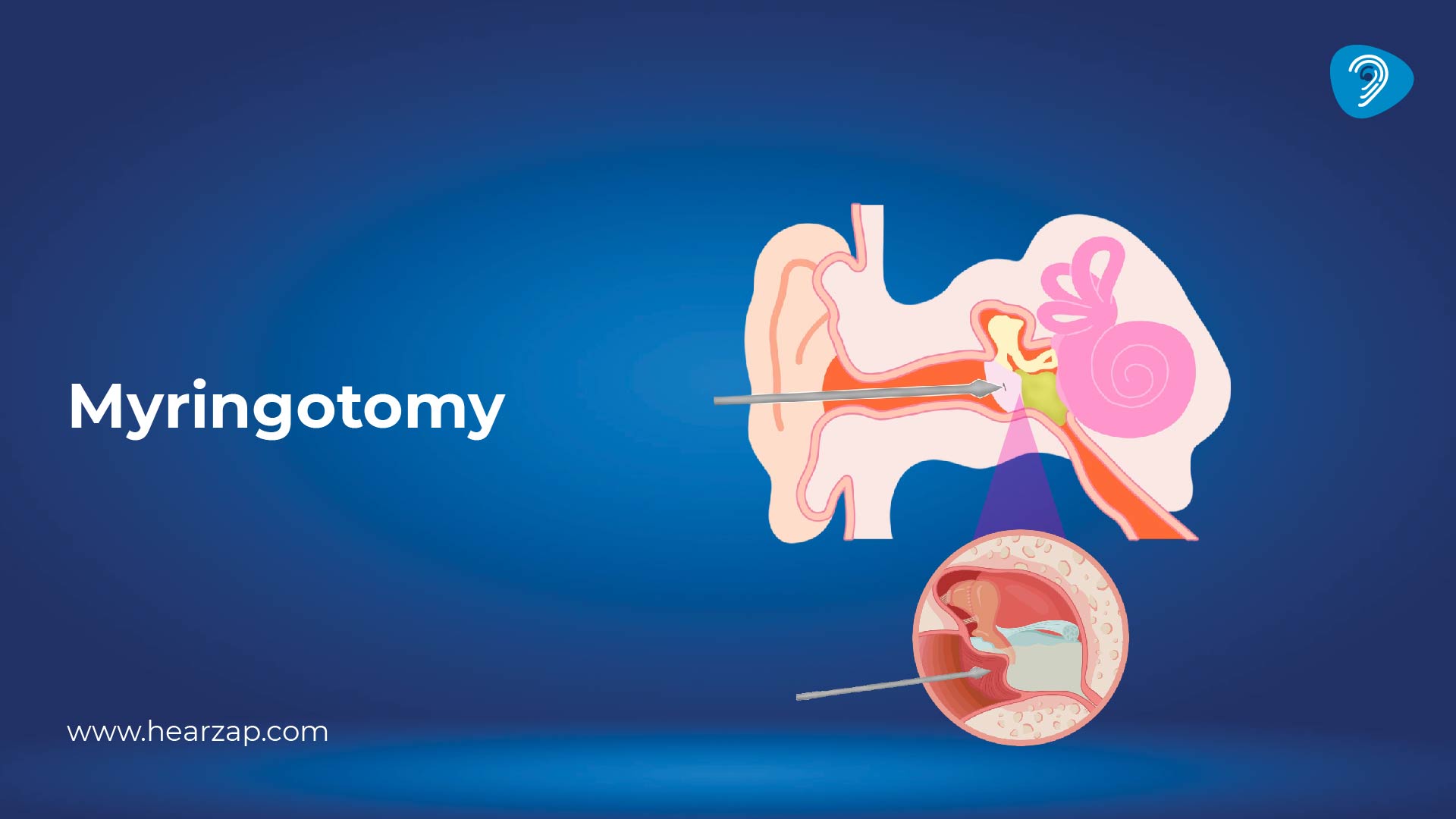
For people whose symptoms don't respond to lifestyle changes and medication, procedures such as steroid injections into the ear, surgical decompression of the fluid sac, or in severe cases, a treatment that selectively reduces the balance function of the affected ear, can provide significant and lasting relief.
Interestingly, the vertigo component of this condition often does ease over many years as the inner ear naturally "burns out." The concern is that by the time this happens, hearing loss may have accumulated — which is why early treatment matters.
Getting a Diagnosis
If you recognise yourself in these symptoms, see a doctor — ideally an ENT (ear, nose and throat specialist) or a neuro-otologist. Diagnosis involves a hearing test, balance assessments, and sometimes an MRI with a special dye that can actually show the fluid swelling inside the inner ear. There is no single definitive test, so your symptom history matters enormously.
The Bottom Line
Endolymphatic hydrops is not a life-threatening condition, but it can be deeply life-disrupting. The spinning, the muffled hearing, the unpredictability — it takes a real toll. The good news is that with the right diagnosis, most people can gain meaningful control over their symptoms. Understanding what's happening inside your ear is the first step toward taking that control back.
FAQs
What is endolymphatic hydrops?
A condition where excess fluid builds up in the inner ear, causing pressure that can affect hearing and balance.
Can endolymphatic hydrops be cured?
There is no permanent cure, but symptoms can be effectively managed with treatment and lifestyle changes.
Does endolymphatic hydrops go away?
It may improve or go into remission for some people, but it can also recur over time.
How long does endolymphatic hydrops last?
The duration varies, with symptoms lasting from hours during episodes to a long-term condition that requires ongoing management.

Contact us
We are here for all your hearing needs, from hearing tests to hearing aids. Fill out the form below, and we will give you a call soon.
Recent Blogs
By None | March 16, 2026
By None | March 13, 2026
By None | March 12, 2026
By None | March 11, 2026
By None | March 10, 2026