Generic
Middle Ear Ache: What the Pain Indicates and When Medical Care Is Needed
By Team Hearzap | Jan. 27, 2026
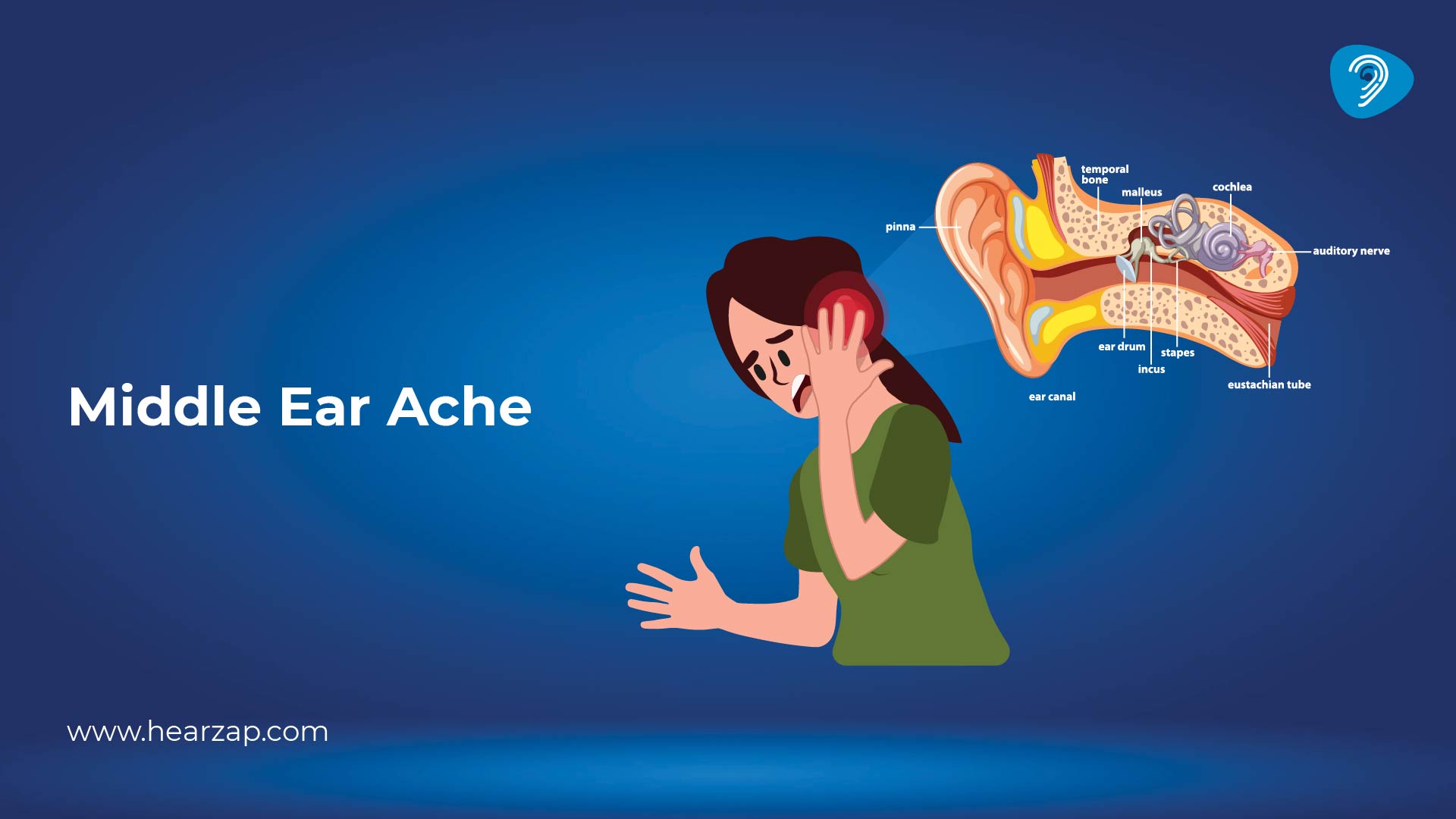
Ear pain can throw off your whole day. Sleep becomes patchy, chewing hurts, and the head feels “heavy”. A middle ear ache usually feels deep and pressurised because the pain comes from the space behind the eardrum. In India, it often appears during viral colds, seasonal allergies, sinus flare-ups, and travel with quick altitude changes.
Children get it more often because their Eustachian tubes are shorter and block easily, but adults can get it too, especially with nasal congestion, smoke exposure, or frequent air travel. You may also notice a blocked ear, reduced hearing, or pain that spikes while swallowing.
The key is reading the message behind the pain. Sometimes it is only pressure and trapped fluid that settles in a day or two. Sometimes it signals infection, pressure injury, or a complication that needs medical care. This guide explains what a middle ear ache is, common causes, warning symptoms, and when to see a doctor.
What Is a Middle Ear Ache?
Your ear has three parts: the outer ear (ear canal), the middle ear (air-filled space behind the eardrum), and the inner ear (hearing and balance). The middle ear contains three tiny bones that pass sound vibrations onwards. It connects to the back of the nose through the Eustachian tube, which helps equalise pressure and drain natural fluid.
When the Eustachian tube is blocked, often from swelling due to a cold or allergy, pressure builds behind the eardrum. That pressure creates a middle ear ache that can feel like:
- A dull, deep throb
- A tight, blocked sensation
- Sharp pain that worsens at night
- Discomfort while swallowing or chewing
Outer ear pain is different. It often increases when you tug the ear or press the small bump at the ear opening. Middle ear pain tends to feel “inside” rather than on the skin.
Common Causes of Middle Ear Ache
Most causes come back to one problem: the middle ear cannot ventilate or drain properly. Common triggers include:
- Viral cold or flu causing nasal congestion
- Allergic rhinitis causing swelling and mucus
- Sinus inflammation increasing pressure
- Fluid build-up after a cold (even without fever)
- Pressure changes during flights or hill travel
- Enlarged adenoids in children
Pain can also be referred from the jaw joint or teeth, but if the ear feels blocked and hearing changes, the middle ear is often involved.
Middle Ear Infection
A middle ear infection (acute otitis media) often follows a cold. Swelling blocks the Eustachian tube, fluid collects behind the eardrum, and germs multiply in that trapped fluid. These middle ear infections are especially common in young children, but adults can get them too, often after severe congestion.
Typical signs include:
- Sudden, intense ear pain
- Fever, especially in children
- Reduced hearing or a heavy, blocked sensation
- Ear pulling, irritability, or poor sleep in toddlers
- Fluid discharge if the eardrum tears (pain may briefly ease)
Not every earache is infection, but infection is a key reason a middle ear ache becomes severe.
Symptoms That Indicate a Middle Ear Infection
A congested ear can hurt, but infection is more likely when symptoms are stronger, last longer, or come with illness. Watch for:
- Pain that is moderate to severe, often worse at night
- Fever, chills, or feeling unwell
- Ear fullness with increasing pressure
- Muffled hearing, ringing, or a “cotton in the ear” feeling
- Fluid or pus discharge from the ear
Differences in children and adults:
- Children may have fever, vomiting, ear tugging, and reduced appetite.
- Adults may have fewer fever symptoms but more obvious hearing changes.
Red flags that deserve urgent attention:
- High fever or pain that feels unbearable
- Swelling behind the ear or the ear sticking out
- Severe dizziness, vomiting, or imbalance
- New hearing loss in one ear
- Persistent discharge, bad smell, or blood
If any of these appear, do not wait it out.
Middle Ear Infection Medicine
Treatment depends on what your doctor sees and how severe the illness is. Many early cases are viral, so the first focus is pain control and monitoring. Bacterial infection is more likely when the fever is high, the pain is severe, discharge is present, or the symptoms persist.
A doctor may recommend:
- Pain relief medicines to reduce pain and fever
- Antibiotics when bacterial infection is suspected
- Treatment for nasal blockage when appropriate
- Follow-up advice, especially for young children
The goal of middle ear infection medicine is not only comfort; it also lowers the risk of spread and ongoing fluid that can affect hearing. If antibiotics are prescribed, complete the full course even if you feel better quickly.
Avoid self-prescribing:
- Do not use leftover antibiotics.
- Do not put ear drops into the ear unless advised, especially if there is discharge.
If pain improves but the ear still feels blocked, it may be lingering fluid rather than active infection, and your doctor may monitor it.
Home Remedies for a Middle Ear Infection
Many people try comfort measures when they have mild symptoms or when medicines start working. Home remedies for a middle ear infection should be safe, gentle, and focused on easing pressure.
Supportive options that may help:
- Warm compress on the ear for 10–15 minutes
- Steam inhalation or a warm shower for nasal blockage
- Saline nasal spray to clear the nose gently
- Warm fluids, hydration, and rest
- Sleeping with the head slightly elevated
- For older children and adults: swallowing, yawning, or chewing to equalise pressure
What to avoid:
- Ear candling
- Pouring oils or “home drops” into the ear canal
- Any drops if you suspect a tear in the eardrum (discharge, sudden pain relief, or a hearing drop)
For more mild-comfort ideas, read medically reviewed guidance on home remedies for ear infections and earaches, and stick to measures that do not involve inserting anything into the ear.
When Should You See a Doctor for a Middle Ear Ache?
A short-lived ache during a cold can settle, but certain patterns suggest you need medical care.
See a doctor if:
- Pain lasts more than 48-72 hours
- Fever is high, or returns after improving
- You notice pus, watery fluid, or blood from the ear
- Hearing becomes noticeably reduced
- You have dizziness, severe headache, or face weakness
- The person is a child under two, or infections keep repeating
If you are unsure, it is better to book appointment early than to wait until pain becomes severe.
How Middle Ear Aches Are Diagnosed
Diagnosis starts with your history: recent cold, allergy flare, flight travel, fever, discharge, and hearing change. Then the ear is examined with an otoscope to look for redness, bulging, fluid levels, or a tear in the eardrum.
If episodes are frequent, your doctor may also look for allergy triggers, sinus disease, or structural blockage that keeps fluid from draining.
Your doctor may also:
- Check the nose and throat for congestion and post-nasal drip
- Use tympanometry to see if fluid is trapped behind the eardrum
- Recommend a hearing test if hearing remains reduced after the pain settles
If hearing issues persist after treatment, appropriate support can be discussed. Some people prefer to buy hearing aids online, but it is safest to choose a device after proper testing and fitting advice.
Can Middle Ear Aches Be Prevented?
You cannot avoid every cold, but you can reduce risk. For babies, breastfeeding and avoiding bottle-feeding while lying down can further reduce ear blockage risk further.
- Manage colds and allergies early to keep the Eustachian tube open
- Wash hands regularly in homes with school-going children
- Avoid cigarette smoke and indoor air pollution
- Keep vaccinations updated; ask your doctor about influenza shots
- During flights, swallow or chew during take-off and landing
Conclusion
A middle ear ache can be simple pressure from a cold, or it can be a sign of infection that needs attention. Notice the pattern: how long it lasts, whether fever or discharge is present, and whether hearing changes are getting worse. Use safe comfort steps, but do not delay care when symptoms are intense or persistent. With timely assessment, the right middle ear infection remedies, and appropriate treatment, most people recover fully and protect their hearing.
FAQs
What causes a middle ear ache?
Most commonly, the Eustachian tube blocks during a cold, allergy flare, or sinus problem. Pressure builds behind the eardrum, fluid may collect, and infection can develop.
How do I know if my middle ear ache is due to an infection?
Infection is more likely if pain is moderate to severe, lasts beyond two days, or comes with fever, discharge, or worsening hearing. Children may show irritability and sleep disturbance.
Can middle ear ache be treated with medicine?
Yes. Pain relief medicines can reduce discomfort and fever. Antibiotics may be needed when bacterial infection is suspected or when symptoms are severe.
Are there home remedies for a middle ear infection?
Warm compresses, steam for nasal congestion, saline spray, rest, and fluids can ease symptoms. Avoid putting substances into the ear unless advised.
When should I see a doctor for a middle ear ache?
If pain lasts more than 2–3 days, fever is high, discharge occurs, dizziness develops, or hearing reduces noticeably, seek medical care.
What are some effective middle ear infection remedies at home?
Supportive care, such as warm compresses, hydration, steam, and rest, can help mild cases. If symptoms worsen or do not improve quickly, consult a doctor.
Related Blogs
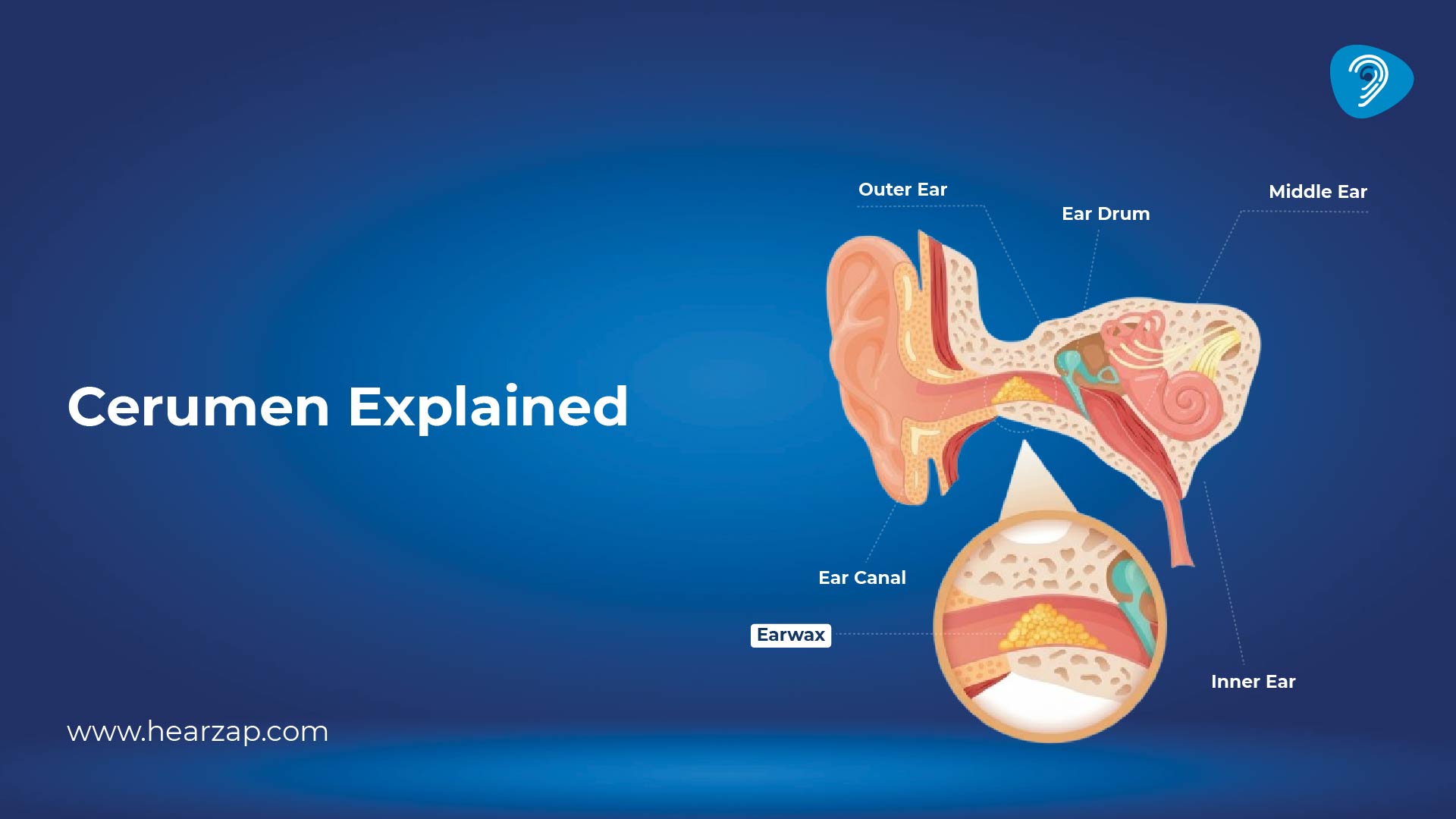
Cerumen (Earwax) Explained: Why Your Ears Produce It and When It Needs Attention
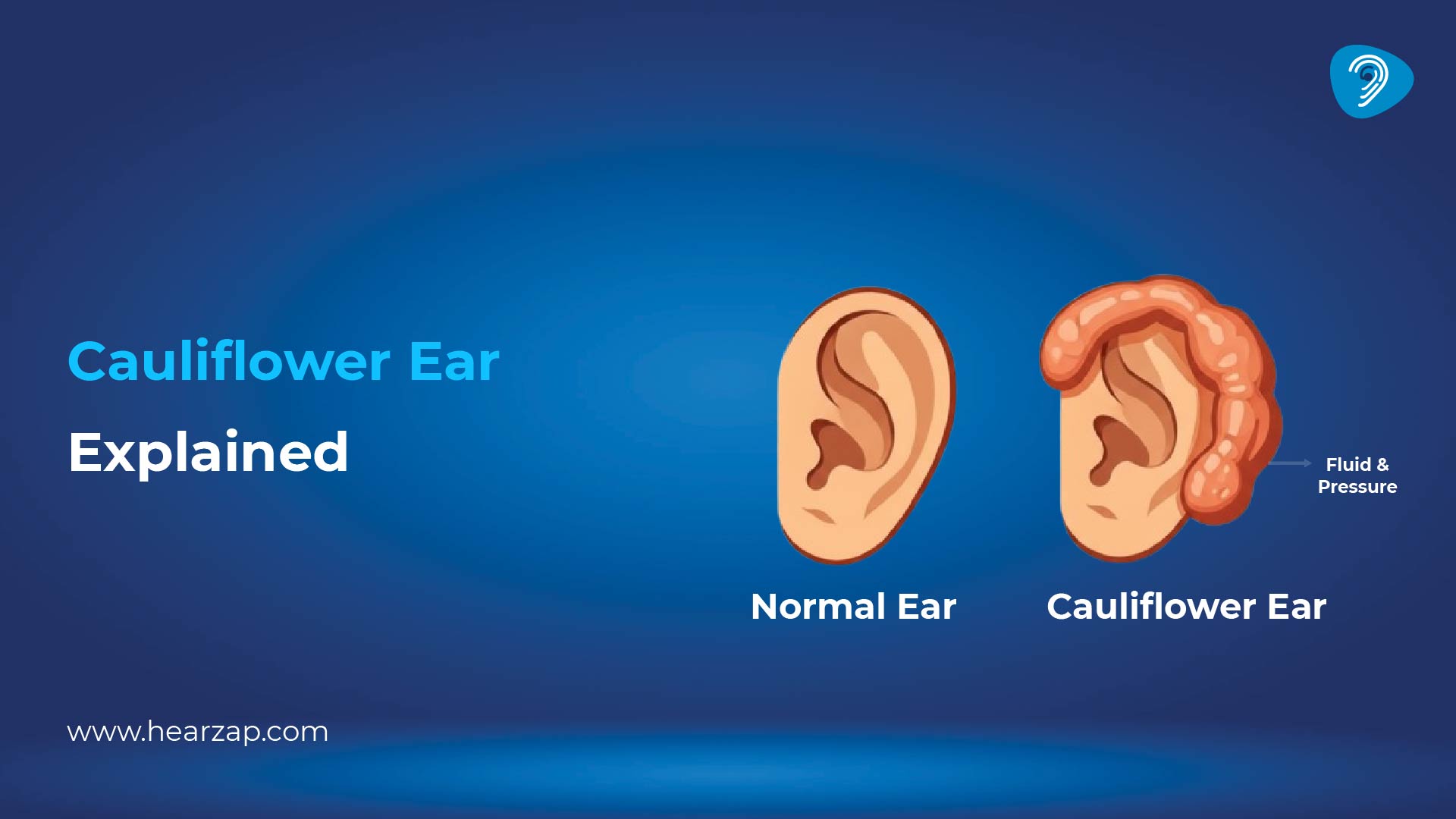
Cauliflower Ear Explained: Why It Happens and How to Prevent It
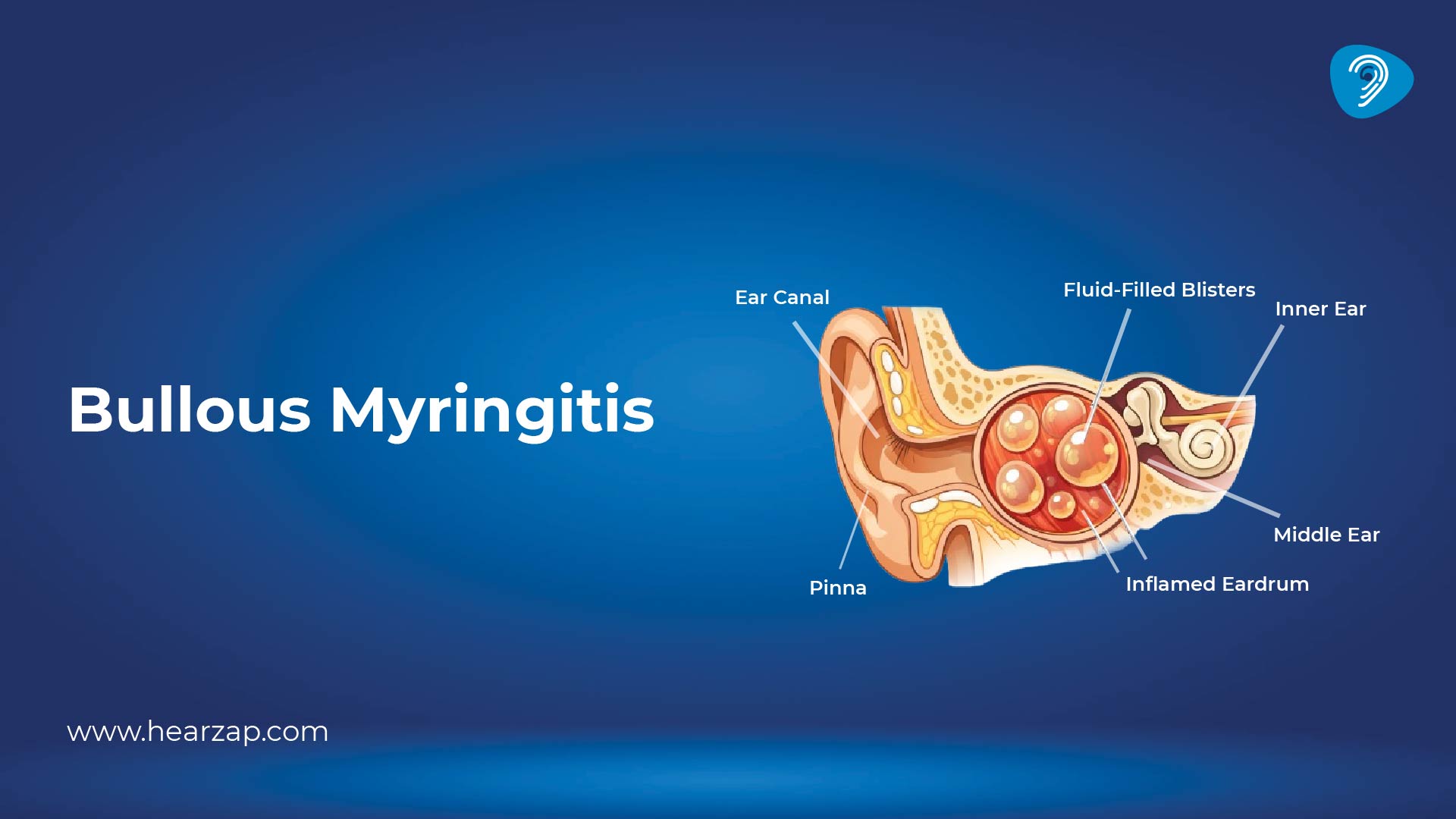
Bullous Myringitis: A Painful Ear Infection That Affects the Eardrum
Misophonia: When Certain Sounds Feel Impossible to Ignore
Pendred Syndrome: A Genetic Condition That Affects Hearing and the Thyroid

What Is the Acoustic Reflex?
Contact us
We are here for all your hearing needs, from hearing tests to hearing aids. Fill out the form below, and we will give you a call soon.
Recent Blogs
By None | March 13, 2026
By None | March 12, 2026
By None | March 11, 2026
By None | March 10, 2026
By None | March 9, 2026