Generic
Turbinate Hypertrophy
By Team Hearzap | Dec. 22, 2025
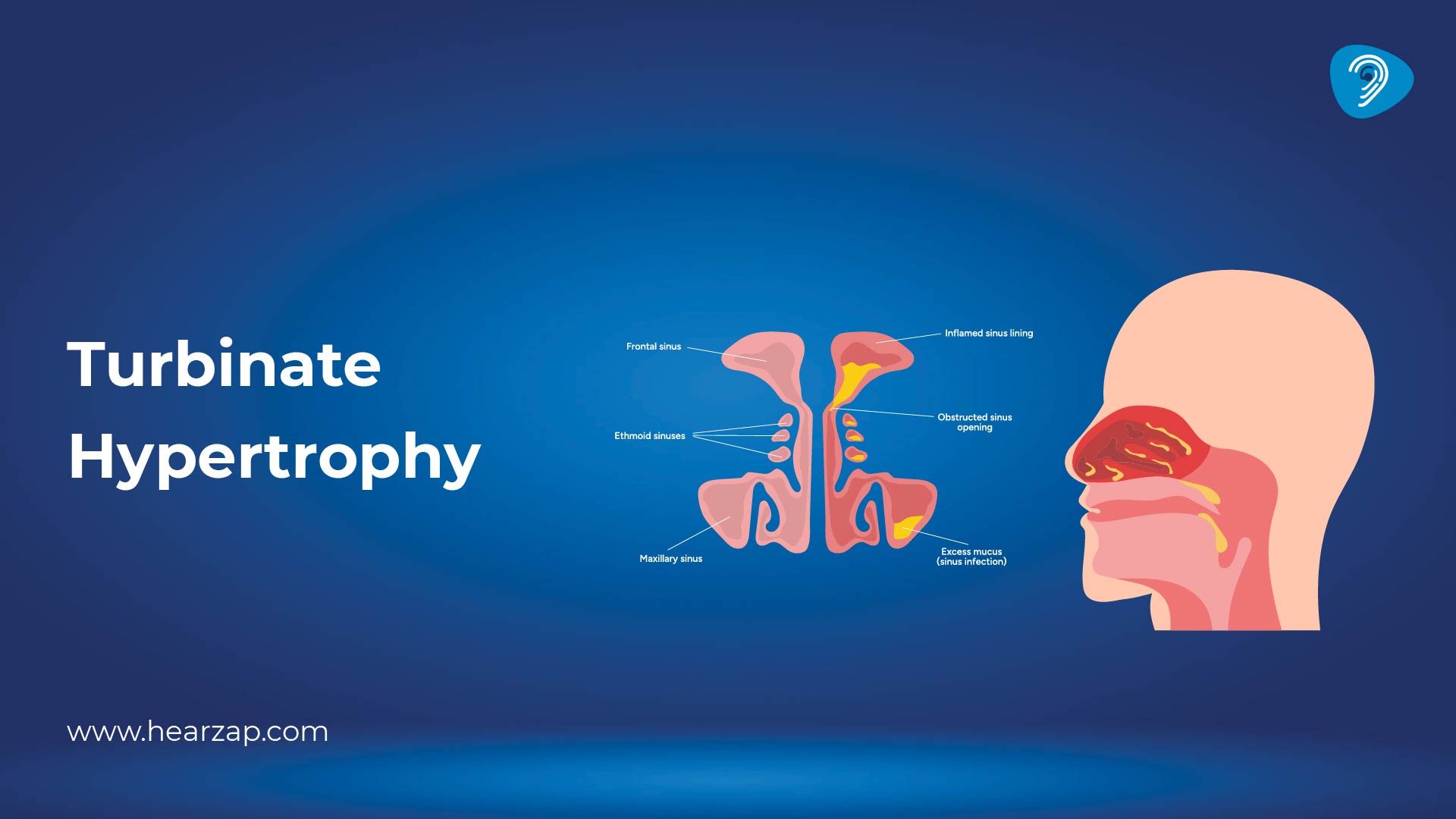
Turbinate Hypertrophy: When a Blocked Nose Becomes a Daily Struggle
If your nose feels blocked almost all the time, it can quietly take over your life. You breathe through your mouth without realising it. Sleep feels light and unrefreshing. Even a simple walk or workout leaves you short of breath.
Many people assume this is just allergies, pollution, or weak sinuses. But for a large number of patients, the real reason is turbinate hypertrophy — a condition that doesn’t get talked about enough, yet affects breathing every single day.
What Are Turbinates and Why Do They Matter?
Your nose contains soft, curled structures known as turbinates. Three turbinates are placed on each side, and they serve a purpose.
Turbinates perform the following job:
- Heat the inhaled air
- Provide moisture so the nasal cavity remains moistened
- Clean dust, bacteria, and allergens
The inferior turbinate is the largest and most significant of all. Under normal conditions, breathing seems like no effort at all. However, when it becomes swollen for an extended time, then the airflow becomes limited — and that’s where the troubles start.
What Exactly Is Turbinate Hypertrophy?
Turbinate hypertrophy means the turbinates have become enlarged and remain that way. Unlike swelling from a cold, this doesn’t settle on its own.
Doctors also call this hypertrophy of nasal turbinates, which simply means the tissue has grown thicker or more congested over time. The result is a constant feeling of nasal blockage, even when there is no mucus or infection.
This is why many people say their nose feels blocked, but nothing comes out.
Inferior Turbinate Hypertrophy and Breathing Difficulty
Inferior turbinate hypertrophy is the most common form seen in ENT clinics. Because these turbinates sit low in the nose, even mild enlargement can make breathing feel restricted.
Some patients are told they have bilateral inferior turbinate hypertrophy, meaning both sides are enlarged. This often causes:
- Persistent nasal congestion
- Mouth breathing at night
- Snoring or disturbed sleep
- Daytime fatigue
Others may have swelling on just one side.
When Only One Side Feels Blocked
If you constantly feel blocked on one side of the nose, your report might mention:
- Hypertrophied right inferior turbinate
- Right inferior turbinate hypertrophy
This explains why one nostril feels more open than the other. Often, this happens alongside a deviated nasal septum. When the septum shifts to one side, the turbinate on the opposite side enlarges to compensate for airflow imbalance.
The body tries to adapt, but over time, this compensation causes symptoms.
Why Does Turbinate Hypertrophy Develop?
There is rarely a single cause. Most patients develop turbinate hypertrophy gradually due to repeated irritation or inflammation.
Common triggers include:
- Long-standing allergies
- Frequent colds or sinus infections
- Pollution or smoke exposure
- Hormonal changes
- Overuse of nasal decongestant sprays
- A deviated nasal septum
In many cases, people don’t realise their turbinates have been swollen for years.
Symptoms People Often Ignore
Turbinate hypertrophy doesn’t usually cause sharp pain. Instead, it causes slow, persistent discomfort that people adapt to.
Common symptoms include:
- Feeling blocked even without a cold
- Difficulty breathing through the nose
- Mouth breathing while sleeping
- Snoring or poor sleep quality
- Head heaviness or pressure
- Reduced sense of smell
- Feeling worse at night or while lying down
Because these symptoms develop gradually, many people delay seeing a doctor.
How Doctors Diagnose Turbinate Hypertrophy
An ENT specialist can usually identify turbinate hypertrophy during a simple nasal examination.
Diagnosis can include:
- Nasal inspection with illumination
- Nasal endoscopy for an even clearer view
- Allergy tests if required
- A CT scan if sinus infection is indicate
One of the doctor's measure is to determine whether the turbinate swelling is soft and reversible or firm and structural; this is very helpful in deciding the appropriate treatment.
Treatment Options
The duration and, most importantly, the condition that caused the swelling are the factors considered in determining treatment.
Medical Treatment
Most of the time, patients have the following treatments together:
- Hormonal nasal sprays to remove swelling
- Antihistamines for allergy-related swelling
- Saltwater rinses for soothing the nasal lining
- Staying away from the allergens that cause your problems
Medical treatment is effective when performed on early or mild stages of inferior turbinate hypertrophy.
Surgical Treatment
When medical therapy is ineffective, surgery is an option to be considered.
The modern approach to turbinate surgery has been to reduce the size of the turbinate but still retain its function. The techniques include:
- Turbinoplasty
- Radiofrequency ablation
- Submucosal resection
These methods are very safe, cause minimal damage, and their intention is only to re-establish natural airflow, not complete removal of the turbinate.
People with inferior turbinate hypertrophy on both sides often experience very large improvement after treatment.
Living With Turbinate Hypertrophy
The constant nasal obstruction has an effect not only on breathing but also on sleep, energy level, concentration, and general health. Many patients are not aware of the extent to which the condition is affecting them until they finally get a chance to breathe normally.
Once the turbinate hypertrophy is treated correctly:
- Sleep quality improves
- Mouth breathing becomes less frequent
- Snoring stops or gets quieter
- The person feels that breathing has become normal again
Timely intervention means no suffering for years.
Final Thoughts
Turbinate hypertrophy is a common but often missed cause of long-standing nasal blockage. Whether it presents as inferior turbinate hypertrophy, bilateral inferior turbinate hypertrophy, or a hypertrophied right inferior turbinate, the condition can quietly affect daily life.
The encouraging part is this: hypertrophy of nasal turbinates is treatable. With the right evaluation and care, most people experience lasting relief and a noticeable improvement in quality of life.
If breathing through your nose has felt difficult for months or years, it may be time to look beyond allergies and ask what’s really happening inside your nose.
FAQs
What is bilateral inferior turbinate hypertrophy?
It means the inferior turbinates on both sides of the nose are enlarged, causing ongoing nasal blockage and difficulty breathing through the nose.
What is hypertrophy of nasal turbinates?
It refers to long-term swelling or enlargement of the nasal turbinates, which narrows the airway and makes nasal breathing uncomfortable.
What is inferior turbinate hypertrophy?
This is when the lower turbinates inside the nose become chronically enlarged, reducing airflow and creating a constant blocked-nose feeling.
What is turbinate hypertrophy?
Turbinate hypertrophy is the abnormal enlargement of nasal turbinates that interferes with normal airflow and nasal breathing.
How to find turbinate hypertrophy?
An ENT specialist can diagnose turbinate hypertrophy by examining the inside of the nose, often using a small camera or nasal endoscope.
Related Blogs

Balance Problems: How Ears Play a Part
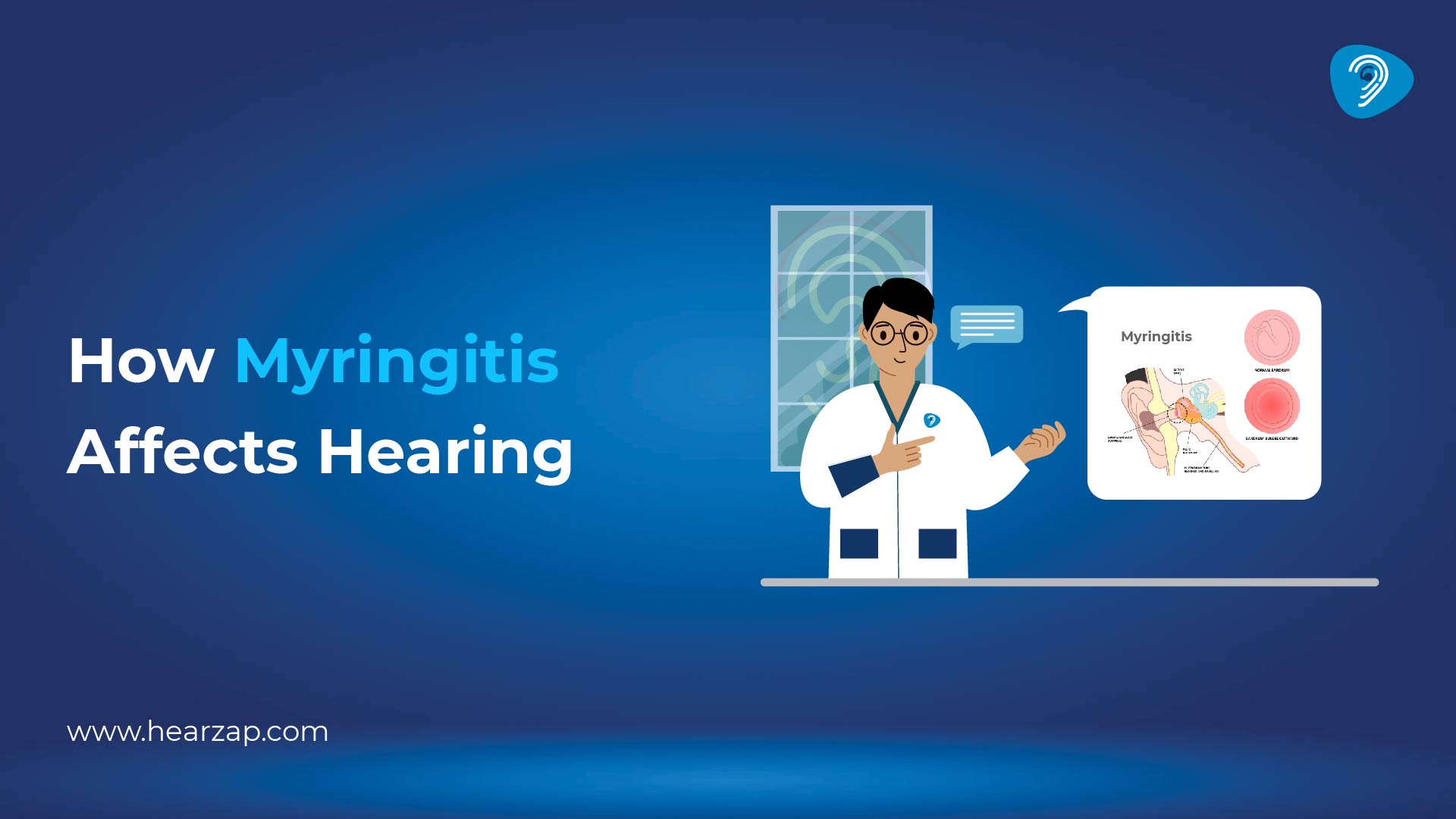
How Myringitis Affects Your Hearing and Recovery Timeline
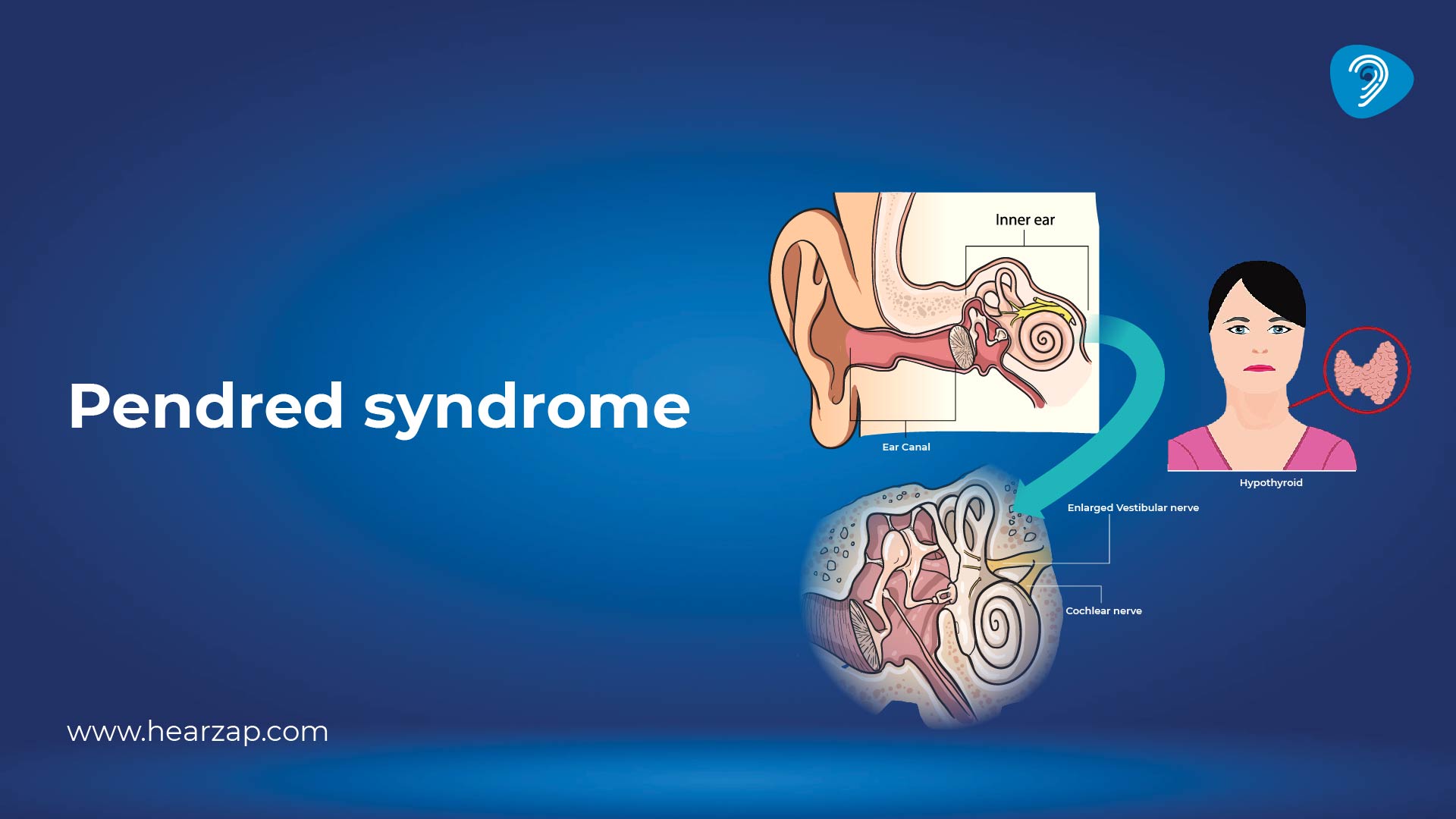
Pendred Syndrome: A Genetic Condition That Affects Hearing and the Thyroid

Microtia: Understanding a Condition That Affects the Ear from Birth
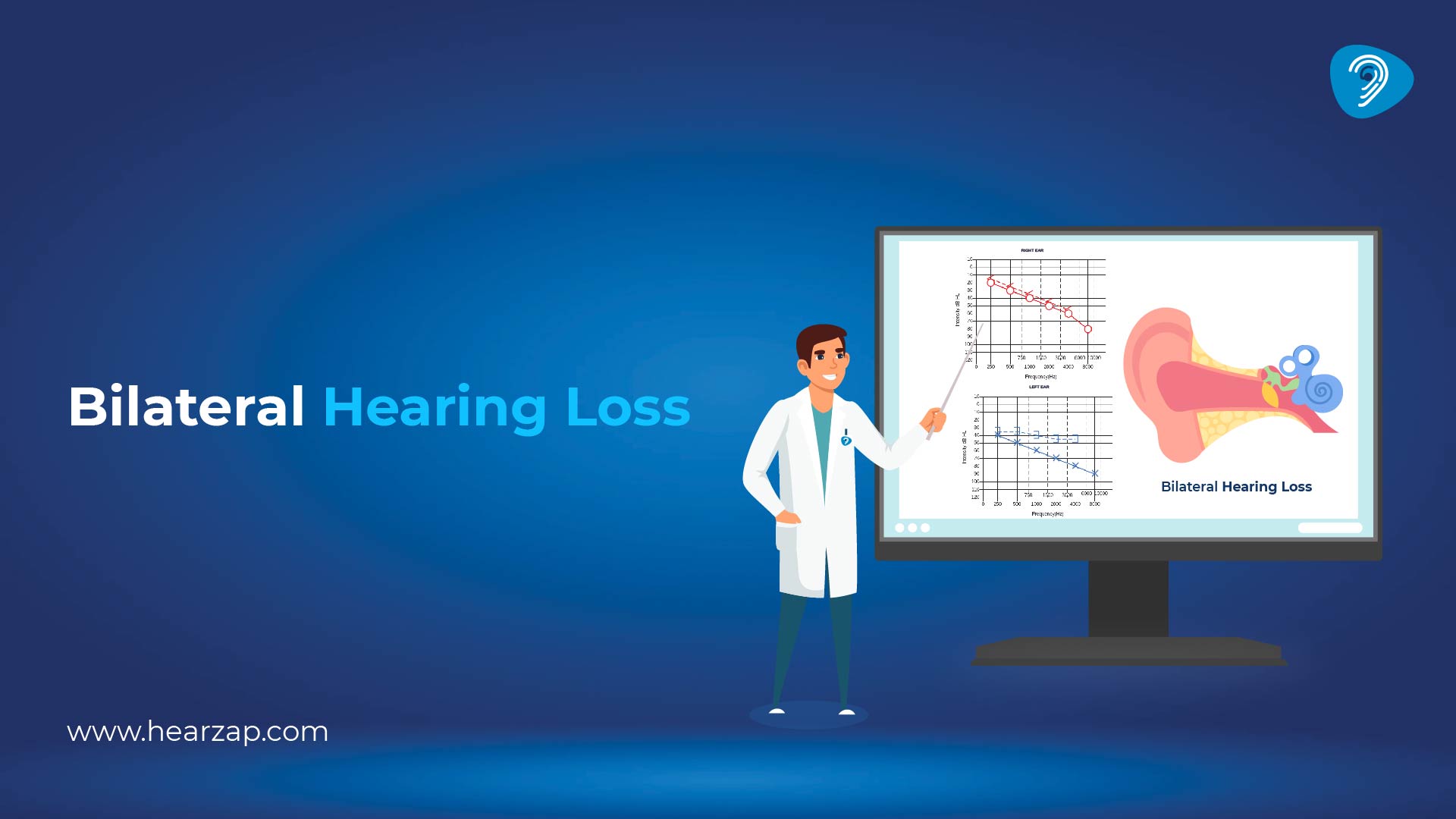
Bilateral Hearing Loss: Causes, Symptoms, and Treatment
Short Increment Sensitivity Index (SISI) Test: How It Works
Ototoxicity: How Certain Drugs Can Affect Your Hearing and Balance
Otomycosis: The Fungal Ear Infection You Shouldn’t Ignore
Rinnes Test
Contact us
We are here for all your hearing needs, from hearing tests to hearing aids. Fill out the form below, and we will give you a call soon.
Recent Blogs
By None | March 23, 2026
By None | March 18, 2026
By None | March 16, 2026
By None | March 13, 2026
By None | March 12, 2026