Generic
What Is the Acoustic Reflex?
By Team Hearzap | Dec. 27, 2025
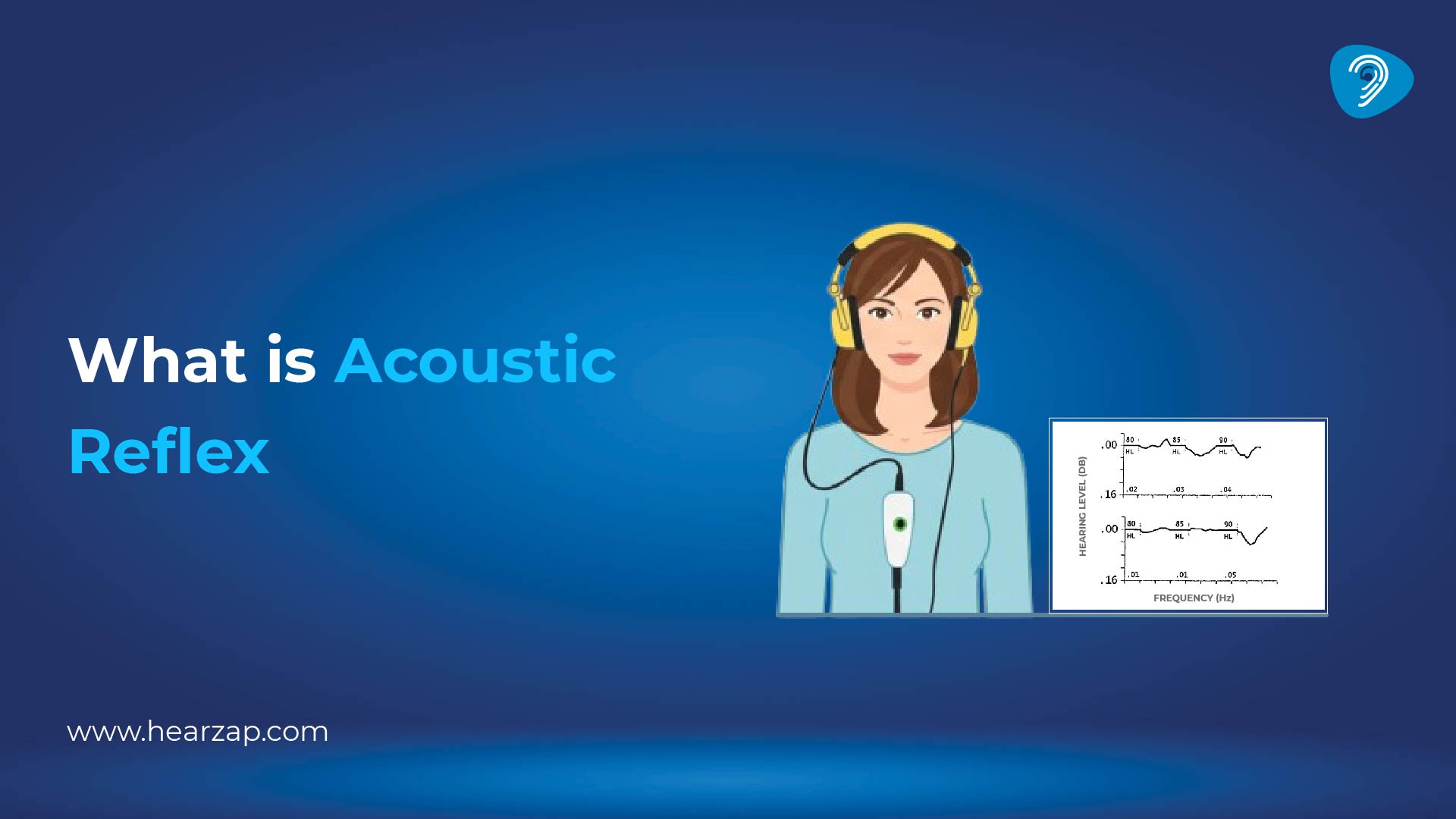
What Is the Acoustic Reflex? How Your Ears Protect Themselves
India is full of sound - honking traffic, festival drums, loudspeakers, and busy workplaces. In the middle of all this noise, your ears quietly work to keep hearing safe. One of their smartest safety features is the acoustic reflex, a tiny muscle reaction that briefly turns the volume down when sound becomes too loud.
Understanding this reflex can help you read your hearing reports, see why your specialist might order extra tests, and know when it is time to pay closer attention to your ears.
What Is the Acoustic Reflex?
The acoustic reflex is an automatic response of a small middle-ear muscle called the stapedius. When a sudden or steady sound crosses a particular loudness level, this muscle tightens and makes the chain of ear bones slightly stiffer. As a result, less sound energy reaches the inner ear.
This reflex has three main jobs:
- It protects delicate inner-ear structures from short bursts of loud sound, such as firecrackers or machinery.
- It reduces low-frequency background rumble so that speech becomes a little clearer.
- It gives the audiologist useful information about how the hearing nerve and lower brain pathways are working.
Because the response cannot be controlled or faked, it is very helpful when testing babies, young children, or adults who struggle to respond during a standard hearing test.
How the Acoustic Reflex Works: The Pathway Explained
For the reflex to work smoothly, many parts of the hearing system must act together in a split second. The acoustic reflex pathway links the outer ear, middle ear, inner ear, and brainstem in a rapid loop:
- Sound enters the ear canal and makes the eardrum vibrate.
- The vibration passes through the middle-ear bones to the cochlea.
- The cochlea converts the movement into electrical signals that reach the brainstem.
- The brainstem decides the sound is too loud and sends a message along the facial nerve.
- The stapedius muscle tightens and slightly reduces the sound reaching the inner ear.
This loop runs in well under a tenth of a second, fast enough to react to sudden loud noises such as crackers or drum beats.
Role of Middle Ear Muscles in the Reflex
Two small muscles help fine-tune sound in the middle ear. The stapedius is the key player; when it contracts, it pulls the stapes away from the oval window so it cannot move freely. The tensor tympani reacts more to chewing, swallowing, or your own voice.
Together, these muscles soften sudden sounds and stop your own voice from booming inside your head.
Acoustic Reflex Threshold: Why It Matters
The acoustic reflex threshold is the lowest sound level that reliably triggers the reflex. It is measured in decibels hearing level (dB HL) at a few key tones, usually 500, 1000, 2000, and sometimes 4000 Hz.
In healthy ears, thresholds often fall somewhere between about 70 and 100 dB HL. When thresholds are much higher than expected, or when the reflex is missing altogether, it may suggest problems such as middle-ear fluid, damage to inner-ear hair cells, or issues along the hearing nerve or brainstem.
Knowing the threshold helps the specialist match the reflex results with other tests, decide whether the problem is likely to be in the middle ear, inner ear, or nerve, and plan the safest frequency of hearing test for you in the future.
How Is the Acoustic Reflex Measured?
Before measuring the reflex, the ears are usually examined with otoscopy to check that the ear canal is clear and the eardrum looks healthy. Then a small rubber tip is placed in the ear canal and connected to an immittance device, which can measure how easily sound passes through the middle ear.
During acoustic reflex measurement, the device plays short sounds while monitoring tiny changes in the stiffness of the middle ear. When the stapedius contracts, the change appears as a small shift on the screen. Testing can be done in the same ear that hears the sound or in the opposite ear, which helps check both sides of the pathway.
The procedure is quick, safe, and does not require active responses, so it works well for babies, children, and adults.
Acoustic Reflex Test Interpretation
Professionals use acoustic reflex test interpretation patterns to decide what the results mean. They consider:
- Whether the reflex is present or absent in each ear.
- The sound level at which it appears.
- Differences between results when sound is presented to one ear or both.
By combining this information with pure-tone and speech tests, they can judge whether any problem is most likely in the middle ear, inner ear, or hearing nerve.
What Does It Mean When the Acoustic Reflex Is Absent?
Many people feel anxious when a report states acoustic reflexes absent or no acoustic reflex. The acoustic reflex absent meaning is that something along the reflex pathway is not behaving as expected, but it does not automatically mean permanent damage.
Common Causes of Absent Acoustic Reflexes
Key absent acoustic reflexes causes include:
- Conductive problems such as wax, ear infections, or middle-ear fluid.
- Inner-ear damage from long-term noise or ageing.
- Disorders of the hearing nerve or brainstem, including auditory neuropathy.
- Facial nerve problems that stop the stapedius from contracting.
Someone may still manage everyday listening quite well and yet have an absent reflex because the nerve signal is interrupted. In such situations, the audiologist looks at all test results, checks for signs of hearing loss, and usually suggests monitoring over time.
Acoustic Reflex in Otosclerosis
Otosclerosis is a condition in which new bone grows around the stapes and gradually reduces its movement. Because the stapedius works by pulling on this bone, testing the acoustic reflex in otosclerosis often shows absent or very elevated reflexes.
People with otosclerosis may notice slowly worsening hearing, difficulty in noisy gatherings, or mild imbalance that can be confused with other causes of vertigo. Reflex findings and other examinations together help the ENT specialist choose between watchful waiting, medicines, or surgery such as stapedotomy.
Acoustic Reflex Absent Treatment Options
There is no single acoustic reflex absent treatment, because the reflex is a sign rather than a disease on its own. Management focuses on treating the underlying cause and protecting long-term ear health.
Depending on the diagnosis, options may include:
- Medicines or minor procedures to treat middle-ear infection or persistent fluid.
- Surgery on the middle-ear bones when otosclerosis or other mechanical problems are confirmed.
- Modern hearing aids for stable changes that affect everyday communication.
- Advice on protecting the ears and ways to improve hearing naturally, such as reducing noisy exposures, staying active, and managing conditions like diabetes and high blood pressure.
The right plan will vary by person, age, lifestyle, and the kind of work they do.
When to See an Audiologist
You should think about professional help if you notice:
- Struggling to follow conversations, especially in crowds.
- Ringing, buzzing, or hissing in one or both ears.
- A sense of blockage or pressure that does not settle.
- Sudden changes in hearing or balance.
Regular checks are particularly important if you work in noisy places, often attend loud events, or have family members with ear disease. Early assessment allows smaller problems to be treated before they affect work, school, or social life, and reflex testing is one of the tools used to keep track of your hearing.
Conclusion
The acoustic reflex is a tiny muscle action with a big role in keeping your ears safe. By tightening the middle-ear muscles for a moment, it softens loud sounds and gives specialists a way to judge how well the hearing pathway is working.
Results from tympanometry, reflex testing, and standard hearing assessments are most useful when interpreted together. An absent or unusually weak reflex does not always mean a serious problem, but it is a clear sign that the system needs a closer look.
For people in India, where loud celebrations, traffic, and music are part of daily life, caring for hearing should be as routine as checking blood pressure or sugar. Paying attention to early warning signs and going for timely assessments can help you enjoy clear communication for many years. Small changes today prevent bigger problems tomorrow.
FAQs
Can you have normal hearing but no acoustic reflex?
Yes. Some people show nearly normal hearing on routine tests but still have no acoustic reflex on measurement. This situation can arise with disorders such as auditory neuropathy, early otosclerosis, or facial nerve problems. Even when day-to-day listening seems comfortable, such findings deserve careful follow-up so that any change is picked up early.
Is the acoustic reflex the same as the stapedius reflex?
In everyday use, yes. Both terms describe the same reaction: contraction of the stapedius muscle in response to a loud sound. Some textbooks use the phrase acoustic reflex pathway to emphasise the route from ear to brainstem and back, while others talk about the stapedius reflex to highlight the muscle involved, but they refer to the same protective mechanism.
Related Blogs
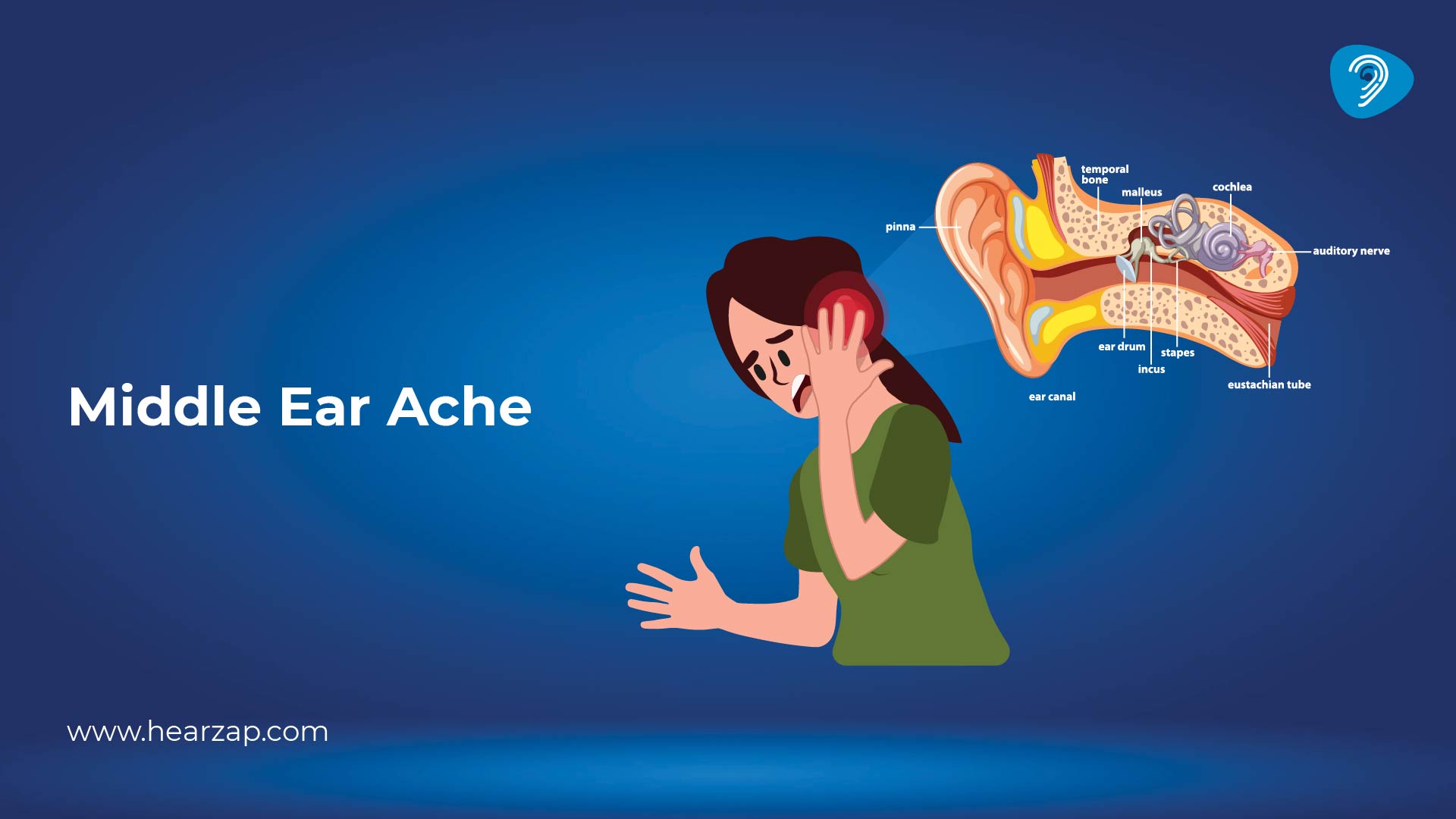
Middle Ear Ache: What the Pain Indicates and When Medical Care Is Needed
Misophonia: When Certain Sounds Feel Impossible to Ignore
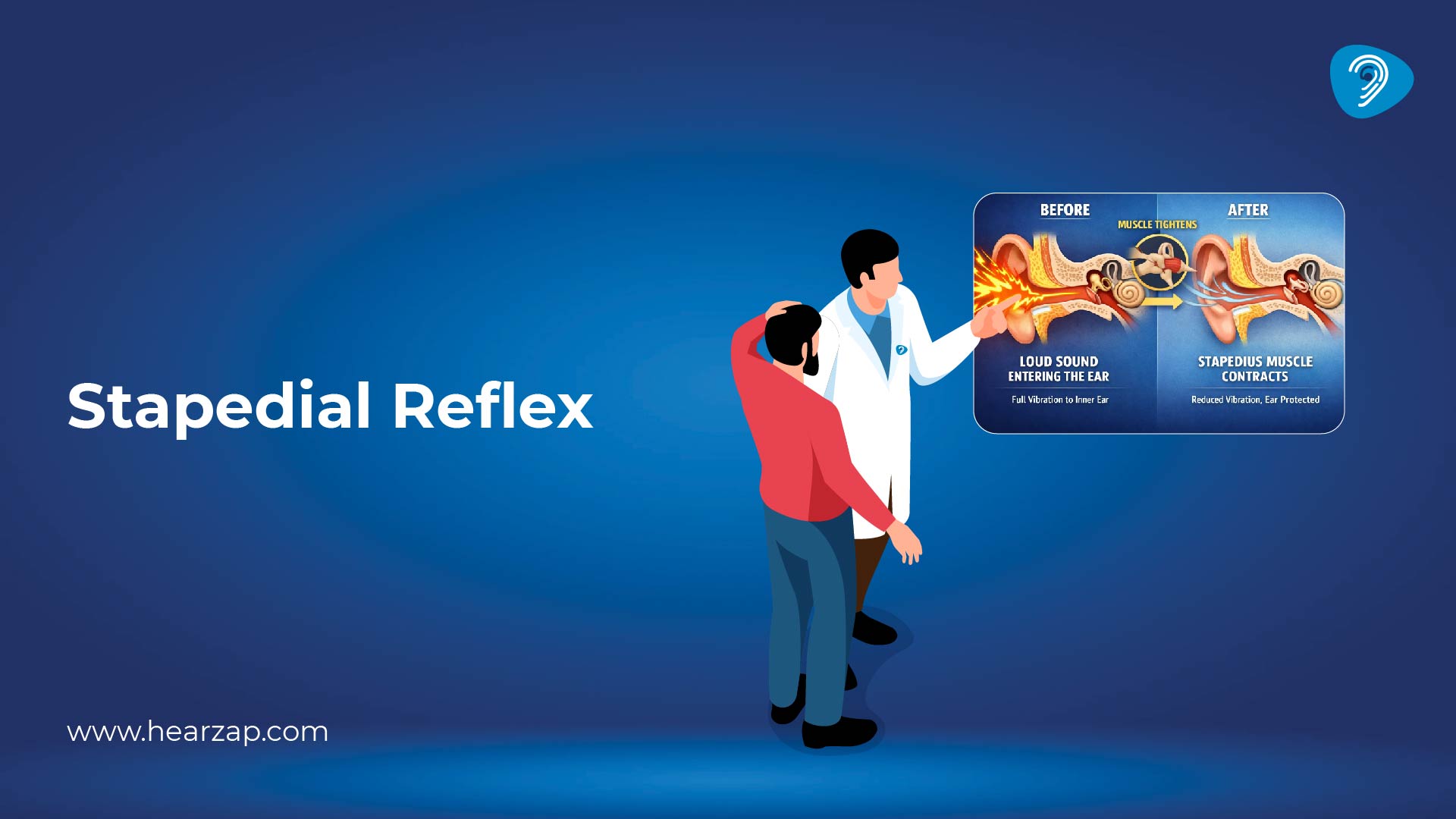
Stapedial Reflex
How Myringitis Affects Your Hearing and Recovery Timeline

Perichondritis: Symptoms, Causes & Care
Short Increment Sensitivity Index (SISI) Test: How It Works
Acoustic Neuroma
Contact us
We are here for all your hearing needs, from hearing tests to hearing aids. Fill out the form below, and we will give you a call soon.
Recent Blogs
By None | April 3, 2026
By None | April 2, 2026
By None | April 1, 2026
By Team Hearzap | March 31, 2026
By None | March 30, 2026