HEARING LOSS
Why the Speech Banana Matters for Children with Hearing Loss
By Team Hearzap | March 26, 2026
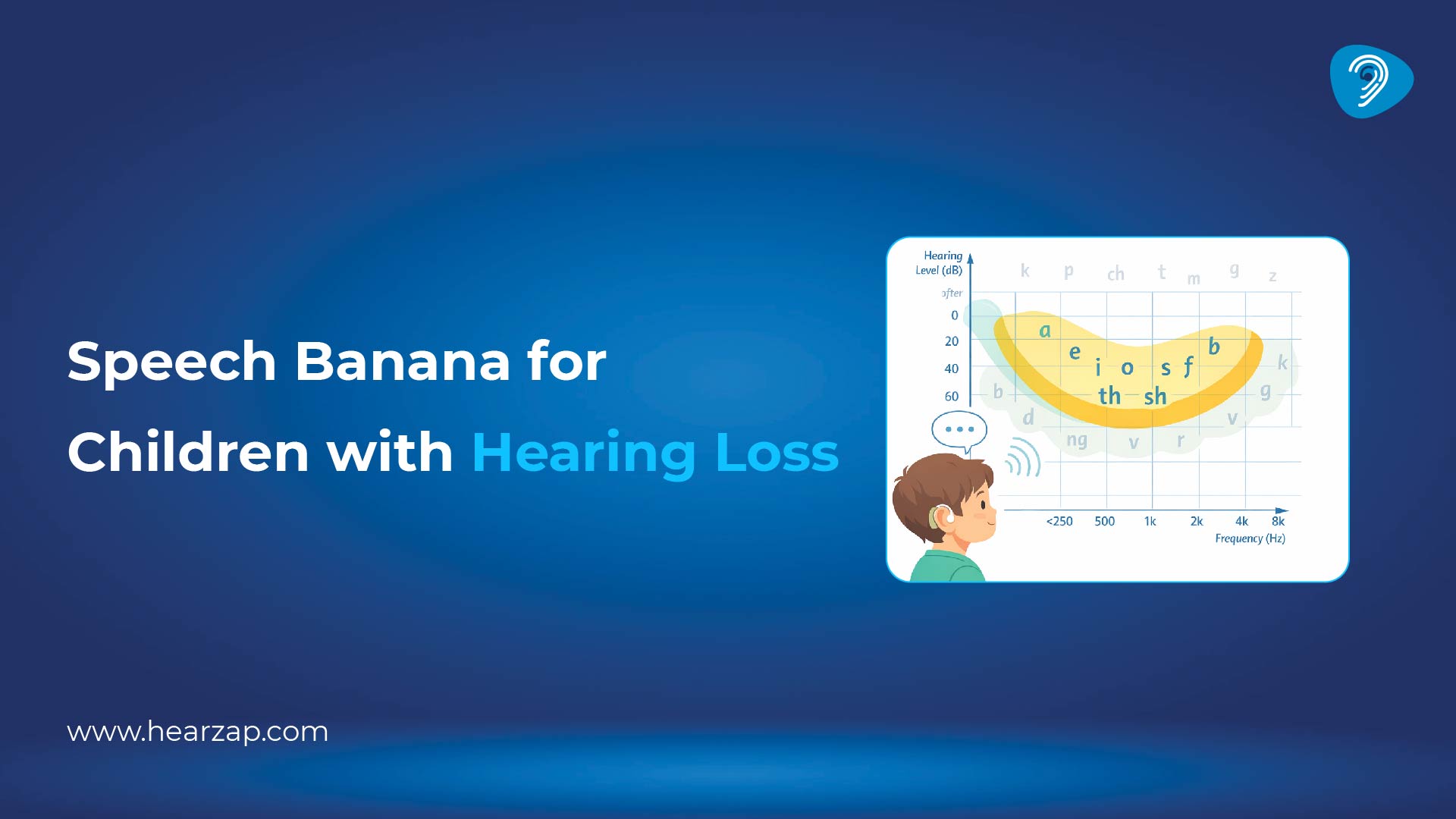
When your child has a hearing test, you often receive a chart that feels technical at first glance. The speech banana is a simple way to turn that chart into something you can relate to in daily speech. It is a visual guide that shows where most speech sounds sit on an audiogram, so you can connect test results with what your child may hear during conversation.
For children with hearing loss, this matters because learning to speak depends on hearing speech clearly and repeatedly. If certain sounds are not coming through, your child may still react to voices, but they might miss key parts of words. You may see this as almost right responses, unclear pronunciation, or a need for frequent repetition. These signs can be confusing, especially when your child seems to hear some things well.
Audiologists use the speech banana to understand which speech sounds your child can hear and which ones may be missing. If you have ever wondered what a speech banana is and why professionals refer to it so often, the short answer is that it supports clearer decisions about next steps. A proper evaluation can guide support that improves speech development and helps your child build stronger, clearer communication.
What is the Speech Banana?
In simple terms, the speech banana is a speech zone shown on an audiogram. An audiogram is the chart used in a hearing test to show what a person can hear at different pitches and loudness levels. This speech zone marks where most everyday speech sounds normally fall.
It is called a “banana” because this zone often appears as a curved shape on the audiogram. Speech sounds are not all equally loud. Some are softer, and some are stronger, so they spread across the chart in a curved band instead of a straight line.
The chart itself is organised with pitch on one side and loudness on the other. Your child’s hearing results are plotted on the same chart, which helps the audiologist quickly compare what your child can hear with the speech sounds they need, without you having to decode complex terms.
Most importantly, this zone represents the speech banana frequency range that supports language learning. When a child can access sounds within this range, it becomes easier to pick up word endings, copy pronunciation more accurately, and improve speech clarity.
Speech Banana and Hearing Loss
Hearing loss can make certain speech sounds harder to hear, even if your child seems to respond to loud sounds at home. Many children hear some parts of speech but miss other parts, especially softer details. This can lead to moments when your child appears to hear you but still struggles to understand exactly what was said.
This is where a speech banana audiogram becomes useful. Audiologists compare your child’s hearing levels with the speech zone on the chart. If a part of the zone falls outside what your child can access, it suggests speech sounds may not be reaching them clearly.
In simple terms, the audiologist is looking for gaps: places where your child’s hearing does not fully overlap with the speech zone. Those gaps help explain why certain words, sounds, or pronunciations may be harder for your child to learn. This speech banana hearing loss view also makes it easier to plan support that targets the right areas, rather than taking a guess.
This view is also a strong reminder about timing. Early detection helps you act early. That matters because speech and language develop quickly in childhood, and targeted support during these years can reduce avoidable gaps in speech-sound learning.
How Hearing Loss Impacts Speech Development
Different speech sounds can be affected depending on the hearing pattern. In many cases, children may hear stronger speech sounds more easily but struggle with softer sounds that add clarity to words. This can make it harder to tell similar words apart, or to hear the small sound changes that carry meaning.
The impact is not only about hearing sounds. It also affects learning and practising speech, because children learn by listening and copying. When some speech sounds are missing or unclear, you may notice challenges such as:
- Learning new words more slowly because the word does not sound complete.
- Mispronouncing words because the child cannot hear the sound they are trying to copy.
- Dropping parts of words, especially softer endings.
- Needing more repetition to understand instructions in daily life.
Over time, these gaps can affect confidence in speaking. That is why speech banana hearing loss mapping is used: it helps link the hearing result to what your child may be facing during speech learning.
Importance of the Speech Banana for Parents and Teachers
The speech banana is not only for clinicians. It also helps parents and teachers because it makes hearing results easier to understand and easier to act on. For parents, it helps you understand which sounds your child may struggle to hear.
Instead of wondering whether your child is ignoring you, you can recognise that some parts of speech may simply be less audible. This can shape how you speak at home and how you check understanding during daily routines.
For teachers, it guides classroom strategies for children with hearing loss. It encourages a supportive approach that focuses on access and clarity. Even small adjustments can help a child keep up with spoken instructions.
Here is what this understanding can lead to in day-to-day life:
- Parents can focus on clearer speech, face-to-face communication, and checking whether the child understood, not just whether they nodded.
- Teachers can keep instructions clear, reduce competing noise when possible, and support learning with visual cues along with spoken words.
- Families and schools can align on early intervention and targeted therapy so the child receives consistent support in both settings.
The tool also reinforces early intervention and targeted therapy for better outcomes. Once you know which speech sounds are harder to hear, therapy can focus on those areas, and practice can feel more purposeful. Along with professional help, consistent hearing care tips at home and school can support better listening habits and steadier progress.
How Hearzap Can Help
If you suspect hearing loss, start with a proper Hearing Test and a clear explanation of the report. Here is a simple step-by-step way to proceed:
- Get an audiogram done: An audiogram and hearing assessment show how your child hears across the speech zone and which speech sounds may be getting missed.
- Understand what the results mean for speech: The findings help map which sounds your child hears well and which may need support, so the plan matches your child’s real needs.
- Add therapy support if needed: If speech is unclear or delayed, speech therapy support can focus on listening skills and improving speech clarity in daily communication.
- Track progress with follow-ups: You can book appointment visits for regular check-ups to monitor changes and keep support aligned as your child grows and school needs change.
- Explore hearing device options when recommended: If devices are advised after assessment, some families choose to buy hearing aids online for convenience, while still ensuring test results guide the fitting and settings.
This step-based approach keeps things simple: test, understand, support, track, and adjust.
Conclusion
The speech banana is essential because it helps you understand how your child’s hearing links to speech development. It supports a clear picture of which speech sounds are accessible and which may need support, and it helps audiologists plan the next steps using a speech banana audiogram. Early detection and early intervention can make a meaningful difference for children with hearing loss.
FAQs
What is the speech banana?
The speech banana is a banana-shaped area on an audiogram that represents where common speech sounds usually fall. It helps link a child’s hearing results to the speech sounds needed for language development.
Why is the speech banana important for children with hearing loss?
It helps identify which speech sounds a child may not be hearing clearly. Once you know this, support can be planned to protect speech and language development and work towards improving speech clarity.
What does a speech banana audiogram show?
A speech banana audiogram shows how your child’s hearing levels compare with the typical speech sound area. It helps spot which parts of speech may be missing and where support is needed.
How does hearing loss affect speech development in children?
Hearing loss can make some speech sounds unclear or difficult to hear. This can affect how a child learns new words and how they pronounce them, especially when softer speech details are missed.
At what age should a child’s hearing be checked?
A child’s hearing should be checked as early as possible if you notice concerns with listening, responding to sound, or speech progress. Early checks help you identify issues sooner and support development at the right time.
Related Blogs
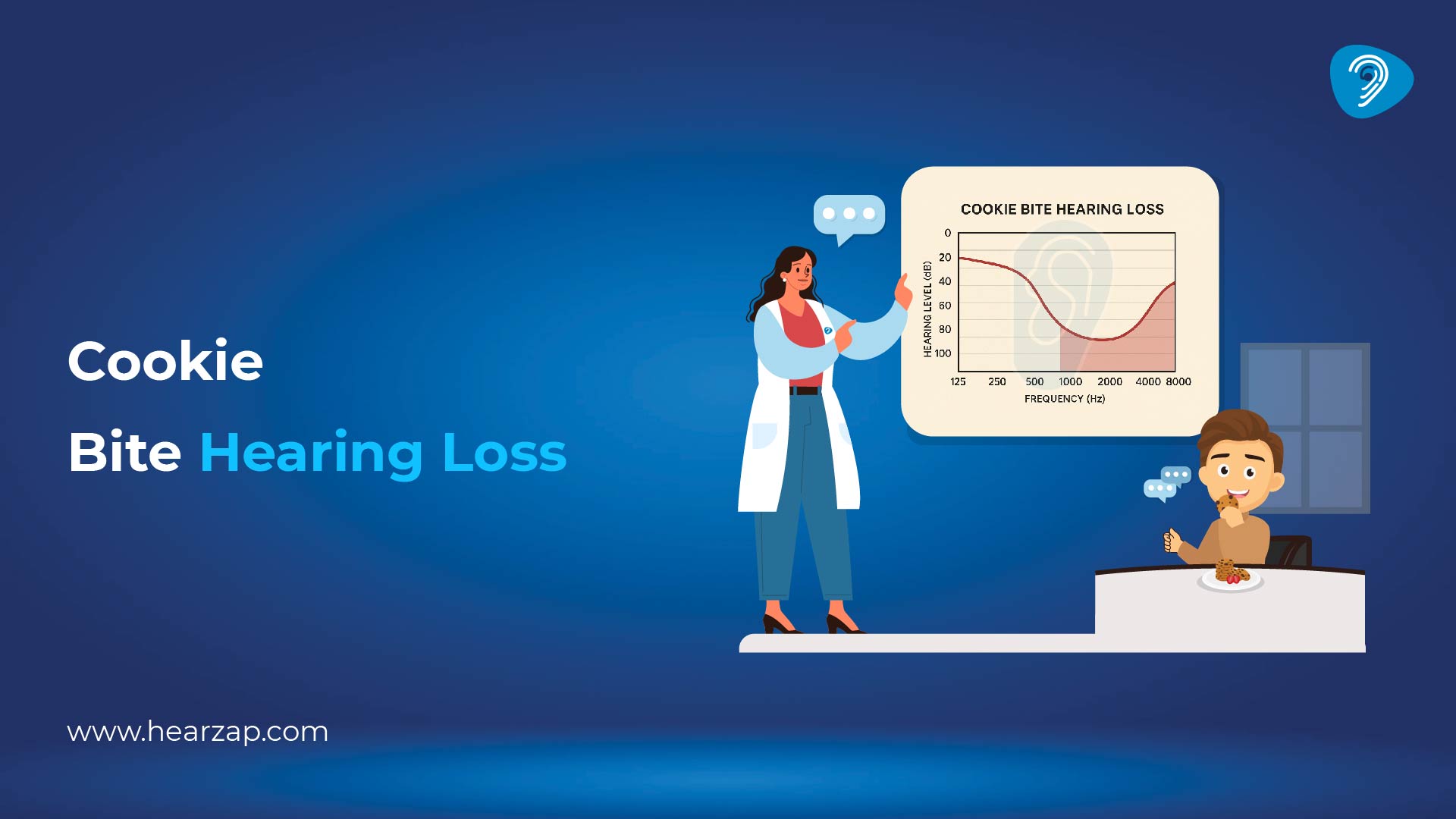
Cookie Bite Hearing Loss: Meaning, Causes, and Treatment Options
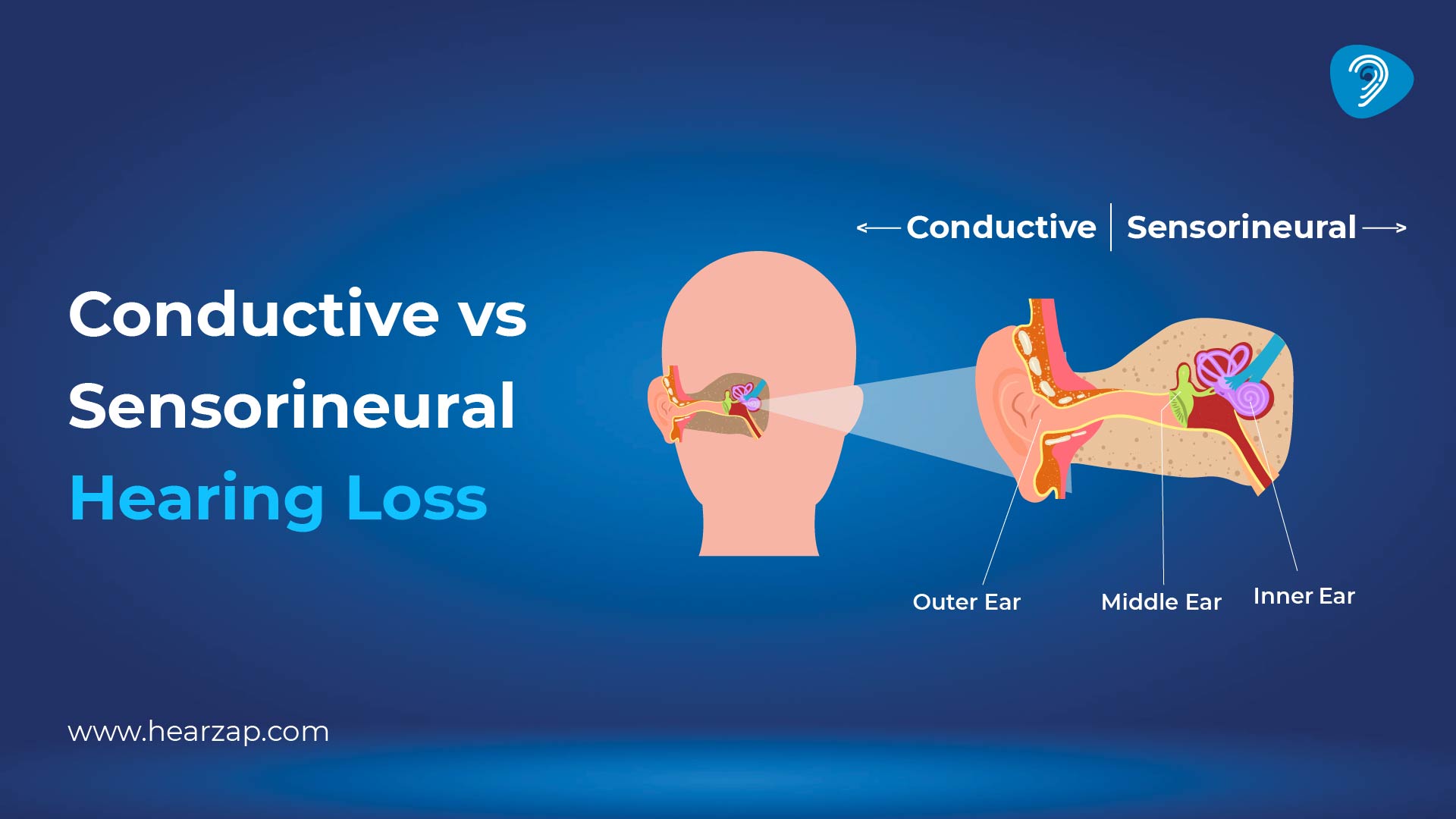
Conductive vs Sensorineural Hearing Loss: What’s the Difference?
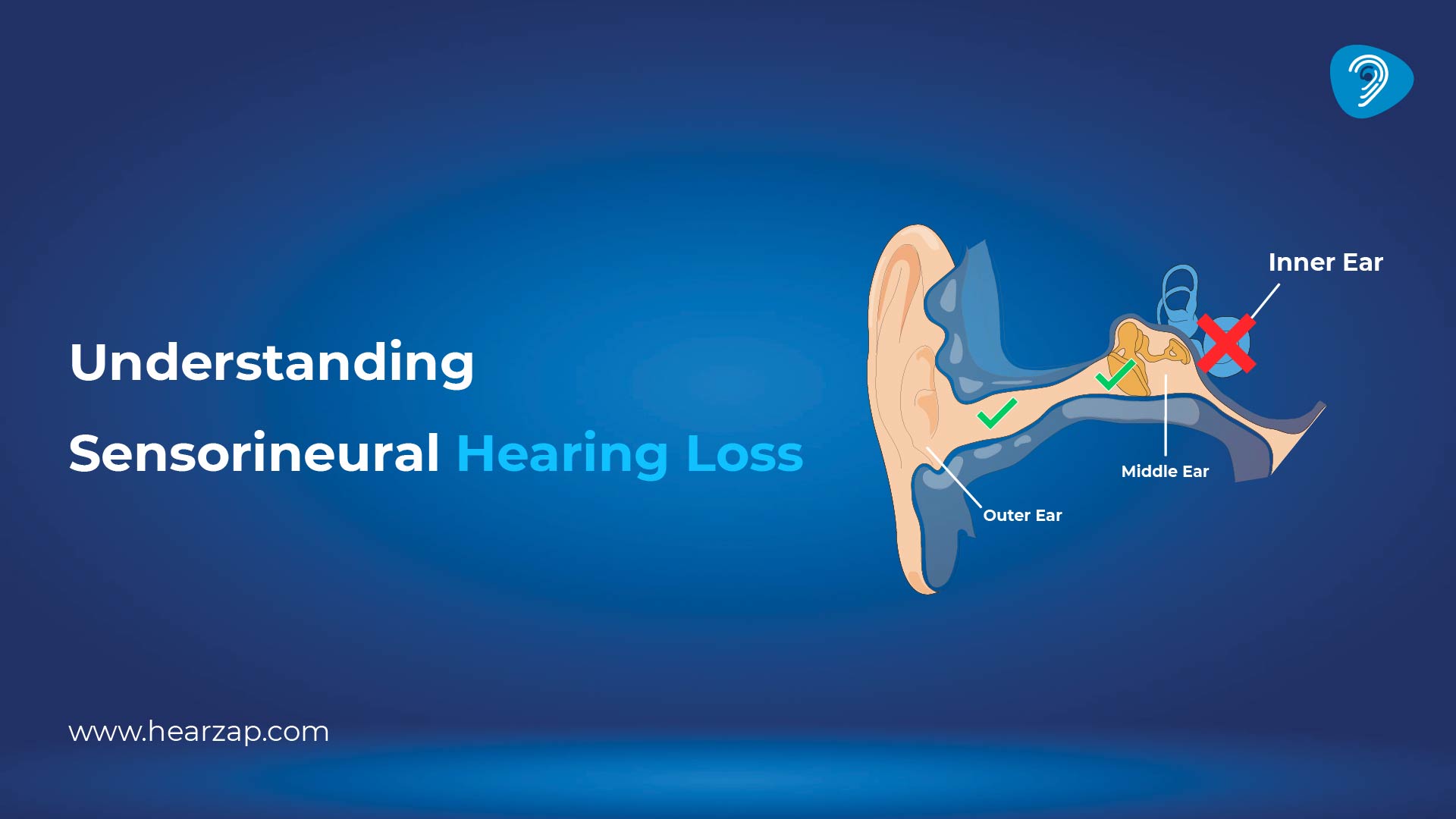
Sensorineural Hearing Loss: Symptoms, Causes & Treatment
Contact us
We are here for all your hearing needs, from hearing tests to hearing aids. Fill out the form below, and we will give you a call soon.
Recent Blogs
By None | March 25, 2026
By None | March 23, 2026
By None | March 18, 2026
By None | March 16, 2026
By None | March 13, 2026