Generic
Decibel Chart: Your Complete Guide to Sound Levels
By Dattatreya M | Nov. 1, 2025
From bustling Indian streets to wedding baraats, sound surrounds us. Understanding how loud is too loud isn’t guesswork - it’s measurement. This guide uses a decibel chart to help you spot risky peaks, use a decibel meter, and make smarter, safer choices for everyday listening, work, travel and celebrations at home.
What Is a Decibel (dB)?
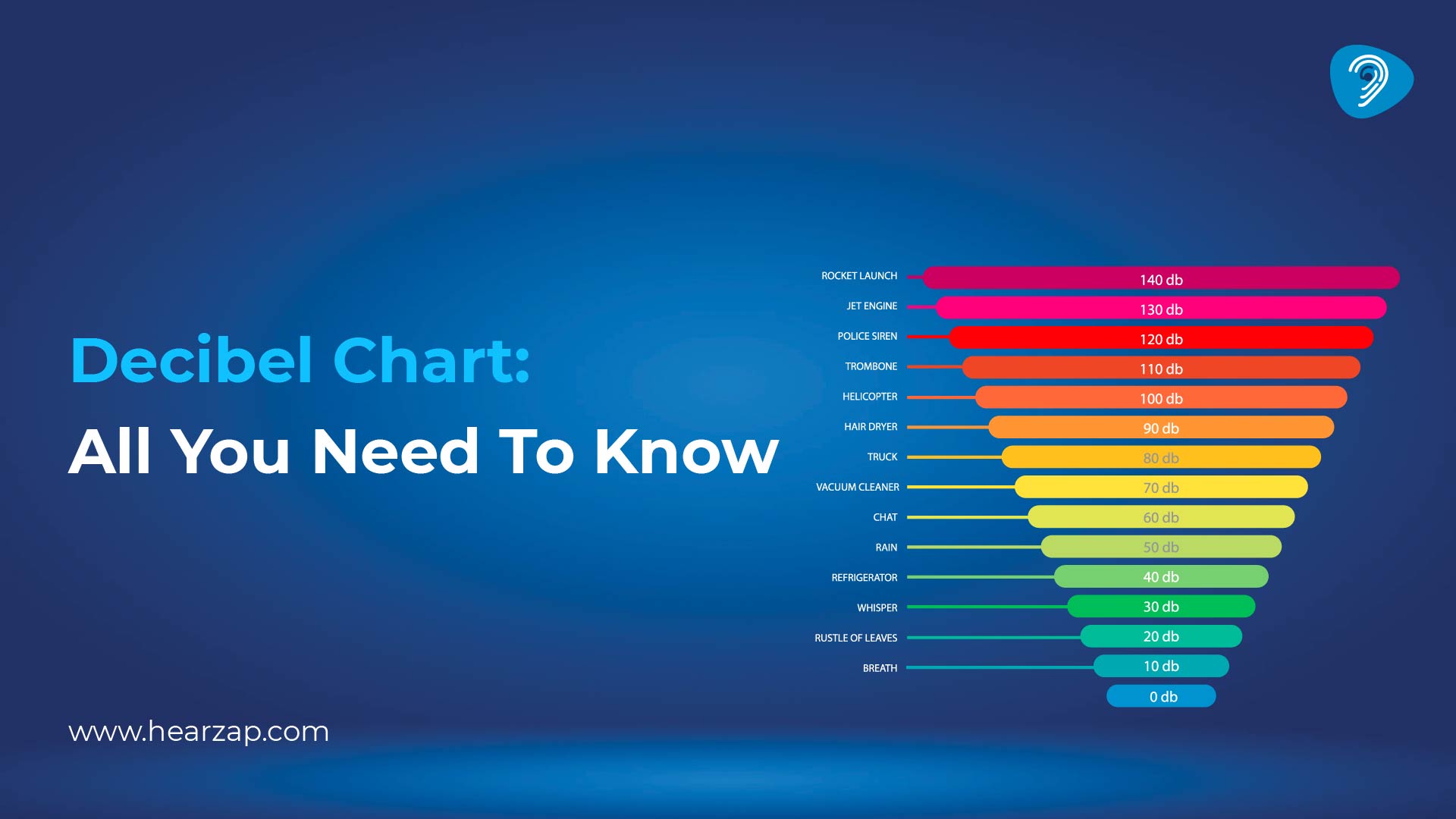
A decibel (dB) is a way to measure how loud a sound is. It compares a sound to the quietest sound a typical person can hear. The decibel scale works in steps, so even a small increase in number can mean a much louder sound. When you see a decibel chart, you’re looking at a map of everyday sounds arranged by their strength and risk.
How the Decibel Scale Works
On the dB scale, an increase of 3 dB represents roughly double the acoustic energy — meaning the sound waves carry about twice as much power. A +10 dB increase is about ten times the sound intensity and is often perceived as roughly twice as loud.
Silence on the scale is defined at 0 dB (the faintest sound a healthy ear can hear), and everyday life sits between 30-100 dB depending on the setting - homes, offices, streets, factories, or festivals. This is why professionals measure sound decibels carefully in workplaces and public spaces.
Understanding The Sound Levels
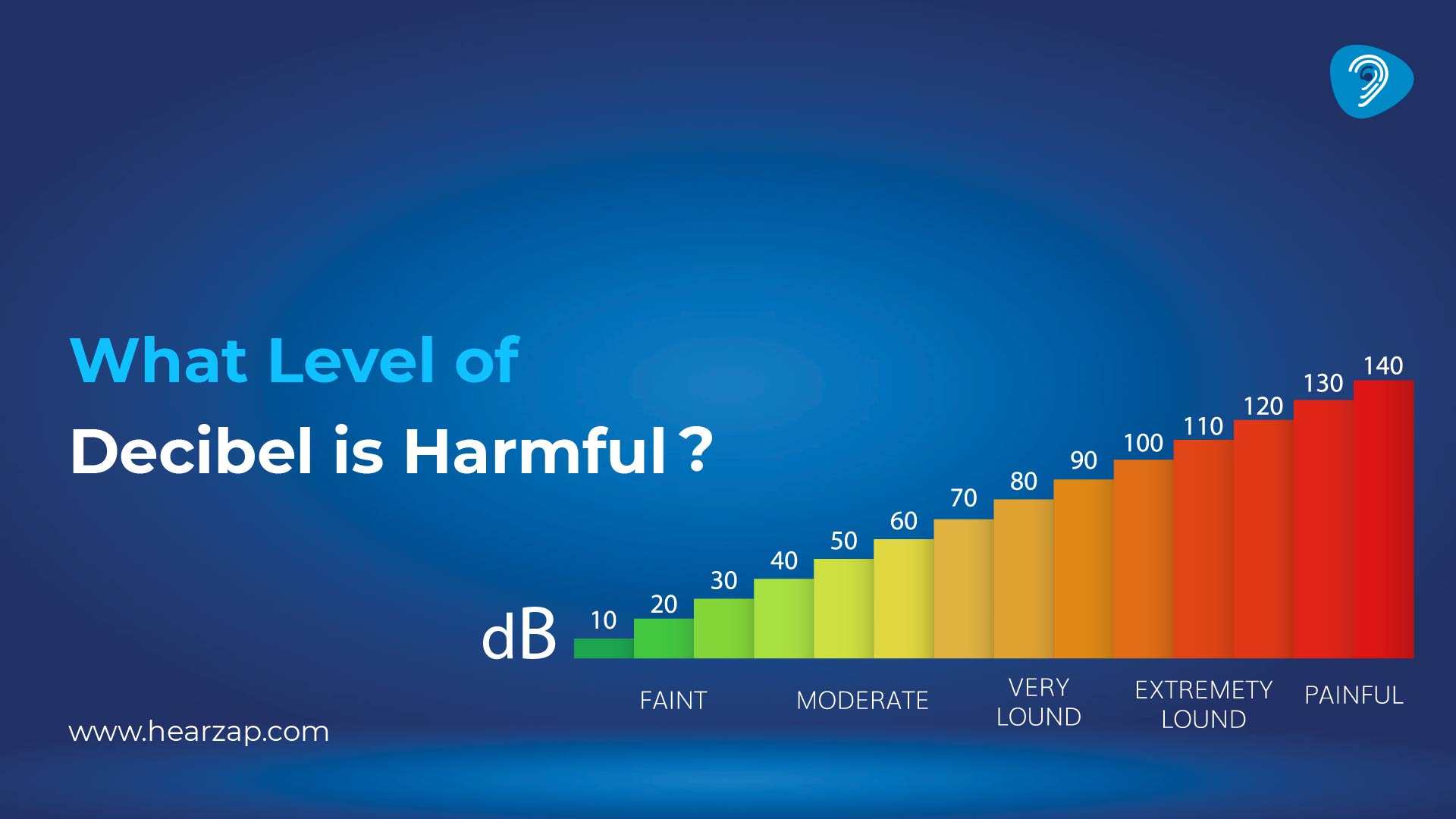
Here’s a quick noise level chart you can skim before diving deeper. The figures are typical examples; actual values vary with distance and surroundings.
If you’re comparing appliances or venues, a sound decibel chart like this helps you make practical choices. Choose the quieter road, sit farther from speakers, or plan breaks.
Why the Decibel Chart Is Important
For India’s buzzing cities, environmental noise from traffic, generators and construction can creep up on you. Festivals and weddings add short bursts of high levels. A clear decibel chart lets families, building managers, and event planners judge risk without guesswork. It’s equally useful for teachers and musicians who need predictable rehearsal volumes, and for facility teams aiming to pass audits. If you notice ringing or any ear noise after an event, that’s a warning to rest your ears.
What Are Safe Decibel Levels?
Long-term exposure below 70 dB is generally considered low risk. In many workplaces, 85 dB is treated as the action level: limit time, rotate tasks, and wear protection. Above 100 dB, even brief exposure without earplugs or earmuffs can cause damage. To stay on the right side:
- Keep daily averages modest, with loud peaks brief.
- Use distance: every time you double the distance from a source, the level drops significantly.
- Track your exposure during commutes and workouts; personal audio should stay below 60-70% of maximum.
To check the noise level in the moment, use a decibel meter. A basic hand-held meter is affordable; a sound dB meter app on your phone can be a handy first step. For compliance or professional assessments, bring in an acoustics expert with calibrated instruments.
Tips to Protect Your Hearing in Loud Environments
Whether you drive through dense traffic, work on site, or love concerts, a few habits go a long way in protecting your hearing:
- Carry earplugs; choose higher-fidelity ones for music.
- Take “quiet breaks” every 30-45 minutes in high levels.
- Stand to the side of the speakers, not directly in front.
- Pick quieter gear at home - fans, mixers, vacuum cleaners - by checking their rated dB.
- For commuters, over-ear headphones with noise-cancelling can let you listen at safer volumes.
- Teach children early; they often sit closest to the DJ speakers.
Also Read: What Decibel Level Is Harmful to Hearing?
What Is the Human Hearing Range
Choosing and Using a Meter
If you need to audit your workspace or school hall, start simple:
- Use your phone app to scout hotspots and plan measurements.
- Follow with a hand-held meter placed at ear height, away from walls.
- Log readings across different times of day to capture traffic cycles and activities.
- Keep context notes: distance to source, weather, doors open or closed.
These steps make your readings repeatable and useful. For factories and studios, schedule annual meter calibration to maintain accuracy and compliance.
Conclusion
Noise management isn’t about silence; it’s about control. A reliable decibel chart paired with regular checks helps you balance comfort, performance and safety at home, at work and during celebrations. Use meters, mind your exposure time, and cultivate small habits. Your future self will thank you.
FAQs
Which is a louder sound, 20 dB or 50 dB?
A 50 dB sound is significantly louder than a 20 dB sound, as every 10-decibel increase roughly doubles the perceived loudness.
What is the loudest sound a human can tolerate?
The human ear can tolerate sounds up to around 120–130 decibels, which is near the threshold of pain, though hearing damage can occur well before that point.
What dB is unsafe for ears?
Sounds above approximately 85 decibels can be unsafe for hearing, especially with prolonged exposure, so it’s important to limit duration and use hearing protection.
What dB is best for noise cancelling?
Noise-cancelling headphones are most effective in environments with ambient noise between 60 and 85 decibels, allowing you to listen comfortably at lower, safer volumes.
What are normal decibel levels?
Sound is measured in decibels, which is usually written as dB. Noise at or under 70 dB is safe for our hearing. That is the sound of a human conversation between two people.
How many decibels is OK?
You can listen to sounds up to 70 dBA for as long as you like. A sound at 85 dBA may cause hearing damage if you listen to it for more than eight hours at a time. Sounds that are 85 dBa or higher can harm your hearing more quickly.
What are the 5 levels of hearing loss?
Hearing loss is defined as mild, moderate, moderately severe, severe, or profound. These are based on the decibel (dB) hearing loss, which is a measure of how loud sounds need to be for you to hear them.
What is a safe decibel?
Exposure for that period without protection should not exceed 85 decibels (dB). What are the long-term consequences of excessive noise exposure? Extended exposure to high levels of noise is the most common cause of hearing loss.

Dattatreya M
Audiology Innovation Manager
Helping You Hear Life Again. At Hearzap, we believe hearing is the key to staying connected with family, friends, and the world around us. With over 48 years of trusted care & my 15 years in audiology, I’ve seen how improved hearing brings back confidence
Related Blogs
Contact us
We are here for all your hearing needs, from hearing tests to hearing aids. Fill out the form below, and we will give you a call soon.
Recent Blogs
By None | Sept. 25, 2026
By None | Sept. 23, 2026
By None | Sept. 21, 2026
By None | Sept. 16, 2026
By None | Sept. 9, 2026