Generic
Phonophobia
By Team Hearzap | Dec. 12, 2025
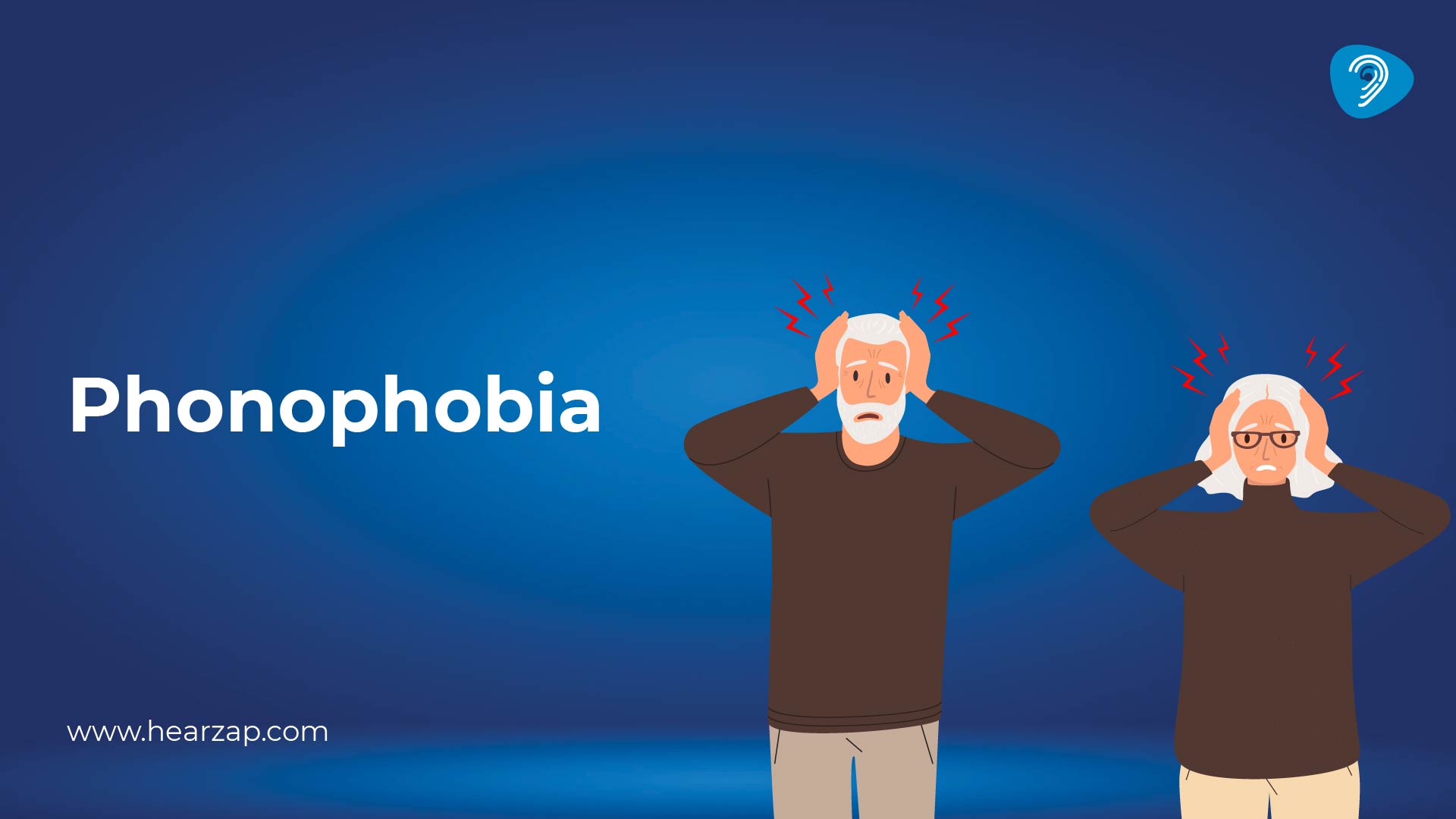
Phonophobia: When Sounds Start to Feel Too Loud
Sound surrounds us in our daily lives — it may be laughter, music, traffic, or conversation. However, for some, even normal sounds can be intolerable. What the majority would call a simple sound turns into a source of stress, fear, or even panic.
This phenomenon is referred to as phonophobia. It implicates more than mere noise aversion. It is a condition where the brain reacts to specific sounds as if they are a danger — thereby inducing anxiety, discomfort, and at times even physical pain.
Phonophobia can be very lonely, but it is both real and manageable. Knowing what it is and its causes is the first step towards relief.
Phonophobia Meaning
The word phonophobia comes from the Greek phono (sound) and phobos (fear). The literal phonophobia meaning is “fear of sound.”
But in real life, it’s more complex than that. A person with phonophobia isn’t afraid of all sound — just certain ones that trigger fear, tension, or panic. For some, it’s loud noises like sirens or fireworks. For others, it might be repetitive sounds like typing or chewing.
It’s not caused by a problem in the ear. The hearing system is fine — it’s the brain that becomes overly alert. It interprets harmless sounds as danger signals, creating a physical and emotional response that feels hard to control.
Phonophobia Symptoms
The way phonophobia symptoms show up can differ from person to person. Some people feel nervous before a sound even happens, while others react instantly when they hear it.
The signs which are generally seen are:
- Being so anxious or scared that one cannot bear certain sounds
- Sensation of pressure in the chest, or heart beating faster
- Feeling heavy in the head or spinning sensation
- Wanting to get away from noise
- Muscles getting tight, especially in the jaw, neck, or shoulders
- Difficulties in focusing when it is loud around
Sometimes, phonophobia is a symptom of migraines, anxiety disorders, or PTSD. It may begin very mildly and grow in severity over time, usually after a stressful event or exposure to loud sounds for a long time.
Phonophobia vs. Other Sound Sensitivities
Not all sound sensitivities mean phonophobia. It’s important to understand the difference:
- Phonophobia involves fear or anxiety triggered by sound.
- Misophonia causes anger or irritation toward specific sounds like chewing or clicking.
- Hyperacusis makes normal sounds seem painfully loud.
Knowing which applies to you helps doctors choose the right phonophobia treatment.
Photophobia and Phonophobia
Many people who get migraines experience both photophobia and phonophobia — sensitivity to light and sound. During a migraine attack, even dim light or gentle sounds can feel overwhelming.
However, phonophobia can also occur on its own, especially in people with anxiety or past trauma. The connection between the brain, emotions, and senses is strong — and when one part becomes overactive, others often follow.
Why Phonophobia Happens
There isn’t one single reason why phonophobia develops. It can be linked to emotional stress, traumatic sound experiences, or neurological conditions. Some people notice it after a particularly loud noise or after a period of extreme anxiety.
Essentially, the brain’s “alarm system” becomes too sensitive. Sounds that most people filter out as harmless start triggering a fight-or-flight response. It’s the body’s way of trying to protect you — even when there’s no real danger.
Migraines, hearing disorders, or sensory processing issues can also make the brain more reactive to sound.
Phonophobia ICD 10
In the medical system, phonophobia ICD 10 is classified under code F40.298 — a type of phobic anxiety disorder. This helps doctors document and treat it properly, often alongside other anxiety or neurological conditions.
Phonophobia Treatment
The good news is that phonophobia treatment works for most people — especially when it’s personalised. The goal isn’t to remove sound from your life, but to help your brain stop reacting fearfully to it.
Here are the most frequent treatment options:
1. Cognitive Behavioural Therapy (CBT)
In this method, the therapy identifies the fear of different sounds and teaches the ways of reacting to sound triggers calmly. Retraining it takes time, but eventually, your brain learns to stay at ease rather than panicking in the event of a loud sound.
2. Gradual Sound Exposure
The gradual sound exposure, carried out together with the therapist or audiologist, calms the brain by slowly re-introducing it to the world of day-to-day sounds and thus proving that noise is not a threat.
3. Relaxation Techniques
Calming the stress reaction in the body through breathing exercises, mindfulness, or yoga makes the sound less threatening.
4. Medication
If phonophobia symptoms are the result of anxiety or migraines, medication to reduce the occurrence of migraines or anxiety might be prescribed by the doctor in some cases.
5. Triggers Treatment
Treating phonophobia and photophobia associated with migraines by treating the underlying migraine often reduces both light and sound sensitivity.
Living With Phonophobia
Phonophobia is a condition and living with it could drain energy — daily activities planned according to the noise level, avoiding parties, or being anxious about helpless sounds around you. However, you are not the only one and it does not have to be like that.
The first step in dealing with phonophobia is to set up places with soothing and safe atmospheres. If noise-cancelling headphones aid you, use them; but, don’t depend on them daily—the gradual exposure to sound is crucial to your treatment.
Speaking up also helps. A lot of people suffering from phonophobia deem themselves to be misunderstood because others think they simply have “over-sensitive” hearing. Joining a support group or attending therapy gives one a lot of understanding and practical coping tools.
Most of the time, people undergoing consistent phonophobia treatment gradually and slowly notice improvement in their condition. The aim is not to turn the world off; rather it is to restore tranquillity in the midst of it.
Final Thoughts
Phonophobia is more common than most people think, and it can quietly affect everything from work to relationships. But like most anxiety-related conditions, it’s manageable — and in many cases, reversible.
By learning the phonophobia meaning, recognising early phonophobia symptoms, and starting the right phonophobia treatment, you can retrain your brain to feel safe again.
If you experience both photophobia and phonophobia or struggle with anxiety around sound, reaching out for professional help can make all the difference. Life doesn’t have to feel too loud — it just needs the right balance of care, patience, and understanding.
FAQs
How to overcome phonophobia?
With a bit of patience and a lot of sound exposure, relaxation, and developing the discipline to focus on weak sound, overcoming phonophobia is not that impossible.
What is photophobia and phonophobia?
Photophobia is sensitivity to light, while phonophobia is sensitivity or fear of sound — both often occur together during migraines or anxiety-related conditions.
How to control phonophobia?
Managing phonophobia involves reducing stress, practising mindfulness, and working with a therapist to slowly rebuild comfort with everyday sounds.
Is phonophobia a sign of anxiety or depression?
Yes, phonophobia can sometimes be linked to anxiety or stress-related conditions, where the brain becomes overly alert to sound as part of its fear response.

Contact us
We are here for all your hearing needs, from hearing tests to hearing aids. Fill out the form below, and we will give you a call soon.
Recent Blogs
By None | March 18, 2026
By None | March 16, 2026
By None | March 13, 2026
By None | March 12, 2026
By None | March 11, 2026