HEARING CARE
Auriculotherapy: The Ancient Practice of Healing Through the Ear
By Team Hearzap | April 18, 2026
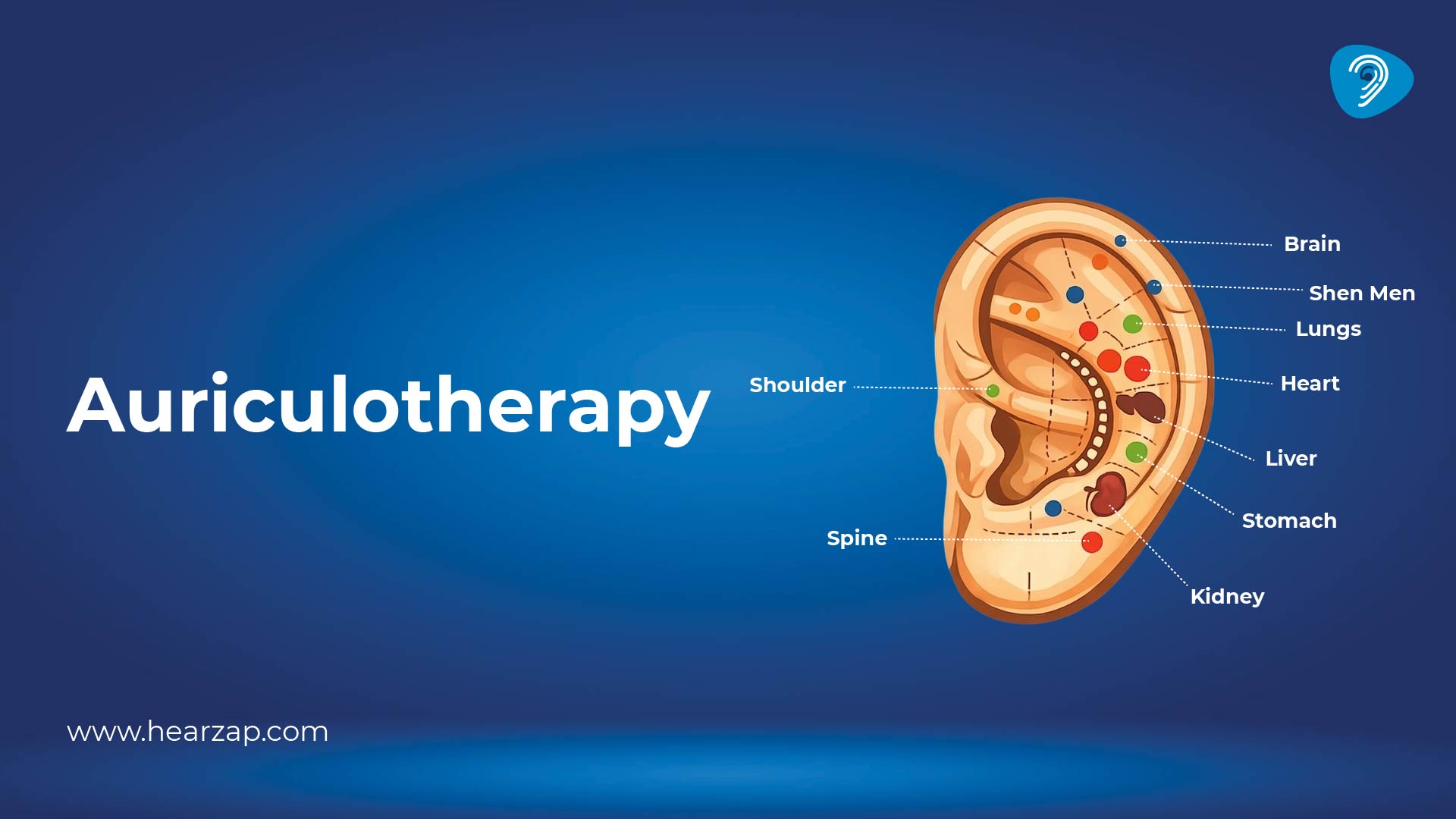
Imagine a therapist pressing tiny points on your outer ear to help with back pain, anxiety, or even a smoking habit. No needles in your spine. No pills. Just precise, targeted stimulation of specific locations on the ear. It sounds unusual at first, perhaps even a little far-fetched. But auriculotherapy has been practised in various forms for thousands of years, and today it sits at an interesting crossroads between ancient tradition and modern clinical research.
Whether you are exploring it out of curiosity or considering it as a complementary treatment, here is what you genuinely need to know.
What Is Auriculotherapy?
So, what is auriculotherapy, exactly? At its core, it is a therapeutic practice based on the idea that the outer ear, known medically as the auricle or pinna, contains a map of the entire human body. According to this framework, specific points on the ear correspond to specific organs, systems, and body parts. Stimulating these points, through acupuncture needles, manual pressure, electrical stimulation, or small seeds and pellets taped to the skin, is believed to send therapeutic signals through the nervous system to the corresponding area of the body.
It is worth understanding from the outset that auriculotherapy sits within the broader category of complementary and alternative medicine. It is not a replacement for conventional medical treatment, and its mechanisms are still debated within the scientific community. However, it has attracted genuine research interest, and several clinical studies have explored its potential benefits in areas such as pain management, addiction, anxiety, and insomnia.
Auriculotherapy Meaning: More Than Just Ear Acupuncture
The auriculotherapy meaning is sometimes oversimplified as "ear acupuncture", but the two are not identical, even though they overlap. Traditional Chinese acupuncture does include ear points as part of a broader system of meridians and energy flow. Auriculotherapy, particularly in its modern Western form, is a distinct discipline that developed separately and uses a different theoretical foundation rooted more in neurological pathways than in the concept of energy meridians.
In auriculotherapy, the ear is seen not as an energy gateway but as a microsystem, a small area of the body that reflects the whole. The stimulation of ear points is understood to influence the central nervous system directly, triggering responses in the brain that translate into changes in pain perception, stress hormones, muscle tension, and organ function. This neurological explanation is what has made auriculotherapy more accessible to researchers and clinicians working within conventional medicine frameworks.
The methods used to stimulate ear points vary considerably. Needles are used in auricular acupuncture. Blunt probes or finger pressure are used in auricular acupressure. Tiny metal or herbal seeds held in place with adhesive tape are used for ongoing stimulation between sessions. Electrical devices that deliver mild currents to the ear points are used in electroauriculotherapy. Each approach targets the same points but through different means.
Paul Nogier Auriculotherapy: The Man Who Mapped the Ear
The modern science of auriculotherapy cannot be told without understanding the central figure behind it. Paul Nogier auriculotherapy is a phrase that appears throughout the literature because it was this French physician who fundamentally transformed ear therapy from a collection of anecdotal folk practices into a structured, mappable system.
Dr. Paul Nogier was a physician based in Lyon, France, who in the 1950s began noticing that some of his patients had small scars on a specific part of their outer ear. When he asked about them, he learned that a local practitioner had been cauterising that point to treat sciatic pain, and reportedly with some success. Intrigued, Nogier began systematically investigating whether different points on the ear corresponded to different parts of the body.
What he eventually proposed became the foundation of modern auriculotherapy: the inverted foetus map. Nogier observed that the outer ear, when viewed in a certain way, resembles an inverted human foetus curled in the womb. The earlobe corresponds to the head. The antihelix, the curved ridge running through the middle of the ear, corresponds to the spine. The inner curves and hollows map to the internal organs. From this observation, he created a detailed point map of the entire auricle, assigning each zone to a body region or organ.
Nogier presented his findings to the French Acupuncture Society in 1956, and his work spread rapidly, eventually reaching China where it was integrated into and further developed within traditional Chinese medicine frameworks. His ear map, refined over decades, remains the primary reference used in auriculotherapy training and practice worldwide today.
What Conditions Is It Used For?
Auriculotherapy is used as a complementary approach across a surprisingly wide range of conditions, though the strength of evidence varies considerably between them.
Pain management is where auriculotherapy has attracted the most clinical attention. Studies have explored its use in postoperative pain, chronic lower back pain, headaches, and musculoskeletal discomfort. Some trials have shown modest but meaningful reductions in pain scores when auriculotherapy is used alongside conventional care.
Addiction and substance withdrawal represent another significant area of application. Protocols such as the NADA protocol, which involves placing needles in five specific ear points, have been widely adopted in addiction recovery programmes across Europe and North America to help manage cravings and withdrawal symptoms associated with smoking, alcohol, and opioid dependence.
Anxiety and stress are commonly treated with auriculotherapy in clinical settings, with patients often reporting a sense of calm during and after sessions. Insomnia, digestive complaints, and menstrual pain are also among the conditions for which people seek auriculotherapy.
It is important to be clear-eyed here. For most of these applications, the evidence is promising but not conclusive. Many studies are small, and more robust large-scale clinical trials are needed before definitive claims can be made. Auriculotherapy works best when understood as a supportive, complementary approach rather than a standalone cure.
What Does a Session Actually Look Like?
If you were to visit a practitioner, the session would typically begin with a consultation about your symptoms and health history. The practitioner would then examine your outer ear, sometimes using a probe to detect points of tenderness or altered electrical conductivity, both of which are considered indicators of relevant treatment points.
Depending on the method used, tiny needles may be inserted for 20 to 40 minutes, or small seeds or pellets may be taped to specific points for you to apply gentle pressure to at home over the following days. Sessions are generally described as relaxing, with most patients experiencing little to no discomfort.
Auriculotherapy is considered safe when performed by a trained practitioner. Side effects are rare and typically limited to minor soreness at needle or pellet sites.
The Bottom Line
Auriculotherapy occupies a fascinating space in healthcare. Rooted in ancient observation, formalised through the meticulous work of pioneers like Paul Nogier, and increasingly examined through the lens of modern neuroscience, it represents a form of medicine that refuses to be easily categorised.
FAQs
Does auriculotherapy really work?
Auriculotherapy may help with pain and stress relief, but scientific evidence is limited.
How to diagnose diseases with auriculotherapy?
Auriculotherapy is not a reliable method to diagnose diseases and should not replace medical tests.
What is auricular therapy used for?
Auricular therapy is used for pain management, stress reduction, addiction support, and overall wellness.
What are the side effects of auriculotherapy?
Side effects are usually mild and may include soreness, irritation, or slight discomfort in the ear.
Related Blogs
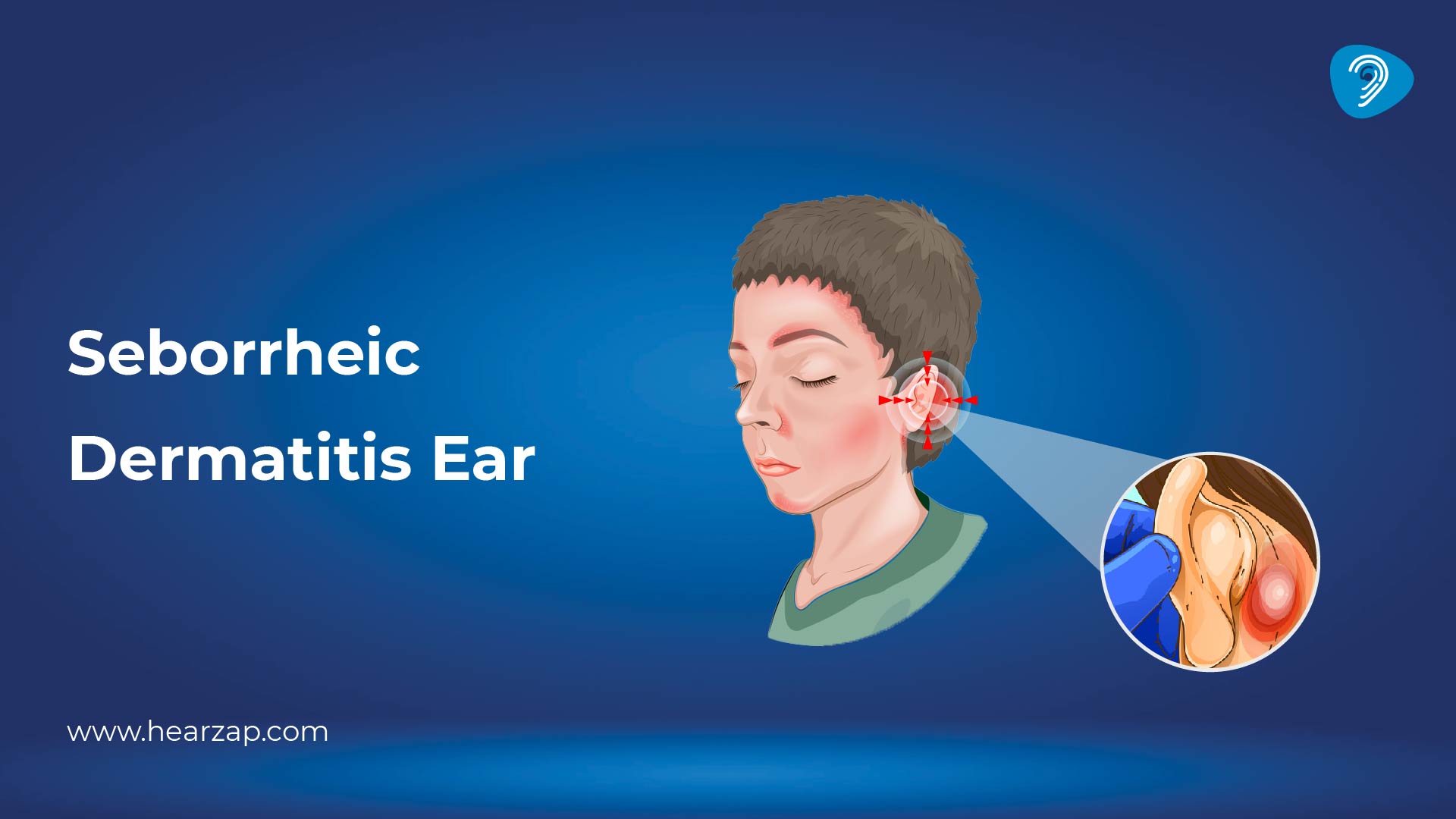
Seborrheic Dermatitis in the Ear
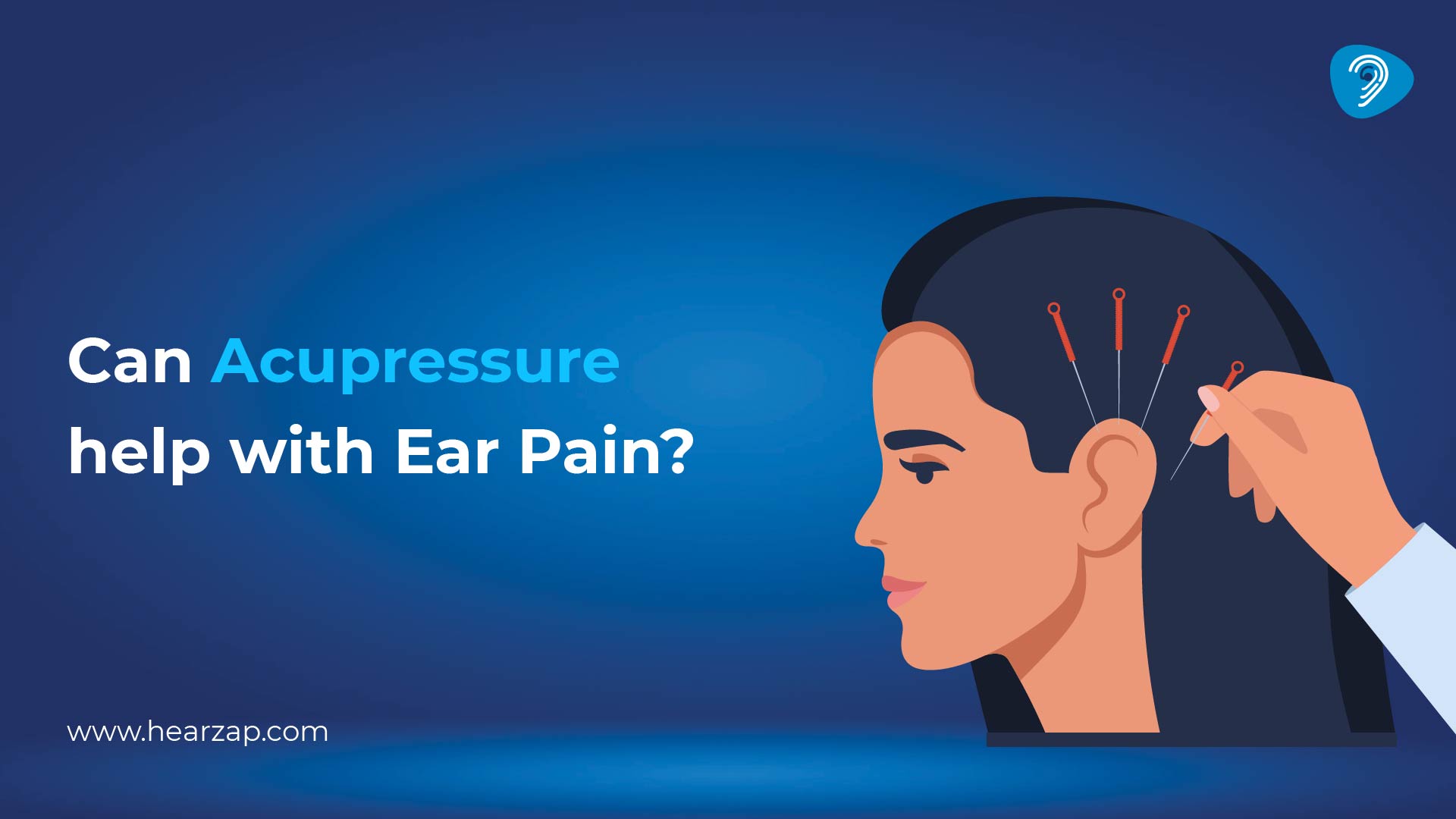
Can Acupressure Help With Ear Pain? What Experts Say
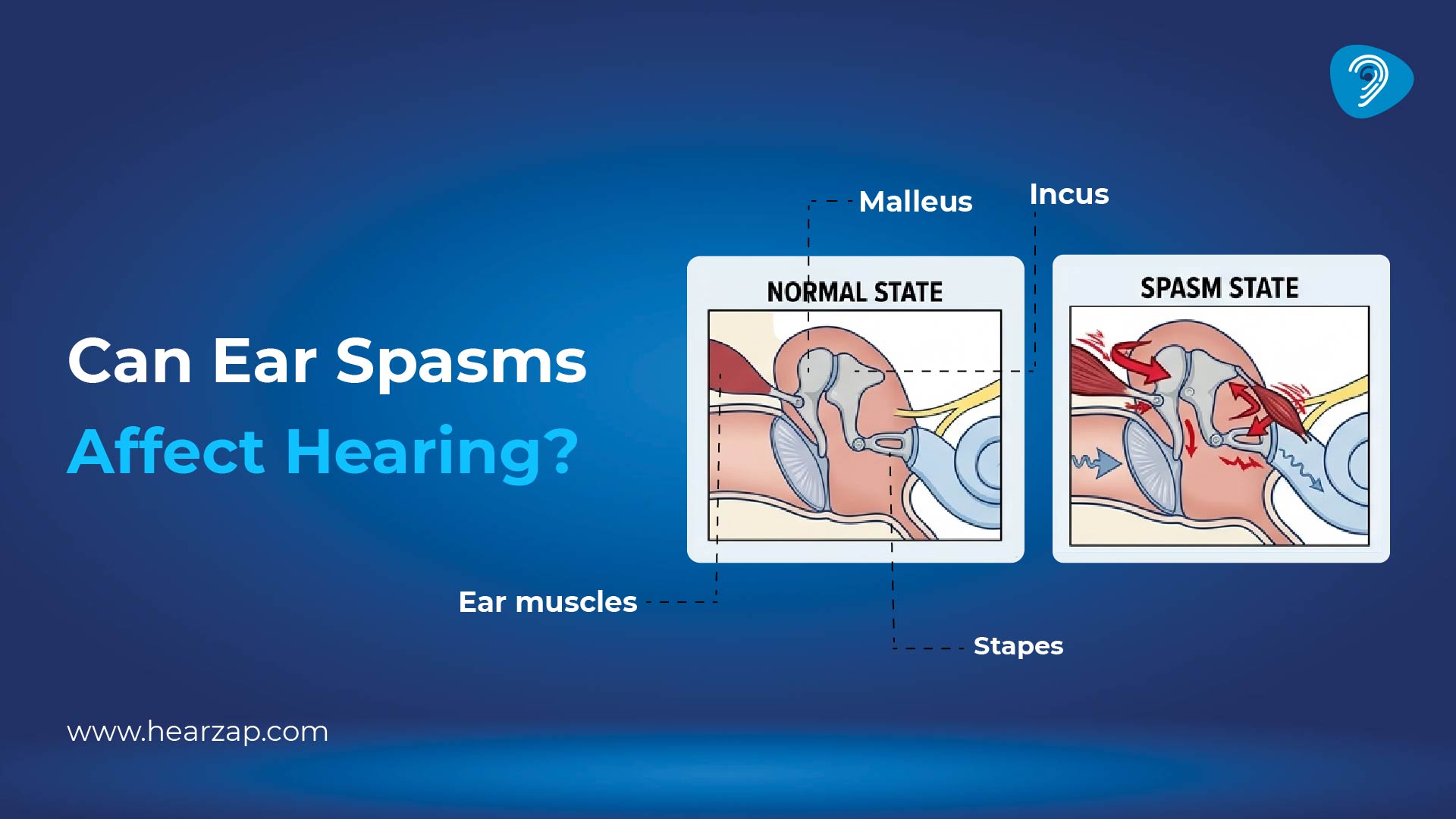
Can Ear Spasms Affect Hearing?
Contact us
We are here for all your hearing needs, from hearing tests to hearing aids. Fill out the form below, and we will give you a call soon.
Recent Blogs
By None | Sept. 5, 2026
By None | Sept. 4, 2026
By None | Sept. 2, 2026
By None | Sept. 1, 2026
By None | Aug. 31, 2026