HEARING CARE
Seborrheic Dermatitis in the Ear
By Team Hearzap | April 13, 2026
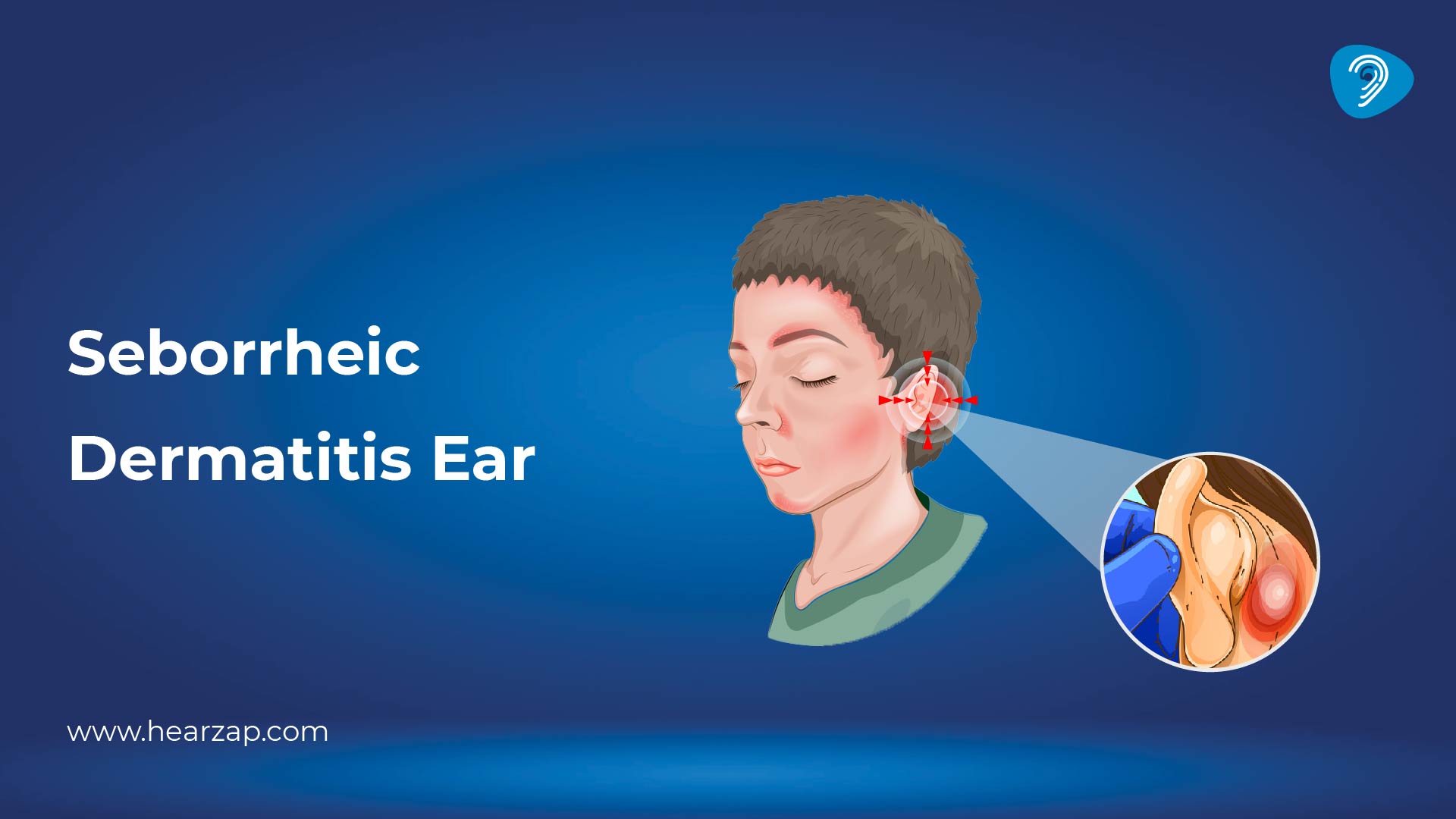
You've noticed a patch of flaky, yellowish skin behind your ear. Or maybe there's a persistent itch deep inside the ear canal that no amount of careful cleaning seems to fix. The skin looks a little red, a little greasy, and it keeps coming back no matter what you do. Sound familiar?
What you might be dealing with is seborrheic dermatitis ear involvement, a common but frequently misunderstood skin condition that has a particular fondness for the ear and its surrounding areas. It's not contagious, it's not dangerous, and it's not a reflection of poor hygiene. But it is persistent, and without the right approach, it can become a long-term source of discomfort.
What Is Seborrheic Dermatitis?
Seborrheic dermatitis is a chronic inflammatory skin condition that affects areas of the body where sebaceous (oil-producing) glands are most concentrated. The scalp is the most well-known site, where it shows up as dandruff. But the face, chest, and ears are also very commonly affected.
The condition is linked to an overgrowth of a yeast called Malassezia, which lives naturally on everyone's skin. In most people it causes no problems at all. But in some individuals, the immune system reacts disproportionately to this yeast, triggering inflammation, excessive skin cell turnover, and the characteristic flaking and redness that defines seborrheic dermatitis.
It tends to run a relapsing and remitting course, meaning it flares up, settles down, and then comes back. Triggers include stress, cold and dry weather, hormonal changes, fatigue, and certain medical conditions such as Parkinson's disease or HIV. It is also more common in people with oily skin and in those between the ages of 30 and 60, though it can affect people at any stage of life.
Why the Ear Is a Prime Target
The ear might seem like an unlikely hot spot, but it makes perfect sense when you understand the condition. The ear and its surrounding skin are rich in sebaceous glands, have areas of naturally trapped warmth and moisture, and contain folds and crevices where yeast can thrive undisturbed.
Seborrheic dermatitis behind ear is one of the most common presentations. The groove where the ear meets the scalp and the skin just behind the outer ear creates the perfect warm, slightly moist environment for Malassezia to multiply. In this area, the condition typically presents as redness, scaling, and sometimes a greasy or crusty build-up along the fold. The skin can crack if it becomes very dry or inflamed, which makes it tender to touch and occasionally prone to minor bleeding.
The outer ear itself, including the bowl-shaped area called the concha and the visible folds of the ear, can also develop the same flaky, red patches. Some people notice a yellowish, waxy scale that peels off in flakes, while others experience mainly redness with fine white scaling.
When It Goes Deeper: The Ear Canal
Perhaps the most troublesome presentation is when seborrheic dermatitis affects the ear canal itself. Seborrheic dermatitis back of ear and outer ear involvement is uncomfortable, but when the condition tracks into the canal, the symptoms become harder to manage and easier to confuse with other conditions like otitis externa or fungal ear infections.
Inside the ear canal, the condition typically causes intense itching, a sense of fullness or blockage, and flaking skin that can accumulate and temporarily affect hearing. The canal skin appears red and may produce a dry, white or yellowish flaky discharge. Some people instinctively try to scratch or clean the canal with cotton buds, which almost always makes things worse by stripping the skin's natural protective barrier and introducing further irritation.
Because the ear canal is dark, warm, and enclosed, the yeast responsible for seborrheic dermatitis finds it an ideal environment. Without targeted treatment, symptoms in this location tend to persist and recur frequently.
Seborrheic Dermatitis Ear Canal Treatment: What Actually Works
The approach to seborrheic dermatitis ear canal treatment is slightly different from treating the scalp or face, because the ear canal requires gentler, more targeted interventions.
For the ear canal specifically, doctors often recommend antifungal ear drops containing agents such as clotrimazole or fluconazole, which directly target the Malassezia yeast driving the inflammation. Mild corticosteroid drops or a combined antifungal and steroid preparation may also be prescribed when significant inflammation is present. These work to reduce both the yeast overgrowth and the immune reaction simultaneously.
It is important not to use cotton buds, fingers, or any object to clean inside the canal during a flare. This disrupts the skin further and can introduce bacteria. Gentle rinsing with warm water during a shower, allowing water to run naturally out of the ear, is generally sufficient for basic hygiene during treatment.
For skin seborrheic dermatitis behind ear and on the outer ear surfaces, topical antifungal creams such as ketoconazole 2% or ciclopirox are highly effective. These are applied directly to the affected skin once or twice daily for a few weeks. Low-potency topical corticosteroids can be added for short periods when itching and redness are particularly severe, but long-term steroid use on ear skin is avoided because it can thin the skin over time.
Medicated shampoos containing ketoconazole, selenium sulphide, or zinc pyrithione are worth incorporating into the hair washing routine even when the scalp itself isn't visibly affected, since reducing the overall yeast load on the scalp can help prevent the condition spreading to the ear area.
Managing Flare-Ups and Preventing Recurrence
Because seborrheic dermatitis is a chronic condition, the goal isn't just treating the current flare but building a routine that keeps future ones at bay.
People need to maintain their ear regions through careful cleaning which should not be performed excessively. The best way to dry the behind-ear area after showering or swimming is through gentle patting instead of using rubbing movements. People who have sensitive skin should avoid using hair products with strong fragrances because these products can cause their skin to become inflamed.
Stress management, adequate sleep, and a generally healthy lifestyle sound like generic advice, but they genuinely influence the frequency and severity of seborrheic dermatitis flares. The immune system's response to Malassezia is directly affected by overall health, and people often notice their skin behaves better during periods of lower stress and better rest.
For those prone to recurrence, a maintenance routine of once or twice weekly antifungal shampoo use or periodic application of a low-strength antifungal cream to the ears can significantly extend the symptom-free periods between flares.
When to See a Doctor
The majority of mild and moderate cases can be treated through the use of antifungal products available without prescription and by following proper skincare routines. However, patients should seek medical help when their skin develops breaks and becomes painful or shows symptoms of a bacterial infection which include increased redness and warmth and swelling and abnormal discharge that does not resemble normal dandruff flaking. Professional evaluation becomes necessary when the ear canal gets affected because proper diagnosis requires a medical examination to differentiate between this condition and other ear disorders.
FAQs
Can ear dermatitis be cured?
Ear dermatitis can be managed effectively with treatment, though it may come and go in some cases.
What cream is good for seborrheic dermatitis in the ear?
Medicated antifungal or mild steroid creams are commonly used to treat seborrheic dermatitis in the ear.
Is coconut oil good for seborrheic dermatitis?
Coconut oil may help soothe dryness but is not a primary treatment for seborrheic dermatitis.
What vitamin deficiency causes seborrheic dermatitis?
Deficiencies in B vitamins, especially biotin, may be linked to seborrheic dermatitis.
Related Blogs

Otosclerosis: When Your Ear's Own Bone Works Against You
Sebaceous Cyst Behind Ear

Auriculotherapy: The Ancient Practice of Healing Through the Ear
Is Maggot in the Ear Dangerous? Warning Signs You Shouldn’t Ignore

Ear Protection for Swimming
Contact us
We are here for all your hearing needs, from hearing tests to hearing aids. Fill out the form below, and we will give you a call soon.
Recent Blogs
By None | Sept. 5, 2026
By None | Sept. 4, 2026
By None | Sept. 2, 2026
By None | Sept. 1, 2026
By None | Aug. 31, 2026