HEARING CARE
Vestibular Migraine: When Dizziness Is the Headache
By Sharanya Krishnan - Audiologist | May 27, 2026
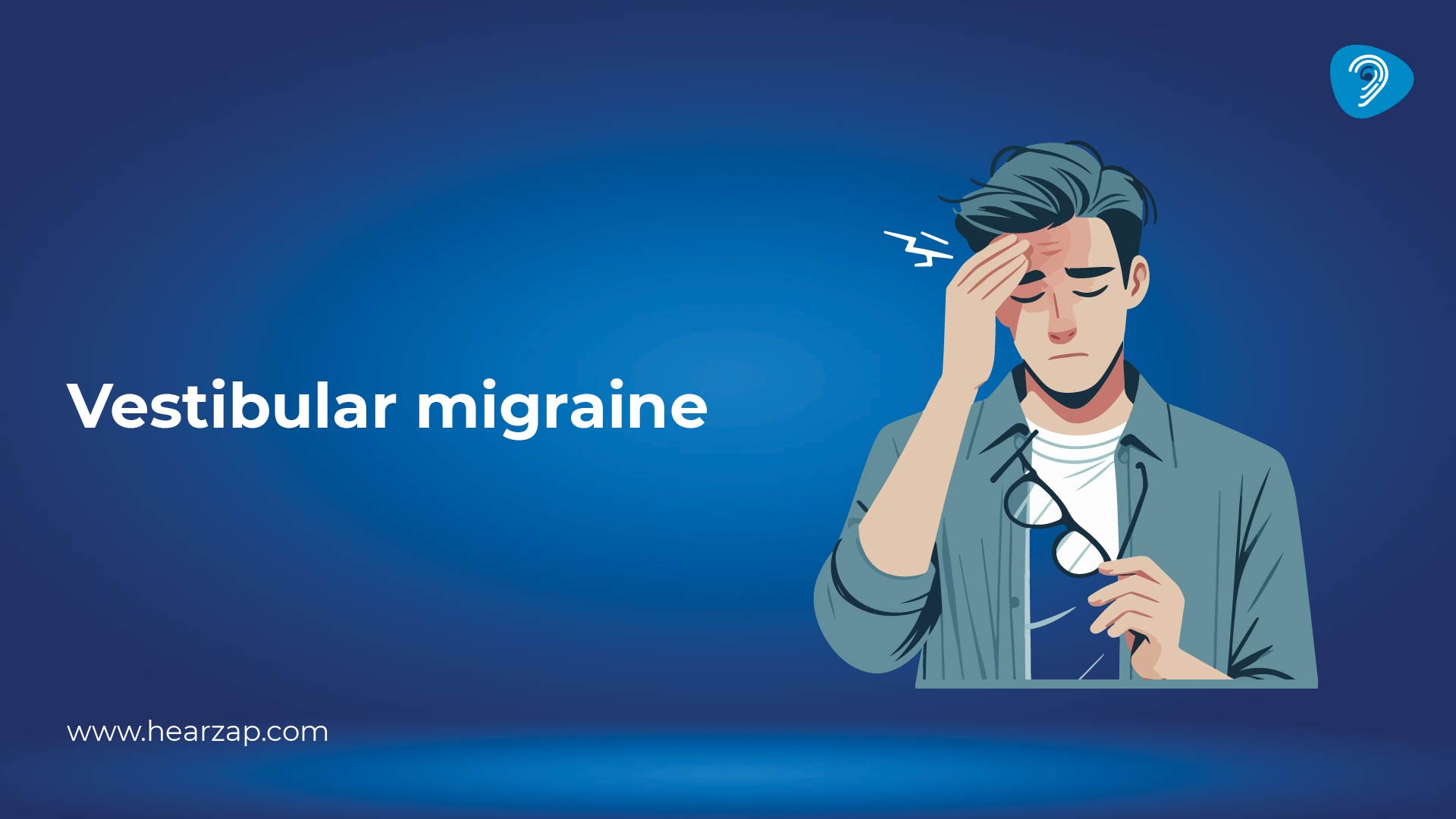
Most people, when they hear the word migraine, picture someone lying in a dark room with a crushing headache and a sensitivity to light so severe that even a phone screen feels unbearable. That image isn't wrong. But it's incomplete.
Because there's a form of migraine where the headache takes a back seat, or doesn't show up at all, and the main event is dizziness. Spinning. A profound sense of imbalance that can last for minutes, hours, or days. Nausea so intense it's hard to function. A world that feels unstable even when you're sitting perfectly still.
This is vestibular migraine, and it is one of the most common causes of episodic vertigo in adults. It is also one of the most frequently missed.
What Is Vestibular Migraine?
The vestibular system is your body's balance control centre, a network involving the inner ear, the eyes, and specific parts of the brain that work together to keep you oriented in space. When the brain receives conflicting or disrupted signals from this system, the result is vertigo and dizziness.
In vestibular migraine, the same neurological process that drives a conventional migraine, involving spreading electrical disturbances, changes in blood flow, and the release of inflammatory chemicals in the brain, extends its reach into the vestibular pathways. The result is that balance and spatial orientation become disrupted, often dramatically, as part of the migraine event.
The vestibular migraine icd 10 code is H81.4, which classifies it under vestibular function disorders. This formal classification, which was only established relatively recently, reflects how long it took the medical community to recognise and standardise this condition. Many patients who struggled to get a diagnosis for years were simply ahead of the clinical consensus.
Vestibular Migraine Causes: What's Actually Going On
Understanding vestibular migraine causes starts with understanding migraine itself.
Migraine is fundamentally a neurological condition, not simply a headache. In people who are genetically predisposed, the brain has a lower threshold for a phenomenon called cortical spreading depression, a wave of electrical activity followed by suppression that moves across the brain and triggers the cascade of symptoms associated with migraine.
When this process involves or spreads to areas of the brain that process vestibular information, balance disturbance becomes the dominant symptom. The trigeminal nerve, which is central to migraine pathophysiology, has connections to the vestibular nuclei in the brainstem, providing the anatomical explanation for why migraine can so directly disrupt balance.
Triggers for vestibular migraine mirror those of conventional migraine and include:
- Hormonal fluctuations, particularly around menstruation, making this condition significantly more common in women
- Sleep disruption, both too little and too much sleep can provoke attacks in susceptible individuals
- Dietary triggers including aged cheeses, processed meats, alcohol particularly red wine, caffeine excess and caffeine withdrawal, and high MSG foods
- Stress and anxiety, which lower the threshold for neurological excitability
- Bright or flickering lights, strong smells, and intense sensory environments
- Weather and barometric pressure changes, which many patients notice correlate with their attacks
- Dehydration, a straightforward but frequently underestimated trigger
Vestibular Migraine Symptoms: More Than Just Dizziness
Vestibular migraine symptoms are genuinely varied, which is one reason the condition slips through diagnostic nets so often.
The core vestibular symptoms include:
- Episodic vertigo, a spinning or rocking sensation that can range from mild to completely incapacitating
- Dizziness and imbalance that persists between episodes as a lower-level background sensation
- Motion sensitivity, where any visual movement, scrolling on a phone, riding in a car, walking through a busy supermarket, triggers or worsens symptoms dramatically
- Oscillopsia, where stationary objects appear to move or bounce during an attack
- Nausea and vomiting accompanying the vestibular disturbance
Alongside the vestibular symptoms, migraine-associated features are typically present at least some of the time:
- Head pain, which may be mild or absent during vestibular attacks but present at other times
- Photophobia, sensitivity to light that makes bright environments overwhelming
- Phonophobia, sensitivity to sound
- Brain fog, a cognitive heaviness that makes concentration and word-finding difficult during and after attacks
- Visual aura, including zig-zag lines, blind spots, or shimmering visual disturbances in some patients
The duration of vestibular attacks is notably variable, ranging from a few seconds to 72 hours. This variability is itself diagnostically meaningful, as most other causes of recurrent vertigo have more predictable episode durations.
“How I Cured My Vestibular Migraine” Here’s What Real Recovery Looks Like
For most people, vestibular migraine is a manageable rather than curable condition. But manageable can mean a very good quality of life, and some patients do achieve long periods of complete remission. The stories of significant recovery tend to share common threads:
- Rigorous trigger identification and avoidance, often through detailed symptom diaries that reveal patterns that weren't previously obvious
- Dietary changes, particularly adopting a low-tyramine diet and eliminating personal trigger foods
- Sleep hygiene, establishing a consistent sleep and wake schedule that removes sleep disruption as a variable
- Stress management, not as a platitude but as a genuine clinical intervention. Therapy, mindfulness-based approaches, and lifestyle restructuring all feature in recovery accounts
- Finding the right preventive medication after a period of trial and working closely with a neurologist or specialist
The people who report the most significant improvements tend to be those who approached the condition as a whole-system problem rather than waiting for a single solution to fix everything.
Vestibular Migraine Treatment: The Full Picture
Vestibular migraine treatment operates on two levels: managing acute attacks and preventing future ones.
For acute attacks, the priority is reducing vestibular disturbance and associated nausea:
- Vestibular suppressants such as prochlorperazine or promethazine can help during severe episodes, reducing the intensity of vertigo and nausea
- Triptans, the standard migraine-specific medications, can abort attacks when taken early, particularly when head pain accompanies the vestibular symptoms
- Rest in a calm, dark environment and avoiding visual triggers during an acute episode
For prevention, the aim is to raise the brain's threshold for attacks:
- Beta blockers such as propranolol are commonly used first-line migraine preventives with reasonable evidence in vestibular migraine
- Tricyclic antidepressants particularly amitriptyline at low doses, targeting both the migraine mechanism and the sleep disruption that perpetuates it
- Calcium channel blockers such as flunarizine, widely used in Europe for vestibular migraine prevention
- Topiramate, an anticonvulsant with established migraine prevention evidence
- CGRP antagonists, a newer class of migraine-specific preventives showing promising results in clinical practice
- Vestibular rehabilitation therapy, particularly valuable for patients with persistent background dizziness between attacks, helping the brain recalibrate its balance processing
The Bottom Line
Vestibular migraine is not a rare or exotic diagnosis. It is a common condition that is regularly missed, misdiagnosed as Ménière's disease, anxiety, or inner ear problems, and left untreated for far longer than it should be.
If you experience episodes of vertigo or dizziness, particularly alongside any migraine-associated features such as light sensitivity, nausea, or head pain, raising the possibility of vestibular migraine with your doctor is a conversation worth having. The right diagnosis opens the door to treatments that can genuinely change daily life, and for many people, they do exactly that.

Sharanya Krishnan - Audiologist
Senior Manager – Training, Customer Experience & Business Development
With over 20 years of experience in hearing and speech healthcare. Passionate about client-centred care, I believe in a culture of empathy, trust, personalized support & focus on ensuring that every individual enjoys a seamless and fulfilling hearing care
Related Blogs
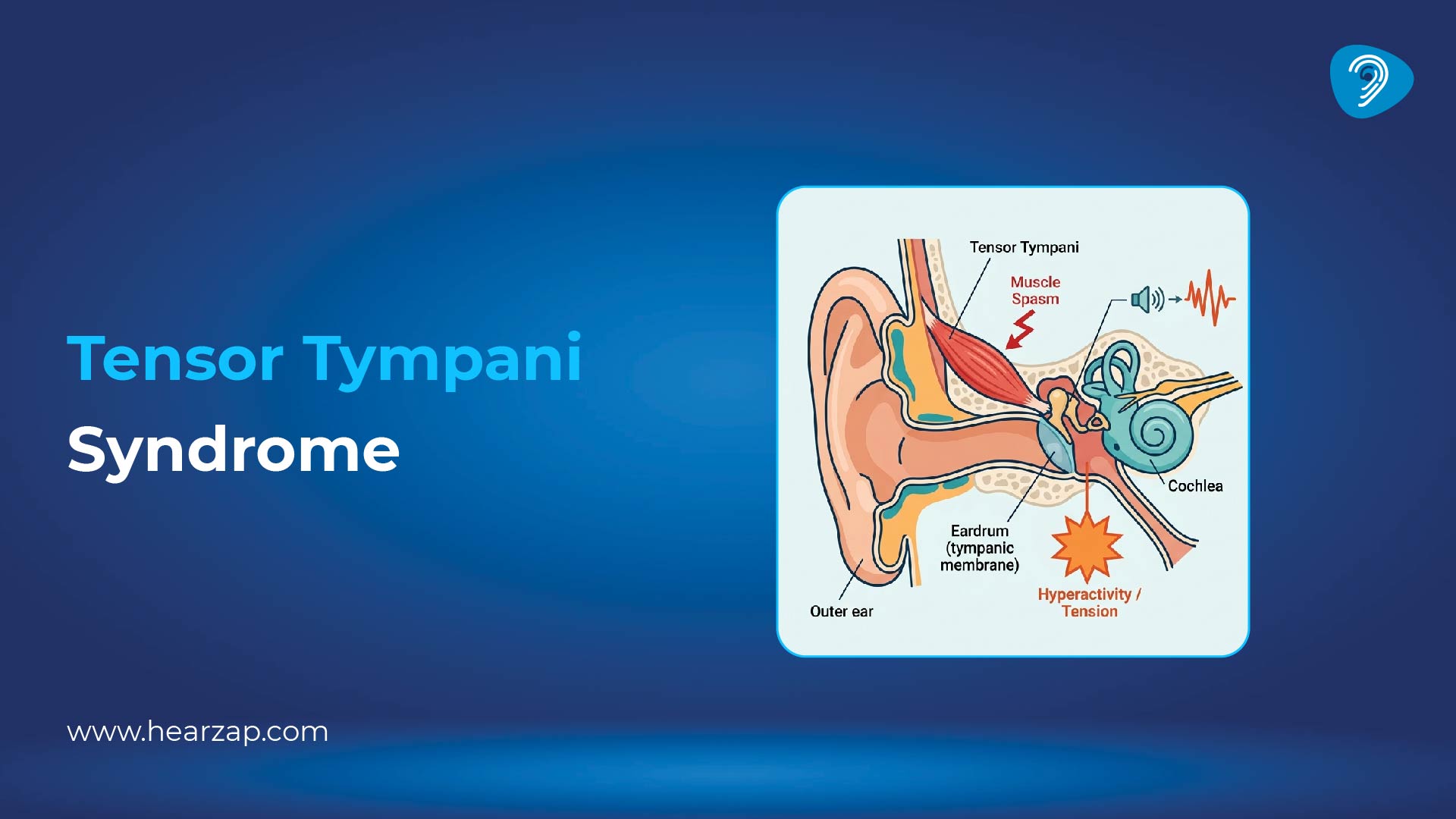
Tensor Tympani Syndrome

Otosclerosis: When Your Ear's Own Bone Works Against You
Ear Bleeding: Causes, Treatment & What to do Immediately
Contact us
We are here for all your hearing needs, from hearing tests to hearing aids. Fill out the form below, and we will give you a call soon.
Recent Blogs
By None | Aug. 29, 2026
By None | Aug. 28, 2026
By Team Hearzap | Aug. 27, 2026
By Team Hearzap | Aug. 26, 2026
By None | Aug. 25, 2026