HEARING AIDS
Are Your Hearing Aid Batteries Draining Too Fast?
By Team Hearzap | July 3, 2026
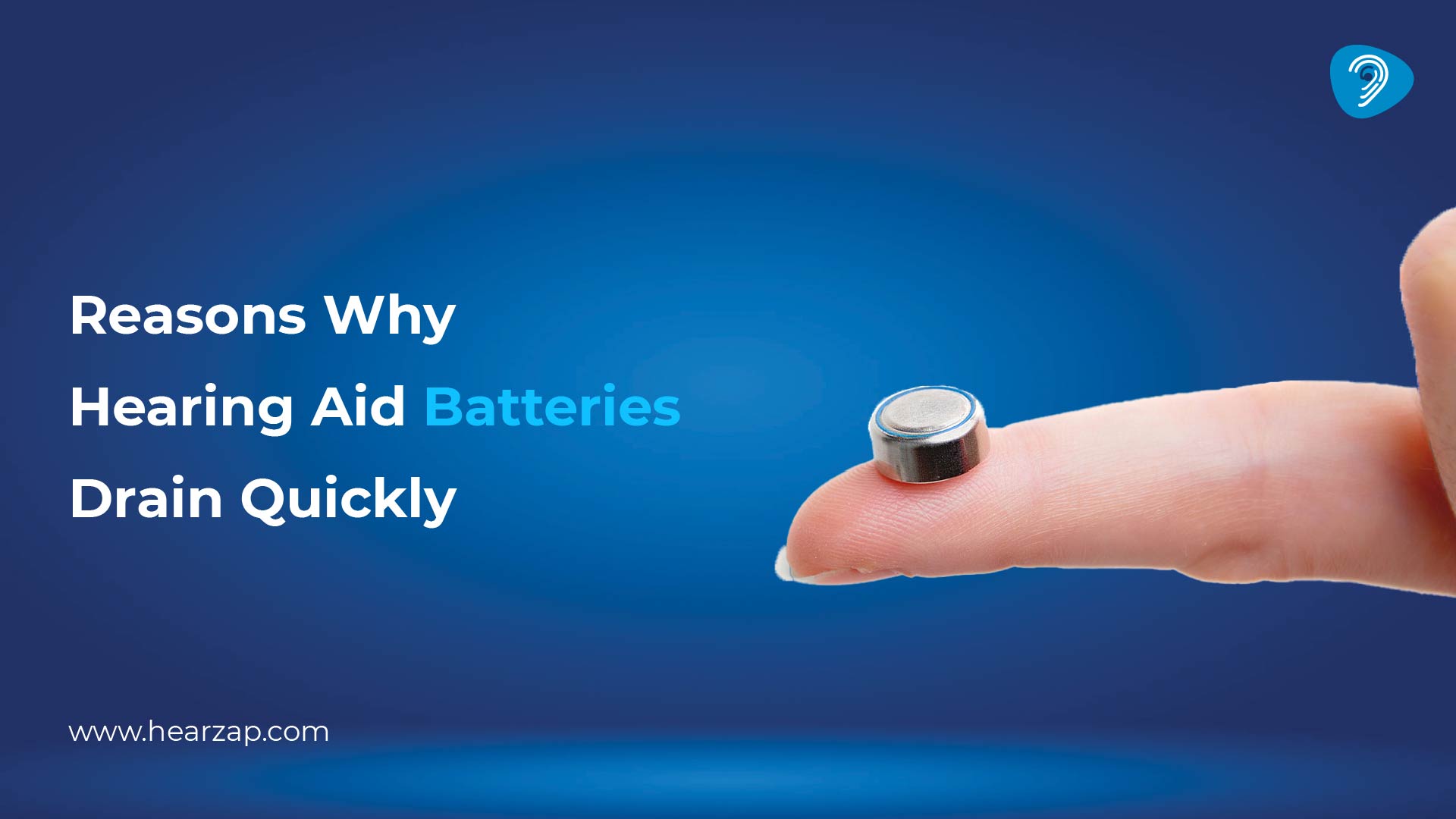
Your hearing aid works well in the morning, but by evening, the low battery sound starts again. This can be irritating, especially when you are in the office, travelling, watching TV, or talking with family. Many users think the device has a problem, but that is not always true. Battery drain can happen because of Bluetooth use, long working hours, sweat, humidity, old batteries, or simple storage mistakes.
Why Are Your Hearing Aid Batteries Draining Too Fast?
If your hearing aid battery is not lasting as long as it should, there is usually a reason behind it. In many cases, it is linked to daily use, weather conditions, battery quality, or the way the device is being handled.
For example, if your hearing aid is set at a higher volume or is working harder to support your level of hearing loss, it may use more power. Features like Bluetooth, background noise control, and regular streaming can also make the battery drain faster.
Understanding Hearing Aid Battery Life
Hearing aid battery life is not the same for everyone. A person who wears the device for five hours won't use the same power as someone who wears it all day.
How Long Do Hearing Aid Batteries Typically Last?
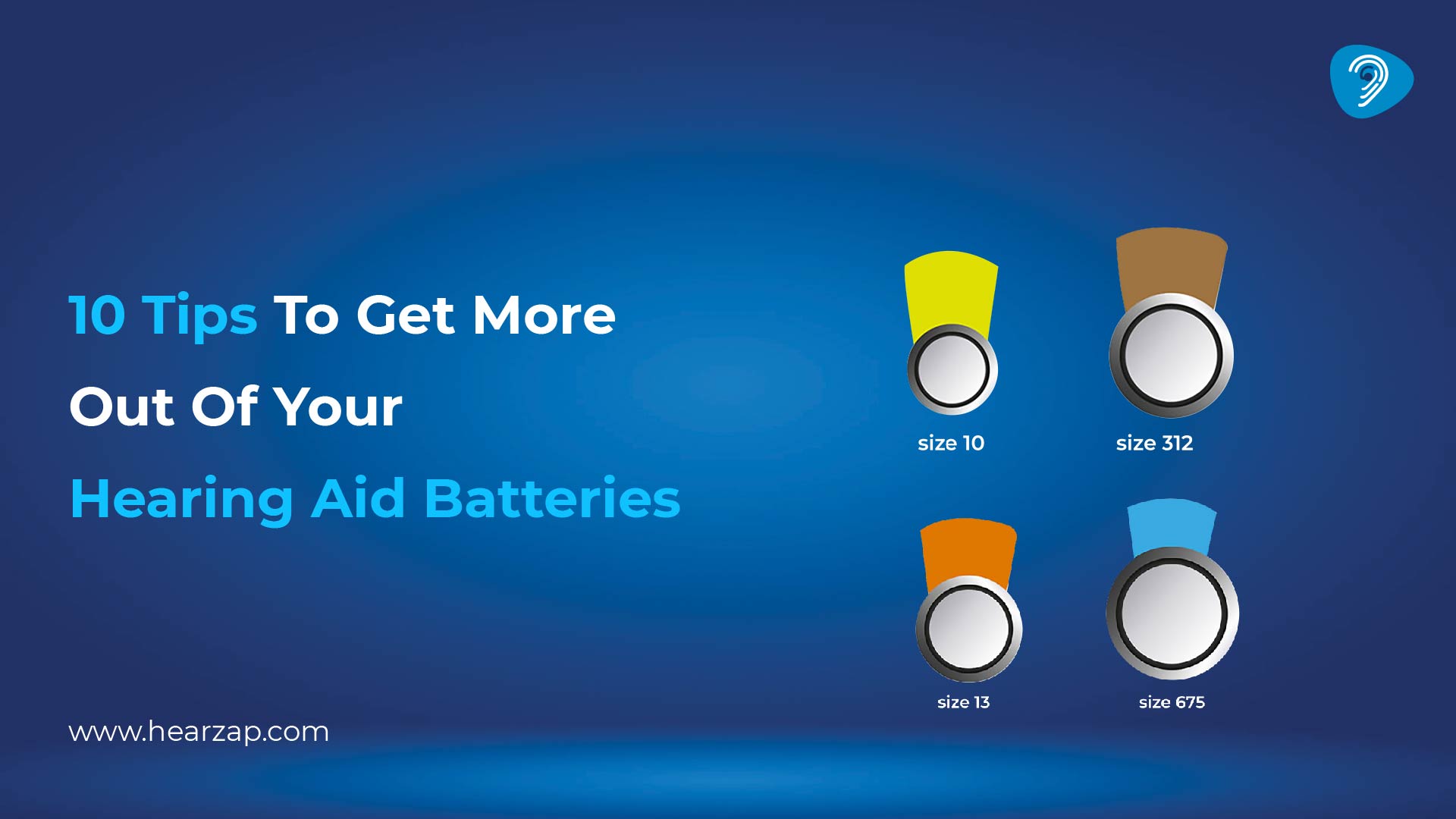
Most disposable hearing aid batteries last between three and ten days. Small size 10 batteries finish faster. Sizes 312, 13, and 675 may last longer, depending on the model. Rechargeable hearing aids need regular charging. Before choosing one, read about rechargeable hearing Aids.
Common Reasons Hearing Aid Batteries Drain Quickly
Battery life often reduces because of simple everyday habits. Once you know the cause, it becomes easier to manage.
High Daily Usage
If you wear hearing aids from morning to night, the battery will finish faster. This is common for office goers, students, teachers, and elders.
Streaming and Bluetooth Connectivity
Bluetooth is useful, but it is also one reason for hearing aid batteries draining too fast. Calls, videos, music, meetings, and TV streaming need more power.
Moisture and Humidity Exposure
In India, heat, sweat, rain, and humidity can affect hearing aid batteries. Moisture may disturb battery contact and reduce performance.
Improper Battery Storage
Batteries should not be kept in bathrooms, kitchens, cars, or near windows. Heat and damp air can reduce their power before use.
Leaving Battery Door Closed When Not in Use
When the battery door stays closed, the device may still use a little power. Opening the door at night saves battery and lets air pass.
Expired or Low Quality Batteries
Old batteries may look normal, but they may not give steady power. Check the expiry date, and avoid loose batteries from unknown places.
Tips to Extend Hearing Aid Battery Life
A few small habits can improve battery backup. You do not need a complicated routine, only regular care.
Proper Battery Handling
Touch batteries with clean, dry hands. After removing the sticker, wait for one minute before putting the battery inside. This gives it time to activate. For daily care tips, read about hearing aid maintenance.
Storage Best Practices
Keep batteries in their original packaging until use. Do not keep them loose with coins, keys, or metal items.
Keeping Hearing Aids Dry
Wipe your hearing aids every night with a soft, dry cloth. If you sweat a lot, ask an audiologist about drying boxes and useful hearing aid accessories.
Turning Off Devices When Not in Use
Open the battery door before sleeping. If you won't use the device for a few days, remove the battery fully. You can also read the hearing aid battery life.
When Should You Replace Hearing Aid Batteries?
A weak battery usually gives clear signs. It is better to change it before an important meeting, journey, or family event.
Replace the battery when the sound becomes weak, the hearing aid gives a low battery alert, or the device switches off suddenly. If one battery lasts for fewer hours than before, note it. When fresh batteries also drain quickly, the device may need cleaning, repair, or setting changes. A hearing test may also help.
Hearzap's Hearing Aid Support Services
Battery issues can confuse new users. A trained audiologist can tell whether the problem is with the battery, device, fitting, or usage pattern.
Hearzap supports users with hearing aid consultation, battery guidance, servicing help, and expert audiologist care across India. You can buy hearing aids online after proper guidance. For personal support, book an appointment with Hearzap.
FAQs
Why are my hearing aid batteries draining too fast?
Long use, Bluetooth streaming, moisture, old batteries, poor storage, or device issues can drain batteries faster.
How long do hearing aid batteries typically last?
Most disposable batteries last three to ten days, based on size, device type, and daily use.
Does Bluetooth reduce hearing aid battery life?
Yes, Bluetooth calls, videos, meetings, and music streaming use extra battery power.
How can I improve hearing aid battery life?
Store batteries properly, keep hearing aids dry, open the battery door at night, and reduce extra streaming.
When should I replace hearing aid batteries?
Replace them when the sound becomes weak, alerts start, or the device switches off sooner than usual.
Are rechargeable hearing aids better than disposable batteries?
They help users who prefer charging at night instead of changing batteries again and again.
Related Blogs
Do You Really Need Two Hearing Aids?
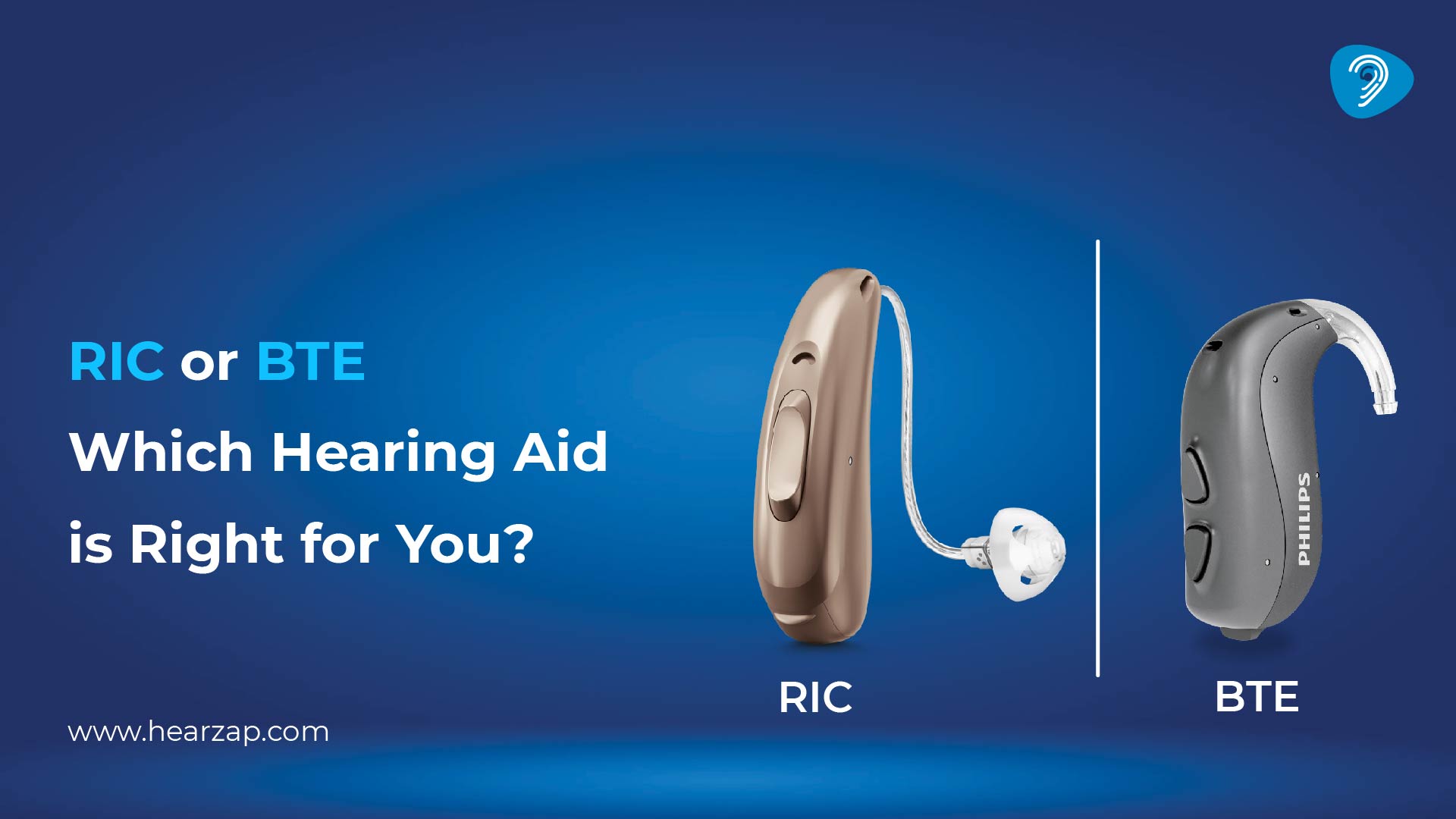
RIC vs BTE Hearing Aids – Which Is Right for You
Why Do Hearing Aids Whistle? Understanding Feedback and How to Fix It

Benefits of Hearing Aids
Reasons to Choose Philips Hearing Aids
Reasons to Choose Rexton Hearing Aids
10 Tips to Optimize Hearing Aid Battery Life
Contact us
We are here for all your hearing needs, from hearing tests to hearing aids. Fill out the form below, and we will give you a call soon.
Recent Blogs
By None | Sept. 5, 2026
By None | Sept. 4, 2026
By None | Sept. 2, 2026
By None | Sept. 1, 2026
By None | Aug. 31, 2026