Generic
Ageing and Tinnitus: Understanding the Connection and Finding Relief
By Sharanya Krishnan - Audiologist | Aug. 31, 2026
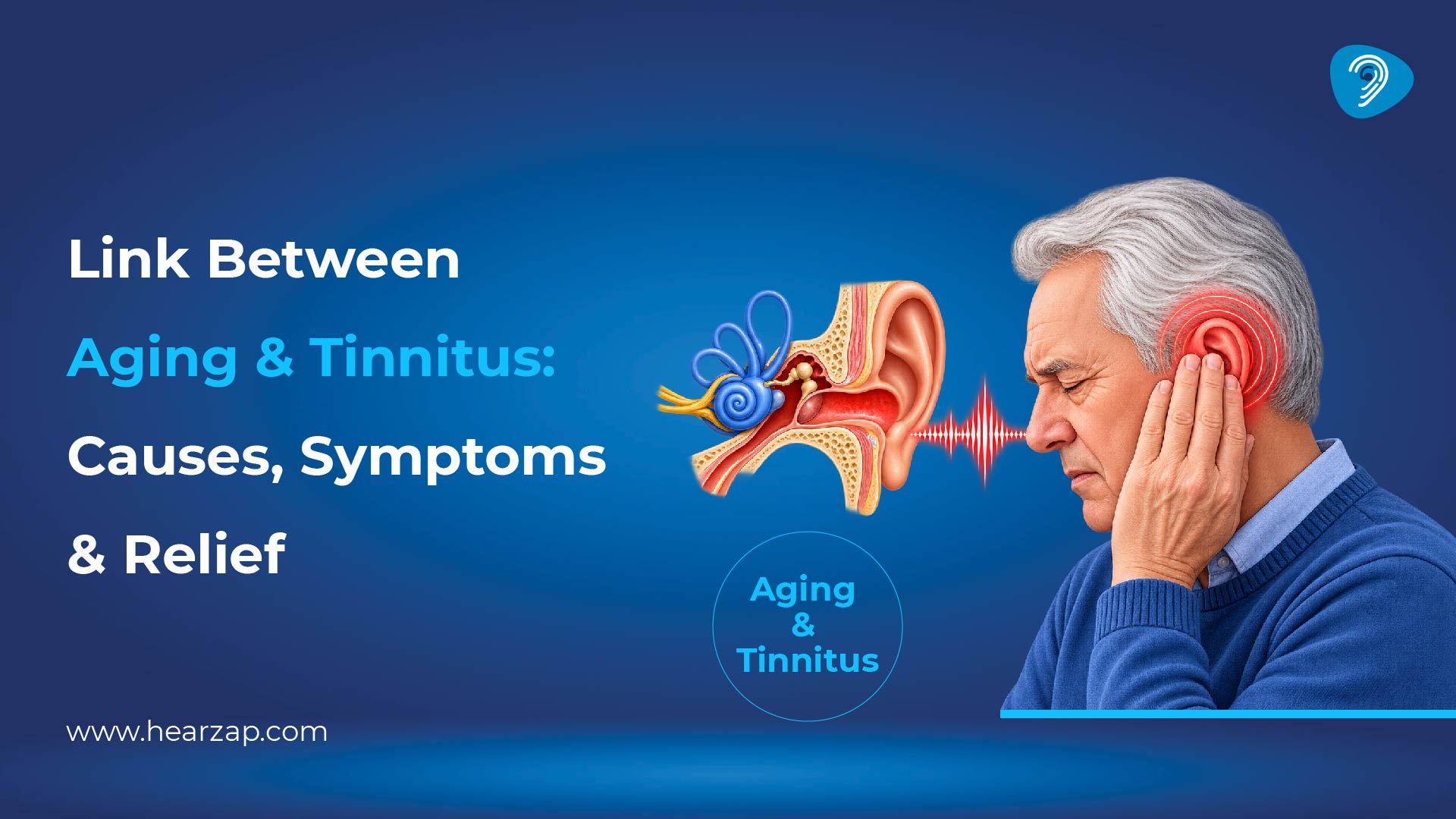
Tinnitus often becomes more noticeable as people grow older, particularly when hearing begins to change. Ringing, buzzing or humming may be occasional for some people and distracting for others. Ageing does not make tinnitus inevitable, but changes in the inner ear, past noise exposure, hearing loss and ear problems may contribute.
Understanding what can sit behind the sound makes it easier to seek appropriate care and manage its impact. For many older adults, timely attention can also make everyday conversations, sleep and quiet moments feel more comfortable and manageable.
Why Does Tinnitus Become More Common with Age?
The connection between ageing and tinnitus is often linked to gradual changes in how the ears and brain process sound. As hearing becomes less sensitive, reduced external sound may make internal sounds more noticeable.
- Age-related hearing changes can alter sound processing.
- Earlier exposure to loud workplaces, traffic, music or machinery may contribute.
- Quieter surroundings may make tinnitus stand out more clearly.
Can Tinnitus Get Worse as You Age?
Tinnitus does not follow the same path for everyone. Some people notice little change, while others find the sound more intrusive. Stress, tiredness, hearing difficulty and ear problems can also affect how strongly it is perceived.
- Poor sleep may make the sound harder to ignore.
- Further loud-noise exposure can affect hearing.
- Earwax or ear conditions may worsen symptoms.
What Are the Common Signs of Tinnitus in Older Adults?
Tinnitus in older adults varies widely. Some notice it mainly at bedtime, while others hear it through the day. It may appear with hearing difficulty or before any obvious change in hearing is recognised.
Ringing, Buzzing or Humming in the Ears
Tinnitus may sound like ringing, buzzing, humming, hissing, whistling, roaring or whooshing. It can seem mild in busy surroundings and stronger in silence.
- Pay attention if it seems to pulse with the heartbeat.
- Seek advice when it is new, persistent, worsening or troublesome.
- Get prompt medical care if it occurs with sudden hearing loss, severe dizziness or other sudden symptoms.
Tinnitus and Difficulty Hearing
Tinnitus and hearing loss often occur together. As everyday sounds become harder to hear, tinnitus may stand out more. Conversation, softer voices and speech in noisy places may also become difficult.
- A hearing assessment can identify changes that are easy to miss.
- Age-related hearing loss treatment may include suitable hearing technology and professional hearing care.
- Better access to surrounding sound may make tinnitus less dominant for some people.
Tinnitus, Sleep and Concentration Problems
Persistent tinnitus may become more noticeable in quiet periods. It can delay sleep, interrupt concentration or make everyday tasks feel more tiring.
- Tiredness may increase awareness of tinnitus.
- Ongoing frustration may affect mood and daily comfort.
- Sleep or concentration problems should be discussed during an assessment.
What Causes Tinnitus in Older Adults?
Tinnitus is a symptom rather than a single condition. Later in life, it may be linked with hearing loss, accumulated noise exposure, ear problems, medicines or other health factors. Occasionally no single cause is found.
Age-Related Hearing Loss and Tinnitus
Natural changes linked to age-related hearing loss can affect the inner ear and hearing pathways over time. As hearing sensitivity reduces, the brain receives a different pattern of sound input.
- Speech may become less clear in background noise.
- Softer environmental sounds may be missed.
- Tinnitus may stand out as external sound reduces.
Long-Term Exposure to Loud Noise
Years around loud machinery, traffic, construction or amplified sound can affect hearing gradually. The connection may only become obvious much later.
- Reduce unnecessary exposure to loud sound.
- Use suitable hearing protection where needed.
- Arrange a hearing test when communication becomes harder.
Earwax Buildup and Ear Problems
A blocked ear canal can change how sound reaches the ear and may sometimes trigger or worsen tinnitus. Ear infections and other ear conditions can have a similar effect.
- Avoid inserting objects into the ear to remove wax.
- Seek professional help for persistent blockage or discomfort.
- Treat ear problems rather than assuming symptoms are age-related.
Medications That May Trigger Tinnitus
Certain medicines may be associated with tinnitus in some people. The effect can depend on the medicine, dose and individual health.
- Mention new tinnitus when discussing medicines with a healthcare professional.
- Never stop or change medication without medical advice.
- Ask whether another option is suitable if a medicine is suspected.
Underlying Health Conditions
Tinnitus can sometimes be associated with conditions affecting circulation, metabolism, nerves or structures around the ear. This does not mean tinnitus usually signals something serious, but persistent or unusual symptoms deserve assessment.
- Report pulsing tinnitus to a medical professional.
- Mention dizziness, balance changes or sudden hearing changes.
- Seek timely care when symptoms appear suddenly.
Changes in the Auditory System with Age
Ageing can affect the pathways that carry sound to the brain as well as the ear itself. These changes may influence how clearly sound is processed and how strongly tinnitus is noticed. A hearing assessment can help identify these changes before you buy hearing aids online, particularly when tinnitus is accompanied by difficulty hearing everyday sounds.
- Speech may require greater listening effort.
- Background noise can become harder to separate from conversation.
- Reduced sound input may increase awareness of internal noise.
What Should You Do if You Develop Tinnitus?
New-onset tinnitus is worth noticing without assuming the worst. Note when it occurs, what it sounds like and whether hearing has changed. A hearing professional can then guide the next steps.
Get Your Hearing Tested
A hearing test can show whether tinnitus is occurring alongside hearing loss and whether further medical assessment may be needed.
- Describe when the tinnitus began.
- Mention hearing, balance or ear symptoms.
- Share how it affects sleep, concentration and communication.
Consider Hearing Aids for Tinnitus and Hearing Loss
When hearing loss is present, hearing aids may make everyday sounds easier to access. For some people, this approach reduces the contrast between tinnitus and the surrounding soundscape.
- Devices should match the person’s hearing needs.
- Some include sound-support features for tinnitus.
- Proper fitting and programming improve listening comfort.
Explore Tinnitus Masking and Sound Therapy
Sound-based approaches use gentle background sound to reduce the prominence of tinnitus rather than trying to overpower it. Such approaches may form part of suitable treatments for tinnitus based on individual needs.
- Soft natural sounds may help during quiet periods.
- Neutral background sound may support bedtime routines.
- An audiologist can help tailor sound strategies.
How Can You Manage Tinnitus as You Age?
Tinnitus management works best as part of everyday hearing and wellbeing care, with the aim of making the sound less intrusive.
Protect Your Hearing from Loud Noise
Further noise exposure can place extra strain on hearing.
- Keep personal listening at a comfortable level.
- Move away from very loud sounds when possible.
- Use suitable hearing protection in noisy settings.
Manage Stress and Improve Sleep
Stress and tiredness can make tinnitus harder to ignore. A calmer routine may not remove the sound, but it can reduce distress around it.
- Keep a steady sleep routine.
- Use gentle background sound at night if helpful.
- Try breathing exercises, stretching or relaxation.
When Should You See an Audiologist for Tinnitus?
Professional evaluation is important when tinnitus persists, keeps returning, becomes bothersome or appears with hearing difficulty.
- Arrange a hearing assessment when conversation becomes harder.
- Seek advice when tinnitus affects sleep or concentration.
- Get prompt medical care for sudden hearing loss, severe dizziness, facial weakness, tinnitus after a head injury or a sound that pulses with the heartbeat.
- Do not assume a new hearing change is simply due to age.
Don’t Ignore Changes in Your Hearing
Hearing changes may develop gradually, so people often adapt without noticing the extra effort listening requires. Tinnitus can be a useful prompt to pay attention. Early attention can also prevent unnecessary worry about unfamiliar symptoms.
- Notice repeated difficulty following conversation.
- Watch for trouble hearing television or softer voices.
- Seek hearing care before communication becomes more difficult.
Get Expert Hearing Care at Hearzap
Persistent tinnitus or hearing changes should not be dismissed as a natural part of ageing. Hearzap offers professional hearing care designed to address individual concerns and support clearer, more comfortable listening.
- Comprehensive hearing assessments
- Consultations with qualified audiologists
- Personalised hearing aid recommendations
- Tinnitus-support options where appropriate
- Hearing aid fitting and programming
- Ongoing follow-up and fine-tuning
Those noticing persistent ringing, buzzing or changes in hearing can book appointment services with Hearzap for professional guidance. With expert support, older adults can better understand tinnitus symptoms and manage everyday hearing difficulties with greater confidence.
Frequently Asked Questions
1. Is tinnitus normal with ageing?
It becomes more common later in life, but it is not inevitable. Persistent or troublesome tinnitus deserves assessment, particularly when hearing has changed.
2. At what age is tinnitus most common?
It is reported more often later in adulthood, when hearing changes and the effects of past noise exposure are more likely to be present.
3. Will age-related tinnitus go away?
It may improve when a contributing problem such as earwax is treated. Long-standing tinnitus can persist, but suitable management may make it far less intrusive.
4. How can older adults manage tinnitus at home?
Gentle background sound, sensible hearing protection, regular sleep, stress management and avoiding unnecessary loud noise can help. Persistent or worsening symptoms still need professional assessment.
5. Can hearing aids help with tinnitus?
They may help when tinnitus occurs with hearing loss. Clearer surrounding sound can reduce the contrast that makes tinnitus stand out, and an audiologist can advise on suitable features.

Sharanya Krishnan - Audiologist
Senior Manager – Training, Customer Experience & Business Development
With over 20 years of experience in hearing and speech healthcare. Passionate about client-centred care, I believe in a culture of empathy, trust, personalized support & focus on ensuring that every individual enjoys a seamless and fulfilling hearing care

Contact us
We are here for all your hearing needs, from hearing tests to hearing aids. Fill out the form below, and we will give you a call soon.
Recent Blogs
By None | Aug. 29, 2026
By None | Aug. 28, 2026
By Team Hearzap | Aug. 27, 2026
By Team Hearzap | Aug. 26, 2026
By None | Aug. 25, 2026