Generic
Ruptured Eardrum: Symptoms, Causes & Treatment
By Dattatreya M | July 24, 2026
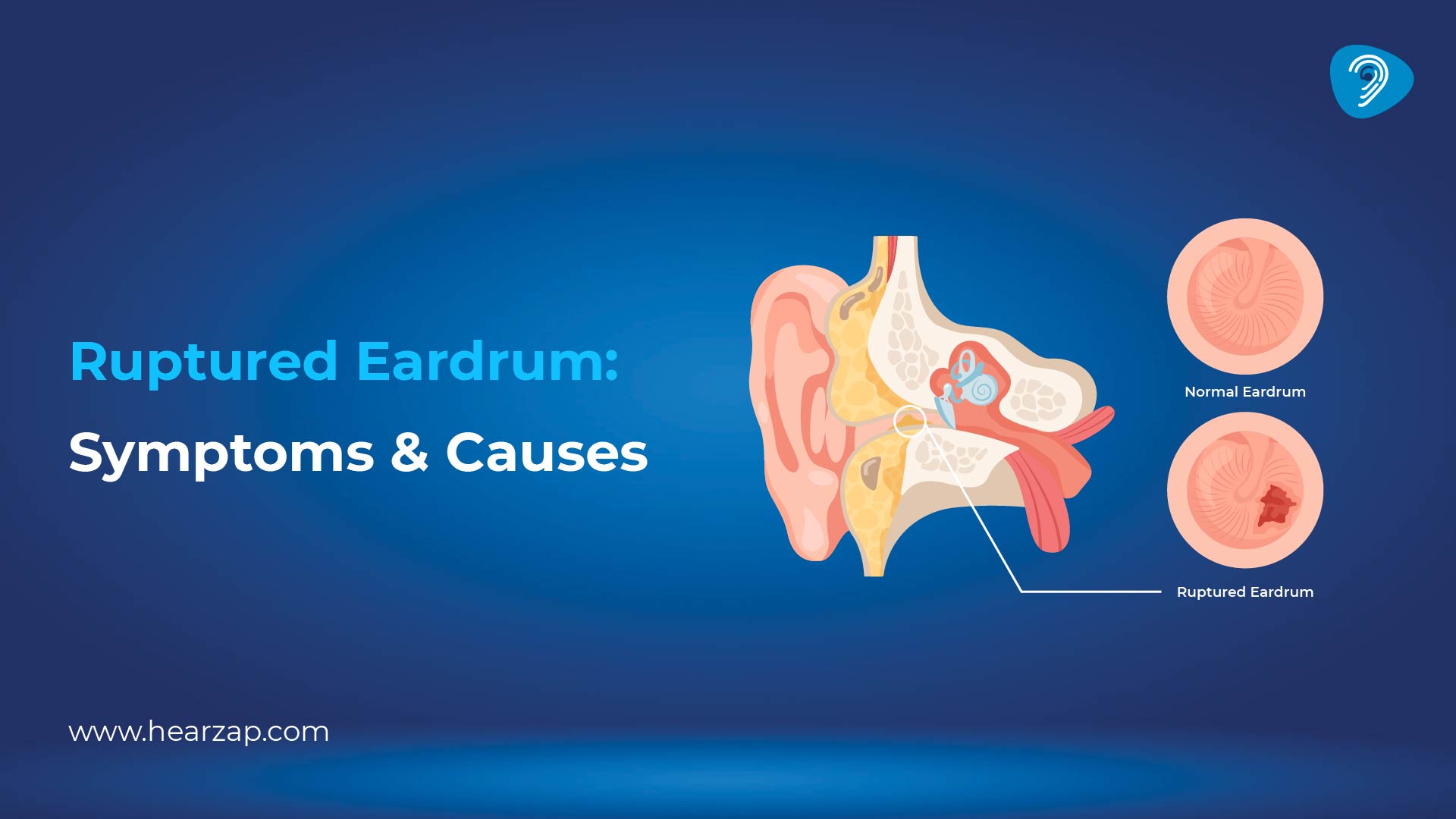
A ruptured eardrum can feel frightening because it often appears suddenly: sharp pain, fluid from the ear, muffled hearing, or ringing. In simple terms, it means the thin membrane inside the ear has a tear or hole. The good news is that many small tears heal with the right care. This guide explains the causes, ruptured eardrum symptoms, treatment, recovery, and when to see an ENT specialist. Knowing what to do early can protect comfort, recovery, and communication. Do not wait for symptoms to settle alone.
What Is a Ruptured Eardrum?
An eardrum rupture is a tear in the tympanic membrane, the delicate layer separating the ear canal from the middle ear. It can happen after infection, pressure change, injury, or unsafe ear cleaning.
How the Eardrum Works
Sound travels through the ear canal and strikes the eardrum. The eardrum vibrates and passes these vibrations to tiny middle-ear bones, which help the brain understand sound. It also protects the middle ear from water, dust, and germs.
What Happens When It Ruptures
When the membrane tears, sound does not move normally. Germs or water may also reach the middle ear. This can cause pain, discharge, infection, dizziness, and temporary hearing loss.
What Causes a Ruptured Eardrum?
Ear Infections
Ear infections can create pressure behind the eardrum. When pus or fluid builds up, the membrane may tear. Treat ear pain early, especially in children, instead of waiting for severe discharge.
Sudden Pressure Changes (Barotrauma)
Air travel, diving, mountain trips, or forceful nose blowing can disturb ear pressure. Swallowing, yawning, and avoiding travel with heavy congestion may reduce risk.
Loud Noise Exposure
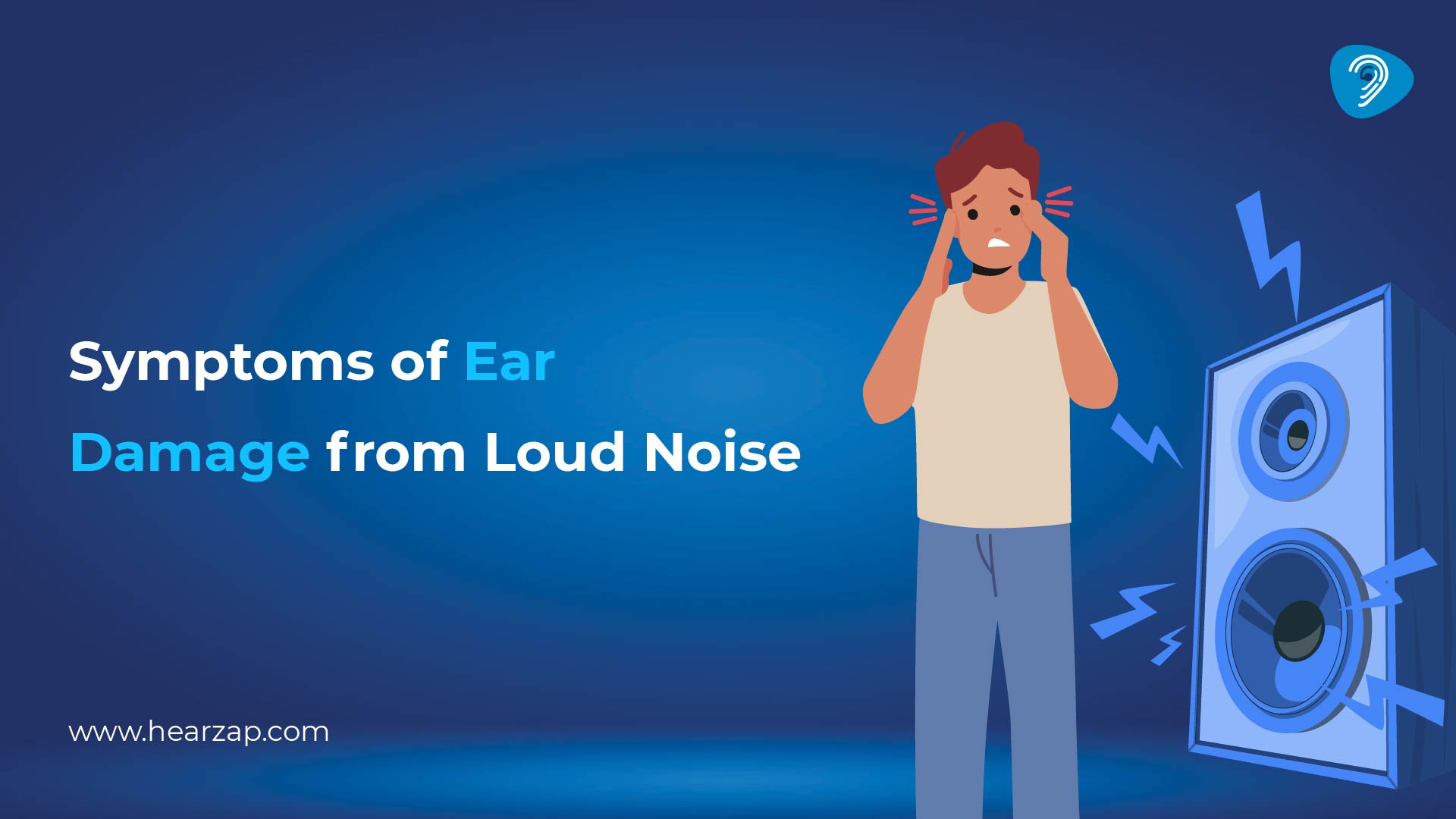
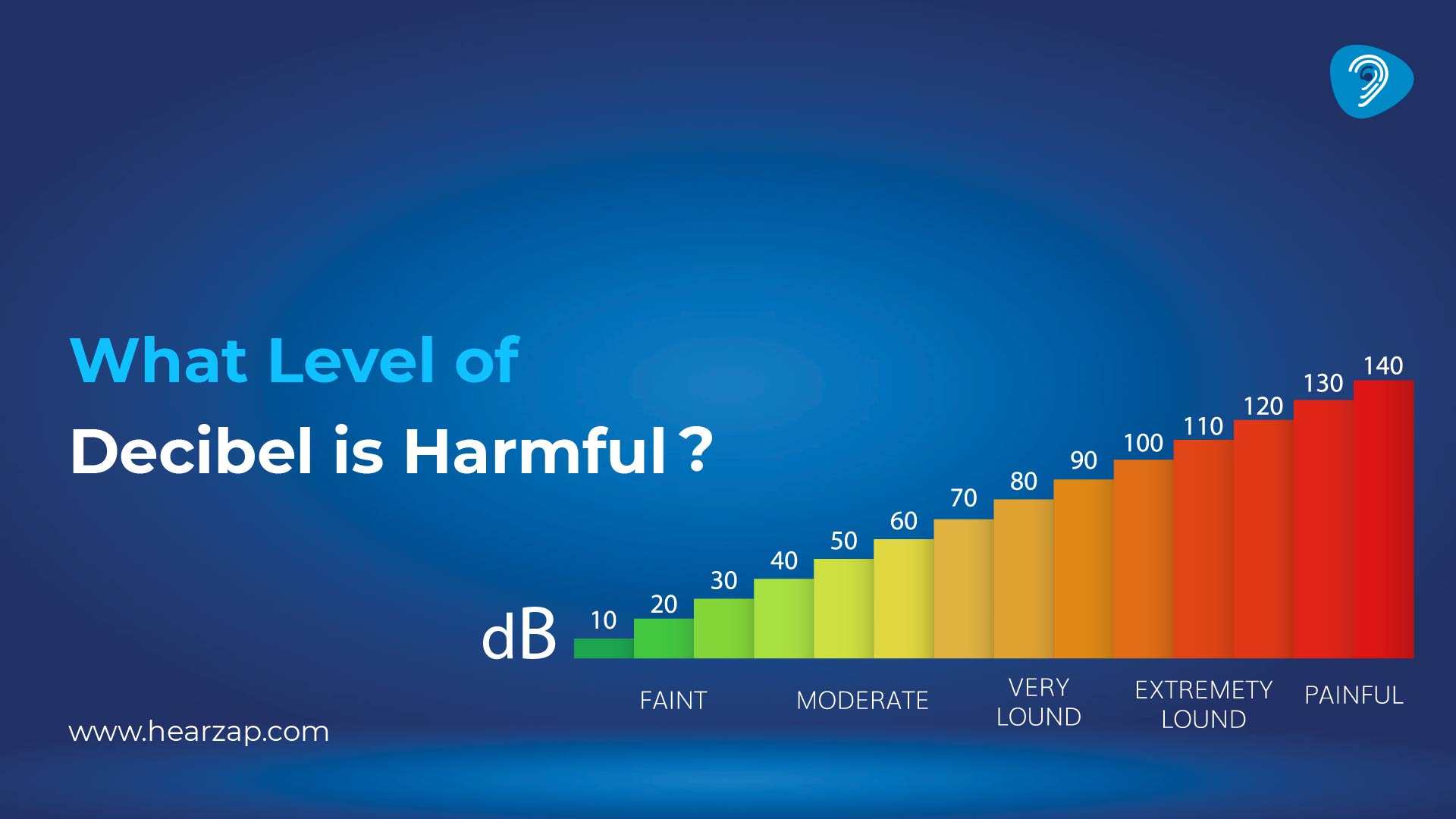
Firecrackers, loudspeakers, blasts, and very loud headphones can injure the ear. Keep volume moderate and use ear protection during noisy events.
Ear Injury or Trauma
A slap, fall, sports injury, or road accident can damage the eardrum. Do not ignore bleeding, spinning sensation, or sudden hearing change after injury.
Inserting Objects into the Ear
Cotton buds, hairpins, keys, and ear candles can push wax deeper or tear the membrane. Clean only the outer ear and seek help for blocked wax.
Signs and Symptoms of a Ruptured Eardrum
Some people search for signs of ruptured eardrum after a sudden change in hearing. Watch these symptoms carefully.
Sudden Ear Pain
Pain may be sharp and intense. In some infections, pain reduces once fluid escapes, but that does not mean the ear is fine.
Hearing Loss
Hearing may become muffled or reduced in one ear. A hearing test helps measure the level of change and supports the next step.
Ear Discharge
Clear, yellow, pus-like, or blood-stained fluid needs attention. Keep the ear dry and avoid putting drops unless prescribed.
Ringing in the Ear (Tinnitus)
Ringing, buzzing, or hissing (Tinnitus) may occur after infection, pressure change, or noise exposure. Persistent ringing should be assessed.
Dizziness or Vertigo
Dizziness, vomiting, or spinning can suggest deeper ear involvement. Do not drive if balance feels disturbed.
How Is a Ruptured Eardrum Diagnosed?
Physical Ear Examination
An ENT specialist or audiologist looks inside the ear with a lighted instrument to check for a tear, swelling, discharge, or wax blockage.
Hearing Tests
Audiometry checks how well each ear hears different pitches and volumes. It is useful when hearing feels blocked, weak, or uneven.
Tympanometry Test
A tympanometry test measures eardrum movement and middle-ear pressure. It can help identify fluid, pressure problems, or reduced membrane movement.
Ruptured Eardrum Treatment
The right ruptured eardrum treatment depends on the tear size, cause, infection, and hearing level.
Natural Healing
Many small tears heal within a few weeks. During this time, the ear must stay dry, and follow-up is important.
Medications
Doctors may suggest pain relief or antibiotic ear drops when infection is present or likely. Avoid self-medication, oil, and home remedies.
Eardrum Patch
If healing is slow, a specialist may place a patch over the tear to encourage closure.
Tympanoplasty Surgery
Larger or non-healing tears may need tympanoplasty, where tissue is used to repair the eardrum and improve protection.
How to Heal a Ruptured Eardrum Faster
Recovery is not about doing more; it is about avoiding harm.
- Keep water out while bathing.
- Do not swim until cleared.
- Do not insert cotton buds.
- Avoid forceful nose blowing.
- Take prescribed medicines correctly.
- Attend follow-up visits.
Also, avoid loud sound exposure during recovery. If you have repeat infections, scarring such as Tympanosclerosis may affect movement of the eardrum, so timely care matters.
Can a Ruptured Eardrum Affect Hearing?
Yes, hearing can become dull, blocked, or distorted. In many cases, it improves as the tear heals, but hearing should be rechecked if symptoms continue. Ignoring ongoing ruptured eardrum symptoms may delay treatment for infection, scarring, or middle-ear damage. If long-term support is advised after evaluation, you can buy hearing aids online, but it should be considered only with professional guidance.
Hearzap Hearing Care Services
Hearzap offers hearing evaluations, audiologist-led assessments, hearing care guidance, and support for people noticing hearing changes after ear injury or infection. You can book an appointment with us to plan an assessment, understand test results, and receive suitable next steps. The focus is not just on devices but on identifying the cause and protecting hearing health.
Also Read: Ear Infections: Causes, Symptoms & Treatment
Middle Ear Infections (Otitis Media)
FAQs
1. What side should I sleep on with a ruptured eardrum?
The sleeping position with a ruptured ear is to avoid lying on the injured side to decrease the pain and pressure. Sleeping other than the affected side may prevent the risk of infection.
2. Can a ruptured eardrum heal?
Yes, most of the ruptured eardrums get healed within a few weeks without any medications. However, in some severe cases may require a antibiotics or surgical treatment.
3. How long will a ruptured eardrum leak?
The leakage from a ruptured eardrum may typically take a few days to a week. If it is continues for more than a week, then you need a medical attention to cure the infection.
4. Can you hear with a ruptured eardrum?
Yes, we can hear with a ruptured eardrum, but hearing may be reduced or muffled in the affected ear depending on the size and location of the tear. The hearing becomes normal after healing.
5. What is a ruptured eardrum?
The ruptured eardrum is a hole or a tear in the thin membrane separating the outer ear from the middle ear. It may cause infection, trauma, or sudden pressure changes.

Dattatreya M
Audiology Innovation Manager
Helping You Hear Life Again. At Hearzap, we believe hearing is the key to staying connected with family, friends, and the world around us. With over 48 years of trusted care & my 15 years in audiology, I’ve seen how improved hearing brings back confidence

Contact us
We are here for all your hearing needs, from hearing tests to hearing aids. Fill out the form below, and we will give you a call soon.
Recent Blogs
By None | Sept. 5, 2026
By None | Sept. 4, 2026
By None | Sept. 2, 2026
By None | Sept. 1, 2026
By None | Aug. 31, 2026