Generic
Understanding the Growth of the Hearing Aid Market
By Team Hearzap | Oct. 6, 2026
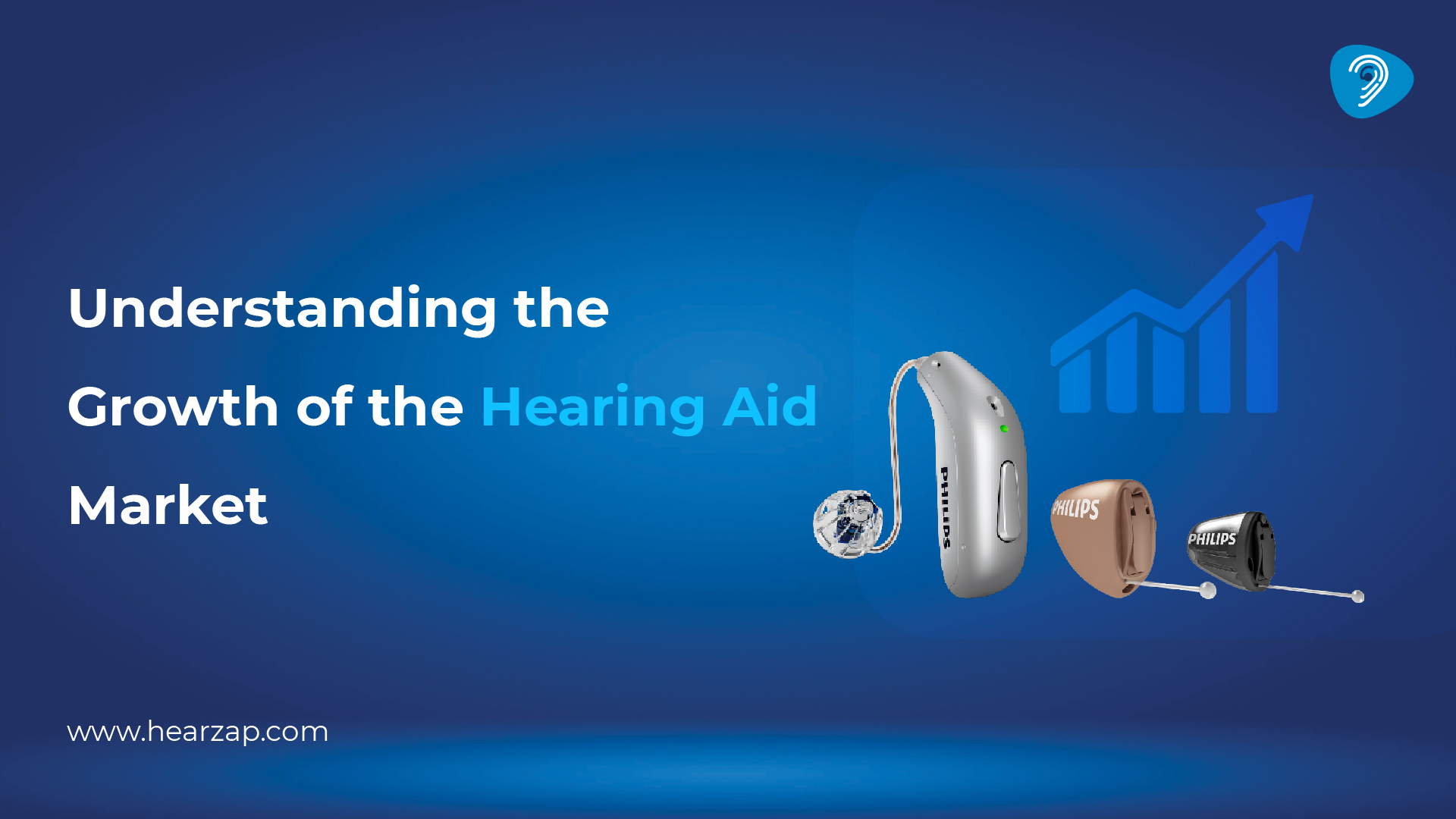
Hearing-care is becoming an important part of everyday wellbeing, and the hearing aid market is evolving with that shift. More people are recognising hearing changes earlier, exploring professional support, and looking for devices that fit naturally into daily life.
At the same time, advances in comfort, connectivity, rechargeable technology, and personalised sound are changing what users expect. Together, these developments are making modern hearing solutions feel more practical, approachable, and relevant to people across different age groups and lifestyles.
How Has Hearing Aid Technology Evolved Over Time?
Hearing technology has progressed from analogue amplification to digital, rechargeable, wireless and increasingly intelligent devices. Modern systems process sound more selectively.
From Basic Amplification to Digital Hearing
Digital hearing aids can adjust sound more precisely instead of simply making everything louder.
They may provide:
- Clearer speech processing
- Better noise control
- Personalised settings
- Smoother environmental changes
This gives users a more balanced listening experience across different conversations, settings, and everyday sound environments.
Smaller and More Discreet Hearing Aid Designs
Smaller components have enabled lighter, more discreet devices.
Common improvements include:
- Compact behind-the-ear styles
- Smaller in-ear options
- Lightweight fittings
- Comfortable shapes
These developments have influenced expectations across the hearing aid industry.
What Is Driving the Growth of the Hearing Aid Market?
Hearing aid market growth is supported by greater hearing awareness, changing age demographics, improved technology and wider acceptance of hearing support.
Growing Awareness of Hearing Health
Understanding hearing loss can encourage people to seek help earlier.
Awareness may lead to:
- Earlier assessment
- Timely advice
- Better understanding of options
- Greater confidence using devices
This awareness can support quicker decisions and more confident hearing-care choices.
Increasing Demand for Advanced Hearing Solutions
Many users want hearing technology that fits daily routines.
Common preferences include:
- Rechargeable use
- Wireless connectivity
- Personalised sound
- Simple controls
These expectations are shaping hearing aid industry trends around convenience and usability.
Greater Access to Hearing Care
More hearing centres, online information and professional services are making hearing support easier to explore.
People may access:
- Audiology consultations
- A professional hearing test
- Device guidance
- Follow-up support
Wider access helps more people receive timely, personalised hearing support.
How Are Smart Features Changing Modern Hearing Aids?
Smart features can make devices more connected, adaptable and convenient.
Bluetooth Connectivity and Wireless Features
Compatible devices can connect with phones, televisions and other audio sources.
This may support:
- Call streaming
- Media listening
- Easier device switching
- Convenient communication
Wireless functions are a visible part of innovations in hearing aid technology.
Hearing Aid Apps and Remote Control
Compatible apps may allow users to manage selected settings from a smartphone.
Functions can include:
- Volume changes
- Programme selection
- Battery information
- Sound adjustments
These controls make everyday hearing adjustments simpler, quicker and more convenient.
How Is Artificial Intelligence Influencing Hearing Aid Development?
AI and machine learning can recognise different listening environments, help manage competing sounds and support more responsive sound processing.
Smarter Noise Management
An AI-powered hearing aid may help identify speech and reduce distracting background sounds.
Potential benefits include:
- Better speech focus
- Less listening strain
- Faster adjustment
- More comfortable sound handling
Personalised Listening Experiences
Modern technology can adapt settings to different environments and preferences.
It may support:
- Home listening
- Workplace conversations
- Social settings
- Personal sound profiles
Why Are More People Choosing Rechargeable Hearing Aids?
Rechargeable devices appeal to users who prefer simple charging and less dependence on disposable batteries.
They may offer:
- Convenient overnight charging
- Easier routine management
- Fewer battery changes
- Practical daily use
Charging convenience also influences discussions around hearing aid market size and changing consumer demand.
How Does Hearing Aid Technology Improve Everyday Communication?
Modern devices can support communication across homes, workplaces, restaurants and outdoor settings.
They may help with:
- Family conversations
- Meetings
- Busy social spaces
- Phone listening
- Outdoor communication
Good hearing aid care can support reliable performance through cleaning, maintenance and professional adjustment.
What Role Does an Audiologist Play in Choosing a Hearing Aid?
An audiologist helps match technology with a person’s hearing profile, lifestyle and practical needs.
Hearing Assessment and Personalised Recommendations
A detailed hearing assessment helps professionals understand individual needs before suggesting suitable hearing solutions and features.
A professional assessment may consider:
- Hearing levels
- Communication needs
- Daily environments
- Comfort preferences
Fitting, Programming and Follow-Up Care
Professional fitting helps ensure that a device is comfortable and appropriately programmed.
Follow-up care may include:
- Sound fine-tuning
- Fit checks
- Performance reviews
- Adaptation support
What Are the Emerging Trends in the Hearing Aid Market?
Current hearing aid industry trends centre on personalisation, connectivity and easier everyday use.
Key developments include:
- AI-assisted processing
- Better wireless features
- Rechargeable technology
- Smaller designs
- Health-related functions
- Personalised settings
How Could the Hearing Aid Market Evolve in the Future?
Future development may bring more adaptive processing, stronger connectivity and easier access to personalised support.
Likely areas include:
- Smarter automation
- Remote support
- Discreet designs
- Greater user control
- Better digital integration
What Should You Consider When Choosing a Modern Hearing Aid?
The right device should match both hearing needs and daily routines.
Consider:
- Hearing level
- Comfort and fit
- Lifestyle
- Connectivity
- Charging preference
- Useful features
- Budget
- Professional advice
More features do not automatically mean a better fit for everyone.
Explore Modern Hearing Solutions with Hearzap
Hearzap’s hearing-care professionals can help people understand their hearing needs and explore suitable options through assessment and personalised guidance. They can also explain device features, discuss everyday listening challenges, and recommend practical solutions based on comfort, lifestyle, and hearing requirements.
Support may include:
- Hearing evaluation
- Device recommendations
- Fitting and programming
- Follow-up adjustments
- Practical care advice
Professional guidance can make choosing and using modern hearing technology feel clearer, while helping you book an appointment for personalised hearing support.
FAQs
1. How big is the hearing aid market?
The global market is substantial and growing, although estimates vary depending on research scope, geography and methodology.
2. What is the current size of the hearing aid market in India?
India’s market is expanding, but exact estimates differ across reports because researchers use different definitions and methods.
3. What is the average cost of a good hearing aid?
Costs vary by technology, features, style, professional services and individual hearing needs, so there is no single average.


Contact us
We are here for all your hearing needs, from hearing tests to hearing aids. Fill out the form below, and we will give you a call soon.
Recent Blogs
By None | Oct. 5, 2026
By None | Oct. 3, 2026
By None | Oct. 1, 2026
By None | Sept. 30, 2026
By None | Sept. 29, 2026