HEARING AIDS
Latest Innovations in Hearing Aid Technology
By Dattatreya M | Sept. 7, 2026
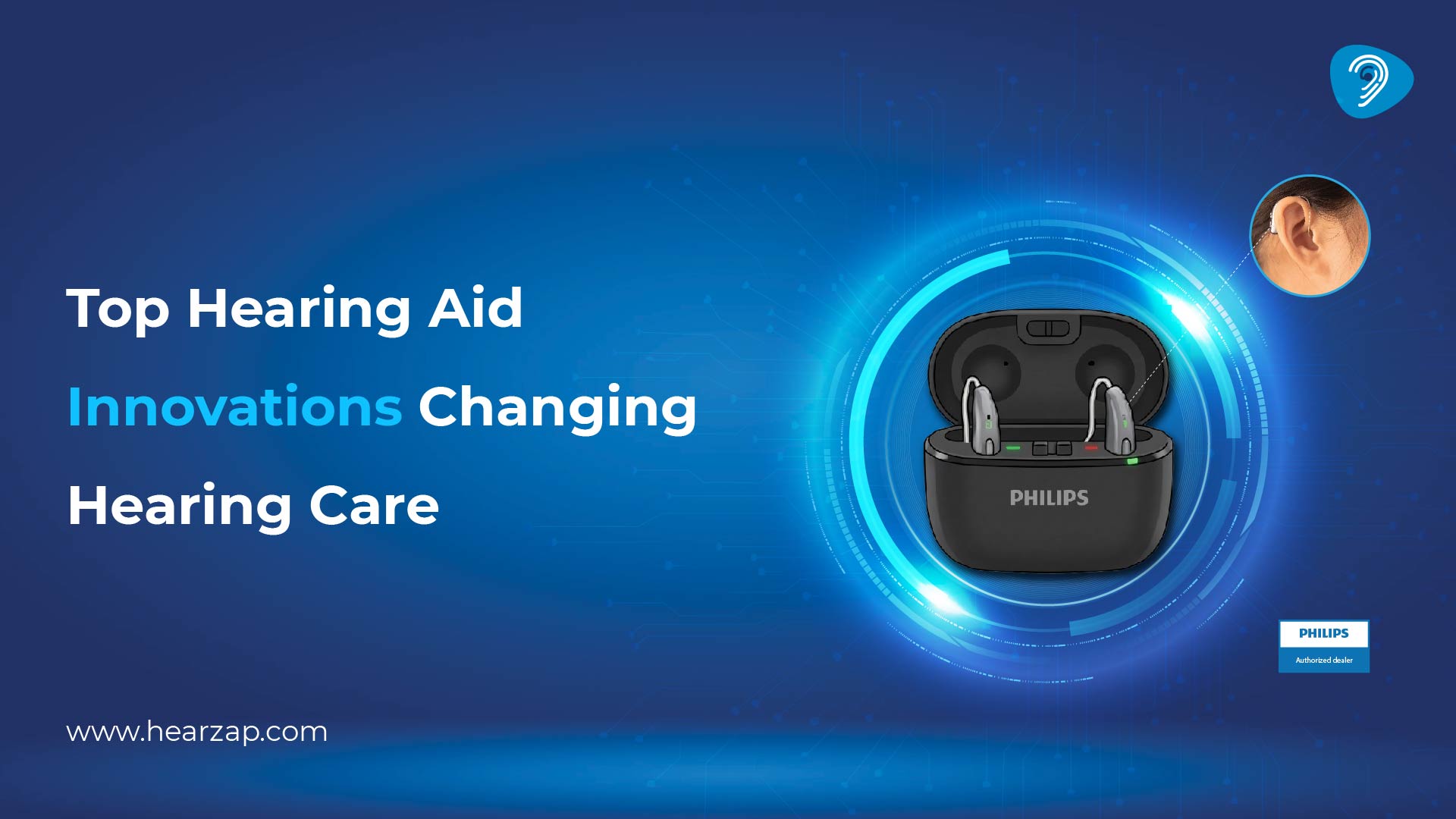
Modern hearing aids are becoming more intelligent, connected and convenient. They can respond to changing surroundings, link with everyday devices, use rechargeable power, and support more personalised care.
These developments are helping hearing devices fit more naturally into conversations, work, entertainment and daily routines. The focus is increasingly on making important sounds clearer while making hearing support easier to manage.
AI-Powered Hearing Aids for Smarter Sound Processing
Artificial intelligence helps hearing devices analyse their surroundings and adjust sound processing. AI hearing aids can recognise speech and background noise patterns, enabling clearer, more comfortable listening in changing everyday environments.
Machine Learning for Personalised Hearing
Machine learning can analyse listening patterns and user preferences to make individualised adjustments. Compatible systems may learn which settings work well in familiar environments and refine future responses.
This may help with:
- Preferred sound levels
- Common listening situations
- Personalised programme adjustments
AI-Based Speech and Noise Processing
A major part of the latest hearing aid technology is smarter speech and noise processing. AI-based systems can analyse different sounds and help to separate speech from surrounding noise in complex listening environments.
This may help with:
- Making conversations easier to follow
- Managing distracting background sounds
- Keeping important surrounding sounds audible
- Supporting more comfortable listening in busy places
Bluetooth and Wireless Connectivity for Everyday Convenience
Wireless technology allows compatible hearing aids to connect with smartphones, televisions, tablets and other audio devices. For people managing hearing loss, this can make calls, entertainment and digital communication easier to access.
Direct Audio Streaming
Compatible hearing aids may stream audio directly from connected devices, including:
- Phone calls
- Music and podcasts
- Videos and online meetings
- Television audio
Direct streaming places audio close to the ears, making everyday listening more convenient.
Smartphone Apps and Remote Controls
Compatible hearing aid apps can make everyday adjustments easier, including:
- Changing volume levels
- Switching between listening programmes
- Managing personal sound preferences
- Accessing basic troubleshooting support
- Communicating with a hearing professional, where supported
These controls can help users manage their hearing settings more conveniently through a connected smartphone.
Rechargeable Hearing Aids for Easy Daily Use
Rechargeable hearing aids offer a simpler power routine. Users can place the devices in a charger when not in use instead of regularly replacing small disposable batteries. Those planning to buy hearing aids online should also consider charging preferences and everyday usability.
Benefits of Rechargeable Hearing Aid Batteries
Rechargeable designs may offer:
- Easier handling
- Fewer battery changes
- A simple charge-and-use routine
- Less need to carry replacement batteries
They may be convenient for users who find small batteries difficult to manage. Battery performance varies with use and settings.
Remote Hearing Care and Digital Support
Teleaudiology allows selected hearing-care services to be delivered remotely, including follow-ups, troubleshooting and certain hearing aid adjustments, while continuing to complement professional in-person care when needed.
Remote Hearing Aid Adjustments
Some compatible systems allow audiologists to make selected programming changes remotely. Users can share concerns related to volume, clarity, or listening comfort, and supported digital systems can make suitable adjustments.
This may help with:
- Adjusting volume preferences
- Improving listening comfort
- Fine-tuning sound clarity
- Reducing the need for certain in-person follow-ups
Virtual Audiologist Consultations
An online audiologist consultation can support follow-up discussions, device guidance and conversations about everyday listening difficulties. It may also help determine whether an in-person visit is required.
These consultations may help with:
- Discussing hearing aid concerns
- Getting guidance on device use
- Reviewing listening difficulties
- Deciding when an in-person appointment is needed
Advanced Tinnitus Support Features
Some modern hearing aids include tinnitus-management features with amplification, offering adjustable background sounds that may make tinnitus less noticeable. Support should remain personalised because tinnitus experiences and underlying causes vary.
Tinnitus Masking and Sound Therapy
Compatible hearing aids may offer broadband noise, environmental sounds or other sound options to support tinnitus management. These sounds may help reduce the contrast between tinnitus and surrounding sound for some users.
This may help with:
- Making tinnitus less noticeable
- Supporting relaxation in quiet environments
- Providing personalised sound therapy options
Moisture and Dust Protection for Greater Durability
Modern hearing aids are often designed to cope better with everyday perspiration, dust and environmental exposure. Protective construction can support durability, but it does not make every device suitable for all wet or dusty conditions.
Hearing Aids for Active Lifestyles
People with active routines may value:
- A secure, comfortable fit
- Protection from routine moisture and dust
- Reliable wireless connectivity
- Simple charging
- Automatic sound adjustments
The right combination depends on the environments in which the hearing aids will be worn.
Directional Microphones and Advanced Sound Processing
Directional microphones help a hearing aid focus more strongly on sound arriving from a particular direction. They can work with other processing features to manage competing noise, especially during conversation. Directional microphones are designed to emphasise sound from selected directions rather than all surrounding sound equally.
Directional Microphones for Speech Clarity
Directional microphones can give greater focus to sounds coming from a particular direction, such as the person speaking in front of the listener. This can make conversations easier to follow in places where several sounds are present.
This may help with:
- Focusing more clearly on the speaker
- Managing competing background voices
- Improving conversation comfort in busy settings
Adaptive Noise Reduction
Noise reduction hearing aids can respond to changing background sounds and adjust sound processing accordingly. This may help users move between different listening environments with fewer manual changes.
This may help with:
- Reducing distracting background noise
- Adapting to changing sound environments
- Supporting clearer and more comfortable listening
Personalised Hearing Aid Programming
Audiologists can programme hearing aids using results from a hearing test, along with listening difficulties, comfort levels and lifestyle preferences. Everyday feedback can guide further adjustments.
Automatic Environmental Adaptation
Some hearing aids can automatically recognise different listening environments and adjust their sound processing. The settings may change when moving between quiet spaces, social gatherings or outdoor surroundings.
This may help with:
- Reducing frequent manual adjustments
- Adapting to changing sound environments
- Maintaining more comfortable everyday listening
Health and Activity Features in Modern Hearing Aids
Selected hearing devices include sensors or connected features that can support activity, wellness or environmental awareness alongside hearing functions. Research has also explored hearing aids as wearable platforms for health-related monitoring.
Hearing and Activity Tracking
Compatible devices may use built-in sensors and connected apps to provide selected activity, usage or wellness-related information. These features can add another layer of convenience alongside everyday hearing support.
These features may include:
- Activity or movement tracking
- Hearing aid usage information
- Selected wellness-related insights
How Are Modern Hearing Aids Changing Hearing Care?
Modern hearing aids are making hearing care more adaptive, connected and personalised. Newer features can respond to different listening environments while making everyday device use more convenient.
Key changes include:
- Smarter sound processing: Helps hearing aids adjust to changing surroundings.
- Wireless connectivity: Allows compatible devices to connect with smartphones, TVs and other technology.
- Rechargeable power: Simplifies daily use by reducing the need for frequent battery changes.
- Remote support: Can make selected follow-ups and adjustments more convenient.
- Personalised programming: Allows settings to be matched with hearing needs, lifestyle and listening preferences.
Professional assessment and fitting remain important to ensure hearing aids are programmed and used appropriately.
Find the Right Hearing Aid Technology at Hearzap
Choosing suitable hearing technology begins with understanding your individual hearing needs. You can book a hearing test appointment with Hearzap to have your hearing assessed and receive guidance from an audiologist before selecting a device.
Professional hearing care may include:
- A hearing assessment
- Consultation with an audiologist
- Personalised device recommendations
- Fitting and trial guidance
- Programming and fine-tuning
- Ongoing support
With professional guidance, you can match hearing aid features more closely to your daily routine, listening environments, and personal preferences.
Frequently Asked Questions
1. Has hearing aid technology changed in the last five years?
Yes, hearing aid technology has advanced through artificial intelligence, wireless connectivity, rechargeable batteries, remote support and personalised sound processing. These developments can make devices more adaptable and convenient, though proper assessment, fitting and programming remain important for everyday hearing support.
2. What is the most advanced hearing aid technology?
There is no single most advanced option for everyone. Modern hearing aids may include AI-based processing, directional microphones, adaptive noise reduction, direct streaming, remote adjustments and personalised programming. The right technology depends on individual hearing needs, lifestyle and listening environments.
3. Can hearing loss be cured in the future?
Some hearing loss can be treated medically or surgically, while many permanent forms are managed rather than cured. Research into gene therapy and regenerative treatments is progressing, but these approaches are not yet suitable for every type of hearing loss.
4. Are modern hearing aids rechargeable?
Yes, many modern hearing aids are available with rechargeable batteries, making daily use simpler by reducing frequent battery replacement. Rechargeable options can be convenient for many users, although suitability depends on device style, hearing needs, routine, dexterity and personal preferences.

Dattatreya M
Audiology Innovation Manager
Helping You Hear Life Again. At Hearzap, we believe hearing is the key to staying connected with family, friends, and the world around us. With over 48 years of trusted care & my 15 years in audiology, I’ve seen how improved hearing brings back confidence
Related Blogs
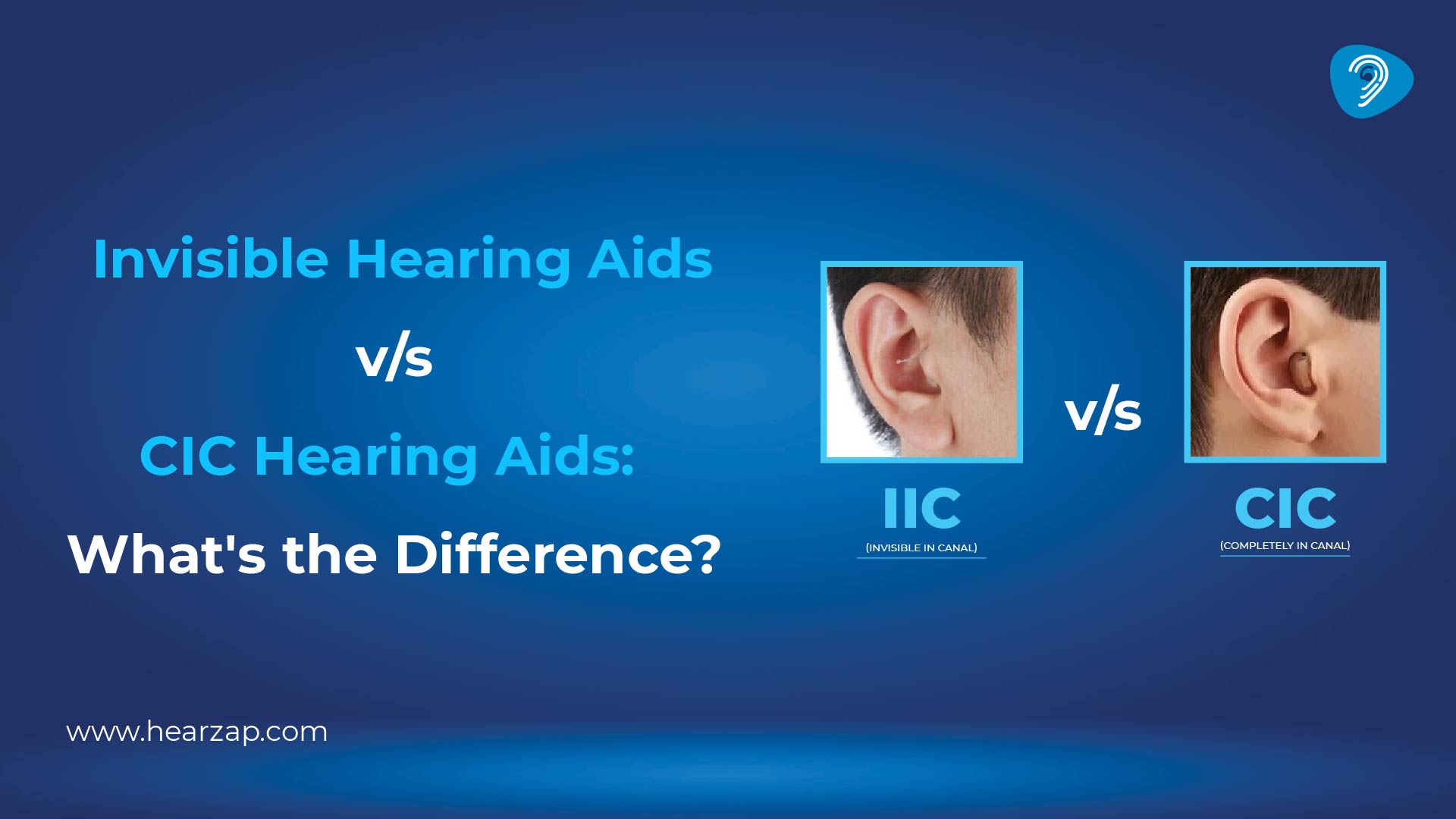
CIC vs IIC Hearing Aids: What’s the Difference?
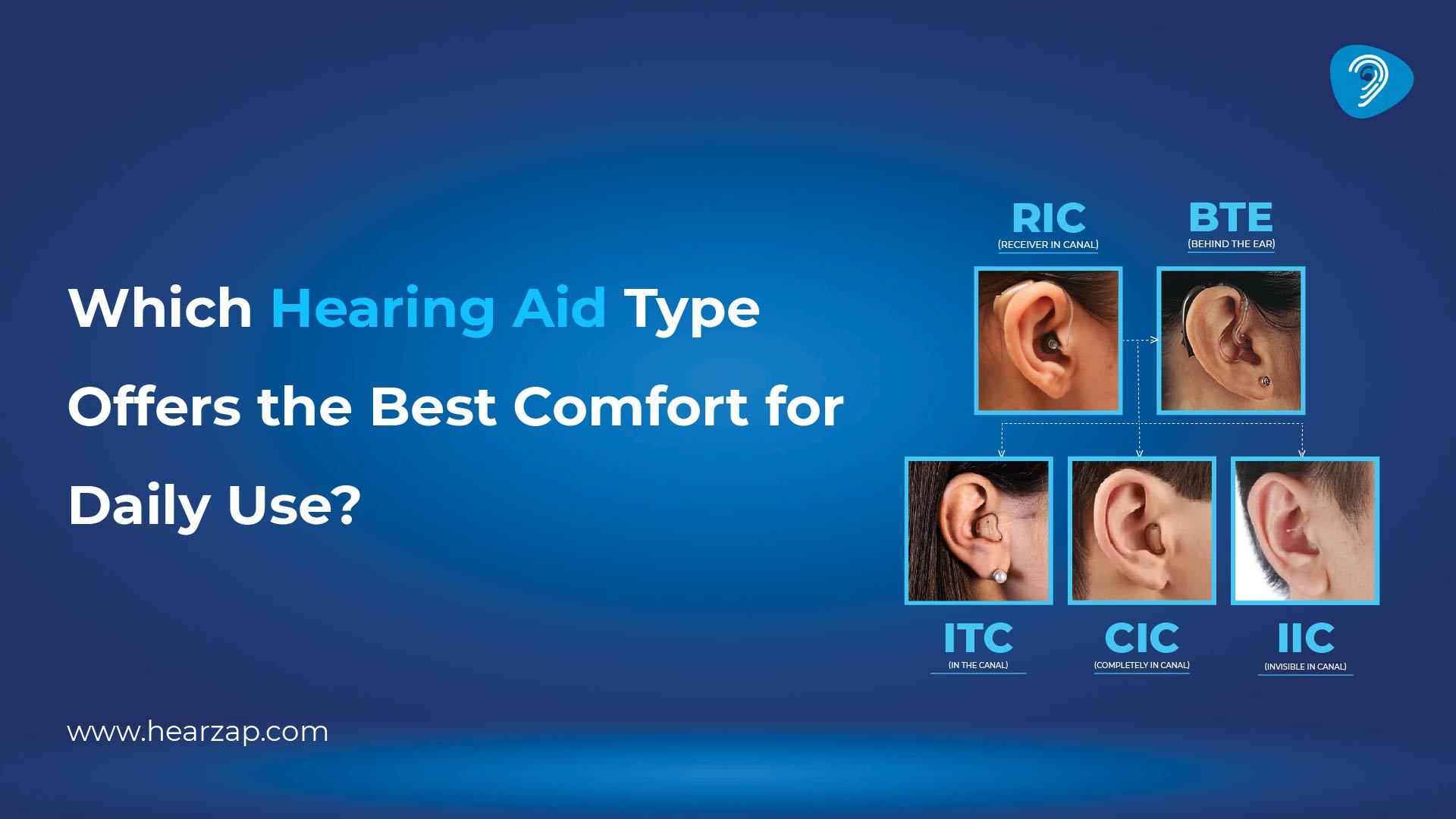
Which Hearing Aid Type Offers the Best Comfort for Daily Use?
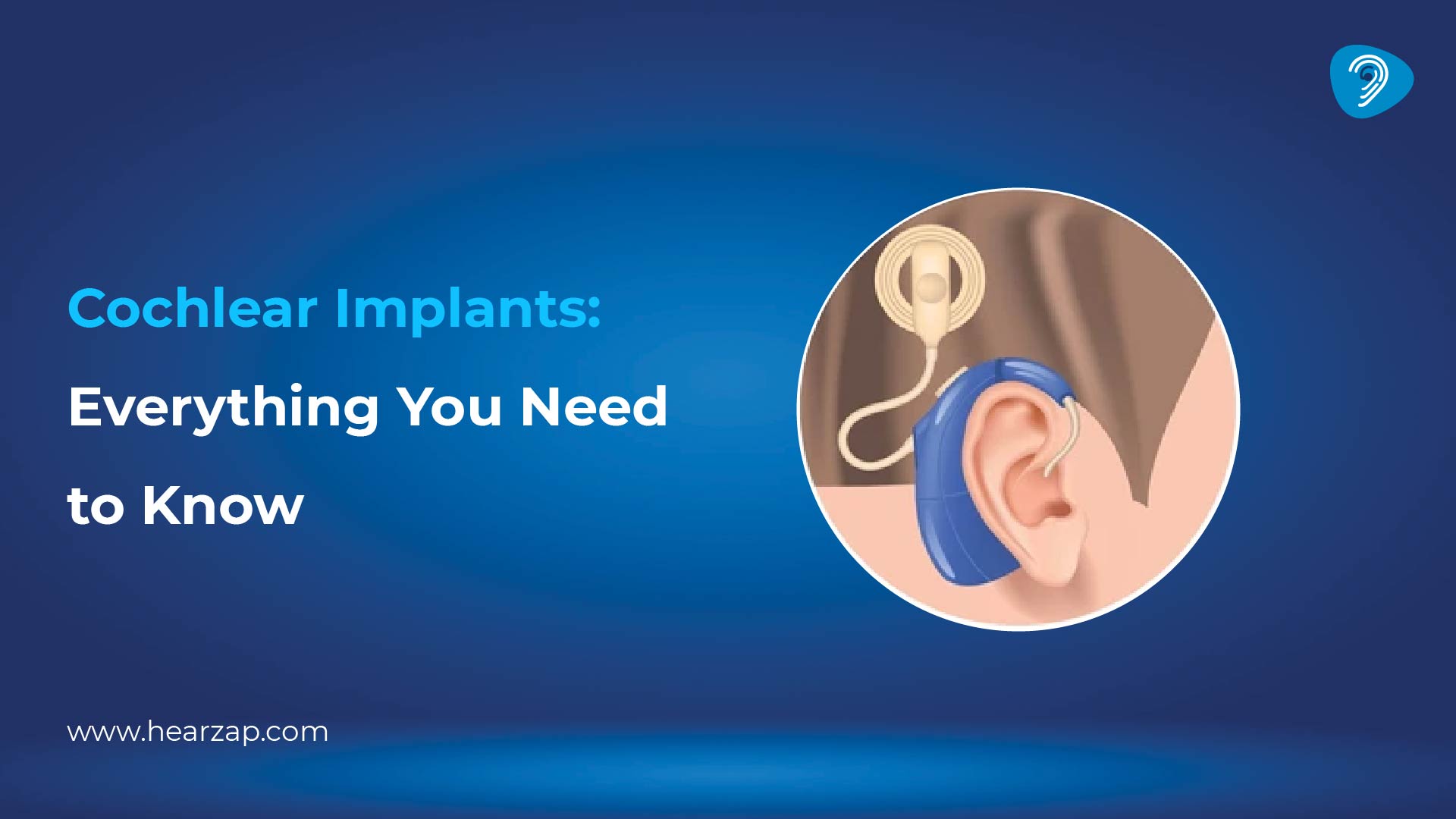
Cochlear Implant: Meaning, Surgery, Benefits & Recovery
Contact us
We are here for all your hearing needs, from hearing tests to hearing aids. Fill out the form below, and we will give you a call soon.
Recent Blogs
By None | Sept. 5, 2026
By None | Sept. 4, 2026
By None | Sept. 2, 2026
By None | Sept. 1, 2026
By None | Aug. 31, 2026