Generic
How Smartphone Apps Are Transforming Sign Language Communication
By Team Hearzap | Oct. 1, 2026
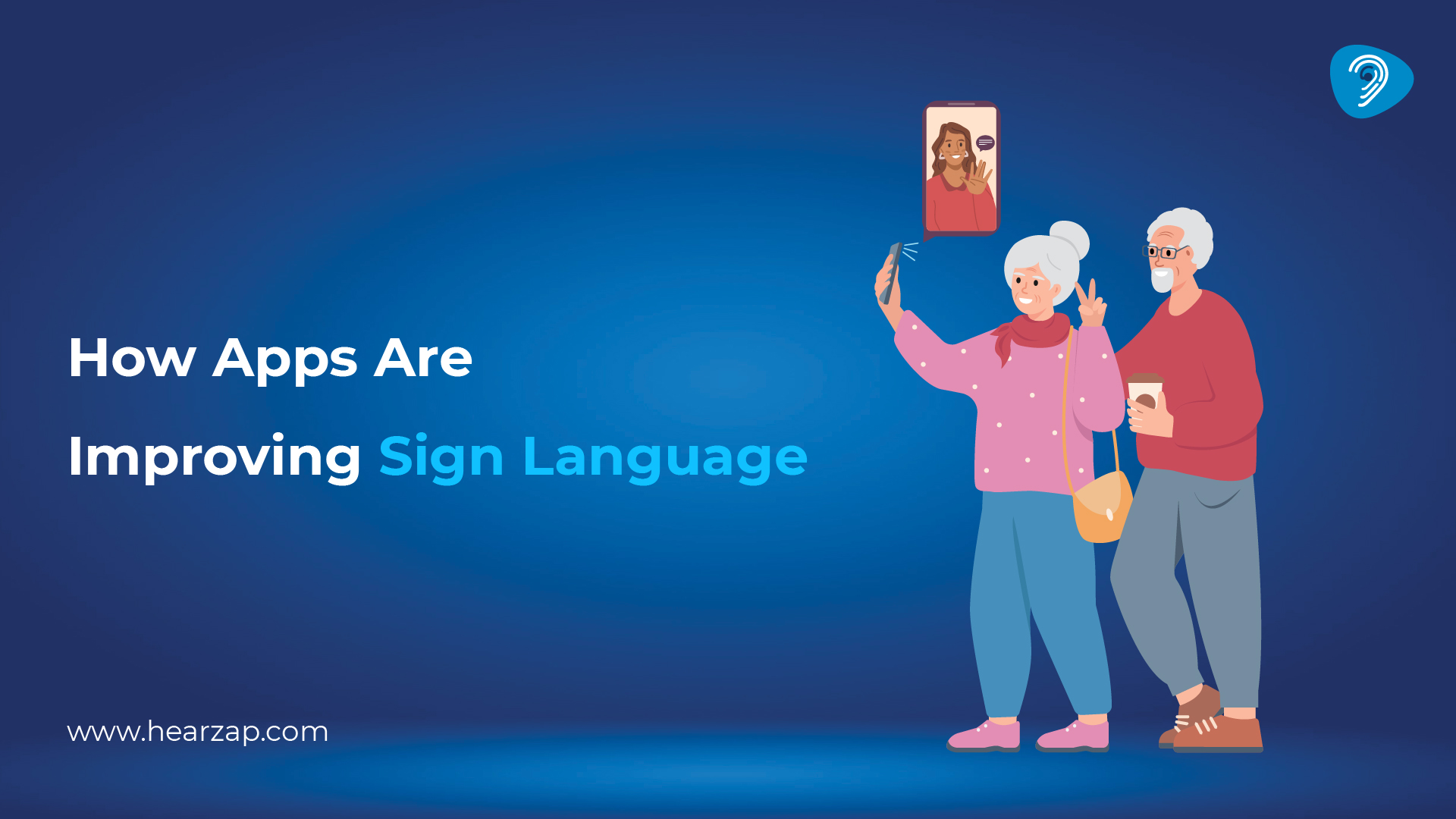
Smartphones are changing how sign language users communicate in everyday situations. A single device can now combine signs, text, speech and video, giving people more ways to understand one another. Sign language apps can support conversations, learning and visual communication between signers and non-signers.
This added flexibility can make routine interactions easier to manage, particularly when an interpreter is unavailable or when two people simply prefer different ways of communicating.
Understanding Sign Language and Its Importance in Communication
Sign language is a visual language using hand shapes, movement, facial expression and body position. Deaf and hard-of-hearing people may use it as a primary communication method.
It can support:
- Everyday conversations and relationships
- Education, work and public services
- Greater independence
For people with hearing loss, accessible communication choices can make routine interactions easier.
How Are Smartphone Apps Transforming Sign Language Communication?
A smartphone can act as a communication aid. A sign language translator app may recognise signs and display text or speech, while tools turn written language into visual information. This supports conversations between signers and non-signers.
Real-Time Sign Language Translation
Some apps use the camera to recognise supported signs and gestures. Depending on the technology and supported language, they may display the recognised content as text or speech.
Common functions include:
- Camera-based recognition
- Text or voice output
Lighting, camera angle and signing style can affect results.
Speech and Text-To-Sign Language Tools
Some communication apps convert spoken or typed content into captions, visual prompts or sign demonstrations.
Useful features include:
- Live captions
- Written transcriptions
- Visual sign support
These tools may also complement hearing aids during conversations.
Video-Based Sign Language Communication
Video preserves movement, expression and visual context that plain text may miss.
Smartphones can support:
- Live video calls
- Recorded signed messages
- Remote interpreter communication
This makes sign-language conversations possible even when people are not in the same place.
Sign Language Learning Apps
Learning apps let beginners practise signs repeatedly and at their own pace. A sign language app translator may combine demonstrations with exercises.
Users can:
- Learn signs
- Repeat demonstrations
- Practise useful vocabulary
Users needing additional hearing support can also book an appointment with a qualified hearing-care professional.
What Technologies Power Sign Language Apps?
These tools may combine artificial intelligence, machine learning, computer vision, gesture recognition and speech processing. Together, they analyse movement or language input and convert it into another communication format.
Artificial Intelligence and Machine Learning
AI helps systems recognise patterns in hand shapes, movement and sequences.
It can support:
- Gesture classification
- Pattern matching
- Context recognition
Related developments also influence AI hearing aids, where intelligent processing adapts listening support.
Camera-Based Gesture Recognition
The smartphone camera captures visual movement while recognition software analyses it.
Systems may examine:
- Hand position
- Finger shape
- Movement direction
Poor lighting, fast signing or cluttered backgrounds can reduce recognition quality.
Natural Language Processing and Voice Technology
Natural language processing helps apps process spoken and written language. When combined with computer vision, it enables features such as speech-to-text conversion, live captions and accessible communication.
It can support:
- Speech-to-text conversion
- Live captions
- Written message processing
- Voice-based communication
Together, these features make conversations easier to follow for sign language users.
What Are the Benefits of Smartphone Apps for Sign Language Users?
Convenience is a major benefit. A sign language interpreter app can provide support on a device people already carry. Users may switch between signs, text, speech and video according to the situation, supporting flexibility, learning and greater independence.
Breaking Communication Barriers
A practical app for sign language translation can support simple exchanges between signers and non-signers.
It may help with:
- Basic questions
- Short instructions
- Service interactions
Important details should still be confirmed when meaning is unclear.
Improving Accessibility in Everyday Situations
Mobile tools can support communication in classrooms, workplaces, shops and during travel.
They may help users:
- Explain basic needs
- access spoken information through captions or text.
- Share short messages
Anyone noticing ongoing hearing difficulty may also consider a professional hearing test.
Supporting Greater Independence
Accessible tools can reduce reliance on another person for every exchange.
They may offer:
- On-demand communication support
- Prepared phrases
- Multiple communication formats
This gives users more control over everyday conversations.
What Are the Limitations of Sign Language Translation Apps?
Sign language technology still has limits. Sign languages vary by region, while meaning can depend on grammar, facial expression, speed and context.
Challenges include:
- Limited vocabulary
- Regional differences
- Complex gestures
- Poor lighting
- Missed facial cues
Automated results should not be treated as perfect translations.
Can Smartphone Apps Replace Human Sign Language Interpreters?
No, apps can support routine communication, but professional interpreters remain important for healthcare, legal, educational and sensitive conversations.
Human interpreters can:
- Understand nuance and context
- Clarify misunderstandings
- Adapt to complex discussions
Technology is better used as additional support than as a complete replacement.
What Is the Future of Sign Language Communication Technology?
Future tools may become more accurate, responsive and personalised.
Possible developments include:
- Better real-time interpretation
- Wider sign-language support
- Improved facial-expression recognition
- Wearable integration
- Smoother voice conversion
Progress will depend on designing technology around real users and communication needs.
How Can Technology Create a More Inclusive Communication Environment?
Inclusive communication means offering practical choices rather than expecting one method to work for everyone.
Useful measures include:
- Accessible digital services
- Captions and visual tools
- Interpreter access
- Communication-aware staff
Technology can widen access, but respectful human interaction remains equally important.
Conclusion
Smartphone technology is expanding how sign language users and non-signers connect. Translation, video, speech and learning tools can make everyday communication more flexible while supporting greater independence. However, technology cannot capture every nuance of signing or replace professional support in complex situations. The most inclusive approach combines useful digital tools with interpreters, accessible services and respectful communication choices that recognise different communication needs across daily life and public spaces.
FAQs
1. How do smartphone apps help with sign language communication?
They support translation, captions, video communication and sign language learning, making communication easier between signers and non-signers.
2. Can smartphone apps translate sign language into text or speech?
Yes, some apps recognise supported signs and convert them into readable text or spoken output.
3. Are sign language translation apps accurate?
Accuracy varies with the language, signing style, camera conditions, context and recognition technology used overall.
4. Can smartphone apps help people learn sign language?
Yes, they can demonstrate signs, build vocabulary and provide repeatable practice for everyday communication skills.
5. What is the future of smartphone-based sign language communication?
Future apps may offer stronger recognition, broader language support, wearable integration and smoother real-time communication.

Contact us
We are here for all your hearing needs, from hearing tests to hearing aids. Fill out the form below, and we will give you a call soon.
Recent Blogs
By None | Sept. 30, 2026
By None | Sept. 29, 2026
By None | Sept. 28, 2026
By None | Sept. 25, 2026
By None | Sept. 23, 2026