Generic
Itchy Ears: 8 Causes, Symptoms & How to Get Relief
By Team Hearzap | Aug. 26, 2026
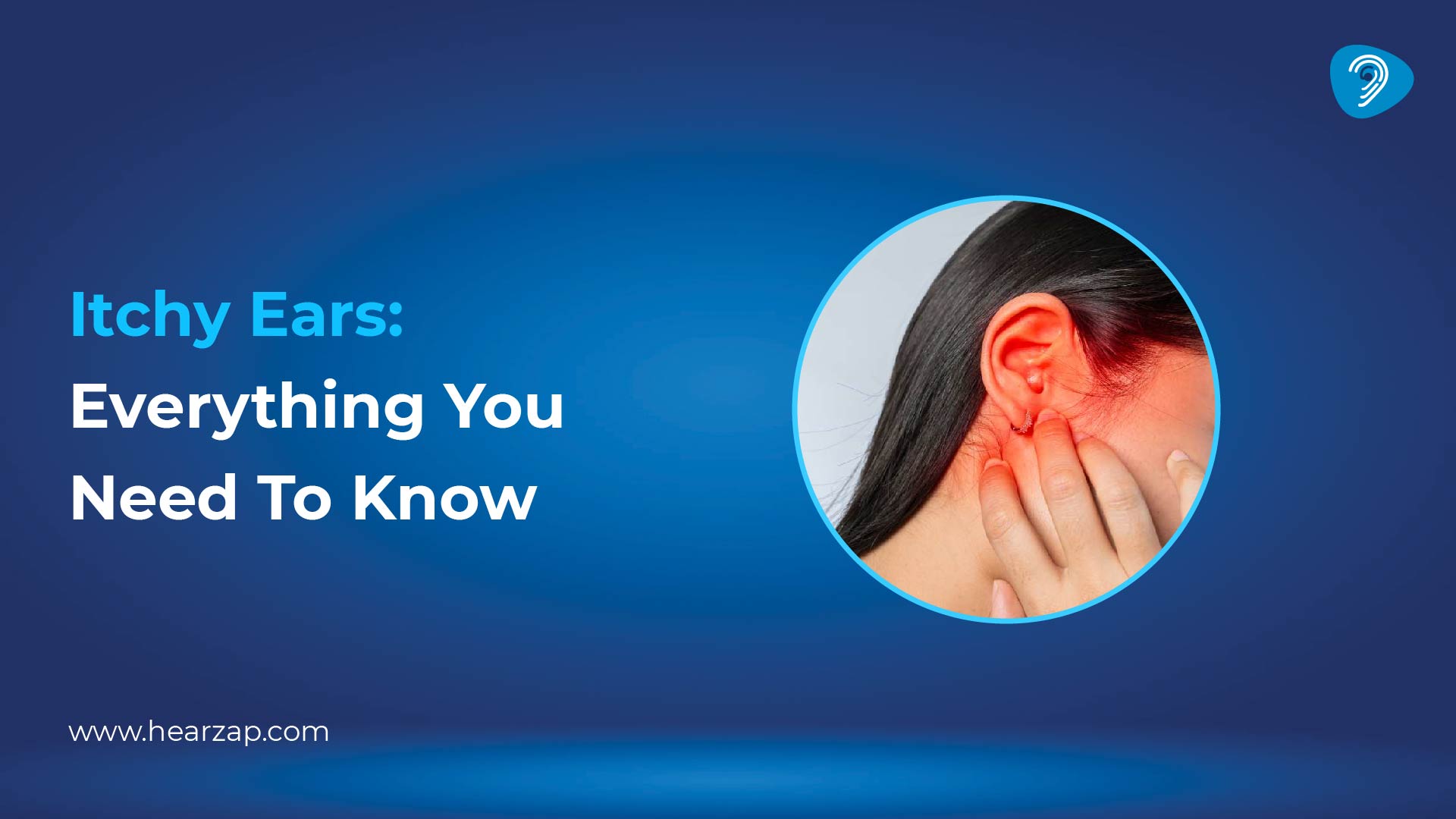
Ear itching can be surprisingly distracting, especially when the irritation keeps returning or is joined by dryness, pain, discharge, or a blocked feeling. Common causes range from earwax buildup and skin conditions to infections, allergies, moisture, and hearing aids.
The right treatment depends on the cause, with simple care, suitable treatment, and timely medical advice helping ease discomfort safely and effectively.
What Causes Itchy Ears?
Common ear itching causes include earwax buildup, infection, dry skin, eczema or psoriasis, trapped moisture, hearing aid irritation, food allergy, and nasal allergies or colds. It may cause itching in the ear canal or on the outer ear. Ear itching due to cold-related congestion may occur with pressure or blockage.
Earwax Buildup and Itching in the Ear Canal
Excess earwax can block the ear canal, causing fullness, discomfort, reduced hearing, and persistent itching.
Treatment for Earwax-Related Itching
Safe wax care helps reduce irritation without pushing wax deeper inside.
- Avoid cotton buds, pins, and fingers.
- Use recommended softening drops.
- Seek professional removal when blockage, pain, or discharge continues.
Ear Infections and Ear Itching
Bacterial or fungal ear infections are common ear itching causes and may bring redness, swelling, tenderness, pain, discharge, or increasing discomfort.
Treatment for Ear Infections
Treatment depends on whether the infection is caused by bacteria or fungi.
- Keep the ear dry.
- Avoid self-medicating with drops.
- Seek assessment if pain, swelling, discharge, or hearing changes persist.
Dry, Itchy Ears and Skin Conditions
Dry skin, eczema, or psoriasis can trigger ear itching, flaking, redness, soreness, and irritation around the outer ear and canal. A buildup of wax in the ears may also contribute to irritation in some cases.
Treatment for Dry and Itchy Ears
Gentle skin care can calm dryness and reduce repeated ear irritation.
- Avoid fragranced products near the ears.
- Moisturise the outer ear skin carefully.
- Seek medical advice when cracking, inflammation, or persistent itching develops.
Swimmer’s Ear (Otitis Externa)
Swimmer’s Ear (otitis externa) develops when moisture and irritation affect the outer ear canal, causing itching, redness, tenderness, swelling, pain, or discharge.
Treatment for Swimmer’s Ear
Keeping the ear dry supports healing and helps prevent future recurrence.
- Dry outer ears after swimming.
- Avoid inserting objects.
- Seek professional care if pain, swelling, discharge, or worsening irritation appears.
Hearing Aids and Itchy Ears
Hearing aids or earmoulds may cause irritation when trapped moisture, poor cleaning, or an improper fit affects the skin of the ear. People planning to buy hearing aids online should ensure the device is suitable and properly fitted.
How to Prevent Hearing Aid-Related Ear Itching
Good device care can reduce friction, moisture, and ear itching.
- Clean hearing aids regularly.
- Keep earmoulds dry.
- Ask an audiologist to adjust the fit if irritation continues or soreness develops.
Food Allergies and Ear Itching
Certain food allergies can sometimes cause itching around the ears, mouth, or throat alongside other signs of an allergic reaction. A professional hearing test may be recommended if noticeable hearing changes accompany the itching.
Treatment for Allergy-Related Ear Itching
Relief starts with identifying and avoiding foods that repeatedly trigger symptoms.
- Note recurring reactions.
- Discuss ongoing symptoms with a doctor.
- Seek urgent help for breathing difficulty, swelling, or severe reactions.
Allergic Rhinitis and Ear Itching
Allergies and colds can create nasal congestion, ear pressure, fullness, popping, discomfort, or ear itching due to cold symptoms too. Persistent congestion may also make existing hearing loss seem more noticeable.
Treatment for Allergy-Related Ear Symptoms
Managing nasal allergy symptoms may reduce related pressure and everyday ear discomfort.
- Avoid known allergens.
- Follow recommended allergy treatment.
- Seek medical advice for ongoing, severe, one-sided symptoms or hearing changes.
Common Symptoms of Ear Itching
Ear itching may occur along with redness, dryness, swelling, tenderness, discharge, a blocked sensation, skin flaking, pain, or noticeable changes in hearing. When these symptoms continue, it may be sensible to book an appointment with an appropriate healthcare professional.
Itchy Ears Outside: What Causes It?
Itching on the outer ear is often caused by dry skin, eczema, jewellery, cosmetics, or friction.
- Avoid scratching irritated skin.
- Stop suspected triggers.
- Seek advice if redness, swelling, cracking, or soreness persists repeatedly.
When Should You See a Doctor for Ear Itching?
Occasional itching may settle with basic care, but persistent or worsening symptoms need medical attention to identify the underlying cause.
- Itching continues or keeps returning
- Pain, swelling, or discharge develops
- Hearing changes occur
- Dizziness or fever appears
- Symptoms follow an ear injury
Frequently Asked Questions
1. Why are my ears so itchy inside?
Common causes include wax, dryness, infection, moisture, skin conditions, allergies, or irritation from an in-ear device.
2. How can you stop your ears from itching?
Relief depends on the cause. Keep the ear dry, avoid scratching, and seek advice if symptoms continue or keep returning.
3. When to be concerned about itchy ears?
Seek care when itching persists or comes with pain, swelling, discharge, dizziness, fever, or reduced hearing.
4. What home remedy can I use for itchy ears outside?
For mild external dryness, avoid irritants and use a gentle moisturiser suitable for your skin. Do not put creams or oils inside the ear canal without medical advice.
5. How long does ear itch last?
Duration depends on the cause. Mild irritation may settle after the trigger is removed, while infection, allergy, or skin disease can continue until treated.

Contact us
We are here for all your hearing needs, from hearing tests to hearing aids. Fill out the form below, and we will give you a call soon.
Recent Blogs
By None | Oct. 8, 2026
By None | Oct. 7, 2026
By None | Oct. 6, 2026
By None | Oct. 5, 2026
By None | Oct. 3, 2026