Generic
Best Exercises and Workout Tips for People Wearing Hearing Aids
By Team Hearzap | Oct. 7, 2026
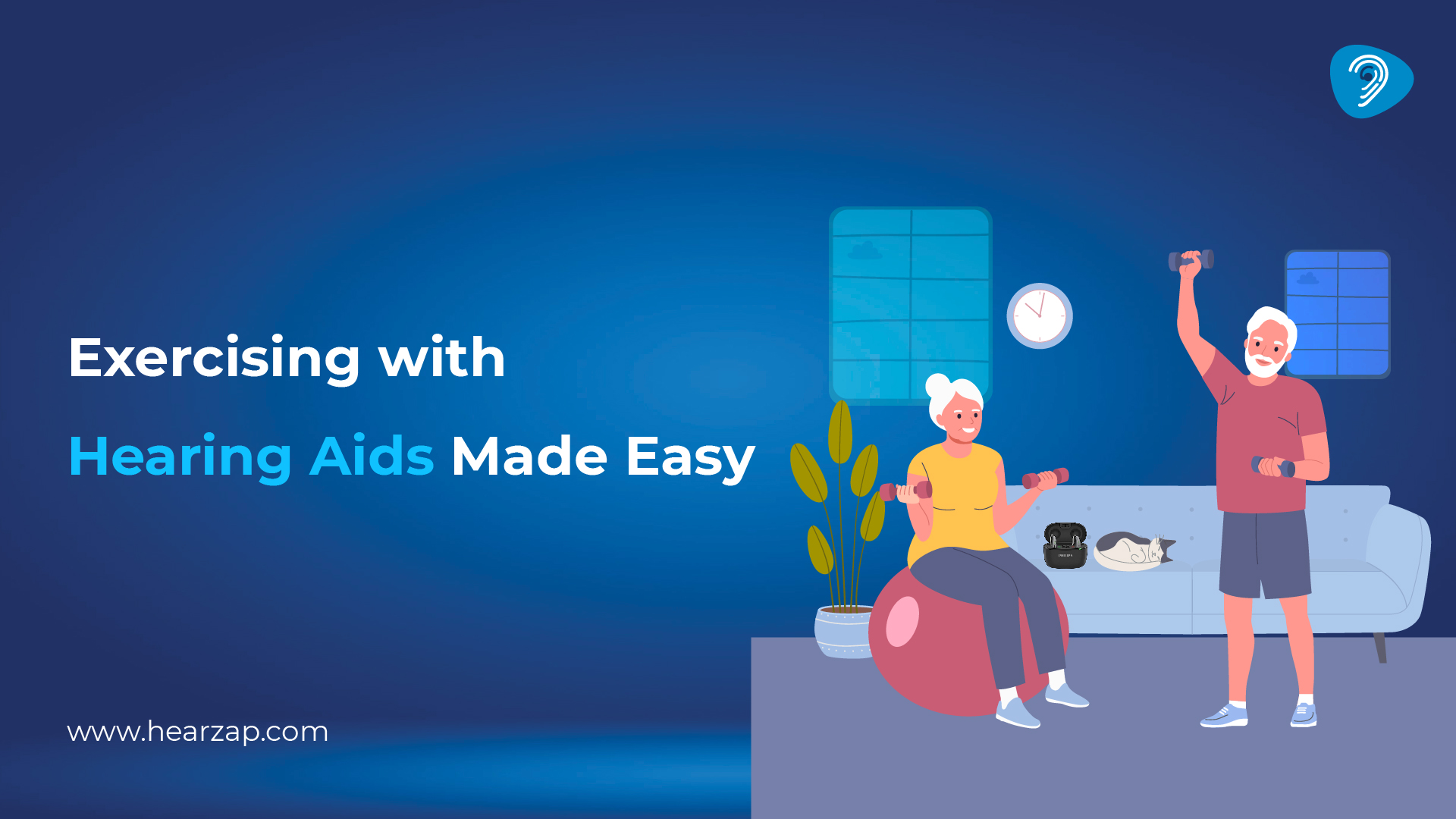
Exercise should feel comfortable and freeing, even when hearing devices are part of daily life. Common concerns include keeping devices secure, limiting sweat and moisture, and staying aware of surrounding sounds.
With a stable fit, sensible care and a few practical habits, many users can stay active without making exercise complicated or putting unnecessary strain on their devices, whether they prefer walking, gym sessions or more energetic daily workouts.
Can You Exercise While Wearing Hearing Aids?
People can exercise with hearing aids, depending on the device, activity and manufacturer guidance.
- Check the fit before starting.
- Follow sweat and moisture precautions.
- Remove devices for swimming unless specifically approved.
What Challenges Can Hearing Aid Users Face during Workouts?
Movement may loosen a device, while sweat can collect around microphones or earpieces. Busy settings can also make warning sounds harder to notice. Good hearing aid care also supports safe listening.
Keeping Hearing Aids Secure during Movement
Energetic movement can affect fit.
- Check domes or earmoulds.
- Use compatible retention accessories.
Managing Sweat and Moisture Exposure
Sweat may affect performance, so follow your model’s care instructions.
- Wipe moisture away after activity.
- Use approved drying methods.
- Do not assume water resistance means waterproofing.
Staying Aware of Your Surroundings
Environmental sounds matter during exercise.
- Keep volume comfortable.
- Stay alert to traffic and equipment.
5 Practical Tips for Exercising with Hearing Aids
People seeking hearing aids for an active lifestyle can focus on fit, moisture protection, suitable settings, connectivity and after-workout care.
Check the Fit before Starting Your Workout
A secure device should not require constant adjustment.
- Reinsert loose devices correctly.
- Check domes and earmoulds.
Protect Your Hearing Aids from Sweat and Moisture
Wipe away sweat around the ears when needed and dry devices after exercise. Moisture protection differs by product, so follow manufacturer guidance.
- Keep devices reasonably dry.
- Use approved drying products.
Choose the Right Hearing Aid Settings for Your Activity
A quiet walk and a busy gym create different listening needs, especially for people managing hearing loss in changing sound environments.
- Use familiar programmes.
- Keep sound comfortable.
Use Connectivity Features for Music and Workout Guidance
Compatible devices may stream music or workout guidance from a smartphone.
- Keep audio comfortable.
- Stay able to notice nearby people or traffic.
Clean and Maintain Your Hearing Aids after Exercise
Regular maintenance of hearing aids helps remove sweat and debris.
- Wipe outer surfaces gently.
- Inspect earpieces and openings.
Which Exercises Are Suitable for Hearing Aid Users?
Walking, yoga, cycling and gym sessions are generally suitable for hearing aid users when devices remain stable during movement from excess moisture.
Low-Impact Activities
Walking, stretching and yoga usually involve less device movement.
- Check fit before starting.
- Move at a comfortable pace.
High-Intensity Workouts and Sports
Running, vigorous sessions, and sports can increase sweat, movement and impact risk.
- Secure devices carefully.
- Consider retention accessories.
Swimming and Water-Based Activities
Do not assume a hearing device is waterproof. Some manufacturers advise removing certain models before swimming.
- Check the device guide.
- Remove devices when advised.
How Can You Prevent Hearing Aids from Falling Out during Exercise?
A secure fit can reduce movement during workouts and make the devices feel more comfortable throughout physical activity.
- Check placement before activity.
- Use suitable domes or earmoulds.
- Seek adjustment if slipping continues.
Can Sweat Damage Your Hearing Aids?
Repeated moisture may affect electronic parts or sound openings. Review moisture guidance and clean devices after exercise. Good hearing aid protection also includes seeking help if performance changes.
To reduce moisture exposure:
- Wipe away sweat promptly.
- Keep devices reasonably dry.
- Follow approved drying methods.
- Check performance after workouts.
What Should You Do with Your Hearing Aids after a Workout?
Remove devices with clean, dry hands, inspect them and follow the recommended cleaning and drying routine.
Clean Away Sweat and Dirt
Gentle cleaning helps remove sweat and debris.
- Wipe surfaces gently.
- Clean earpieces as directed.
Dry and Store Them Safely
Proper drying helps protect sensitive electronic components.
- Use approved drying methods.
- Keep devices in a protective case.
Should You Adjust Hearing Aid Volume or Programs While Exercising?
Different workout environments may require minor hearing aid setting adjustments for comfort and awareness. Busy gyms, outdoor routes and quiet exercise spaces can sound very different.
Useful adjustments may include:
- Keep volume at a comfortable level.
- Choose a suitable listening programme.
- Avoid blocking important surrounding sounds.
When Should You Remove Your Hearing Aids during Exercise?
Removing hearing aids may be appropriate during swimming, heavy water exposure, contact activity or conditions outside recommended use. Store removed hearing aids in a clean, dry protective case.
Consider removing them during:
- Swimming or water activities
- Activities where excessive sweat may exceed your device's moisture protection.
- Contact sports where hearing aids could be struck or dislodged.
- Activities with impact risk
When Should You Get Your Hearing Aids Checked?
Professional support may help with reduced sound, feedback, charging problems, repeated slipping or discomfort. A hearing test may also be useful when listening seems different beyond a device issue.
Common signs to watch include:
- Reduced or unclear sound
- Frequent feedback or whistling
- Charging or battery problems
- Repeated slipping during activity
Stay Active While Taking Care of Your Hearing Aids
Staying active becomes easier when hearing devices feel properly fitted and cared for throughout different types of exercise and movement.
- Check fit before exercise.
- Manage sweat promptly.
- Clean and dry devices afterwards.
Get Expert Hearing Aid Advice from Hearzap
Hearzap offers hearing-care support for people who want their hearing aids to remain comfortable, secure and reliable during an active routine. Qualified hearing-care professionals can review device fit, settings, comfort and maintenance needs based on listening requirements.
Hearzap support may include:
- Hearing aid fitting and adjustments
- Guidance on accessories
- Cleaning and maintenance advice
- Support for changing listening needs
You can book an appointment with Hearzap for personalized hearing aid guidance.
FAQs
1. Can I exercise while wearing hearing aids?
Yes, many users can exercise comfortably when devices fit securely and recommended moisture precautions are followed.
2. Can you wear hearing aids at the gym?
Yes, a secure fit, suitable settings and simple sweat precautions can make gym use practical and comfortable.
3. Do hearing aids get damaged by sweat?
Yes, sweat can affect some devices, so follow the manufacturer’s moisture, cleaning and drying guidance after exercise.
4. What are the best hearing aids for exercise?
Suitable options depend on fit, comfort, moisture resistance, activity level and individual professional hearing-care advice.
5. How can I protect my hearing aids during workouts?
Keep devices secure, limit moisture exposure, wipe them afterwards and follow approved cleaning, drying and storage guidance.
Related Blogs
Human Hearing Range: Understanding the Frequency Limits of Hearing
Contact us
We are here for all your hearing needs, from hearing tests to hearing aids. Fill out the form below, and we will give you a call soon.
Recent Blogs
By None | Oct. 8, 2026
By None | Oct. 6, 2026
By None | Oct. 5, 2026
By None | Oct. 3, 2026
By None | Oct. 1, 2026