HEARING LOSS
Hearing Loss in Women: Causes, Risk Factors and Prevention
By Sharanya Krishnan - Audiologist | Oct. 8, 2026
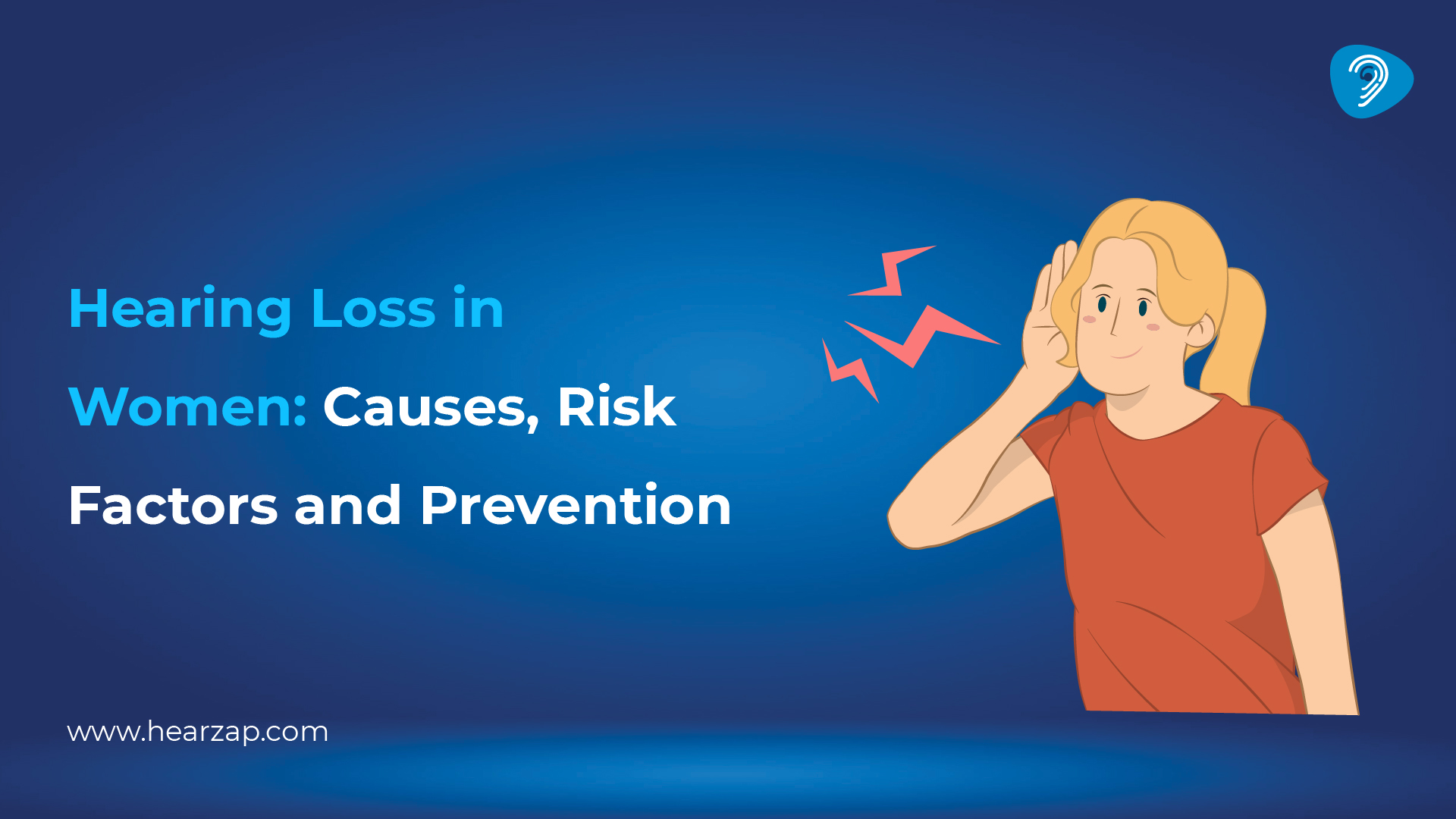
Changes in hearing can affect conversations, confidence and daily comfort, yet early difficulties are easy to overlook. Women may first notice that speech sounds less clear at work, at home or in social settings.
Understanding common causes, warning signs and preventable risks can make it easier to seek timely professional advice. Paying attention to hearing health also supports communication, independence and everyday quality of life as needs change over time.
Why Can Hearing Loss Affect Women?
Hearing can change because of ageing, genetic factors, exposure to loud sounds, certain medical conditions or some medicines. Changes may develop gradually or appear quickly, so persistent concerns require professional assessment.
Age-Related Changes in Hearing
Hearing sensitivity may gradually decline with age. Age-related hearing loss can make softer speech or higher-pitched sounds harder to follow.
Common changes include:
- Missing parts of conversations
- Asking for repetition
Routine checks can identify gradual changes earlier.
Hormonal Changes and Hearing Health
Hormonal changes around menopause may influence auditory function in some women, although the relationship is still being studied.
Some women may notice:
- Reduced sound clarity
- Greater listening effort
Persistent symptoms need professional assessment.
Noise Exposure and Lifestyle Factors
Repeated noise exposure from loud music, workplace machinery, events or high-volume personal listening can gradually affect hearing health.
Helpful habits include:
- Wearing suitable ear protection in loud environments
- Keeping headphone and earphone volume comfortable
- Taking regular listening breaks
- Limiting unnecessary time around intense sounds
Small changes in listening habits can support long-term hearing health.
Common Risk Factors for Hearing Loss in Women
Several factors can increase the possibility of hearing loss in women, although individual risk varies with health, lifestyle and personal history.
Common risk factors include:
- Increasing age
- Family history of hearing difficulties
- Repeated exposure to loud sounds
- Certain medical conditions
- Medicines that may affect hearing
Hearing loss in women over 40 should be assessed individually rather than being attributed to age alone.
What Are the Early Signs of Hearing Loss in Women?
Early changes often appear during everyday conversations. Speech may sound less distinct, background noise may become distracting, or familiar device settings may seem too quiet. These patterns may indicate the need for a professional hearing test.
Difficulty Understanding Conversations
Speech may become harder to follow when voices compete with background sound.
A woman may:
- Miss parts of group discussions
- Ask for repetition
Persistent difficulty can justify assessment for hearing loss.
Frequently Increasing the Volume
Repeatedly raising television, phone, or audio volume may suggest reduced hearing comfort.
Possible signs include:
- Preferring louder settings
- Trouble hearing phone calls
These changes can be easy to overlook.
Difficulty Hearing in Noisy Environments
Restaurants and busy gatherings can make speech harder to separate from surrounding sound.
Common difficulties include:
- Losing track of conversation
- Feeling tired after listening
This can make social listening feel more demanding.
How Is Hearing Loss in Women Diagnosed?
A professional hearing evaluation helps identify the type and extent of hearing difficulty. An audiologist may review symptoms, medical history, and everyday listening concerns before carrying out suitable tests.
Assessment may include:
- Examination of the ear canal and eardrum
- Pure-tone audiometry to measure hearing sensitivity
- Speech testing to assess word understanding
- An audiogram to record hearing levels across different pitches
These results help guide suitable next steps.
Why Is Early Hearing Testing Important?
Early hearing testing can help identify subtle changes before they begin to interfere more noticeably with conversations, work or social situations. It also helps distinguish gradual hearing changes from concerns that may need further medical attention.
Early assessment can help women:
- Understand their current hearing levels
- Recognise communication difficulties more clearly
- Discuss suitable management options
- Plan follow-up care when needed
Timely testing can make hearing concerns easier to understand and manage.
How Can Women Help Prevent Hearing Loss?
Not every cause is preventable, but sensible listening can reduce avoidable risk. Limiting loud sound, protecting the ears and responding to persistent symptoms can support hearing health. Women who already use hearing aids should also follow professional guidance and attend regular hearing check-ups.
Protect Your Ears from Loud Sounds
Ear protection is useful around loud workplaces, machinery, concerts, and other intense sound sources.
Practical steps include:
- Use suitable earplugs or earmuffs
- Limit time near loud sounds
These precautions can help protect long-term hearing health.
Follow Safe Listening Habits
Headphones and earphones are safer when used at comfortable listening volumes and longer sessions include breaks.
Try to:
- Avoid excessive volume
- Take regular quiet breaks
Small changes in listening habits can reduce unnecessary hearing strain.
Schedule Regular Hearing Checks
Routine assessment can identify gradual changes otherwise missed.
Consider a check when:
- Conversations feel less clear
- Listening requires more effort
If these changes continue, book an appointment with an audiologist for a professional hearing assessment.
What Treatment Options Are Available for Hearing Loss in Women?
Treatment depends on the cause and severity. Options may include medical care, communication strategies, rehabilitation or hearing aids, depending on individual needs.
Hearing Aids for Different Hearing Needs
Modern hearing aids for different hearing needs can be programmed around hearing levels, lifestyle and communication priorities.
Support may include:
- Choosing and programming a suitable device
- Reviewing comfort and clarity
Professional Hearing Care and Follow-Up
Follow-up matters because listening needs and device performance can change over time.
Ongoing support may include:
- Fine-tuning settings and fit
- Cleaning guidance and hearing aid care
When Should Women See an Audiologist?
Women should consider seeing an audiologist when hearing difficulties continue, become more noticeable or begin affecting everyday communication. Professional assessment can help identify possible causes and determine whether further hearing or medical care is needed.
Seek advice when:
- Speech regularly sounds unclear
- Hearing in one ear seems different from the other
- Hearing becomes difficult in noisy places
- Tinnitus or balance problems occur
- Hearing suddenly or rapidly worsens
Prompt attention is especially important when hearing changes appear suddenly.
FAQs
1. What are the early signs of hearing loss in women?
Difficulty following speech, frequent requests for repetition and trouble hearing in busy places are common early warning signs.
2. Can hormonal changes cause hearing loss in women?
Yes, hormonal changes may influence hearing in some women, but persistent symptoms need professional assessment to identify the actual cause.
3. Are women over 40 more likely to experience hearing loss?
Hearing changes can occur after the age of 40, but age alone does not determine whether a woman will develop hearing difficulty.
4. Can hearing loss in women be prevented?
Some causes cannot be prevented, but safer listening, ear protection and timely assessments can reduce avoidable hearing risks.
5. What is the difference between hearing loss in men and women?
Hearing loss patterns may differ because of biological, hormonal and environmental factors, but hearing profiles remain highly individual.

Sharanya Krishnan - Audiologist
Senior Manager – Training, Customer Experience & Business Development
With over 20 years of experience in hearing and speech healthcare. Passionate about client-centred care, I believe in a culture of empathy, trust, personalized support & focus on ensuring that every individual enjoys a seamless and fulfilling hearing care
Related Blogs
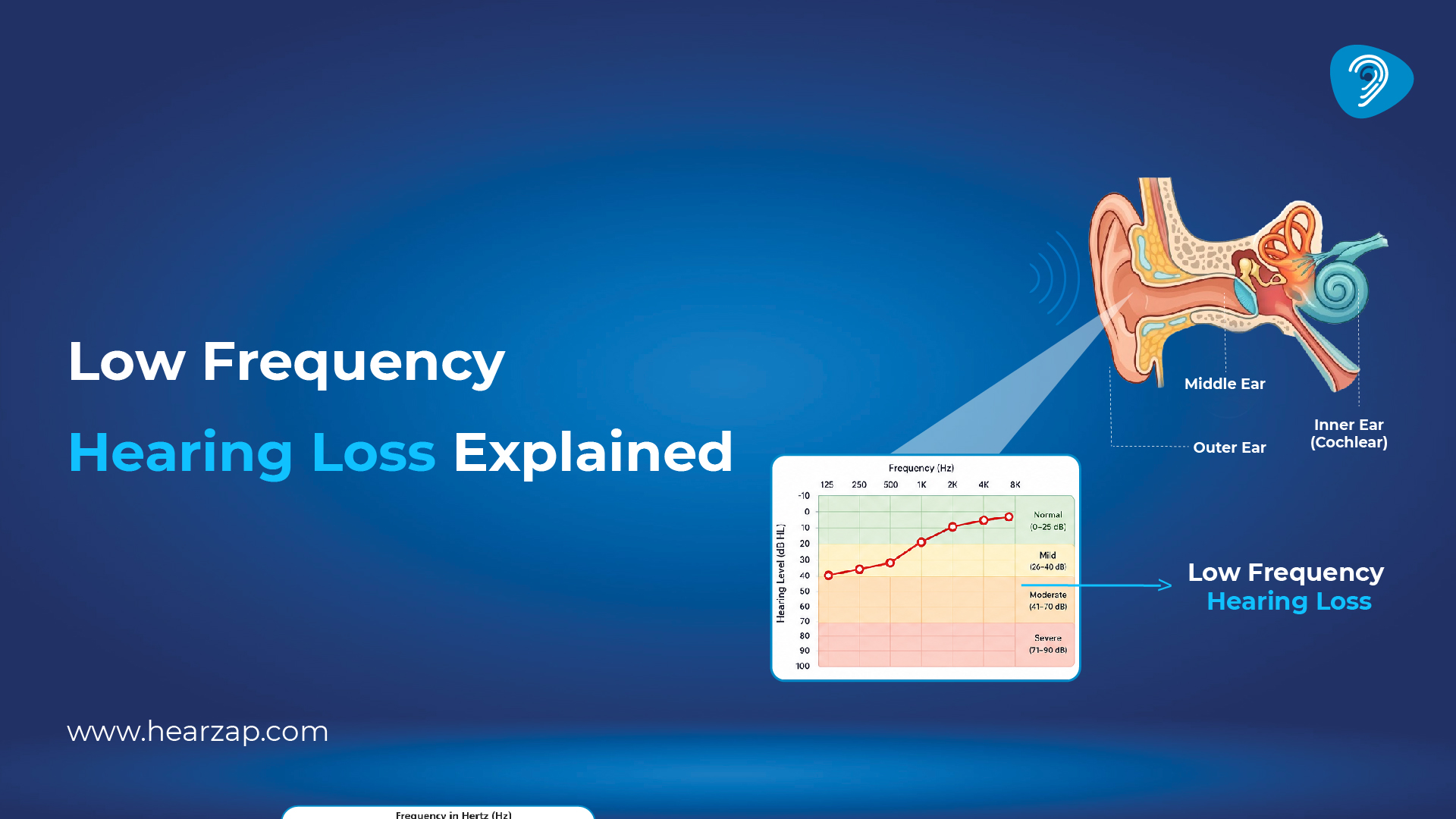
Low Frequency Hearing Loss Explained: Why Deep Sounds Become Hard to Hear
Contact us
We are here for all your hearing needs, from hearing tests to hearing aids. Fill out the form below, and we will give you a call soon.
Recent Blogs
By None | Oct. 7, 2026
By None | Oct. 6, 2026
By None | Oct. 5, 2026
By None | Oct. 3, 2026
By None | Oct. 1, 2026