Generic
Ear Tube Surgery (Grommets) for Adults
By Dattatreya M | Sept. 16, 2026
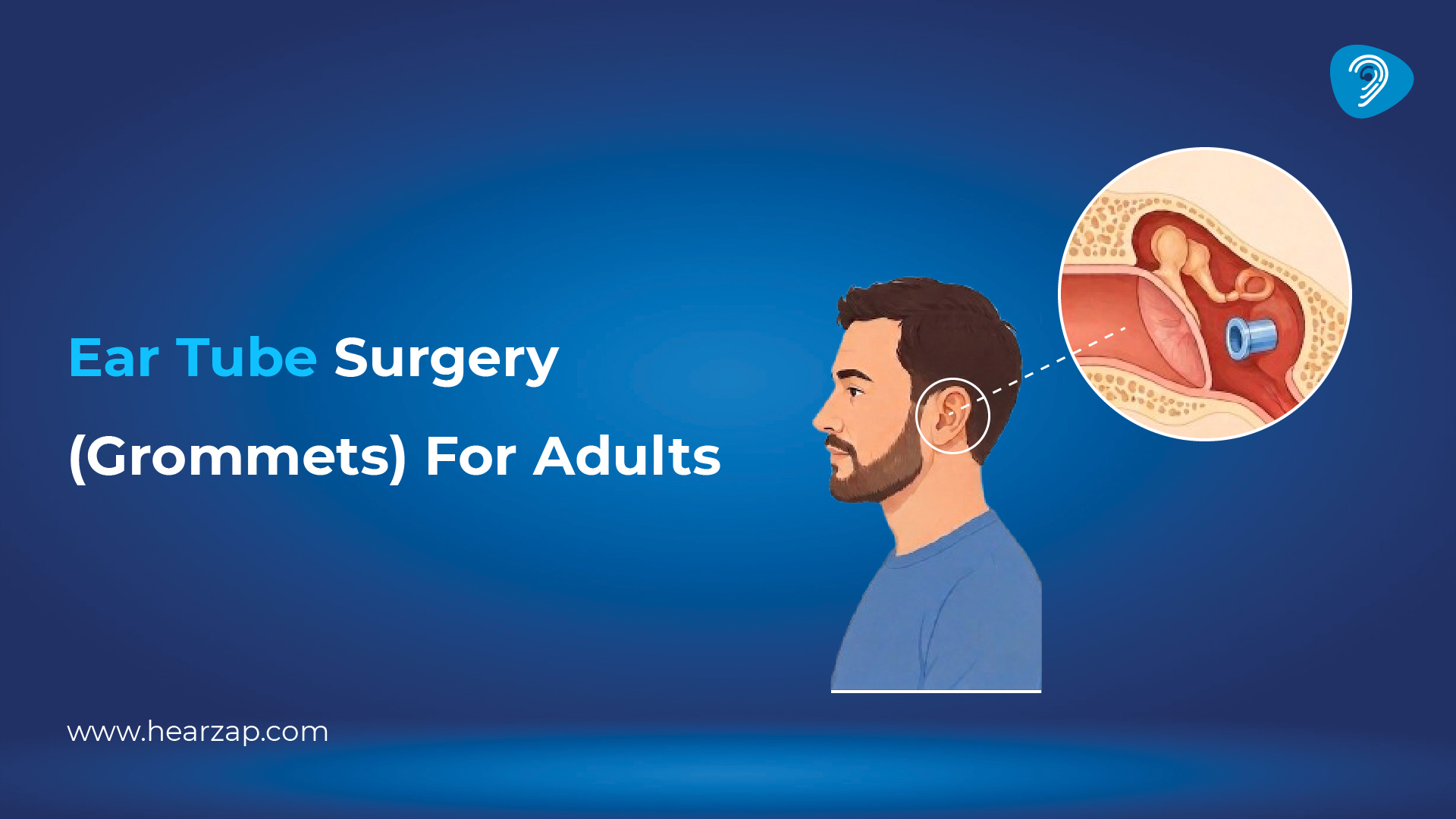
Ear tube surgery is commonly associated with young children, and this association is largely accurate. The procedure is most frequently performed on infants and children, whose Eustachian tubes are still developing and are therefore more prone to fluid buildup in the middle ear. Adults undergo this surgery as well, though the underlying reasons are often quite different from those seen in paediatric cases.
For those who have been advised to undergo this procedure, or who simply wish to understand it better, this article covers the essentials: how the surgery works, why adults typically require it, what the recovery process generally involves, and which symptoms warrant follow-up care.
What Is Ear Tube Surgery?
At its core, ear tube surgery means placing a tiny cylindrical device, called a tympanostomy tube, into the eardrum. Many people know these devices as grommets, a term used widely in the United Kingdom and across parts of Asia. Their job is simple: equalise pressure in the middle ear and give trapped fluid a way to drain.
Doctors refer to the procedure formally as a tympanostomy, and it is also sometimes described as myringotomy with tube insertion. Patients looking into ear tube surgery name variations online often come across several terms for what is essentially the same operation, and this can be a little confusing at first glance. Whatever it is called, the objective stays the same: restore normal pressure and fluid balance inside the middle ear.
For adults, this usually becomes necessary when the Eustachian tube, the narrow passage linking the middle ear to the back of the nose and throat, stops functioning the way it should. Once that tube fails to open and close properly, fluid starts to collect, pressure becomes uneven, and hearing suffers as a result.
Why Do Adults Need Ear Tubes?
Children tend to develop fluid retention because their Eustachian tubes are shorter and sit more horizontally, a feature of early development that resolves with age. Adults, on the other hand, usually run into Eustachian tube dysfunction for reasons that have nothing to do with growth. Some of the more common causes include:
- Chronic sinus infections or allergies that keep the area around the Eustachian tube opening inflamed
- Barotrauma caused by flying, scuba diving, or sudden changes in altitude
- Enlarged adenoids, or in rarer cases, nasal or nasopharyngeal growths that physically block the tube
- Radiation therapy to the head or neck, which can interfere with how the tube functions
- Chronic otitis media with effusion, where fluid lingers in the middle ear for weeks or months without clearing on its own
- Structural issues that may have existed since birth but only start causing problems later in life
A persistent feeling of ear fullness, recurring infections, popping or clicking sounds, and noticeable shifts in hearing are the symptoms that usually send adults to an ENT specialist. Before recommending surgery, most specialists will run a tympanometry test alongside a physical examination, and only move forward once simpler treatments have not worked.
The Ear Tube Placement Surgery Procedure
For adults, this operation tends to be quicker and simpler than people expect going in. Here is roughly what happens:
- The procedure is usually done under local anaesthesia on an outpatient basis, though general anaesthesia may be used in certain cases depending on the patient's situation or preference
- The surgeon makes a small incision in the eardrum, known as a myringotomy
- Fluid that has built up is suctioned out through this opening
- A small tube, made of plastic or metal, is placed into the incision so it stays open
- The tube lets air pass through, keeping pressure in the middle ear balanced and stopping fluid from building up again
The whole thing rarely takes more than 15 to 20 minutes. Most adults go home the same day, which tends to come as a relief once the initial apprehension about surgery wears off.
Ear Tube Surgery Recovery: What Adults Should Expect
No two recoveries look exactly alike, but there are some patterns most people experience.
Right after surgery
Some mild discomfort, a sense of pressure, or a bit of drainage from the ear is fairly normal in the first day or two. Regular over-the-counter pain relief is usually enough to manage whatever soreness remains.
Recovery timeline
Most adults are back to normal within a week to ten days, although hearing and balance can take a little longer to fully settle. This is not one of the more invasive ear procedures, so extended time off work is rarely necessary. Many patients return to desk-based jobs within a day or two.
Keeping the ear dry
Doctors typically advise keeping the ear dry for a set period after the procedure. That means no swimming, no submerging the head in bathwater, and being careful during showers to avoid letting water into the ear canal. Custom-fitted earplugs are often suggested for this stretch.
Follow-up appointments
An ENT will usually want to see the patient again a few weeks later, just to confirm the tube is sitting correctly and that healing is on track.
Muffled Hearing After Ear Tube Surgery in Adults: Is It Normal?
One thing that catches a lot of adult patients off guard is muffled or altered hearing in the days following the procedure. It is an understandable source of worry, especially for someone who went through the surgery specifically hoping to hear better.
In most cases, though, this is temporary and comes down to a few straightforward causes:
- Leftover fluid or blood in the ear canal that has not fully cleared yet
- Swelling near the incision site, which settles down naturally over several days
- The ear simply adjusting to a sudden and unfamiliar change in pressure regulation after operating abnormally for a long stretch
If the muffled feeling sticks around past two or three weeks, or shows up alongside pain, dizziness, or unusual discharge, it is worth booking a follow-up. Occasionally, a blocked or shifted tube is behind it, and a specialist can identify and fix that fairly quickly.
Individuals should not read temporary muffled hearing as a sign that something has gone wrong. It is a normal, if slightly unnerving, part of the healing process.
Surgery to Remove Ear Tubes
Ear tubes are not meant to stay in forever. Depending on the type used, most fall out naturally somewhere between six months and two years after placement. Short-term tubes are built to extrude on their own as the eardrum heals, while longer-term tubes sometimes need a separate, minor procedure to remove if they do not come out by themselves.
Removal, in most cases, is far simpler than the original tube placement in ears surgery. It is usually done in a clinic setting, without anaesthesia, and involves gently taking the tube out while the small opening left in the eardrum closes on its own over the following weeks.
If a tube stays in longer than expected, or the eardrum does not close properly once the tube is out, a specialist may suggest a minor surgical repair to restore the eardrum fully.
How This Differs From Infant Tubes in Ears Surgery
It is worth touching briefly on why the childhood version of this procedure feels so much more familiar to most people. It is generally done under general anaesthesia, largely because keeping a young child calm and still through any medical procedure is close to impossible. Children also need tubes more often, since their infections tend to be tied to anatomy that is still developing, whereas adult cases usually trace back to a specific, identifiable condition rather than growth-related factors.
Logistically, the adult version tends to be more straightforward. If anything, the harder part for adults is often the emotional adjustment, simply because it is not something most people expect to face at this stage of life.
When to Consult a Specialist
Persistent ear fullness, infections that keep coming back, or hearing changes that will not go away on their own are all good reasons to talk to an ENT or audiologist. A proper evaluation will tell you whether ear tube surgery makes sense in your case or whether other options should be tried first.
Understanding what the procedure involves, how recovery typically unfolds, and what counts as normal versus concerning can make a real difference in how manageable the whole experience feels. Ear tube surgery may be more closely associated with early childhood, but for the adults who need it, there is reassurance in knowing the procedure is quick, generally well tolerated, and has been refined through decades of clinical practice.
FAQ’s
1) What should I expect after ear tube surgery in adults?
A) Mild discomfort and temporary drainage are common, with most people recovering within a few days.
2) Can adults get ear tube surgery?
A) Yes, adults may need ear tubes to treat persistent fluid buildup, infections, or Eustachian tube dysfunction.
3) How successful is ear tube surgery?
A) Ear tube surgery is highly successful in relieving pressure, improving hearing, and reducing recurring ear infections.
4) What kind of surgery is ear tube surgery?
A) Ear tube surgery (myringotomy with tube insertion) is a minor procedure that places a tiny tube in the eardrum to improve middle ear ventilation.

Dattatreya M
Audiology Innovation Manager
Helping You Hear Life Again. At Hearzap, we believe hearing is the key to staying connected with family, friends, and the world around us. With over 48 years of trusted care & my 15 years in audiology, I’ve seen how improved hearing brings back confidence


Contact us
We are here for all your hearing needs, from hearing tests to hearing aids. Fill out the form below, and we will give you a call soon.
Recent Blogs
By None | Sept. 9, 2026
By None | Sept. 7, 2026
By None | Sept. 5, 2026
By None | Sept. 4, 2026
By None | Sept. 2, 2026