Generic
Usher Syndrome: Symptoms, Genetics, and What Families Should Know
By Sharanya Krishnan - Audiologist | Sept. 9, 2026
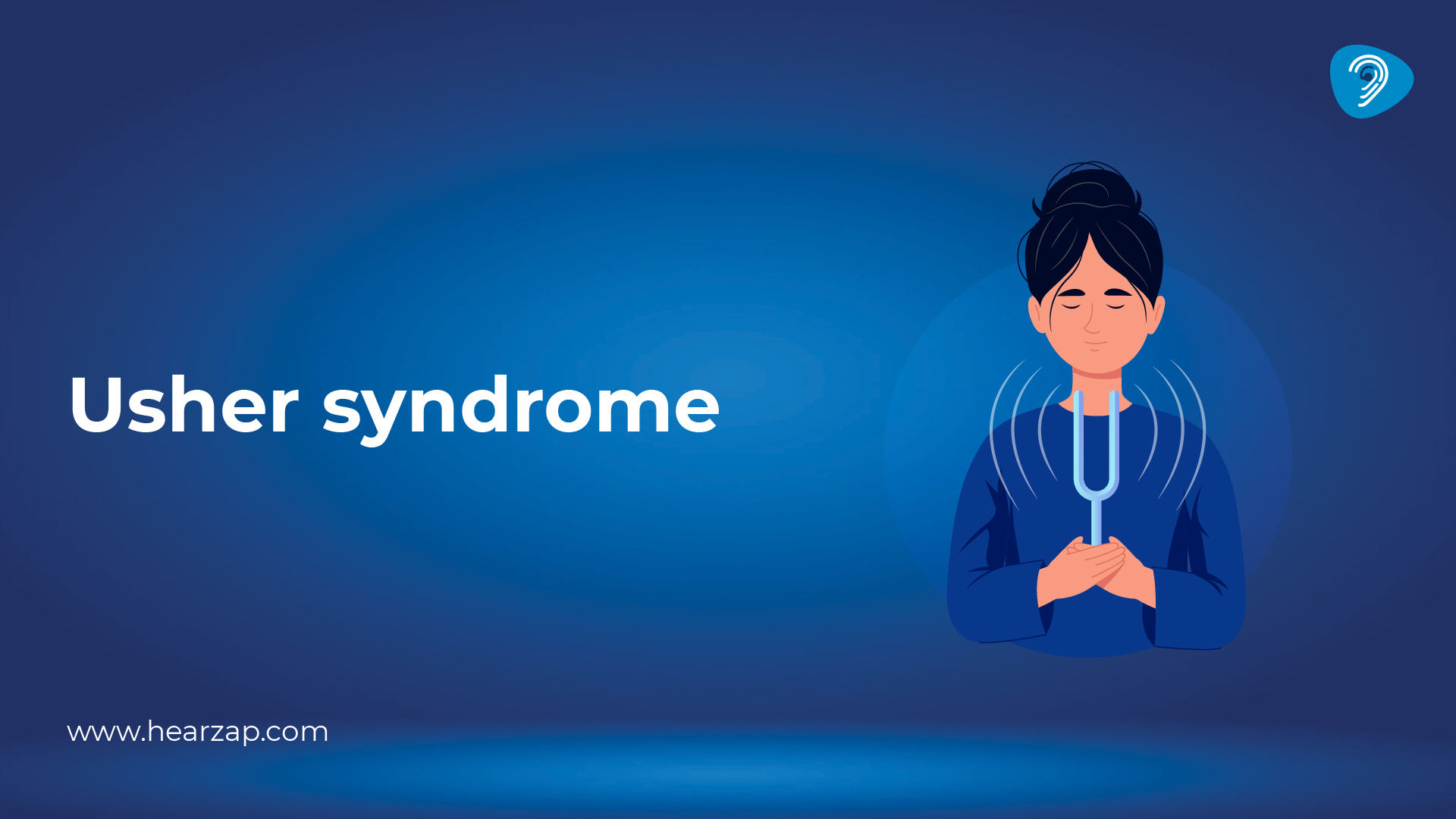
Usher syndrome is the leading genetic cause of combined hearing and vision loss, yet most people have never heard of it. It is rare, but its effects are far from small. For many parents, the first sign is a newborn hearing screening that comes back abnormal. For others, it surfaces years later, when a teenager mentions struggling to see after dark. The condition seldom presents itself abruptly, which is exactly why understanding how it develops, and what to look out for is important.
Some people search online using slightly different spellings, including sensor usher syndrome, though this is not a recognised medical term. Whatever the search phrasing, the underlying condition and its effects stay the same.
What Exactly Is This Condition?
Usher syndrome is inherited, and it affects hearing, vision, and in some cases, balance. It follows an autosomal recessive pattern, so a child only develops it if both parents happen to carry a mutated copy of the responsible gene. Most carriers never know they carry anything at all, since they show no symptoms themselves. That's part of what makes a diagnosis feel so unexpected to families with no history of hearing or vision problems.
Doctors generally sort the condition into three types, each with its own timeline:
- Type 1: Profound hearing loss present from birth, along with balance difficulties and vision changes that tend to start early.
- Type 2: Moderate to severe hearing loss from birth that usually stays stable, with no real balance involvement.
- Type 3: Hearing and vision loss that develop gradually, often not becoming noticeable until later childhood.
Because the three types unfold so differently, symptoms alone rarely tell the whole story. A confirmed diagnosis usually needs more than observation.
What Actually Causes Usher Syndrome
At the root of it are mutations in genes responsible for building proteins the inner ear and retina depend on. These proteins keep hair cells, which detect sound, and photoreceptor cells, which process light, working the way they should. When the gene involved is faulty, those cells struggle to function and eventually break down, and that's what drives the sensory decline seen in this condition.
Since it takes two mutated copies of a gene, one from each parent, for a child to be affected, the diagnosis can catch families off guard. Here's roughly how the odds work out when both parents are carriers:
- About a twenty five percent chance the child is affected
- About a fifty percent chance the child becomes a carrier with no symptoms
- About a twenty five percent chance the child is unaffected altogether
This is why the condition can appear in a family with absolutely no prior diagnosis on record.
The Genetic Piece: Usher Syndrome Gene Variants
More than a dozen genes have been tied to this disorder, though a handful come up far more often than the rest in clinical cases.
- MYO7A is most often linked to Type 1. It plays a part in moving stereocilia, the hair-like structures in the inner ear that pick up vibration.
- USH2A shows up most frequently in Type 2 and contributes to structural stability in both the ear and the retina.
- CDH23, PCDH15, and CLRN1 are connected to other subtypes and to differences in how severe the symptoms turn out to be.
Knowing which gene is involved does more than confirm what's already suspected. It often gives a fairly reliable sense of what hearing and vision changes to expect down the line, which can be genuinely useful for planning.
Recognising Usher Syndrome Symptoms
Symptoms shift depending on the type, but a few patterns hold up across the board.
Hearing loss is typically the first thing families notice, especially with Type 1, where it's present from birth and usually picked up through newborn screening. Type 2 also brings moderate to severe hearing loss, though it tends to stay fairly stable rather than worsen. Type 3 is different again. Hearing is often close to normal in early childhood and only starts declining later.
Vision changes usually show up afterward, and they tend to follow a familiar path:
- Trouble seeing in dim light or at night, often the first sign anyone notices
- Peripheral vision that gradually narrows
- Progression toward tunnel vision in more advanced stages
- In some cases, eventual loss of central vision as well
Balance problems are most noticeable in Type 1. Children with this type often reach milestones like sitting or walking a little later than expected, simply because the vestibular system is involved too.
Since these signs can be years apart, it often takes ongoing monitoring by both audiologists and eye specialists to piece together the full picture.
How Usher Syndrome Connects to Retinitis Pigmentosa
The vision loss associated with this condition is closely tied to retinitis pigmentosa, a progressive eye disease that slowly breaks down photoreceptor cells in the retina.
It usually starts with rod cells, the ones responsible for seeing in low light, which is why night blindness tends to be the earliest symptom anyone picks up on. As things progress, cone cells get affected too, and those handle central and colour vision.
How fast this all happens varies quite a bit from person to person, largely depending on the specific gene and mutation at play. Regular eye exams, including visual field testing and electroretinography, help track these changes as they unfold. That monitoring won't slow the underlying genetic process, but it does give families something valuable: time to plan, whether that means mobility training, adaptive tools, or keeping an eye on emerging treatments.
A Closer Look at Type 2A
Type 2A is worth a closer look since it's one of the subtypes diagnosed most often. It's caused mainly by mutations in the USH2A gene, and it tends to present in a fairly recognisable way:
- Moderate to severe hearing loss from birth, often manageable with hearing aids
- No real balance or vestibular issues
- Retinitis pigmentosa that develops gradually, usually surfacing during the teenage years or early adulthood
Because the vision symptoms in this subtype take longer to show up, some people aren't actually diagnosed until adolescence or later, often when an eye doctor spots signs of retinitis pigmentosa in someone who's already known to have hearing loss.
Why Genetic Testing for Usher Syndrome Matters
Given how differently this condition can show up from one person to the next, genetic testing has become a genuinely important diagnostic tool. It's a straightforward process too, usually just a blood or saliva sample analysed for mutations in the genes known to cause the disorder.
Testing serves a few practical purposes worth knowing about:
- It can confirm a diagnosis in children with early hearing loss, sometimes before any vision symptoms appear at all
- It helps pinpoint which type someone has, since certain genes tend to line up with certain symptom patterns
- It gives prospective parents clarity on their carrier status before starting a family
- It supports earlier monitoring for younger siblings who might share the same genetic risk
Genetic counselling usually goes hand in hand with testing, helping families make sense of the results and think through what comes next. As sequencing technology keeps getting more accurate and more affordable, testing is giving families answers that, not too long ago, took years to find.
Moving Forward With a Diagnosis
There's no cure for this condition right now, but an early diagnosis paired with consistent care can change day-to-day life for the better. Hearing aids, cochlear implants, and assistive listening devices help manage hearing loss, while orientation training and low vision aids support people as their vision changes over time. Research into gene therapy and retinal treatment is also moving forward, and it's offering real hope for what might be possible down the line.
If you're noticing early signs, particularly a mix of hearing and vision changes, it's worth speaking with both an audiologist and an ophthalmologist. A timely diagnosis, backed up by genetic testing where it makes sense, gives families the chance to plan ahead and get the right support in place when it's needed most.
FAQ’s
1) What is the life expectancy for someone with Usher syndrome?
A) People with Usher syndrome usually have a normal life expectancy. The condition primarily affects hearing, vision, and sometimes balance, but not lifespan.
2) How do you treat Usher syndrome?
A) There is no cure for Usher syndrome. Treatment focuses on managing symptoms with hearing aids or cochlear implants, vision care, and rehabilitation services.
3) How do people with Usher syndrome communicate?
A) Communication methods vary depending on the severity of hearing and vision loss. People may use spoken language, sign language, lip reading, tactile signing, or assistive communication devices.
4) Who is most likely to get Usher syndrome?
A) Usher syndrome is inherited when a child receives a faulty gene from both parents. It is more likely in people with a family history of the condition or parents who are carriers.

Sharanya Krishnan - Audiologist
Senior Manager – Training, Customer Experience & Business Development
With over 20 years of experience in hearing and speech healthcare. Passionate about client-centred care, I believe in a culture of empathy, trust, personalized support & focus on ensuring that every individual enjoys a seamless and fulfilling hearing care

Contact us
We are here for all your hearing needs, from hearing tests to hearing aids. Fill out the form below, and we will give you a call soon.
Recent Blogs
By None | Sept. 7, 2026
By None | Sept. 5, 2026
By None | Sept. 4, 2026
By None | Sept. 2, 2026
By None | Sept. 1, 2026