HEARING AIDS
How Do Hearing Aids Work?
By Team Hearzap | June 1, 2026
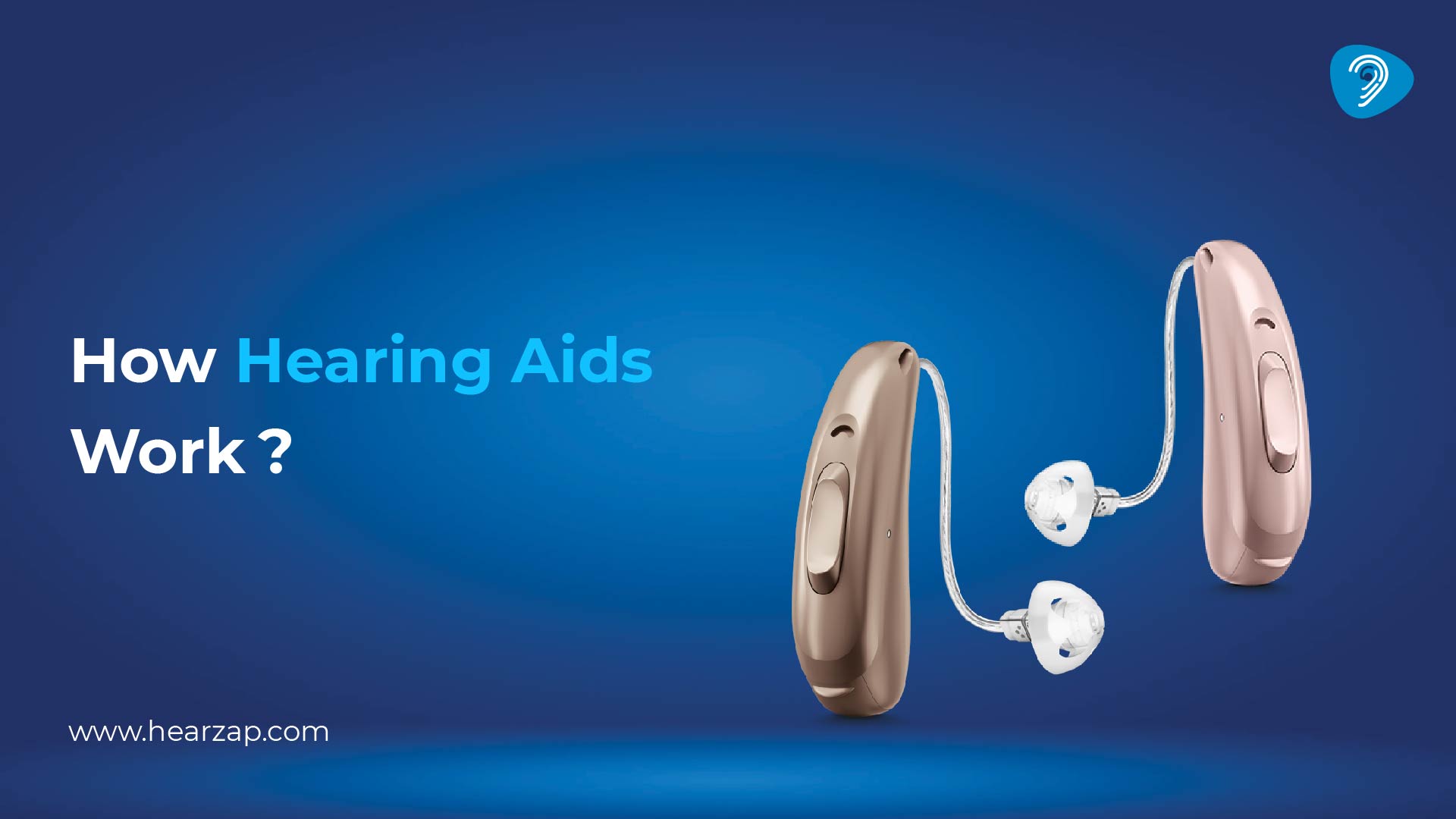
Hearing aids are electronic devices that make speech and daily sounds clearer for people with hearing loss. They collect sound, process it, and send improved sound into the ear. They are designed for people who face difficulty hearing speech, phone calls, television, or daily sounds.
Modern hearing aids use smart sound processing, noise control, and automatic adjustment to improve hearing clarity. With the right hearing test and fitting, these devices can make everyday listening easier and more comfortable.
What Is a Hearing Aid?
A hearing aid is a small electronic device worn in or behind the ear. It picks up sound through a microphone, processes it inside the device, and sends amplified sound into the ear. The main purpose is to make speech and daily sounds clearer for people with hearing loss.
A hearing aid is customised according to the user's hearing level. Users experiencing hearing difficulties should book an appointment with a qualified audiologist for a proper hearing evaluation and device fitting. Different types of hearing aids are available, and the right choice depends on hearing needs, comfort, ear shape, and daily use.
How Does a Hearing Aid Work?
Hearing aids follow a clear sound process. Each part works step by step to make the sound clearer before it reaches the ear. Understanding how hearing aids work can help users choose the right device and use it more confidently.
- Sound Enters the Microphone: The microphone collects speech and nearby sounds.
- Sound Converts into Digital Signals: Digital hearing aids change sound into signals that the device can process.
- The Amplifier Processes Signals: The amplifier or processor adjusts sound based on the user's hearing level.
- The Receiver Sends Sound into the Ear: The receiver sends the amplified sound into the ear canal.
- The Device Adjusts to Surroundings: Modern hearing aids can adjust sound when the user moves between quiet and noisy places.
Main Hearing Aid Parts
Hearing aid parts work together to collect, process, amplify, and deliver sound. Each part has a clear function in improving sound clarity. Understanding these parts also makes hearing aids care easier.
Microphone
The microphone collects sound from nearby surroundings. It sends the sound into the hearing aid for processing.
Amplifier / Processor
The amplifier or processor manages the sound signal. It adjusts the sound according to the user's hearing level.
Receiver (Speaker)
The receiver sends the processed sound into the ear. It is also called the speaker. Clear output from the receiver is important for comfortable listening.
Battery or Rechargeable Unit
The battery gives power to the hearing aid. Some devices use replaceable batteries, while many modern models come with rechargeable units. Users looking for the best rechargeable hearing aids should check charging time, daily use time, and comfort.
Computer Chip
The computer chip controls smart functions inside the hearing aid. It manages digital sound processing, automatic adjustment, Bluetooth connectivity, and personalised programming.
Hearing Aid Technology Explained
Modern hearing aid technology improves sound clarity by processing speech and background sounds more carefully. It also helps the device adjust to different listening situations with less manual effort.
- Digital Sound Processing: Digital hearing aids collect sound, clean the signal, and deliver clearer sound into the ear.
- AI-Powered Sound Adjustment: Some advanced hearing aids use AI to adjust sound based on the user's listening area.
- Bluetooth Connectivity: Bluetooth hearing aids can connect with compatible phones and other devices. This supports calls, audio streaming, and app-based control.
- Noise Reduction: Noise reduction lowers unwanted background sounds. The latest invisible hearing aids use this feature to make speech clearer in busy places.
- Directional Microphones: Directional microphones focus more on speech coming from a selected direction. This helps users follow conversations with better clarity.
The latest hearing aid technology focuses on clearer speech, smarter sound adjustment, wireless connectivity, and improved listening comfort.
How Modern Hearing Aids Improve Everyday Hearing
Modern hearing aids improve speech clarity, phone use, group conversations, and comfort in changing surroundings. Their performance depends on the hearing level, device type, fitting quality, and follow-up care.
- Better Speech Clarity: Digital hearing aids make speech sounds clearer based on the user's hearing profile.
- Improved Hearing in Noisy Places: Noise reduction and directional microphones make conversations easier to follow.
- Easy Smartphone Connectivity: Bluetooth hearing aids can connect with compatible phones for calls, sound streaming, and app control.
- Personalised Hearing Experience: Audiologists programme the device according to the hearing test result and user comfort.
- Machine Learning Support: Some modern hearing aids learn listening patterns and adjust sound more smoothly.
- Deep Learning Support: Advanced devices use deep learning to improve speech understanding in noise.
Benefits of Digital Hearing Aids
Digital hearing aids process sound with more control than basic amplification devices. They adjust sound according to the user's hearing needs. Users comparing digital hearing aid features should check speech clarity, comfort, design, battery use, and after-sales support.
- Automatic Sound Adjustment: The device changes sound levels when the surroundings change.
- Reduced Background Noise: Noise control makes unwanted sounds less disturbing.
- Comfortable Listening Experience: Digital processing balances soft and loud sounds more smoothly.
- Rechargeable Options: Many rechargeable models are designed to offer longer hearing aid battery life with easier day-to-day use.
- Better Sound Quality: Digital processing gives clearer and more balanced sound.
Why Choose Hearzap for Hearing Aids?
Hearzap provides hearing care through expert audiologists, advanced hearing tests, personalised hearing aid fitting, digital hearing aid technology, and after-sales support. This helps users choose a hearing aid that matches their hearing needs, comfort, and daily use.
Users planning to buy hearing aids online can first book an appointment for a proper hearing check. A hearing care expert can explain suitable types of hearing aids, guide the fitting process, and provide support for adjustment, use, and maintenance.
FAQs
1. How do hearing aids actually work?
Hearing aids collect sound, process it, amplify it, and send clearer sound into the ear.
2. What are the main parts of a hearing aid?
The main parts are the microphone, processor, receiver, battery, and computer chip.
3. What are digital hearing aids?
Digital hearing aids process sound digitally and adjust it according to the user's hearing needs.
4. Which type of hearing aid is best?
The suitable type depends on hearing loss level, comfort, ear shape, and the audiologist's advice.
5. Can hearing aids reduce background noise?
Yes, many modern hearing aids can reduce background noise and make speech clearer.
6. Are hearing aids rechargeable?
Yes, many modern hearing aids come with rechargeable options for easier daily use.
Also Read: How Much Do Hearing Aids Cost
Related Blogs

Latest Hearing Aid Technology in 2026
Bone Conduction Hearing Aids: A Clear Guide for Better Hearing
Why Do Hearing Aids Whistle? Understanding Feedback and How to Fix It
Contact us
We are here for all your hearing needs, from hearing tests to hearing aids. Fill out the form below, and we will give you a call soon.
Recent Blogs
By None | June 5, 2026
By None | June 4, 2026
By None | June 3, 2026
By None | June 2, 2026
By Team Hearzap | May 30, 2026