HEARING AIDS
5 Essential Digital Hearing Aid Features You Should Know
By Team Hearzap | April 28, 2026
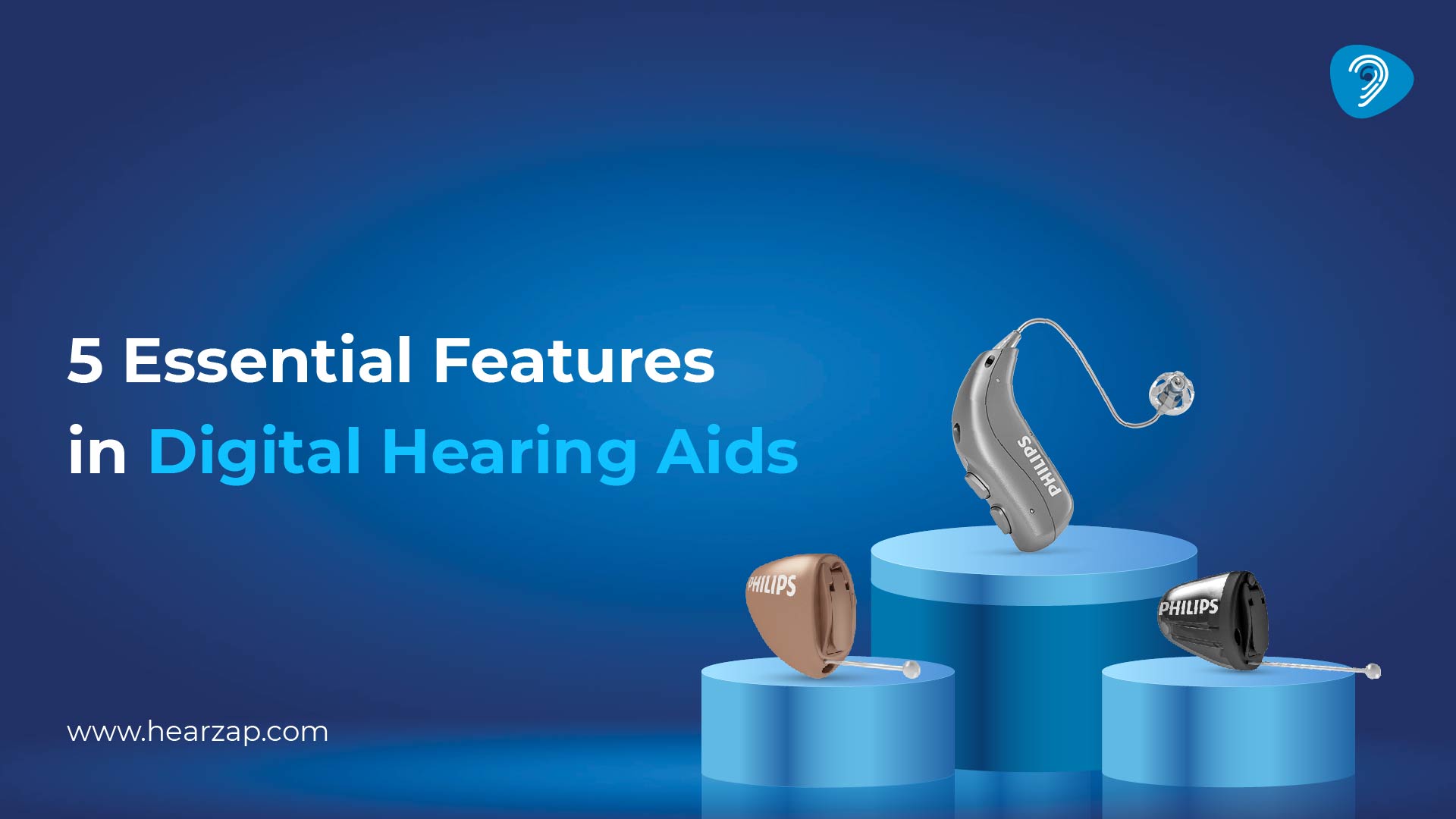
Buying a hearing aid is a personal decision. It is not like buying earphones or a phone accessory. You may wear it while speaking to your family, travelling to work, attending meetings, watching television, or answering calls. So, the device has to feel useful in your real day, not just look good on paper.
Modern hearing aids are smarter. They do not simply make everything louder. They process sound intelligently, improve speech clarity, and reduce some of the noise that makes listening difficult.
Before you choose one, understand the basic digital hearing aid features that matter most. These include sound processing, noise control, battery comfort, Bluetooth use, and expert fitting. Once you know what each feature does, comparing models becomes easier.
What are Digital Hearing Aids?
Digital hearing aids are devices that take sound from the surroundings, convert it into digital signals, and adjust it through a small processor. The processed sound is then sent into the ear according to the user’s hearing level.
Older analog hearing aids mainly increased volume. That helped some people, but it also made the unwanted noise louder. Digital devices work with more control. They can support speech, reduce sudden loud sounds, and adjust better to different listening situations.
This makes the experience personal. One person may hear well in a quiet room but struggle in a restaurant. Another may miss soft voices at home. A proper hearing test helps find these differences before selection.
In India, more people now look for smaller designs, easy charging, clearer calls, and service support.
Why Choosing the Right Features Matters
A hearing aid is tested in a clinic, but used in everyday life. Your home may have a fan running, a pressure cooker sound, a television noise, and people speaking from different rooms. Outside, there may be traffic, horns, shop noise, and group conversations.
The right features help the device handle these changes. Speech can sound clearer, loud sounds may feel less harsh, and listening may feel less tiring.
Comfort also matters. If a device feels too sharp, too noisy, or too difficult to manage, the user may stop wearing it. This is common when people buy without proper guidance.
A good hearing aid should match your hearing report, routine, hand comfort, phone use, and budget. It should also include adjustment and service support.
5 Essential Digital Hearing Aid Features
The best digital hearing aids are not always the costliest ones. A good choice fits your hearing needs and daily surroundings.
Advanced Sound Processing
Advanced sound processing is the main reason modern hearing aids feel different from basic amplifiers. The device studies incoming sound and adjusts it before sending it to the ear.
If someone speaks softly, the device can make the voice clearer. If there is a sudden loud sound, such as a dropped plate or bike horn, the device can reduce the sharpness.
This does not mean every sound becomes perfect. It means sound feels more balanced. A good fit makes this feature useful because the device is adjusted for your hearing pattern.
Noise Reduction and Speech Enhancement
Many people with hearing difficulty say they hear sound, but words are not clear in noise. This happens often in family functions, markets, temples, restaurants, buses, and office discussions.
Noise reduction helps lower some background sounds. Speech enhancement helps bring voices forward. Together, they make conversations easier to follow.
These features do not remove every background sound. No hearing aid can do that completely. Still, they can reduce listening strain and make noisy places less tiring.
You can read more about noise reduction hearing aids if crowded places are a daily challenge.
Battery Technology: Rechargeable digital hearing aids
Battery handling is a small detail until it becomes a daily problem. Traditional hearing aids use tiny batteries that need regular replacement. Some elderly users find them difficult to hold, insert, or remove.
Rechargeable models are easier for many people. You place the device in the charger, usually at night, and use it the next day. This feels similar to charging a mobile phone.
For users who travel or dislike spare batteries, rechargeable devices can be convenient. Battery models still suit some people because they may cost less at first. If this feature matters to you, explore best rechargeable hearing aids before deciding.
Connectivity with Bluetooth & Smartphone
Phone calls are a regular part of life now. Many people also watch videos, attend online meetings, listen to music, or speak to family through video calls. Bluetooth support can make these tasks easier.
In selected models, sound from the phone can go directly to the hearing aid. This may improve call clarity because the sound reaches the device without depending only on the phone speaker.
Some hearing aids also connect with mobile apps. Through the app, users may change volume, switch listening modes, or check battery level. This is useful when moving from a quiet room to a busy road. If phone connection is important, read about Bluetooth hearing aids.
Custom Programming and After-Sales Support
A hearing aid should not be worn straight from the box. It must be programmed according to the user’s hearing report.
Custom programming decides how much support is needed for soft sounds, speech sounds, and loud sounds. This is important because two people with hearing loss may need very different settings.
After-sales support is equally important. In the first few days, the user may feel that some sounds are too clear or too loud. Fine-tuning helps make the device more comfortable.
Cleaning, servicing, counselling, and regular checks also matter.
Before choosing, you can compare types of hearing aids to understand common styles and fitting options.
What Influences the Price of Digital Hearing Aids?
The digital hearing aid price changes because every device is built differently. Two models may look similar from the outside, but the technology inside may not be the same.
Technology & Features
Devices with stronger sound processing, better noise control, Bluetooth, app support, and automatic adjustment usually cost more. These features may be useful for people who spend time in many different sound situations.
Type & Design
Behind-the-ear, receiver-in-canal, and in-the-ear models have different designs. Some are easier to handle. Some are less visible. The design affects comfort, power, and cost.
Brand & Quality
Known brands often invest in sound research, product comfort, and reliability. Still, the brand should not be the only reason to buy. The device must suit your hearing report.
Customization & Fitting
Testing, programming, trial, and fine-tuning add value. A poorly fitted device may not feel right even if it is advanced.
Rechargeable vs Battery
Rechargeable models may cost more at first because they include charging technology. Battery models may start at a lower price, but batteries need to be replaced.
After Sales Services
Follow-up visits, cleaning, repairs, and sound adjustments support long-term use. This service matters because a hearing aid needs care after purchase.
Warranty & Support
A warranty gives confidence if there is a device issue. Always ask what is covered, how long support lasts, and where service is available.
How Hearzap Helps You Choose the Right Hearing Aid
Hearzap begins with understanding your hearing, lifestyle, and comfort needs. The process includes hearing assessment, expert consultation, and device suggestions based on daily use.
You can book an appointment to speak with a hearing care expert. If you are trying to understand hearing loss for yourself or a family member, the team can explain the next steps in simple words.
After the right recommendation, you can also buy hearing aids online through Hearzap. The aim is to choose a device that supports clearer conversations, better comfort, and regular use.
FAQs
Do digital hearing aids work in noisy places?
Yes, many models reduce some background noise and improve speech clarity. The result depends on the device, fitting quality, and hearing level.
Are digital hearing aids comfortable for daily use?
Yes, when the style and sound settings are correct. Some users need a short adjustment period before sounds feel natural.
Which feature is most important in hearing aids?
Speech clarity is most important for many users. Noise reduction, comfort, battery life, and proper programming also matter for daily use.
Are expensive hearing aids always better than less expensive ones?
Not always. A higher price may offer more features, but the best choice depends on your hearing test, lifestyle, and comfort.
Can I adjust my digital hearing aid myself?
Some devices allow basic volume or mode changes through buttons or apps. A hearing care professional should do the main programming.
Will an online hearing test allow me to purchase a hearing aid?
An online test can give a basic idea, but a detailed hearing test is better before buying. Proper fitting needs accurate results.
Do digital hearing aids completely restore normal hearing?
No, they improve access to sound and speech, but they do not restore natural hearing fully. Regular use and fine-tuning improve comfort.
Related Blogs
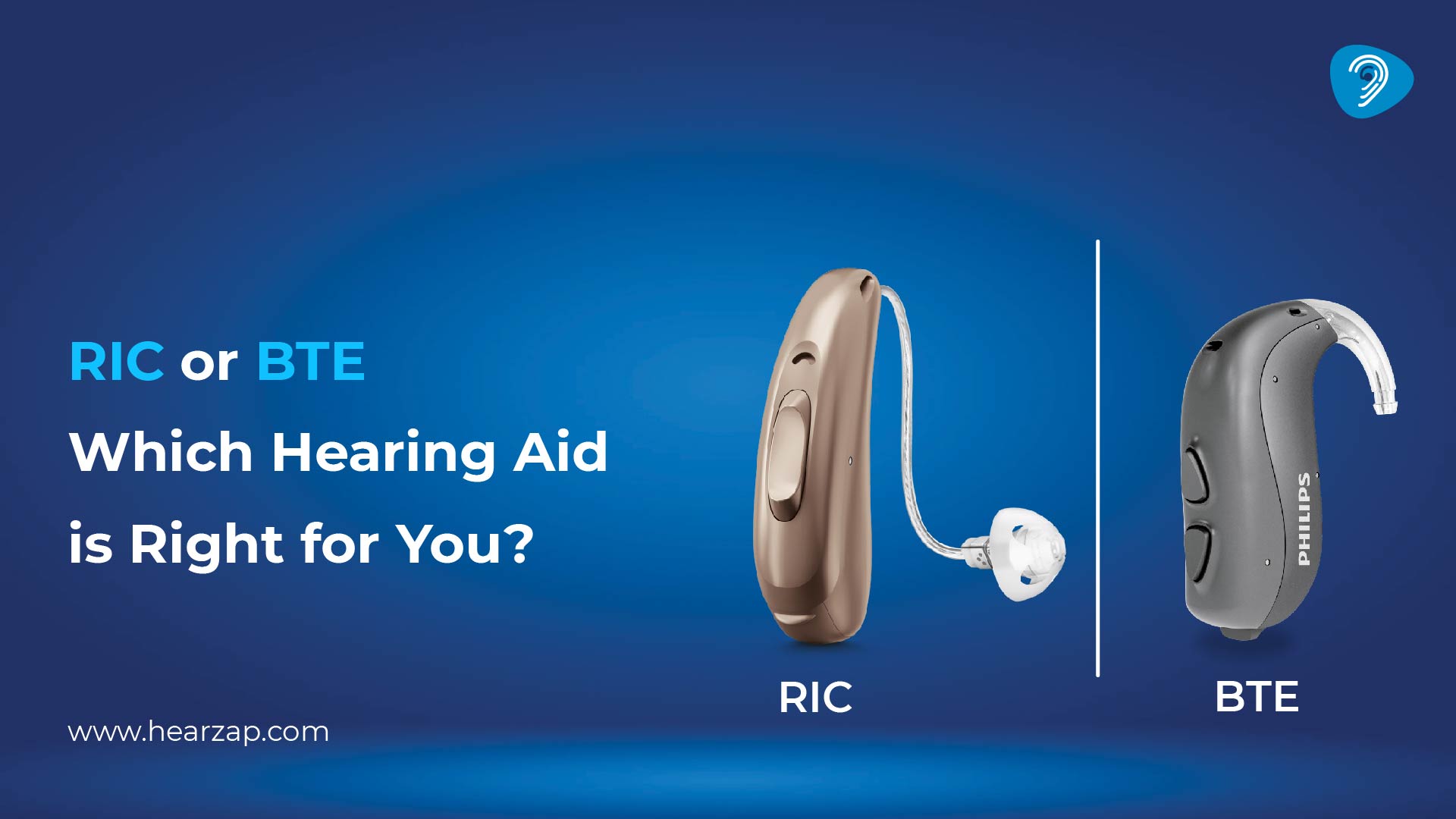
RIC vs BTE Hearing Aids – Which Is Right for You
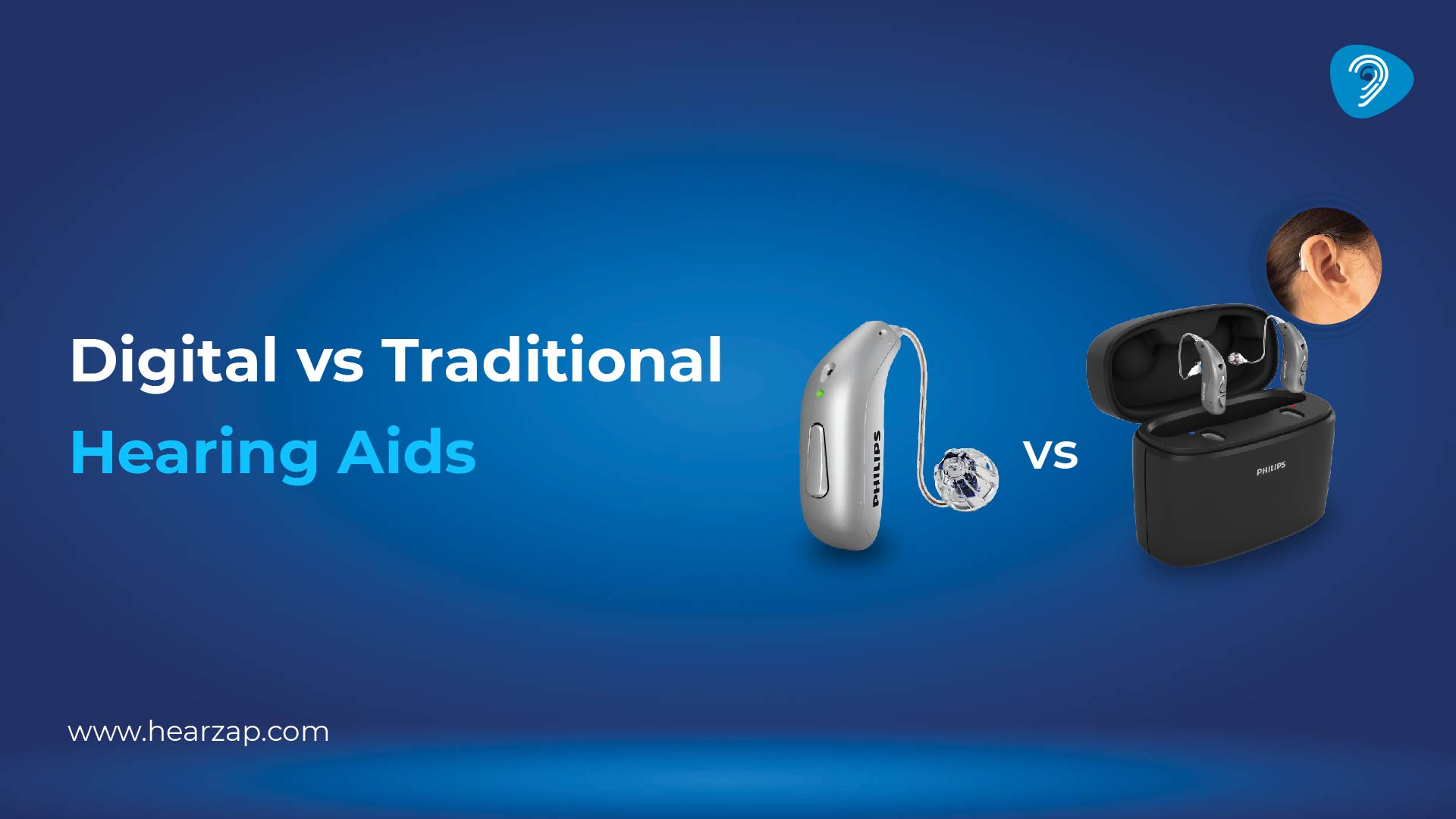
Digital vs Traditional Hearing Aids: Which is Right for You?
Contact us
We are here for all your hearing needs, from hearing tests to hearing aids. Fill out the form below, and we will give you a call soon.
Recent Blogs
By None | Sept. 9, 2026
By None | Sept. 7, 2026
By None | Sept. 5, 2026
By None | Sept. 4, 2026
By None | Sept. 2, 2026