HEARING CARE
Hyperacusis: Causes of Hearing Sensitivity and Treatment Options
By Team Hearzap | April 22, 2026
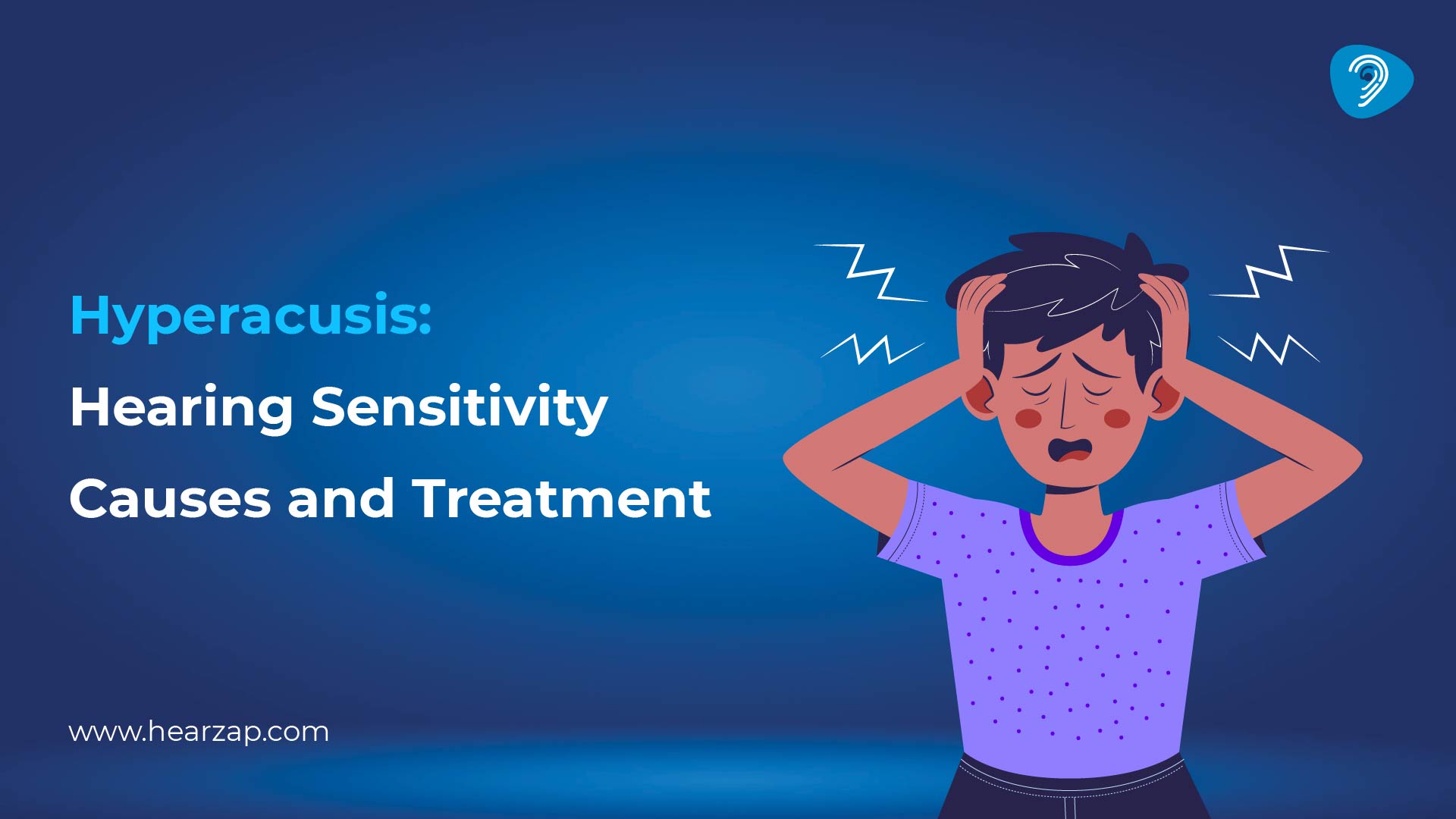
Some sounds are expected to be loud, but when everyday sounds like a door closing, running water, utensils clinking, or phone alerts feel painful, it may be hyperacusis. Hyperacusis is a hearing sensitivity condition where normal sounds feel too loud or uncomfortable.
It can affect work, sleep, travel, and conversations. With proper hearing evaluation and expert care, this sound sensitivity can be understood and managed better.
What is Hyperacusis?
Hyperacusis is a hearing disorder where normal daily sounds feel too loud, sharp, or uncomfortable. The sound may not be harmful, but the ear and brain may react strongly to it. It is different from simply disliking loud noise or having hearing loss.
A person may feel discomfort even with regular sounds at home, work, or public places. This can affect daily comfort, confidence, and routine activities.
Symptoms of Hyperacusis
The main sign is sensitivity to normal sounds. Sounds that others ignore may feel loud, irritating, or painful. Common symptoms include sensitivity to normal sounds, ear pain or pressure, and hyperacusis, anxiety, irritation, or restlessness around sound.
This condition can affect daily life. A person may avoid crowded areas like restaurants, offices, family functions, or public transport. Over time, it can also affect mental health because the person may stay worried about the following uncomfortable sound.
Causes of Hyperacusis
There may not be one single cause of hyperacusis for every person, but in some cases, it may start after exposure to loud noise. In others, it may be linked to an ear infection, nerve-related concern, head injury, or trauma.
It can also be associated with conditions such as tinnitus and migraines. This is why people often ask, in which disease is hyperacusis seen? The answer can vary, as it may occur with different ear-related or nerve-related concerns, especially if the sensitivity is new, painful, or becoming worse.
Hyperacusis Test and Diagnosis
A hyperacusis test helps a specialist understand how your ears respond to different sound levels. It usually begins with a discussion about your symptoms, sound triggers, past ear problems, loud noise exposure, trauma, and any hearing loss.
A hearing test may be done to check your overall hearing ability. The specialist may also use a loudness discomfort level test, or LDL test, to find when sound starts feeling uncomfortable. If you are wondering how to test for hyperacusis, a professional hearing assessment is the safest and most accurate option.
Hyperacusis Treatment Options
Hyperacusis treatment is planned according to symptoms and comfort level. The aim is to improve sound tolerance slowly and reduce fear or stress around normal sounds.
Many people ask how to cure hyperacusis, but treatment usually focuses on improving sound tolerance over time. Personalised care may include sound therapy, counselling-based support, and guided hearing care.
When to See a Hyperacusis Specialist
Consult a specialist if everyday sounds feel painful or disturbing or make you avoid normal activities. An audiologist can assess hearing ability and sound tolerance, while an ENT doctor can check for infections, injury, or other medical causes. If symptoms affect your routine, book an appointment with a qualified hearing care professional.
Tips to Manage Hearing Sensitivity
Managing sound sensitivity needs care. Instead of avoiding all sounds, follow hearing protection tips in very noisy places, but keep normal daily sounds in your routine.
Useful tips include:
- Avoid very loud environments when possible.
- Use gradual sound exposure under professional guidance.
- Do not overuse earplugs in normal surroundings.
- Keep daily surroundings calm but not completely silent.
- Use ear protection only in very noisy places.
- Manage stress, sleep, and routine because anxiety can increase sound discomfort.
How Hearzap Can Help
The right support can make sound sensitivity easier to manage. Through hearing tests and expert consultation, the care team can understand your symptoms, check your sound tolerance, and guide you towards suitable hearing care solutions.
If hyperacusis is linked with hearing loss, expert advice can help you understand suitable support options before you buy hearing aids online. Book a consultation to understand your hearing health and receive care based on your needs.
FAQs
1. What is hyperacusis?
A hearing condition where normal sounds feel too loud, uncomfortable, or painful.
2. What causes hyperacusis?
It is caused by loud noise exposure, ear infections, nerve damage, head injury, trauma, tinnitus, or migraines.
3. How is hyperacusis diagnosed?
It is diagnosed through symptom review, hearing tests, and loudness discomfort level testing.
4. What is the best treatment for hyperacusis?
The best treatment is sound therapy, cognitive behavioural therapy, or tinnitus retraining therapy, which may be advised.
5. Which doctor treats hyperacusis?
An audiologist checks hearing and sound tolerance. An ENT doctor checks medical ear concerns.
Also Read: Conductive Hearing Loss
Related Blogs
Ear Protection for Swimming
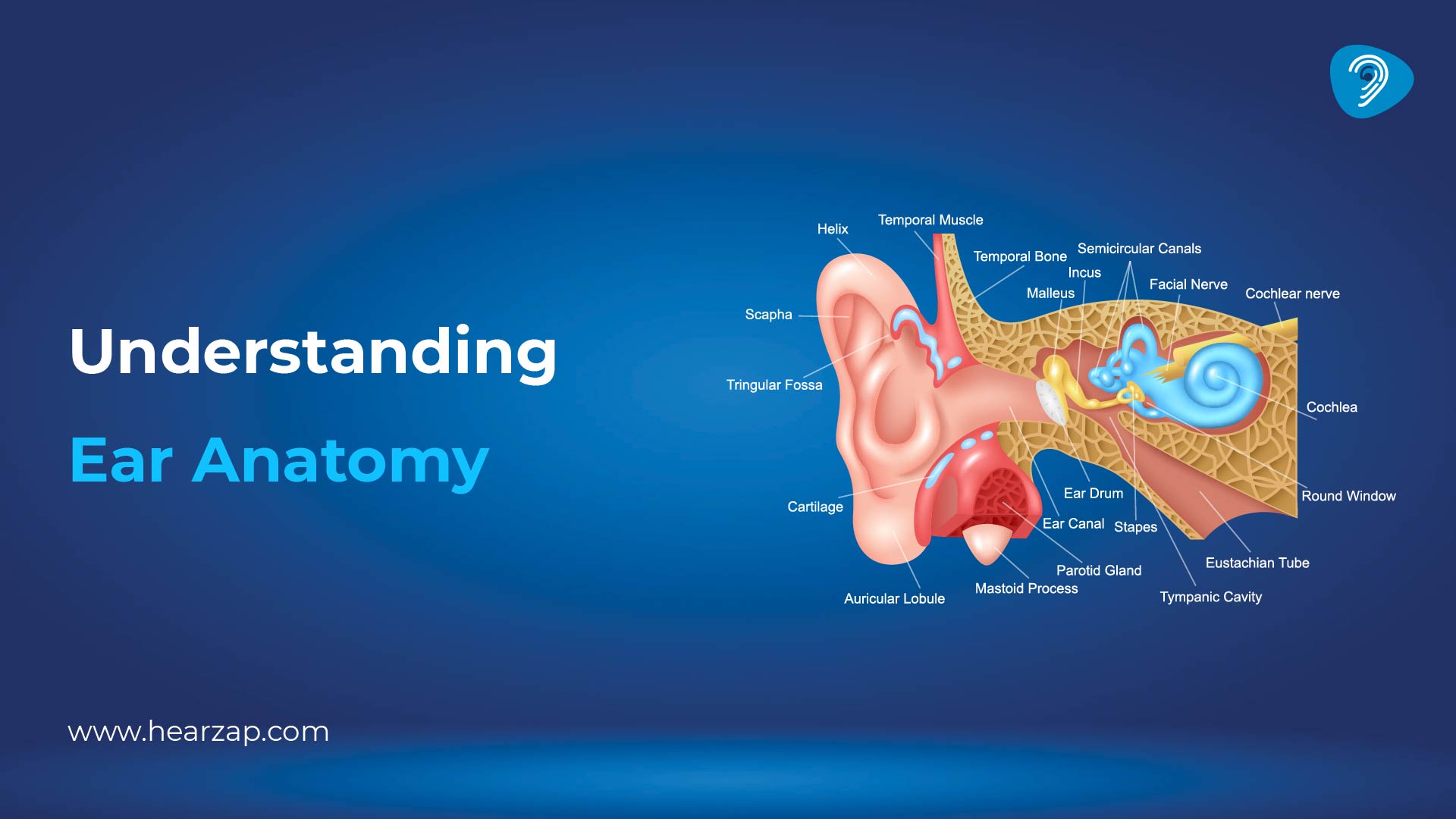
Understanding Ear Anatomy: Parts and Their Functions
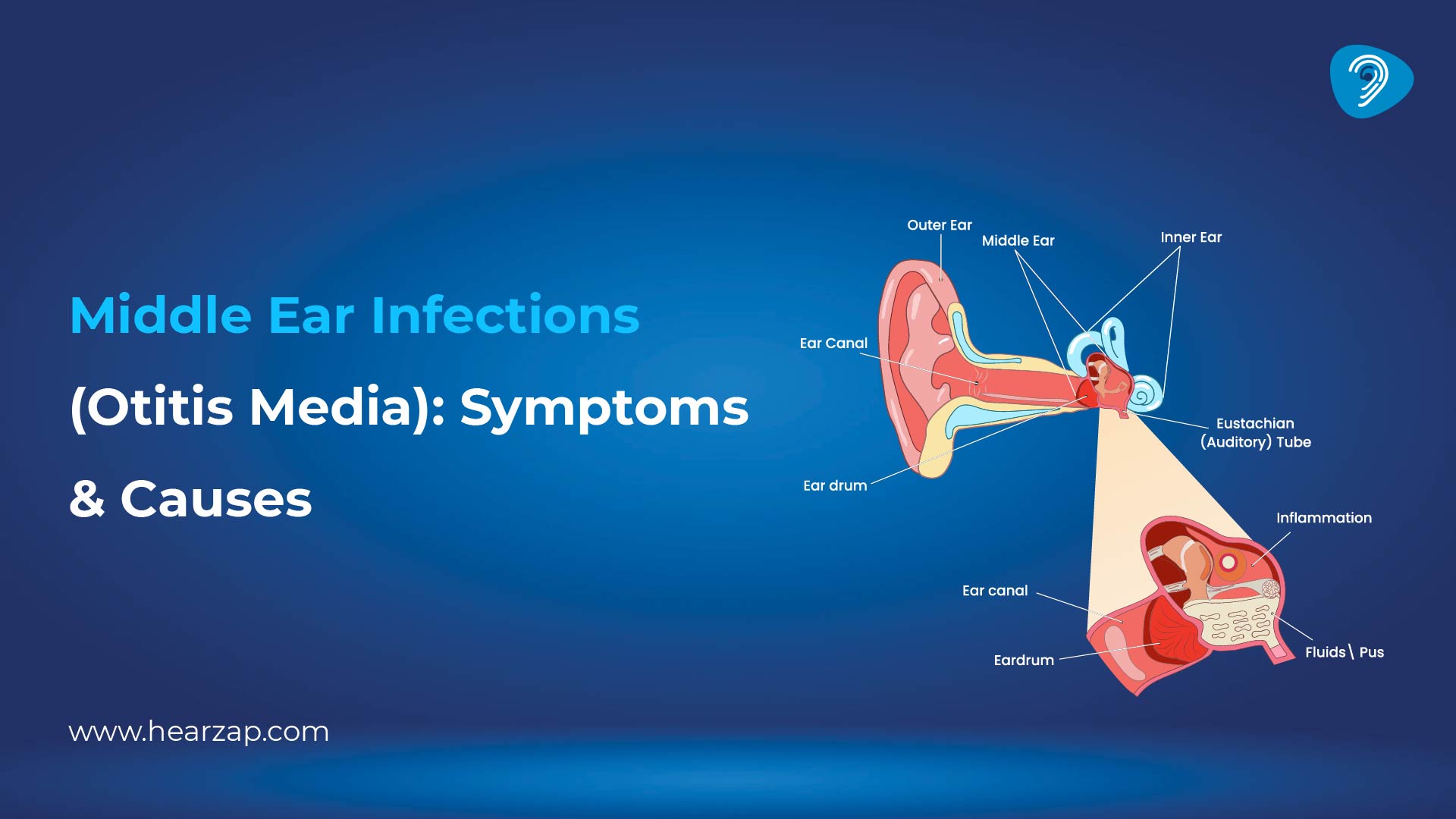
Middle Ear Infections (Otitis Media): Symptoms & Causes
Are Your Headphones Damaging Your Hearing? Know Before It’s Too Late
10 Hearing Care Tips & Maintenance
5 Ways Healthy Hearing Can Improve Your Mental Health
Contact us
We are here for all your hearing needs, from hearing tests to hearing aids. Fill out the form below, and we will give you a call soon.
Recent Blogs
By None | May 7, 2026
By None | May 6, 2026
By Team Hearzap | May 5, 2026
By Team Hearzap | May 4, 2026
By None | May 2, 2026