HEARING CARE
Granular Myringitis Explained: Symptoms, Causes & Treatment by Hearzap
By Team Hearzap | May 2, 2026
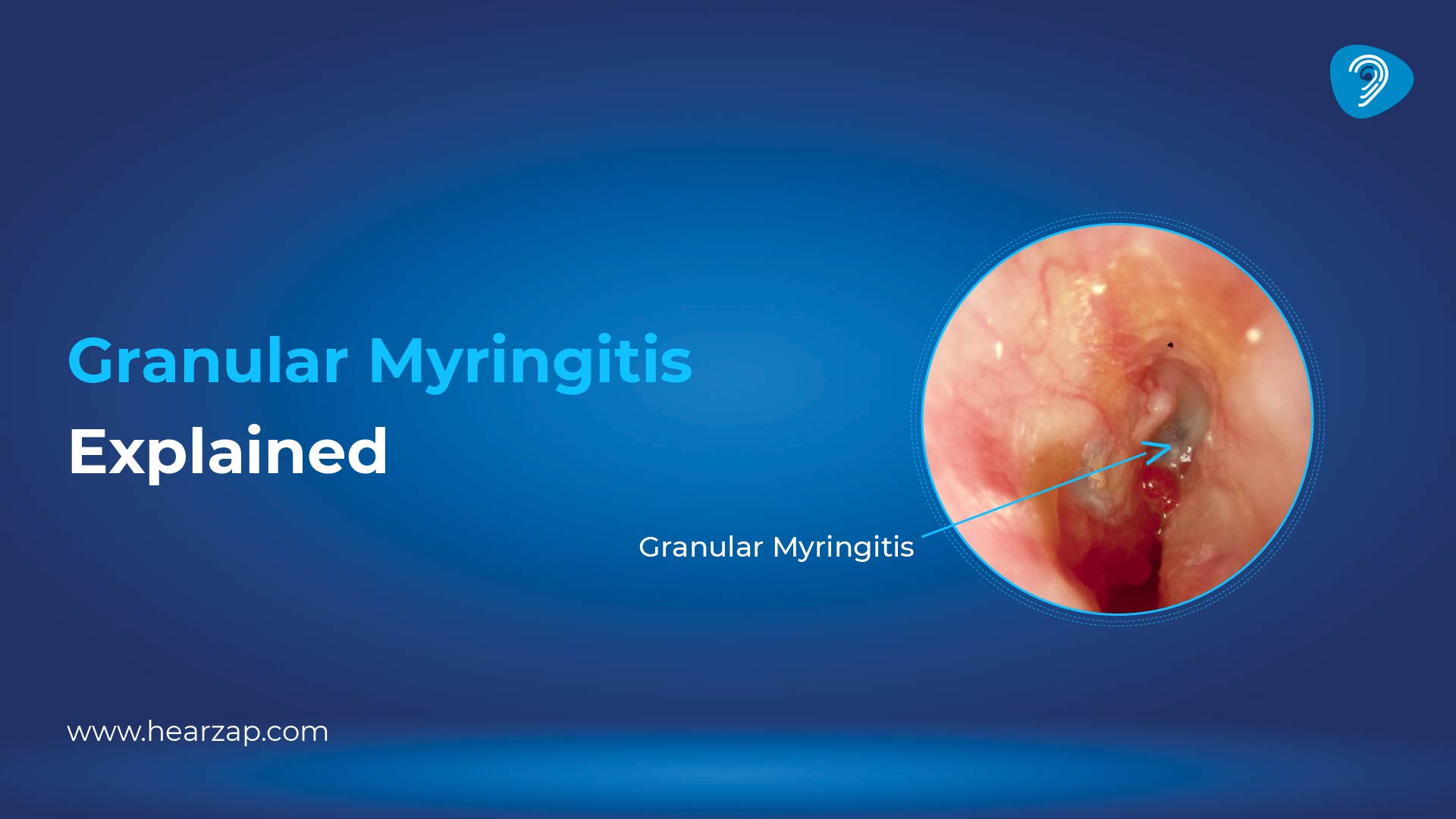
If your ear feels irritated for weeks, keeps oozing, or just does not seem to settle even after drops, you may be dealing with granular myringitis. This condition affects the eardrum and can mimic a routine ear infection, so it is often missed at first. The good news is that it is usually treatable once the real cause is identified. In this guide, you will learn what granular myringitis is, why it develops, the most common granular myringitis symptoms, and what doctors typically consider for granular myringitis treatment.
What is Granular Myringitis?
Granular myringitis is a long-standing inflammation limited to the outer layer of the eardrum, where raw, red “granulation” tissue forms and may keep weeping. The middle ear space behind the eardrum is often normal, so the problem can continue without the typical features of deeper infections.
Here is what usually happens in the ear canal and on the eardrum:
- The thin skin-like layer on the eardrum gets irritated or injured.
- The body produces granulation tissue, which is delicate and bleeds easily.
- Moisture, irritation, or surface bacteria keep the healing tissue inflamed.
Key points that make it different from a typical ear infection include:
- It is localised to the eardrum surface rather than the deeper middle ear.
- It can recur if the surface is repeatedly injured or stays moist.
- Pain may be mild, but discharge can be persistent.
Myringitis affects your hearing, especially when discharge, swelling, or debris interferes with sound reaching the eardrum. In most cases, hearing improves once the inflammation settles, but you should not self-diagnose.
Granular Myringitis Symptoms
The first signs of granular myringitis symptoms are often mild, which is why many people try home measures for too long. The pattern is commonly “better for a few days, then back again”, especially after water exposure.
Common symptoms you may notice are:
- Sticky or watery ear discharge that keeps returning
- Mild to moderate ear pain, burning, or tenderness
- Itching, irritation, or a feeling of fullness in the ear
- A blocked sensation or muffled hearing, especially after discharge dries
- Crusting or flakes near the canal opening
- Discomfort that worsens after a head bath or during humid weather
Many people do not have fever or cold symptoms, which is why it is often dismissed. However, severe pain, spinning sensation, or blood-stained discharge is not typical and needs urgent review. If you wear earphones for long hours, the ear can feel hot and sweaty, and that moisture can aggravate irritation, so give your ears breaks.
Do not try to dry the ear with cotton buds. If water enters, gently wipe the outer ear, then use a cool hair dryer at arm’s length for a few seconds. If it hurts, stop and seek advice.
You may notice the ear feels sticky by evening, and the discharge sometimes dries into a thin, flaky crust overnight.
It is also worth knowing that several causes of itchy ears overlap with this condition, such as dryness, minor trauma from earbuds, or repeated scratching. What sets granular myringitis apart is that the irritation is linked to inflamed eardrum tissue and tends to persist.
If discharge lasts more than a few days, or pain returns each time you stop drops, get the ear checked. Ongoing discharge can also irritate the ear canal skin and prolong discomfort. In some cases, you may notice temporary hearing loss when swelling and crusting block sound.
Causes of Granular Myringitis
Understanding granular myringitis causes matters because treatment works best when the trigger is removed. Moisture and repeated irritation are common drivers.
In many cases, one or more of these factors play a role:
- Recurrent outer ear inflammation or long-standing ear infections that keep the canal moist
- Minor trauma from cotton buds, fingernails, or aggressive cleaning
- Water exposure, including swimming or water trapped after showers
- Skin sensitivity conditions that make the canal prone to irritation
- Bacterial growth on the inflamed surface, which can maintain discharge
- Repeated use of oils or home remedies that keep the canal damp
A simple way to think about granular myringitis causes is this: the eardrum lining gets damaged, the body tries to heal it, and the healing tissue stays inflamed because the surface remains wet or re-injured.
Granular Myringitis Treatment Options
Granular myringitis treatment is usually stepped, starting with cleaning and targeted medicines, and moving to procedures only if needed. Getting the diagnosis right is important because fungal infection, eczema, and wax build-up can look similar.
Doctors typically confirm granular myringitis by examining the ear canal and eardrum under good light, spotting granulation tissue on the eardrum surface, and checking for debris or mixed infection. In some cases, they may take a swab if discharge is persistent.
Medical Treatment
For many people, medical care is enough to settle granular myringitis and prevent flare-ups. You will usually feel improvement when the ear is cleaned properly, and medicines reach the inflamed surface.
Your ENT specialist may recommend:
- Gentle cleaning under vision to remove debris
- Antibiotic ear drops if bacterial infection is suspected, sometimes with an anti-inflammatory ingredient
- Clear advice to keep the ear dry and avoid random drops that trap moisture
- Follow-up review to confirm that the eardrum surface is healing
Drops often need to be used for the full prescribed course, even if discharge reduces early. Between visits, keep bathing simple: use a shower cap, avoid splashing water into the ear, and do not insert cotton or tissues into the canal.
To use drops correctly, lie with the affected ear facing up, gently pull the outer ear back and up, and stay in that position for 2 to 3 minutes. Use only the drops you were prescribed. If you have ongoing hearing loss or reduced hearing, a hearing test can clarify whether the change is temporary or requires further attention.
Advanced Treatment
If symptoms persist despite drops and cleaning, advanced granular myringitis treatment focuses on stopping the granulation tissue from reforming. These options are selected after assessing the extent of the inflamed area and how often it recurs.
Options your doctor may consider include:
- Cauterisation of the granulation tissue using a controlled technique
- Steroid-based therapy when inflammation is prominent
- Repeat cleaning with close follow-up so the eardrum surface stays dry while it heals
- Rarely, a minor procedure to remove the affected outer layer in repeatedly recurrent cases
Self-treatment should be avoided at this stage. Picking the ear, inserting objects, or repeating old drops without advice can worsen irritation and delay healing. Many people notice improvement within days once the surface is cleaned and the right drops are started, but recurrence can happen if water entry and self-cleaning continue.
Sometimes, once infection and inflammation are controlled, you may still need hearing support. If a specialist confirms you would benefit from amplification, you can buy hearing aids online through trusted providers, but only after proper assessment and fitting guidance.
When to See a Doctor?
Because granular myringitis can linger and recur, it is smart to seek medical advice when symptoms do not settle quickly. Early review can prevent the ear canal from becoming chronically inflamed.
See an ENT specialist if you have:
- Discharge that keeps returning
- Pain that is not reducing
- New or worsening reduced hearing
- Dizziness, marked swelling, or a foul smell from the ear
- Symptoms that continue beyond one week despite careful ear dryness
A timely review matters because your doctor can confirm whether it is granular myringitis or another condition that needs different care. If you want a guided next step, Hearzap can help you book an appointment for an ENT consultation and plan follow-up care.
Prevention Tips
Prevention is mainly about protecting the eardrum surface and keeping the ear canal dry to prevent the inflammation from restarting. Small daily habits can make a big difference.
Simple habits that reduce risk include:
- Keep your ears dry after showers or swimming, and tilt your head to drain water
- Avoid inserting objects into the ear canal, even cotton buds
- Skip oils and home drops unless a doctor specifically advises them
- Treat ear problems early rather than waiting for weeks of discharge
- Use earbuds gently and take breaks if they cause itching or pressure
- Clean reusable earplugs and earbuds regularly, especially in dusty or humid settings
- Go for regular ENT check-ups if you have repeated outer ear issues
When you focus on dryness, gentle care, and early treatment, you reduce the chances of granular myringitis symptoms returning.
FAQs
What is granular myringitis?
It is an inflammation of the outer surface of the eardrum, with granulation tissue forming, leading to ongoing discharge and irritation.
Is granular myringitis serious?
It is usually not dangerous, but it can be stubborn. Without proper care, symptoms may persist or recur, affecting comfort and hearing.
What causes granular myringitis?
Common triggers include repeated moisture, minor trauma from cleaning or scratching, and an ongoing surface infection that prevents the eardrum from healing.
How is granular myringitis treated?
Treatment may include careful cleaning by an ENT specialist, medicated ear drops, and, in persistent cases, procedures such as cauterisation or anti-inflammatory therapy.
Can it affect hearing?
Yes. Hearing can become muffled when swelling, discharge, or debris blocks sound. Most people improve once inflammation is controlled, but an assessment is important.
Related Blogs
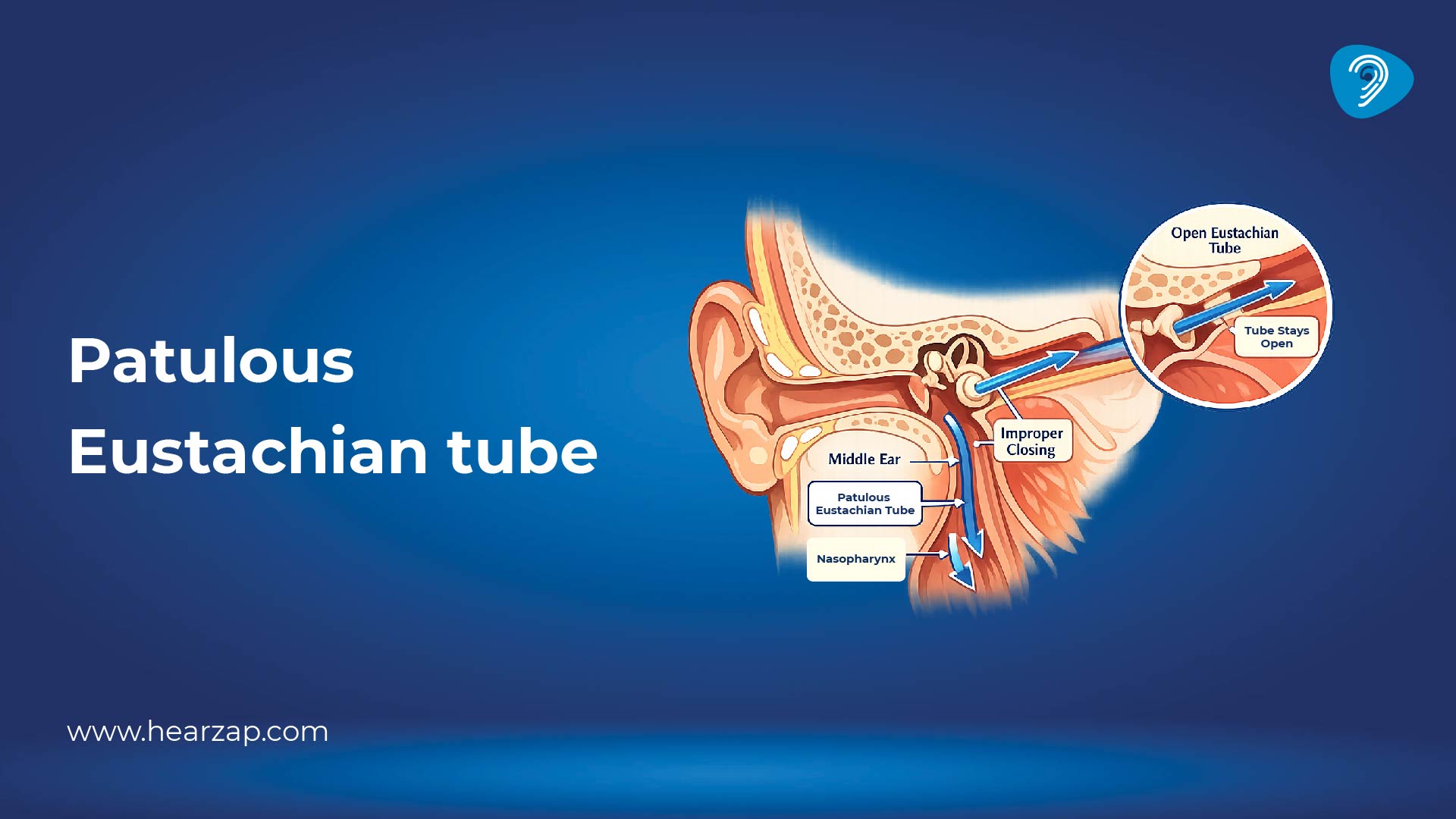
Patulous Eustachian Tube
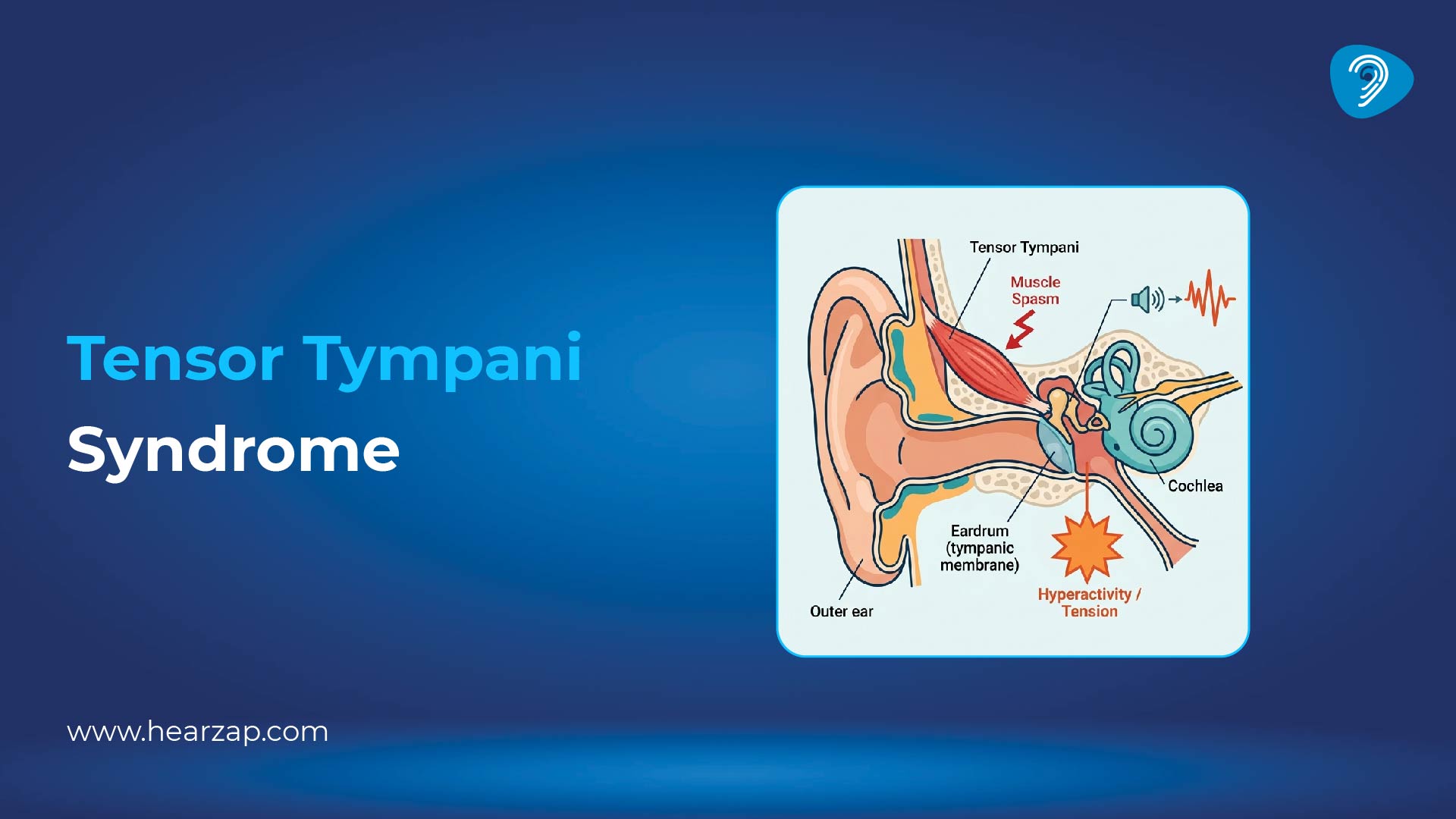
Tensor Tympani Syndrome
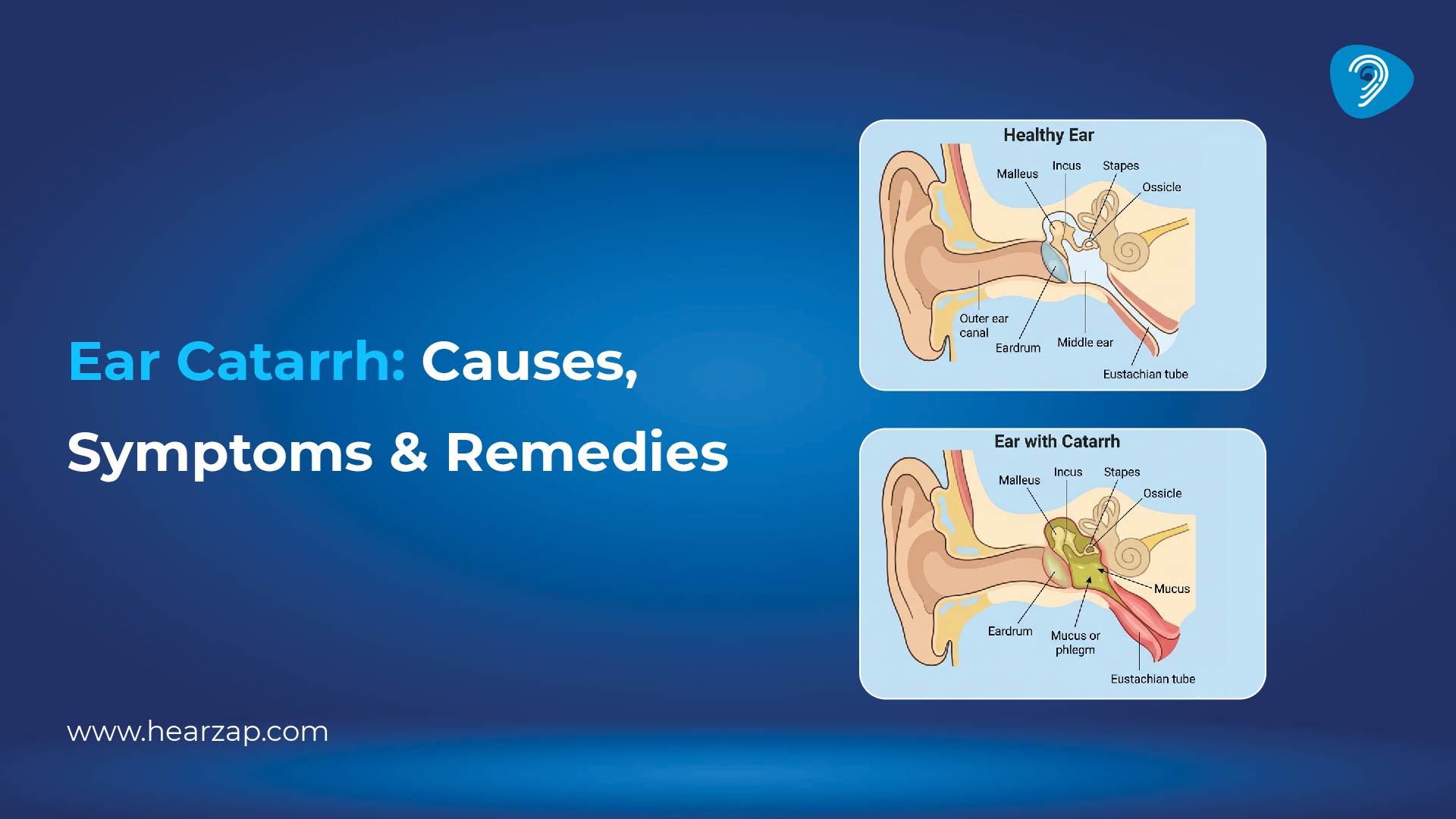
Ear Catarrh: Causes, Symptoms, Treatment & Home Remedies

Ear Bleeding: Causes, Treatment & What to do Immediately

TMJ Ear Pain: Why Your Jaw Might Be Behind That Earache
Contact us
We are here for all your hearing needs, from hearing tests to hearing aids. Fill out the form below, and we will give you a call soon.
Recent Blogs
By None | Oct. 3, 2026
By None | Oct. 1, 2026
By None | Sept. 30, 2026
By None | Sept. 29, 2026
By None | Sept. 28, 2026