HEARING CARE
Red and Hot Ears: Causes, Symptoms & Treatment
By Team Hearzap | May 6, 2026
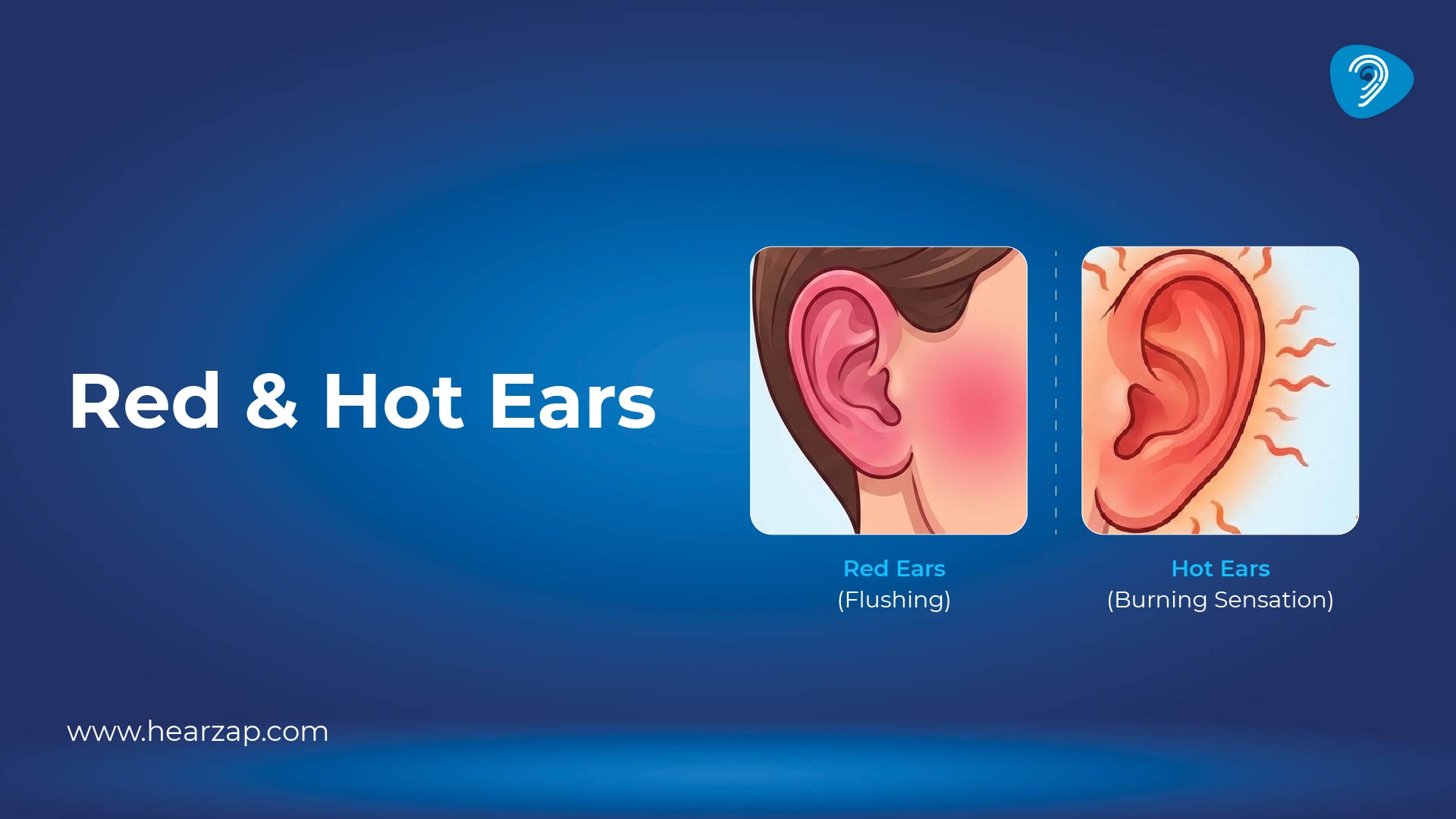
Red and hot ears can be caused by simple reasons like heat or emotions, but sometimes may indicate infection.
You may notice it after standing in the sun, feeling embarrassed, eating spicy food, or coming back from a workout. The ear may look red, feel warm, or have a mild burning feeling. In many cases, it settles on its own.
At times, the reason can be medical. An ear infection, skin allergy, eczema, dermatitis, or a rare nerve-related condition can also make the ear red and warm. The main thing is to notice what comes with it. Pain, swelling, discharge, fever, dizziness, or hearing trouble should not be ignored.
What are Red and Hot Ears?
This simply means the outer ear becomes red and feels warmer than usual. It may affect one ear or both ears. Some people feel burning, itching, tingling, or tenderness when they touch the ear.
The outer ear has many tiny blood vessels. When more blood flows to that area, the ear can turn red. This can happen because of weather, emotions, food, alcohol, irritation, or infection.
A short episode after heat, stress, or embarrassment is usually not a major concern. It often fades after some time. But if the redness keeps coming back, lasts for hours, or happens with pain, it is better to get checked.
In children, the sign may be harder to understand. A child may rub the ear, cry, complain of pain, or avoid lying on one side. If this happens with fever or discharge, a doctor should examine the ear.
Causes of Red and Hot Ears
The cause may be very simple, or it may need treatment. Try to remember when it started. Did it happen after sun exposure? After wearing new earrings? After using a new shampoo? Or did it come with ear pain and fever? These small details help.
Common Causes
Heat is a common reason. Hot weather, long outdoor travel, exercise, or sudden change from an air-conditioned room to outdoor heat can make the ears flush. This is common in Indian summers, especially when the ears are not covered.
Emotions can also cause the ears to turn warm. Stress, anger, anxiety, or embarrassment can increase blood flow to the face and ears. The redness usually reduces once you calm down.
Sunburn is another common cause. Many people apply sunscreen on the face but forget the ears. After strong sun exposure, the outer ear may become red, hot, painful, or sensitive to touch.
Spicy food and alcohol can also trigger flushing in some people. If your ears turn red after certain foods or drinks, it may simply be your body’s reaction.
Medical Causes
An ear infection can cause redness, warmth, pain, swelling, and sometimes discharge. The ear may feel blocked or heavy. Fever can also be present, especially in children. If this sounds familiar, you can read more about ear infections.
Skin conditions can also affect the ear. Eczema or dermatitis may make the skin dry, itchy, red, cracked, or flaky. Scratching the area can make it worse and may lead to infection.
Allergies are another reason. New earrings, hair dye, shampoo, earphones, hearing devices, or skin products can irritate the ear area. Sometimes, even dust or pollution can make sensitive skin react.
Hormonal changes may also cause warmth or flushing. Some people notice this during menopause or other body changes.
Rare Conditions
Red ear syndrome is a rare condition where the ear becomes red and burning in repeated episodes. It may affect one ear or both ears. The burning may last for a few minutes or much longer.
For some people, it may happen after touching the ear, heat exposure, exercise, neck movement, stress, or chewing. It can also be linked with headache or nerve-related problems.
Autoimmune or nerve-related issues are not common, but they can cause repeated redness, pain, burning, or swelling. If the same ear becomes red again and again without a clear reason, it should be checked by a specialist.
Symptoms to Watch For
The ear may feel warm, hot, or burning. Some people feel mild tingling before the redness starts. Others notice itching or tenderness when they touch the outer ear.
Pain is an important sign. If the pain is sharp, increasing, or coming from inside the ear, do not ignore it. Swelling can point to infection, allergy, or skin irritation.
Discharge from the ear needs attention. Pus, fluid, blood, or a bad smell may mean infection. In such cases, avoid home drops or oil unless a doctor advises them.
Temporary hearing discomfort can also happen. If the ear feels blocked or sounds dull, it may be due to swelling, infection, or fluid. A hearing test can help if hearing does not feel normal.
Dizziness, fever, severe pain, or sudden hearing difficulty needs medical care. These signs are not something to wait for many days.
Ear Treatment for Red and Hot Ears
Treatment depends on the reason. Mild flushing after heat or emotions may only need simple care. Infection, allergy, or skin disease may need medicines.
Home Care
If the ear is red because of heat, sun, or stress, use a cool cloth on the outer ear for a few minutes. Do not place ice directly on the skin. It may irritate the area more.
Move to a cooler place and drink enough water. If sun exposure caused the redness, avoid going out in strong afternoon heat for a few days. Cover the ears when needed.
Avoid triggers that you already know. For some people, it may be alcohol or spicy food. For others, it may be a new hair product or earrings.
Keep the ears clean and dry. Clean only the outer ear with a soft cloth. Do not push cotton buds inside the ear canal. If you also have mild ear pain after a cold, you can read home remedies for ear infections, but pain with fever or discharge needs medical advice.
Medical Treatment
If infection is present, the doctor may prescribe antibiotics or ear drops. The treatment depends on whether the infection is in the outer ear, middle ear, or skin around the ear.
For allergies, eczema, or dermatitis, the doctor may suggest anti-inflammatory creams, allergy medicines, or a change in products. Do not apply random creams near the ear, especially if the skin is cracked or there is discharge.
If symptoms keep returning, affect only one ear, or come with hearing change, a specialist check is better. You can book an appointment for hearing and ear care guidance.
If repeated ear problems have affected your hearing, read more about hearing loss. After proper testing and professional advice, some people may also explore options to buy hearing aids online.
Prevention Tips
Avoid too much sun exposure. The ears are often left uncovered, so they can burn easily. Use sunscreen on the outer ears when going out, or cover them with a cap, scarf, or dupatta in strong heat.
Do not insert objects into the ears. Cotton buds, pins, matchsticks, and fingers can irritate the ear canal and cause injury. Clean only the outside.
Maintain simple ear hygiene. Dry the outer ear after bathing. If you swim often, dry your ears gently after coming out of the water. Do not rub hard.
Manage allergies early. If earrings, hair dye, shampoo, earphones, or hearing devices cause redness, stop using them and watch for improvement. If the reaction returns, ask a doctor.
Avoid scratching the ear. Scratching may give short relief, but it can break the skin and increase infection risk.
Follow basic hearing care tips such as keeping ears dry, avoiding loud sounds, and getting checked when pain or hearing changes appear.
FAQs
What causes red and hot ears?
Heat, stress, embarrassment, sunburn, spicy food, alcohol, allergies, skin irritation, and infection can cause it. Rarely, repeated burning episodes may be linked to nerve-related conditions.
Are red and hot ears a sign of infection?
They can be. If redness comes with pain, swelling, discharge, fever, itching, or reduced hearing, infection is possible. A doctor should check it if symptoms do not settle.
What is red-hot ear syndrome?
It is a rare condition where the ear becomes red and burning in episodes. It may happen after heat, touch, exercise, stress, or certain movements. Repeated episodes need medical advice.
How to treat red ears at home?
Use a cool cloth on the outer ear, stay away from heat, drink water, and avoid known triggers. Do not put oil, drops, or objects inside the ear without medical advice.
When should I worry about red ears?
Worry if there is severe pain, swelling, discharge, fever, dizziness, sudden hearing change, or redness that keeps coming back. These signs need a proper check.
Can stress cause red and hot ears?
Yes, stress, anger, anxiety, or embarrassment can increase blood flow to the ears. The ears may look red and feel warm, but it usually settles once you calm down.
Related Blogs
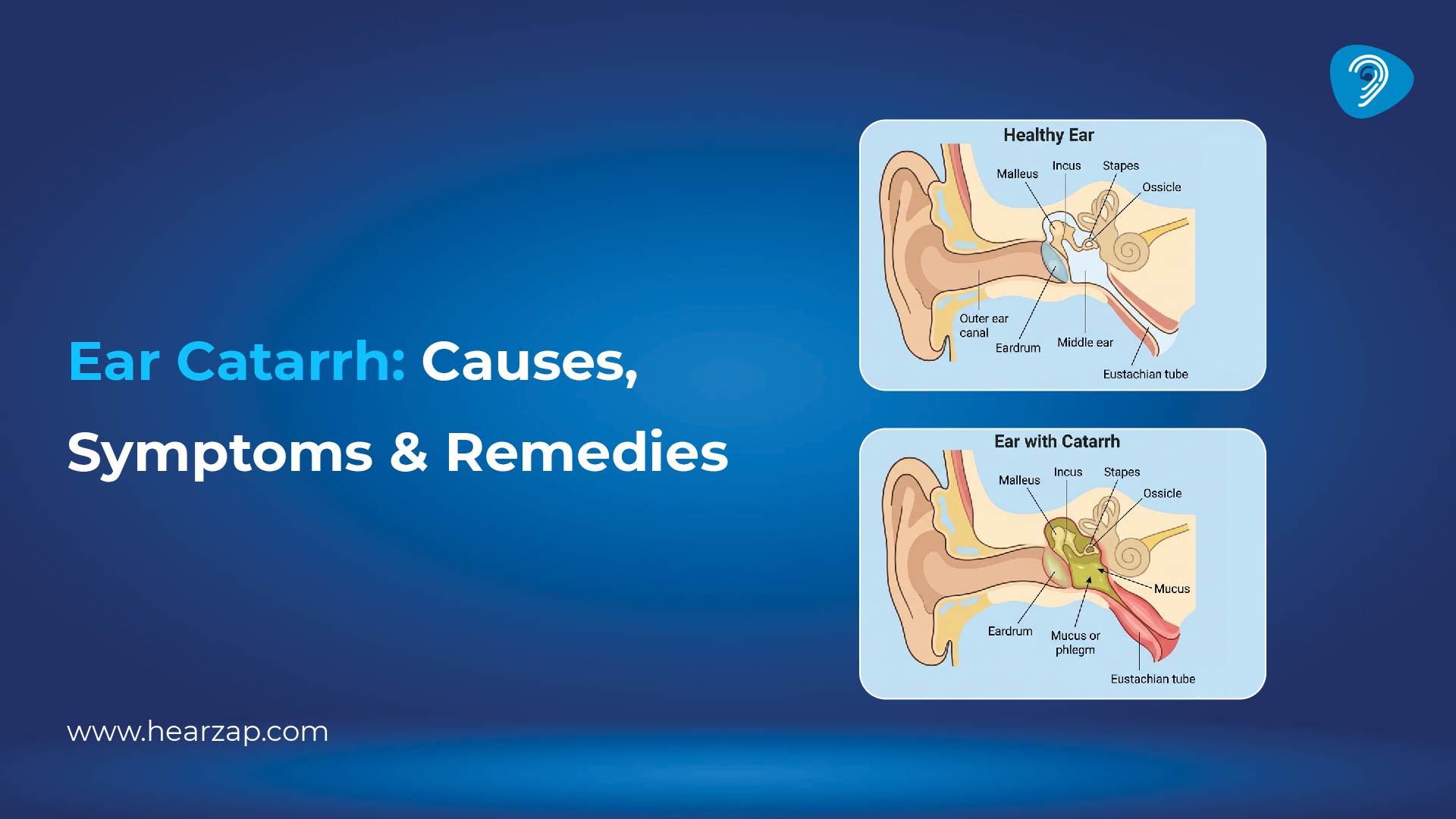
Ear Catarrh: Causes, Symptoms, Treatment & Home Remedies
TMJ Ear Pain: Why Your Jaw Might Be Behind That Earache
Sebaceous Cyst Behind Ear
Contact us
We are here for all your hearing needs, from hearing tests to hearing aids. Fill out the form below, and we will give you a call soon.
Recent Blogs
By None | Oct. 3, 2026
By None | Oct. 1, 2026
By None | Sept. 30, 2026
By None | Sept. 29, 2026
By None | Sept. 28, 2026