Generic
What Happens if a Bug Goes Into Your Ear?
By Team Hearzap | May 7, 2026
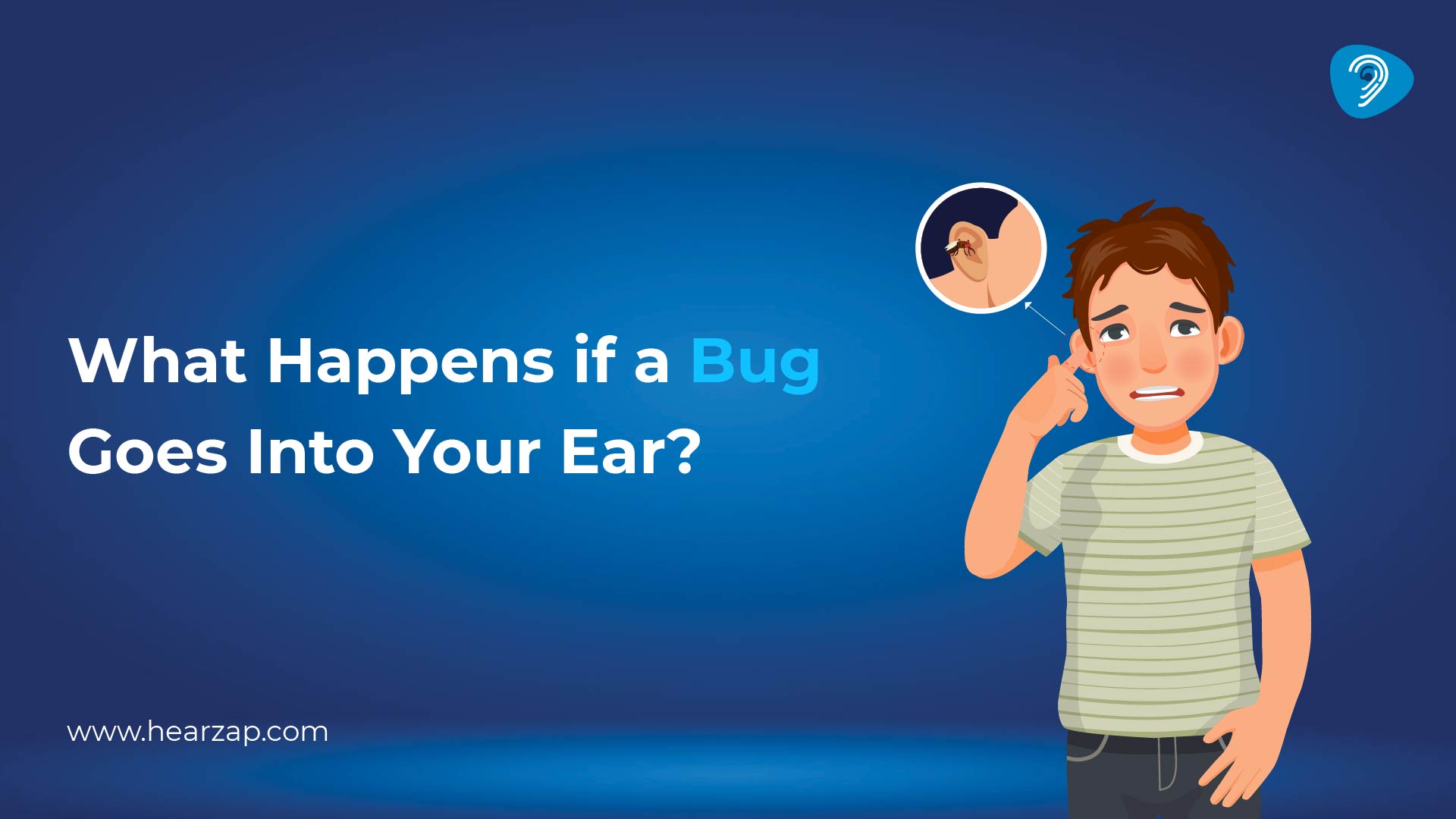
A bug can enter the ear while you are sleeping, sitting in a garden, travelling, or spending time in open areas. It is more common during summer and monsoon, when insects are active, and windows are often kept open.
The feeling can be frightening because the ear canal is very sensitive. You may hear buzzing, feel movement, or get sudden pain. In most cases, it can be handled safely if you stay calm and avoid pushing anything into the ear.
The safest first step is simple. Tilt the affected ear down and let gravity work. If the insect does not come out, or if there is pain, bleeding, dizziness, or hearing trouble, visit a doctor.
Can a Bug Get Stuck Inside Your Ear?
Yes, a bug can get stuck inside the ear canal. It may move, scratch the skin, or stay trapped near the eardrum. This can cause irritation, pain, and a strong urge to put a finger or cotton bud inside the ear.
Try not to do that. The ear canal is narrow, and pushing anything inside can move the insect deeper. It may also injure the skin or eardrum.
Usually, this situation is not dangerous when treated early. The problem starts when people try unsafe home removal methods. If the insect does not come out easily, medical removal is the better choice.
Bug in Ear Symptoms
Ear bug symptoms can be easy to notice because they usually start suddenly. You may feel buzzing, crawling, tickling, or movement inside one ear. Some people feel sharp pain if the insect moves or bites.
Other signs can include ear discomfort, redness, swelling, watery discharge, mild bleeding, or a blocked feeling. Hearing may become dull for a short time if the insect blocks the ear canal.
Children may not explain the feeling clearly. They may cry, pull their ears, become restless, or stop responding normally. If hearing feels reduced even after the insect is removed, a hearing test can help check whether the ear needs further care.
Best Way to Get a Bug Out of Your Ear
The best way to get a bug out of your ear is to stay calm and avoid using sharp objects. You should only try safe steps when there is no severe pain, bleeding, discharge, past ear surgery, or known eardrum problem.
Safe Home Methods
First, tilt the affected ear downward. Gently shake your head. Do not hit the ear or press hard. Sometimes, the insect may fall out on its own.
If the insect is alive and moving, a few drops of body-warm oil may help stop the movement. You may use mineral oil, baby oil, or clean cooking oil. The oil should only be warm, not hot.
Warm water flushing may help in some cases, but only when you are sure there is no eardrum injury, pain, bleeding, or discharge. If you are unsure, avoid flushing and see a doctor.
What NOT to Do
Do not use cotton buds, fingers, tweezers, hairpins, matchsticks, pen caps, or any sharp object. These can push the insect deeper and cause injury.
Do not pour strong liquids, chemicals, or random home mixtures into the ear. Avoid repeated attempts. If the insect does not come out quickly, stop and get medical help.
Bug Ear Removal by a Doctor
Bug ear removal by a doctor is usually quick and safe. An ENT specialist can look inside the ear with proper light and tools. Depending on where the insect is, the doctor may use suction, small instruments, or gentle cleaning.
Medical removal is needed if home methods fail, if the insect is deep inside, or if the person is a child. You should also visit a doctor if there is pain, bleeding, dizziness, discharge, swelling, or reduced hearing.
If the ear feels blocked even after removal, you can book an appointment for a professional check.
Bug in Ear Treatment
Bug in ear treatment depends on the condition of the ear after removal. If the ear canal is only mildly irritated, cleaning and observation may be enough. If there is pain, the doctor may suggest suitable pain relief.
If the skin is scratched or infection is suspected, antibiotic drops or medicines may be prescribed. Do not use old ear drops from home. The wrong drops can irritate the ear, especially if the eardrum is affected.
If itching, swelling, or discharge continues, it may be linked to irritation or infection. You can read more about ear infections and the causes of itchy ears.
Prevention Tips
Keep your sleeping area clean, especially during the monsoon and summer. Use window nets where possible and avoid leaving food uncovered near the bed.
If you sleep outdoors, travel to rural areas, or go camping, use simple ear protection while resting. Children should be kept away from insect-filled corners, open drains, and dusty storage areas.
Do not insert objects into the ear for cleaning. This habit can injure the ear and make removal harder if something enters. If your ear often feels blocked, the reason may be wax, infection, or a blocked ear tube.
If hearing remains weak after the insect is removed, do not ignore it. Learn more about hearing loss, and after proper advice, you may explore options to buy hearing aids online.
FAQs
What happens if a bug goes into your ear?
You may feel buzzing, crawling, pain, or a blocked sensation. The insect may move inside the ear canal or get stuck. It is usually manageable if you do not push anything inside and get help when needed.
How do I know if a bug is in my ear?
You may notice sudden movement, tickling, buzzing, pain, or reduced hearing in one ear. Some people also feel pressure or irritation. In children, crying and pulling the ear can be signs.
What is the best way to get a bug out of your ear?
Tilt the affected ear downward and gently shake your head. If there is no pain, bleeding, discharge, or ear surgery history, body warm oil may help stop insect movement. If it does not come out, see a doctor.
Is a bug in the ear dangerous?
Most cases are not dangerous when handled early. It can become risky if the insect scratches the ear, causes infection, or gets pushed deeper by cotton buds or sharp objects.
Can a bug damage your ear?
Yes, it can scratch the ear canal or irritate the eardrum. Unsafe removal attempts can cause more damage than the insect itself, so avoid putting objects inside the ear.
Can a bug cause hearing loss?
It can cause temporary hearing blockage if it blocks the ear canal. Hearing usually improves after safe removal. If hearing stays reduced, visit a doctor or get a hearing check.
Related Blogs

Earphone and Earbud Use Guidelines: Tips for Safe Listening

What Is Immittance Audiometry? A Complete Beginner’s Guide

Feeling Dizzy? Here’s How Your Vestibular System Keeps You Steady
Central Auditory Processing Disorder in Children: Signs Every Parent Should Know

Superior Semicircular Canal Dehiscence:

What are Ear Wax Guards?

Is Hairy Ear Normal?
Contact us
We are here for all your hearing needs, from hearing tests to hearing aids. Fill out the form below, and we will give you a call soon.
Recent Blogs
By None | Sept. 25, 2026
By None | Sept. 23, 2026
By None | Sept. 21, 2026
By None | Sept. 16, 2026
By None | Sept. 9, 2026