HEARING LOSS
Can Earwax Cause Hearing Loss? What You Need to Know
By Sri Sai Koti Chennupati | Aug. 29, 2026
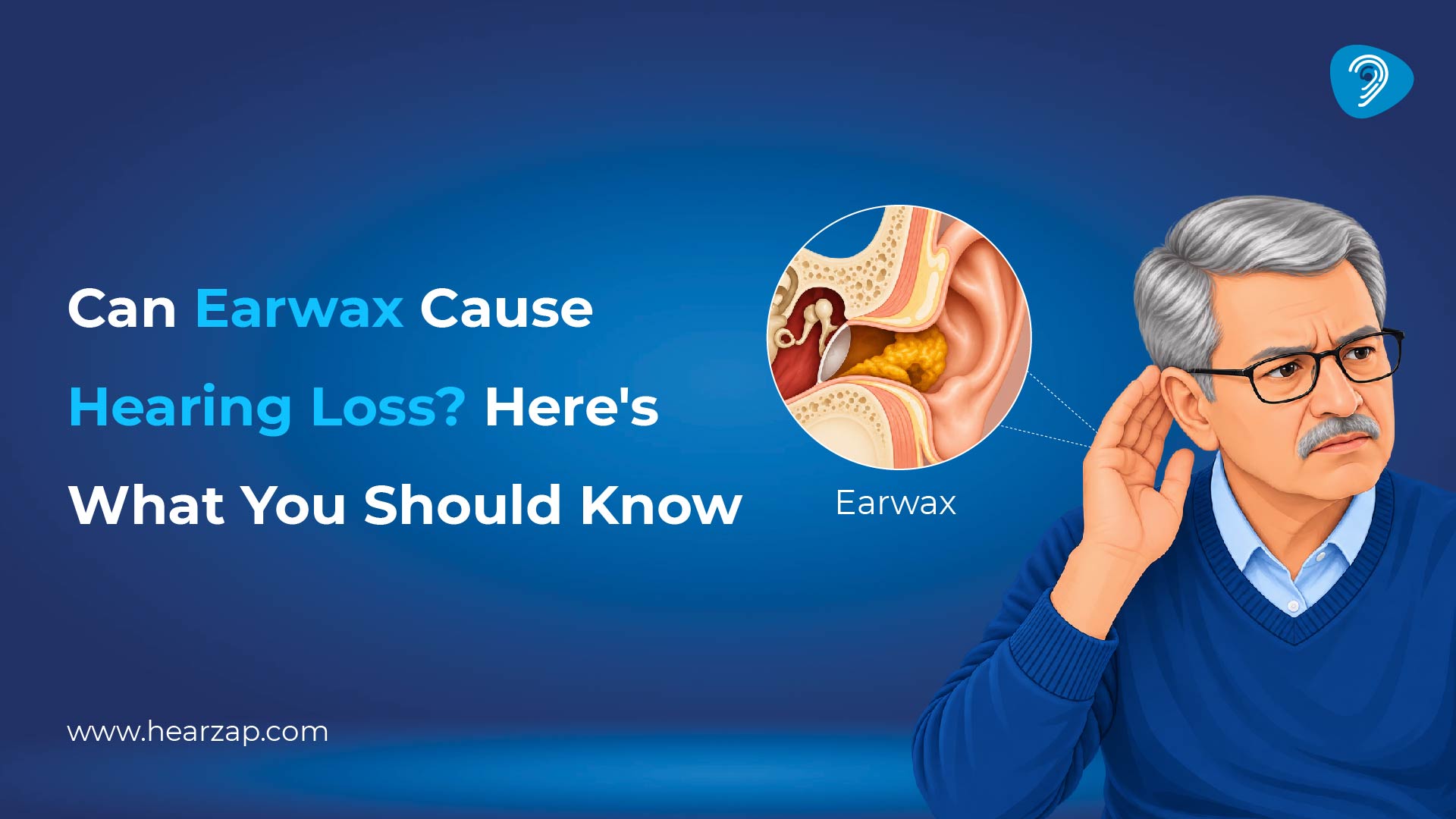
A blocked, muffled ear can make conversations feel unexpectedly difficult. Voices may sound distant, phone calls become harder to follow, and familiar sounds can lose their clarity. Excess earwax is one possible reason.
Earwax is healthy and protective, but too much of it can interfere with hearing when it collects inside the ear canal. Wax-related hearing changes are often temporary. The important part is recognising the signs, avoiding unsafe cleaning habits, and arranging an assessment when symptoms persist.
What Is Earwax?
Earwax, or cerumen, is a natural substance produced inside the outer ear canal. It lubricates and protects the canal while trapping dust and small particles. Normally, old wax moves gradually towards the ear opening and falls away on its own.
Visible wax is therefore not automatically a problem. Difficulty usually begins when more wax collects than the ear can clear comfortably or when wax is pushed deeper inside.
How Does Earwax Affect Your Hearing?
Earwax can block the ear canal and reduce sound transmission, making hearing seem muffled. An earwax buildup or blockage may also cause fullness, discomfort, tinnitus, and temporary hearing loss in some cases.
Frequent Use of Cotton Buds
Cotton buds may seem useful for cleaning the ears, but they can push wax deeper into the ear canal instead of removing it. Over time, this can make the wax harder to clear naturally and may lead to blockage.
- Avoid inserting cotton buds deep inside the ear.
- Do not use pins, keys, or similar objects for cleaning.
- Let the ear’s natural cleaning process work.
- Seek professional advice if you notice repeated blockage, discomfort, or muffled hearing in everyday situations.
Regular Earbud or Earphone Use
Earbuds and earphones sit close to the ear canal, which can sometimes affect the natural movement of wax towards the outer ear. Frequent earphone and earbud use may also make existing wax feel more noticeable, especially when the ears already feel blocked.
- Give your ears regular breaks from in-ear devices.
- Keep earbuds and earphones clean.
- Avoid pushing devices too deeply into the ear.
- Arrange an ear check if fullness, itching, or muffled hearing keeps returning during regular listening sessions.
Wearing Hearing Aids
Hearing aids that sit in or around the ear canal can sometimes affect how easily wax moves out of the ear. Wax may also collect around the device, reducing comfort or interfering with how clearly it works during everyday use.
- Clean hearing aids as advised by your hearing professional.
- Check the device regularly for visible wax.
- Avoid trying to remove deep wax yourself.
- Schedule professional ear checks if blockage, reduced clarity, or discomfort becomes a repeated problem.
Age-Related Changes in Earwax
Earwax can change in texture with age and may become drier or harder than before. This can make it more difficult for wax to move naturally towards the outer ear, increasing the chance of it becoming trapped inside the canal.
- Pay attention to recurring blocked-ear sensations.
- Avoid digging into the ear to remove hardened wax.
- Keep hearing devices clean if you use them.
- Ask a professional to examine the ear when hearing becomes muffled or uncomfortable during everyday activities.
Naturally Narrow Ear Canals
Some people naturally have narrower, more curved, or hairier ear canals, which can make it harder for wax to move out on its own. As a result, wax may collect more easily even when the ears are not being cleaned excessively.
- Avoid inserting objects into a narrow ear canal.
- Watch for repeated fullness or muffled hearing.
- Keep in-ear devices clean and comfortable.
- Consider professional ear checks when blockage returns frequently or starts affecting everyday hearing.
What Are the Signs of Earwax Buildup?
Symptoms may begin mildly and become more noticeable as the canal becomes blocked. Understanding the impact wax buildup can have on everyday listening may help you recognise when an ear examination is needed.
Common signs include:
- Muffled or reduced hearing
- A blocked or full feeling in the ear
- Ringing or buzzing sounds
- Ear discomfort or aching
- Itching inside the ear
- Difficulty following speech, especially in busy places
How Can You Tell if Earwax Is Causing Hearing Loss?
Earwax may cause hearing changes when the ear feels blocked, sounds seem muffled, or conversations become harder to follow. However, these signs can occur with other ear problems, so an examination is the safest way to know.
- A professional can check whether wax is blocking the ear canal.
- Hearing may improve after safe wax removal.
- Pain, discharge, sudden hearing changes, or continued difficulty should be assessed promptly.
- Avoid repeated self-cleaning, as it may irritate the ear.
What Should You Do if Earwax Is Affecting Your Hearing?
The safest approach depends on your ear health and medical history. A pharmacist, doctor, ENT specialist or audiologist can advise whether wax-softening treatment or professional removal is suitable. Where a significant buildup is present, professional earwax excess removal may be considered after the ear has been properly examined.
Helpful precautions include:
- Do not insert cotton buds, pins or other objects into the canal.
- Avoid digging or scraping when the ear feels blocked.
- Seek professional advice before using drops when there is a suspected perforated eardrum, previous ear surgery, pain or discharge.
- Arrange an assessment when hearing remains reduced, or blockage keeps returning.
Why Is a Professional Hearing Assessment Important?
A professional hearing assessment helps you understand what is really affecting your hearing. Clearing earwax may improve sound, but it does not always explain every hearing difficulty. A hearing test can check whether your hearing has returned to its expected level or whether another issue needs further assessment.
- Measures how well you hear different sounds
- Identifies the type and level of hearing difficulty
- Helps explain unclear conversations after wax removal
- Guides the appropriate next step for your hearing care
Can Hearing Aids Help with Hearing Loss?
Hearing aids can be helpful when hearing difficulties continue even after earwax has been safely removed. They do not treat wax blockage itself, so the ear should first be examined and cleared if needed. A hearing assessment can then show whether another type of hearing difficulty is present.
- Hearing aids may make speech and everyday sounds clearer.
- The right device depends on your hearing needs and ear health.
- Comfort, lifestyle and daily listening situations should also be considered.
- A qualified hearing professional can recommend, fit and adjust the device according to your hearing needs.
If a hearing professional confirms that amplification is appropriate, you may also be able to buy hearing aids online after understanding the suitable device type, features, fitting requirements and professional support available.
Why Choose Hearzap for Your Hearing Care?
Hearing care feels easier when you have guidance at every step. Hearzap offers professional support designed around your hearing needs, comfort, and everyday lifestyle. From understanding hearing concerns to finding suitable solutions, the focus remains on personalised care and advice.
Here is what you can expect:
- Comprehensive hearing assessments by trained professionals
- Audiologist consultations to understand individual hearing needs
- Suitable hearing aid recommendations based on comfort and lifestyle
- Hearing aid trials and personalised fittings for better everyday use
- Ongoing support, adjustments, and guidance after fitting
You can also book an appointment to discuss your concerns and explore suitable hearing care options.
Frequently Asked Questions
1. Can earwax cause permanent hearing loss?
Earwax usually causes temporary hearing loss. Persistent hearing difficulty after removal may indicate another condition requiring professional hearing assessment.
2. How do I know if earwax is affecting my hearing?
Muffled hearing, ear fullness, ringing, itching, or difficulty following conversations may suggest wax buildup. An ear examination can confirm it.
3. Will earwax go away by itself?
Earwax often clears naturally, but the impact of wax may remain. Professional advice is recommended when blockage, discomfort, or hearing changes continue.
4. Can removing earwax improve hearing?
Yes, removing impacted earwax can improve hearing when blockage is the cause. Persistent hearing difficulty should still be professionally assessed.
5. How to fix hearing loss due to earwax?
Have your ears examined and have impacted wax removed safely. Avoid inserting objects, and seek further assessment if hearing remains reduced.

Sri Sai Koti Chennupati
Head of Learning and Development
With a Master's qualification in Audiology and Speech-Language Pathology and more than 18 years of clinical practice, I am devoted to providing the highest standard of diagnostic and rehabilitative care in hearing and communication health.
Contact us
We are here for all your hearing needs, from hearing tests to hearing aids. Fill out the form below, and we will give you a call soon.
Recent Blogs
By None | Aug. 28, 2026
By Team Hearzap | Aug. 27, 2026
By Team Hearzap | Aug. 26, 2026
By None | Aug. 25, 2026
By Team Hearzap | Aug. 24, 2026