Generic
Earphone and Earbud Use Guidelines: Tips for Safe Listening
By Team Hearzap | Aug. 12, 2026
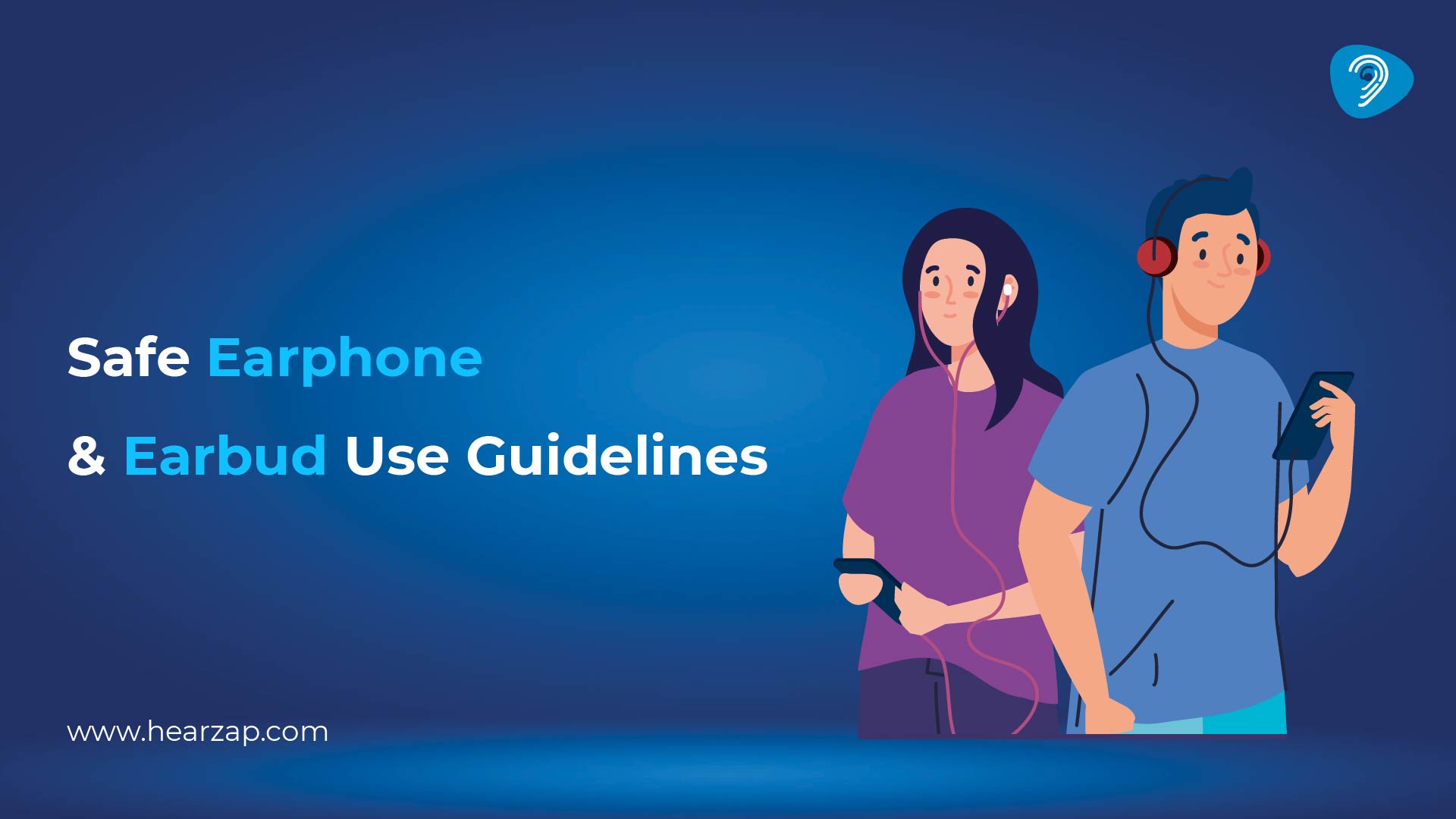
Earphones make calls, music, classes and travel more convenient, but daily listening habits matter. Loud sound, long sessions and a poor fit can leave the ears tired or uncomfortable. Over time, unsafe listening may also affect hearing. Learning how to use earphones safely means keeping the volume sensible, allowing the ears to rest, wearing the device correctly and keeping it clean.
These practical changes can protect hearing without reducing everyday convenience. It also helps you notice warning signs before a small problem begins affecting daily communication or concentration at work.
Why Earphone and Earbud Safety Matters
Sound reaches the inner ear through delicate structures that can be harmed when it is too loud for too long. The effect may not be obvious after one session. Some people first notice muffled hearing, difficulty understanding speech or ringing after removing their earphones. Repeated exposure can increase the risk of permanent hearing loss.
Earphone safety also involves comfort and hygiene. Earbuds that press against the ear canal may cause soreness, especially when the tip is too large, or the device is worn for hours. Sweat, moisture and dirt can collect on the surface. Sharing unclean earbuds adds further hygiene concerns.
The use of earphone devices should therefore be guided by volume, listening time and fit. These points matter for children, students, office workers, commuters and regular listeners.
How to Use Earphones and Earbuds Safely
Anyone wondering how to use earbuds safely can begin with small changes. Set the volume before inserting them, pause between long sessions and avoid pushing them deep into the ear. Stop listening when discomfort begins.
Choose a Safe Listening Volume
A safe volume for earbuds should allow you to hear audio clearly without making outside voices completely disappear. The World Health Organization advises keeping personal audio devices at no more than about 60% of maximum volume. A commonly used reminder is the 60/60 rule: listen at up to 60% volume for around 60 minutes, then take a quiet break.
This is a reminder, not a guarantee. Different phones and earphones produce different sound levels. If someone beside you can hear audio leaking from your earbuds, it is probably too loud. Smartphone volume warnings and listening reports should not be dismissed.
Limit Daily Earphone Usage
There is no single answer to how long you should wear earbuds because safe time changes with sound level. Louder audio allows less listening time. Instead of wearing earbuds continuously through work, study, exercise and travel, use shorter sessions.
Remove them for five to ten minutes after about an hour. Longer quiet breaks are better after a noisy commute, gym session or event. Ear fullness, dull hearing, headache or ringing are signs to stop. Good earphone use should not leave your ears tired.
Wear Earbuds Correctly for a Secure Fit
A secure fit gives clearer sound at a lower volume. Choose an ear tip that sits comfortably and seals the opening without pressure. A tip that is too small may slip, while one that is too large can stretch the canal and cause pain.
Do not force earbuds deeper to block outside sound. Insert them gently and follow the left and right markings. During walking or exercise, adjust the fit with clean hands. Knowing how to use earphones without damaging ears also means removing them slowly.
Common Problems Caused by Improper Earphone Use
Poor listening habits can lead to temporary discomfort and sometimes lasting problems. Pain, ringing, blocked sensations, and repeated itching should not become normal.
Ear Ache from Earbuds
Ear pain from earbuds often comes from pressure, a hard edge, incorrect tip size or prolonged use. Tight earbuds may rub the skin, while deep insertion can irritate the ear canal. Pain may also be linked to wax, inflammation or another ear problem.
Change the ear tip, reduce wearing time and rest the ears. Avoid inserting cotton buds or objects to check the painful area. Read more about earache and seek advice when pain continues, returns or comes with discharge.
Risk of Hearing Loss from High Volume
Loud audio can damage sensitive cells inside the ear. This may develop slowly, so a person may keep increasing the volume without realising that hearing clarity is changing. Early signs include ringing, buzzing, muffled sound and trouble following speech in crowded places.
Lowering the volume and shortening listening time can reduce the risk. Do not use loud music to cover traffic, machinery or crowd noise. Noise-canceling earphones may help because they reduce the urge to raise the volume. Learn more about hearing loss if everyday sounds have become unclear.
Ear Infections and Poor Earbud Hygiene
Earbuds collect skin oil, dust and moisture. Putting them back into the ears without cleaning may irritate the canal. Risk can be greater when earbuds are shared, used after heavy sweating or stored while damp.
Do not wear earbuds when the ear is painful, draining fluid or being treated for an infection unless a clinician allows it. Keep the outer ear dry and avoid scratching the canal. Information about ear infections can help you recognise symptoms needing attention.
Cleaning Earbuds Properly: A Step-by-Step Guide
Cleaning earbuds properly takes a few minutes. Check the manufacturer’s instructions first because materials and water resistance differ.
- Switch off or disconnect the earbuds.
- Remove detachable silicone tips and wipe visible dirt.
- Wash removable tips with mild soap and water only when allowed.
- Dry the tips completely before fitting them back.
- Use a soft, dry brush around the speaker mesh.
- Wipe the outer body with a slightly damp, lint-free cloth.
- Clean the charging case with a dry cloth and brush.
- Let every part dry before charging or wearing it.
For regular users, wipe them after use and clean them more thoroughly once a week. Clean sooner after exercise or travel. Never pour liquid into the mesh or charging port. Avoid pins, toothpicks, bleach, perfume, household cleaners and wet sanitising gel. They may damage the device or leave irritating residue.
Additional Earphone Safety Tips for Everyday Use
Useful earbud safety tips go beyond volume control. Store earbuds in their case instead of a pocket or loose bag, where dust can enter. Replace torn, hardened or loose silicone tips. Do not share earbuds.
When sharing cannot be avoided, clean removable parts before and after use. Keep earbuds away from rain, steam and heavy sweat unless the model is designed for it. Even water-resistant devices should be dried before returning them to the case.
Noise-canceling features can support safer listening in buses, trains and flights by reducing background sound. They should not block awareness where safety depends on hearing vehicles, alarms or announcements. Use transparency mode, pause audio or remove one earbud while crossing roads. Earphone safety tips should suit the place, not only the device.
When Should You See a Hearing Specialist?
Arrange a professional hearing test when ringing, reduced hearing, or a blocked feeling continues after rest. Persistent pain, discharge, swelling, dizziness or repeated infections also need medical attention. Sudden hearing reduction in one or both ears needs urgent assessment.
An audiologist can check hearing levels and explain whether medical care is required. When hearing difficulty is confirmed, support may include counselling, communication strategies or a hearing aid, depending on the cause and results. You may book an appointment for an evaluation. People with a recommendation can also buy hearing aids online after professional guidance.
Frequently Asked Questions
What are the rules for earbuds?
Keep the volume moderate, limit continuous listening, take breaks and use clean earbuds that fit without pressure. Do not push them deep into the canal. Stay aware of traffic and alarms and stop using them when pain, ringing or muffled hearing begins.
Do you have to wear both earbuds at the same time?
No, one earbud may be used when you need awareness of your surroundings. Keep the volume low, as turning up one side can still expose that ear to loud sound. Never use either earbud while driving when it reduces attention or breaks local rules.
Is 70% volume on headphones safe?
Not always. Seventy per cent can produce different sound levels on different devices, and it may be too loud for long listening. Reduce the setting, especially in quiet places. A level below 60% is a safer general target, but listening time still matters.
How many hours of earphones a day is safe?
There is no fixed daily number. At about 80 decibels, WHO guidance allows up to 40 hours per week, while 90 decibels reduces that time to four hours per week. Keep sessions shorter, lower the volume and include quiet breaks.
What is the earbud etiquette?
Do not play audio loudly enough for others to hear, and remove an earbud when speaking with someone. Avoid sharing earbuds without cleaning. In public places, stay alert to announcements, traffic and people around you. Responsible listening protects hearing and everyday safety.
Contact us
We are here for all your hearing needs, from hearing tests to hearing aids. Fill out the form below, and we will give you a call soon.
Recent Blogs
By None | Sept. 25, 2026
By None | Sept. 23, 2026
By None | Sept. 21, 2026
By None | Sept. 16, 2026
By None | Sept. 9, 2026