HEARING AIDS
Common Hearing Aid Myths and the Facts You Should Know
By Sri Sai Koti Chennupati | Sept. 28, 2026
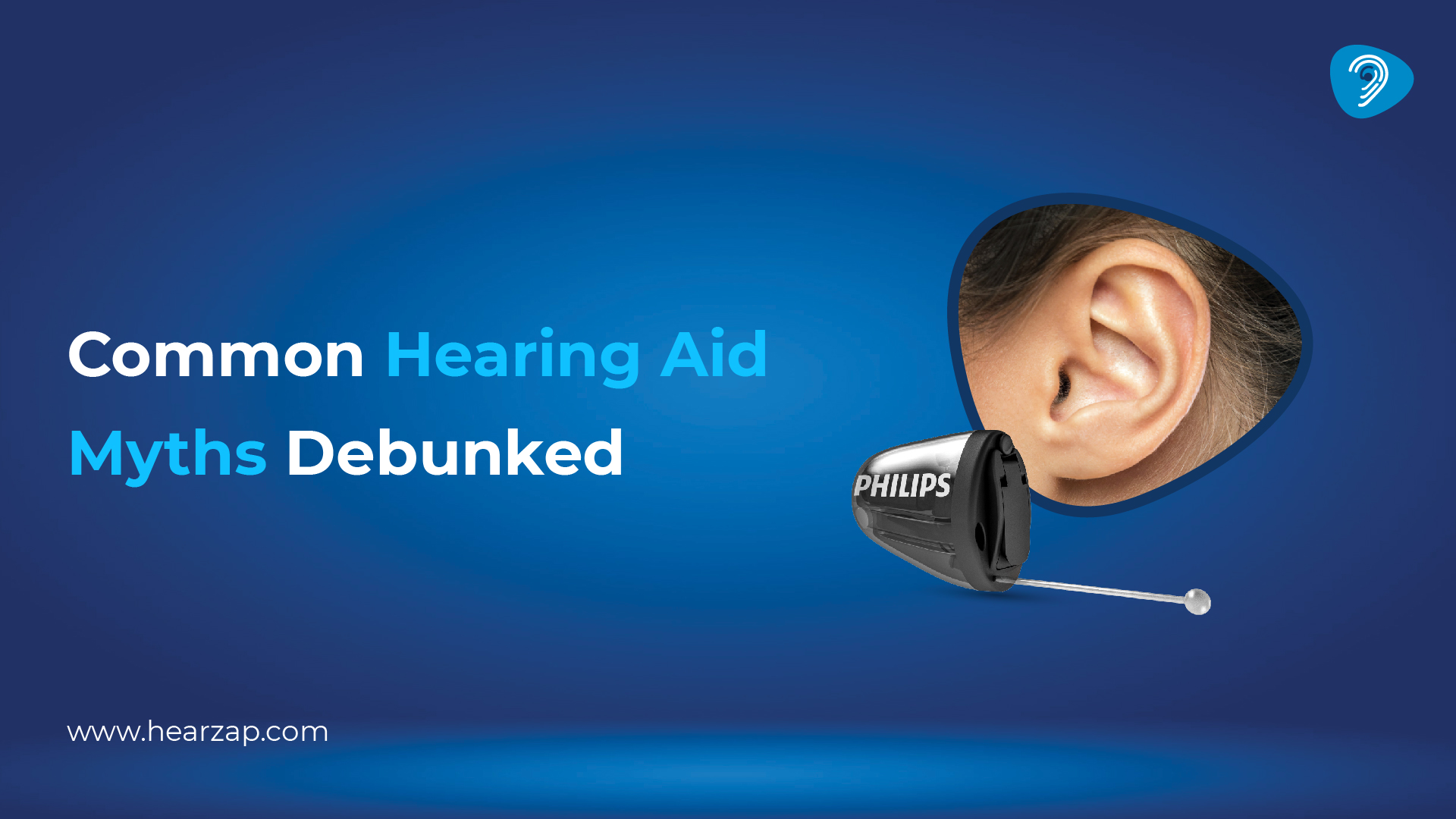
Hearing aids are often surrounded by assumptions that no longer reflect how modern devices actually work. Some people worry that they will be uncomfortable, highly visible or ineffective in everyday situations. Others expect them to restore hearing completely.
Such misconceptions can delay appropriate hearing care. Understanding what hearing aids can and cannot do makes it easier to have realistic expectations and make informed decisions with professional guidance.
Why Do People Have Misconceptions about Hearing Aids?
Many hearing aids myth come from experiences with older devices or information passed on without professional advice. Concerns about appearance, cost and comfort can also influence perceptions.
- Memories of older, bulkier devices
- Uncertainty about modern technology
- Concerns about comfort and maintenance
- Unrealistic expectations about hearing improvement
What Are the Most Common Hearing Aid Myths?
Many myths about hearing aids are based on outdated technology. Modern devices now offer improved sound processing, discreet designs and features created for different hearing needs and lifestyles.
Myth 1: Hearing Aids Are Only for Older People
Hearing difficulties can occur at different stages of life. A professional assessment can determine whether hearing aids may be suitable based on an individual's hearing needs rather than age alone.
Myth 2: Hearing Aids Restore Hearing Completely
Hearing aids do not cure hearing loss or recreate natural hearing. They amplify and process sounds to help make conversations and important environmental sounds easier to hear.
Myth 3: Hearing Aids Are Bulky and Noticeable
Modern devices are available in several discreet styles. Most suitable options depend on hearing requirements, ear anatomy, comfort, dexterity and personal preferences rather than appearance alone.
Myth 4: Hearing Aids Are Uncomfortable to Wear
A new device may take some getting used to. Proper fitting, suitable earpieces and careful programming can make everyday wear more comfortable as the user gradually adjusts.
Myth 5: Hearing Aids Make Everything Too Loud
Adjustable amplification and advanced sound-processing features help balance different sounds and provide a more comfortable listening experience across changing environments.
Myth 6: You Don’t Need a Hearing Test Before Buying Hearing Aids
A professional hearing test identifies the type and degree of hearing difficulty. This information helps an audiologist recommend an appropriate device and program it according to individual needs.
Myth 7: Hearing Aids Don’t Work in Noisy Environments
Noise can remain challenging, but modern features may help. Directional microphones and noise-management technology can support speech understanding by helping users focus more effectively in challenging listening environments.
Myth 8: Hearing Aids Are Difficult to Maintain
Routine care is usually straightforward. Keeping devices clean, protecting them from excess moisture, recharging them or replacing batteries when required, and arranging servicing can support reliable everyday performance.
Myth 9: Hearing Aids Are Too Expensive
Hearing devices are available across different price ranges. Cost usually varies according to technology, design, connectivity, features, power options and the level of professional support required.
Myth 10: One Hearing Aid Is Always Enough
People with hearing difficulty in both ears may be advised to use two devices. Binaural hearing can support sound localisation and make listening feel more balanced in everyday situations.
Myth 11: Hearing Aids Don’t Need Professional Fitting
Professional fitting is an important part of hearing care. Audiologists can program, adjust and review devices according to hearing results, comfort, listening experiences and changing needs over time.
Myth 12: Hearing Aids Are All the Same
Devices vary considerably in technology, design, connectivity and power options. Understanding these hearing aid facts helps explain why a model suitable for one person may not suit another.
How Have Modern Hearing Aids Changed?
Today's devices combine compact designs with technology intended to make everyday listening more convenient. Features vary between models, so recommendations should still reflect individual hearing requirements.
- Rechargeable power options
- Bluetooth connectivity
- Automatic sound adjustments
- Improved noise-management features
- Smaller and more discreet designs
What Are the Benefits of Using Hearing Aids?
The benefits of using hearing aids can extend beyond simply making sounds louder. Properly fitted devices can support clearer communication and greater participation in everyday activities.
- Easier conversations
- Better awareness of surrounding sounds
- Greater confidence in social situations
- Improved participation in everyday activities
How Do You Know if You Need Hearing Aids?
Difficulty following conversations does not automatically mean a person needs a device. However, repeated hearing problems deserve professional attention.
- Frequently asking people to repeat themselves
- Struggling with conversations in background noise
- Increasing television or phone volume
- Missing doorbells or other everyday sounds
Why Is a Hearing Test Important Before Choosing a Hearing Aid?
Hearing difficulties differ from person to person. Testing helps determine their nature and severity before any device is recommended. It also helps address common challenges for hearing aid users through more personalised fitting and follow-up care.
- Measure hearing across different sound frequencies.
- Identify patterns of hearing difficulty
- Guide device selection
- Program amplification appropriately
- Recommend further medical evaluation when necessary
How Can You Choose the Right Hearing Aid?
To choose the right hearing aid, look beyond size or appearance. The device should match both clinical hearing requirements and practical everyday needs.
- Type and degree of hearing difficulty
- Typical listening environments
- Comfort and handling
- Preferred device style
- Connectivity requirements
- Budget and ongoing care
- Professional recommendations
Don’t Let Hearing Aid Myths Stop You from Getting Help
Unverified advice can make hearing care seem more complicated than it needs to be. Questions about comfort, effectiveness or suitability are better discussed with a qualified hearing professional.
- Get hearing concerns professionally assessed.
- Discuss personal listening difficulties openly.
- Ask what a recommended device can realistically achieve
- Attend follow-up appointments for adjustments
Get Expert Hearing Care at Hearzap
Professional guidance can help turn hearing-test results into practical hearing solutions suited to individual needs. Those looking for personalised support can book an appointment with Hearzap to discuss hearing concerns with a qualified audiologist.
Hearing-care support may include:
- Comprehensive hearing assessments
- Consultations with qualified audiologists
- Suitable device recommendations
- Professional fitting and programming
- Follow-up adjustments and aftercare
Regular professional support can also help users adapt to their devices, manage comfort and maintenance concerns, and make suitable adjustments as their hearing needs change over time.
FAQs
1. Do hearing aids work if you are completely deaf?
For profound hearing loss, hearing aids may offer limited benefit, and an audiologist may discuss other appropriate hearing solutions.
2. What is the best age to get hearing aids?
There is no single ideal age. Hearing aids should be considered whenever diagnosed hearing difficulties begin affecting everyday communication.
3. Is there a downside to wearing hearing aids?
Some users experience an adjustment period, maintenance needs or difficulty in certain noisy settings, which professional support can help manage.
4. What is the 60-60 rule for hearing loss?
It suggests keeping headphone volume around sixty per cent and taking a break after about sixty minutes of continuous listening.
5. What is the most common cause of sudden hearing loss?
Many cases of sudden sensorineural hearing loss have no identifiable cause, making prompt medical assessment especially important.

Sri Sai Koti Chennupati
Head of Learning and Development
With a Master's qualification in Audiology and Speech-Language Pathology and more than 18 years of clinical practice, I am devoted to providing the highest standard of diagnostic and rehabilitative care in hearing and communication health.
Related Blogs
AI-Powered Hearing Aids: Benefits, Features & How They Work
CROS vs BiCROS Hearing Aids: What’s the Difference?
Contact us
We are here for all your hearing needs, from hearing tests to hearing aids. Fill out the form below, and we will give you a call soon.
Recent Blogs
By None | Sept. 30, 2026
By None | Sept. 29, 2026
By None | Sept. 25, 2026
By None | Sept. 23, 2026
By None | Sept. 21, 2026