Generic
Tinnitus Retraining Therapy (TRT): A Complete Guide
By Dattatreya M | Sept. 25, 2026
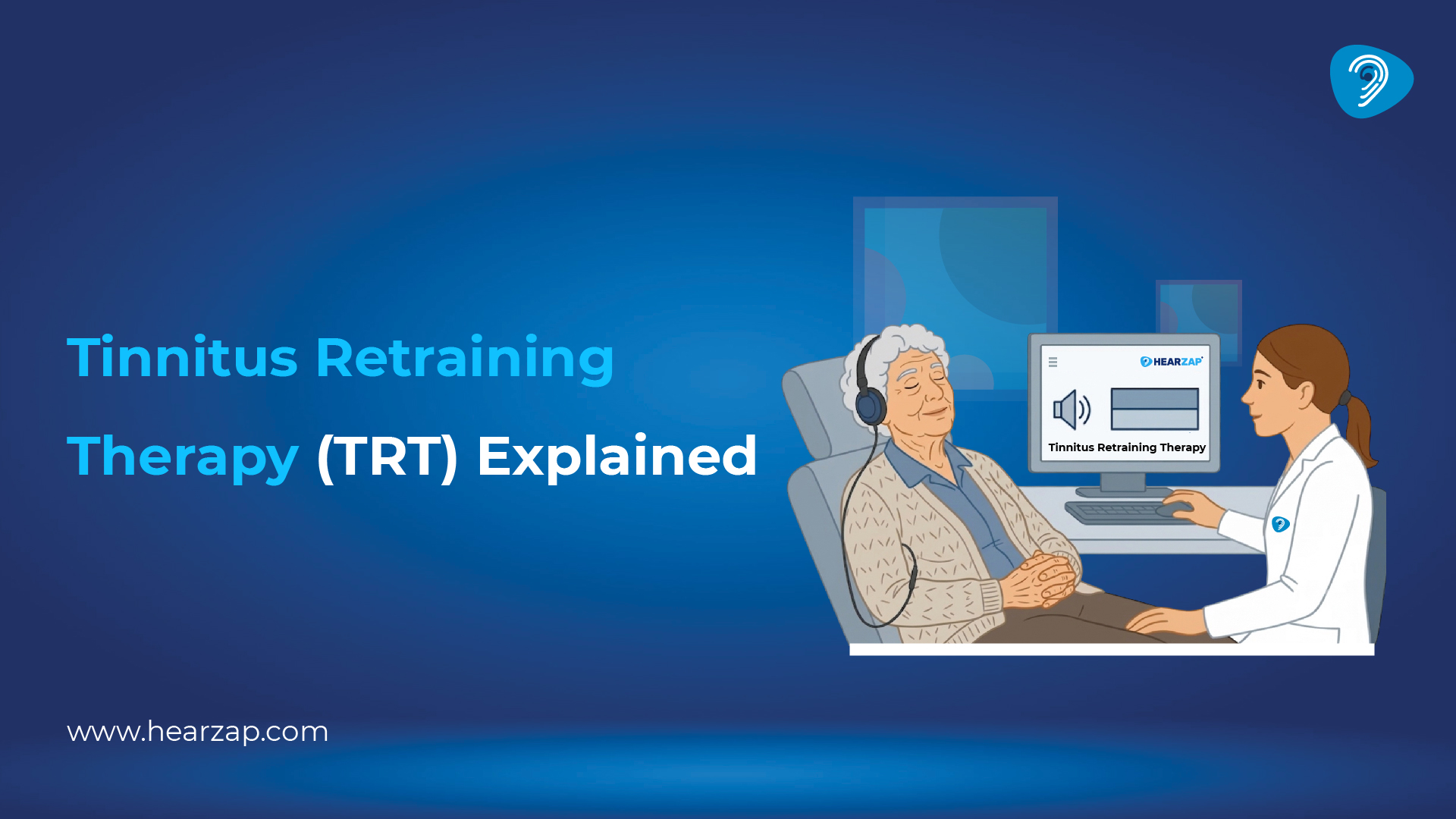
Anyone who has lived with a persistent ringing, buzzing, or hissing sound in their ears knows how draining it can be. For many people, this experience, known as tinnitus, turns into a persistent symptom that gradually affects concentration, disrupts sleep, and wears down mental wellbeing over time. There is no universal cure for tinnitus, but one of the most extensively studied management approaches for reducing tinnitus-related distress is tinnitus retraining therapy. This structured, evidence-based method helps the brain gradually habituate tinnitus sounds so they stop dominating a person's attention.
This blog walks through what the therapy involves, how it works, what it tends to cost, and why it is gaining ground in India.
What Is Tinnitus Retraining Therapy
At its core, this is a rehabilitative programme built around changing how the brain perceives and reacts to tinnitus. It does not try to eliminate the sound itself. Instead, it works on the principle of habituation, training the auditory and limbic systems to treat tinnitus as background noise rather than something that demands constant attention.
The therapy grew out of the neurophysiological model of tinnitus, which holds that much of the distress people feel comes from how the brain processes and emotionally reacts to the sound, not from the sound alone. That explains why two people with a similar intensity of tinnitus can have completely different experiences. One barely registers it. The other finds it unbearable.
The approach generally rests on two pillars:
- Directive counselling, which helps individuals understand what is happening inside their auditory system and eases the fear or anxiety that often builds up around tinnitus
- Sound therapy, which introduces low-level background noise to soften the contrast between tinnitus and silence, so the sound becomes less noticeable with time
How the Programme Is Structured
Understanding how this therapy unfolds means accepting one thing early on: it is not a quick fix. Most programmes run anywhere from twelve to twenty four months, depending on how severe the condition is and how each individual responds along the way.
The process typically includes the following stages:
- Initial assessment: An audiologist carries out a thorough hearing evaluation alongside a tinnitus-specific assessment, looking closely at pitch, loudness, and the emotional weight the sound carries
- Categorisation: Individuals are grouped based on symptom severity, whether hyperacusis (sound sensitivity) is present, and whether hearing loss exists alongside the tinnitus
- Counselling sessions: Regular one-on-one sessions help individuals reframe how they think about tinnitus, clearing up misconceptions and gradually reducing the emotional charge attached to it
- Sound enrichment: Individuals start using consistent, low level ambient sound, whether through dedicated devices, hearing aids with built-in sound generators, or something as simple as leaving a fan running at night
- Progress monitoring: Follow-up appointments track how things are moving and allow the sound therapy or counselling to be adjusted as needed
Consistency matters more than almost anything else here. Skipping sessions or using sound therapy on and off tends to slow progress considerably.
The Role of Devices in the Therapy
Devices play a central role in the sound therapy component. Worn much like hearing aids, they emit a gentle, customised sound meant to partially mask the tinnitus without wiping it out completely. The idea is to introduce just enough sound enrichment that the brain slowly stops treating the tinnitus signal as something worth focusing on.
These devices generally fall into a few groups:
- Wearable sound generators: Small, discreet units that produce broadband noise or nature inspired sounds
- Combination devices: Hearing aids that pair amplification for hearing loss with a built in sound generator, useful for people dealing with both conditions at once
- Smartphone based applications: Increasingly used as a supplementary option, offering customisable soundscapes people can rely on at home or while falling asleep
Which device suits a person best comes down to their specific hearing profile and how severe their tinnitus is, which is exactly why a proper audiological evaluation has to come first.
Tinnitus Retraining Therapy in India
Awareness and access to this kind of care have grown steadily across India over the past decade. Rising urban noise pollution, an increase in noise-induced hearing loss, and greater public awareness around hearing health have all played a part in pushing more clinics to offer structured tinnitus management.
That said, access still depends heavily on location. Larger cities generally have more audiologists trained specifically in this methodology, while smaller towns often have far fewer resources to depend on. This is where hearing care networks with a wide presence across the country make a difference, since they can offer consistent, trained care across many locations instead of leaving individuals dependent on a single specialist clinic.
Anyone looking into this therapy in India would do well to seek out centres with audiologists trained specifically in tinnitus management rather than general hearing care alone, since the counselling side demands a particular kind of communication skill that not every clinician has.
Understanding the Procedure
It helps to think of the procedure as a series of overlapping phases rather than a single event. Unlike a surgical procedure with a clear beginning and end, this is closer to a structured rehabilitation journey that unfolds gradually.
Broadly, it includes:
- A comprehensive audiological and tinnitus assessment
- Classification into an appropriate treatment category
- Introduction to directive counselling aimed at demystifying tinnitus and easing the anxiety around it
- Fitting of a suitable sound generation device, where relevant
- Scheduled sound therapy use, often for several hours a day
- Periodic review sessions to check on habituation progress
- A gradual tapering off of formal sessions as awareness of the tinnitus fades
Patience matters a great deal here. Very few people experience overnight relief. What usually happens instead is a slow shift, where tinnitus becomes less intrusive over time, particularly in quiet settings or during stressful moments, which tend to be the biggest triggers for heightened awareness.
Effectiveness of Tinnitus Retraining Therapy
It is a fair question, and one most individuals ask sooner or later: does this therapy really deliver results. Clinical research and long term patient outcomes suggest that it can, particularly for chronic tinnitus that has not responded well to other treatments.
Several studies point to meaningful improvement in tinnitus related distress and habituation rates among individuals who complete the full programme. Even so, outcomes hinge on a handful of factors:
- Consistency of use: Individuals who stick to the prescribed sound therapy schedule tend to see stronger results
- Severity and duration of tinnitus: Some people with more recent onset may respond faster than those with longstanding tinnitus
- Presence of co-existing conditions: Hyperacusis, hearing loss, or significant anxiety can all shape how quickly progress happens
- Quality of counselling: The counselling component matters just as much as the sound therapy itself, and how well it works depends heavily on the audiologist's training and approach
It is worth being realistic here. This therapy does not promise complete silence. What it aims for is reducing the emotional and psychological weight of tinnitus enough that it stops interfering with everyday life.
Cost Considerations
What this therapy costs varies considerably depending on the country, the clinic, and the devices involved. A few factors tend to drive the overall price:
- The type of sound generation device prescribed, which can range from basic sound machines to advanced combination hearing aid devices
- How many counselling sessions are needed and how often they occur
- Whether the treatment comes bundled as part of a broader hearing care package or gets billed separately for each component
- How experienced and specialised the treating audiologist is
In India, this kind of care tends to be more affordable than in several Western countries, though the costs can still add up given how long the full treatment usually runs. It is worth asking for a clear cost breakdown upfront, covering device costs, session fees, and any follow-up charges, to help individuals understand the full treatment cost from the outset.
Final Thoughts
Tinnitus can feel isolating, but structured, evidence based approaches like this one offer real hope for lasting relief. By combining education, counselling, and consistent sound therapy, individuals can gradually retrain how their brain responds to tinnitus and get back a sense of normalcy in their day to day lives.
Anyone dealing with persistent ringing or buzzing in their ears should start with a proper assessment from a qualified audiologist. With the right guidance, the right device, and a commitment to the process, many people experience improvement with consistent treatment.
FAQ’s
1) Does tinnitus retraining therapy really work?
A) Yes, tinnitus retraining therapy can help many people reduce how much tinnitus affects their daily life.
2) Why is my tinnitus getting louder?
A) Tinnitus may seem louder due to stress, noise exposure, fatigue, illness, or changes in hearing.
3) What is the 10-second technique to stop tinnitus?
A) The "10-second technique" is not scientifically proven to stop tinnitus and may not work for everyone.
4) Is there a cure for tinnitus?
A) There is no universal cure for tinnitus, but several treatments can help manage its symptoms effectively.

Dattatreya M
Audiology Innovation Manager
Helping You Hear Life Again. At Hearzap, we believe hearing is the key to staying connected with family, friends, and the world around us. With over 48 years of trusted care & my 15 years in audiology, I’ve seen how improved hearing brings back confidence
Contact us
We are here for all your hearing needs, from hearing tests to hearing aids. Fill out the form below, and we will give you a call soon.
Recent Blogs
By None | Sept. 23, 2026
By None | Sept. 21, 2026
By None | Sept. 16, 2026
By None | Sept. 9, 2026
By None | Sept. 7, 2026