HEARING CARE
Cortical auditory evoked potentials (CAEP)
By Sharanya Krishnan - Audiologist | Sept. 23, 2026
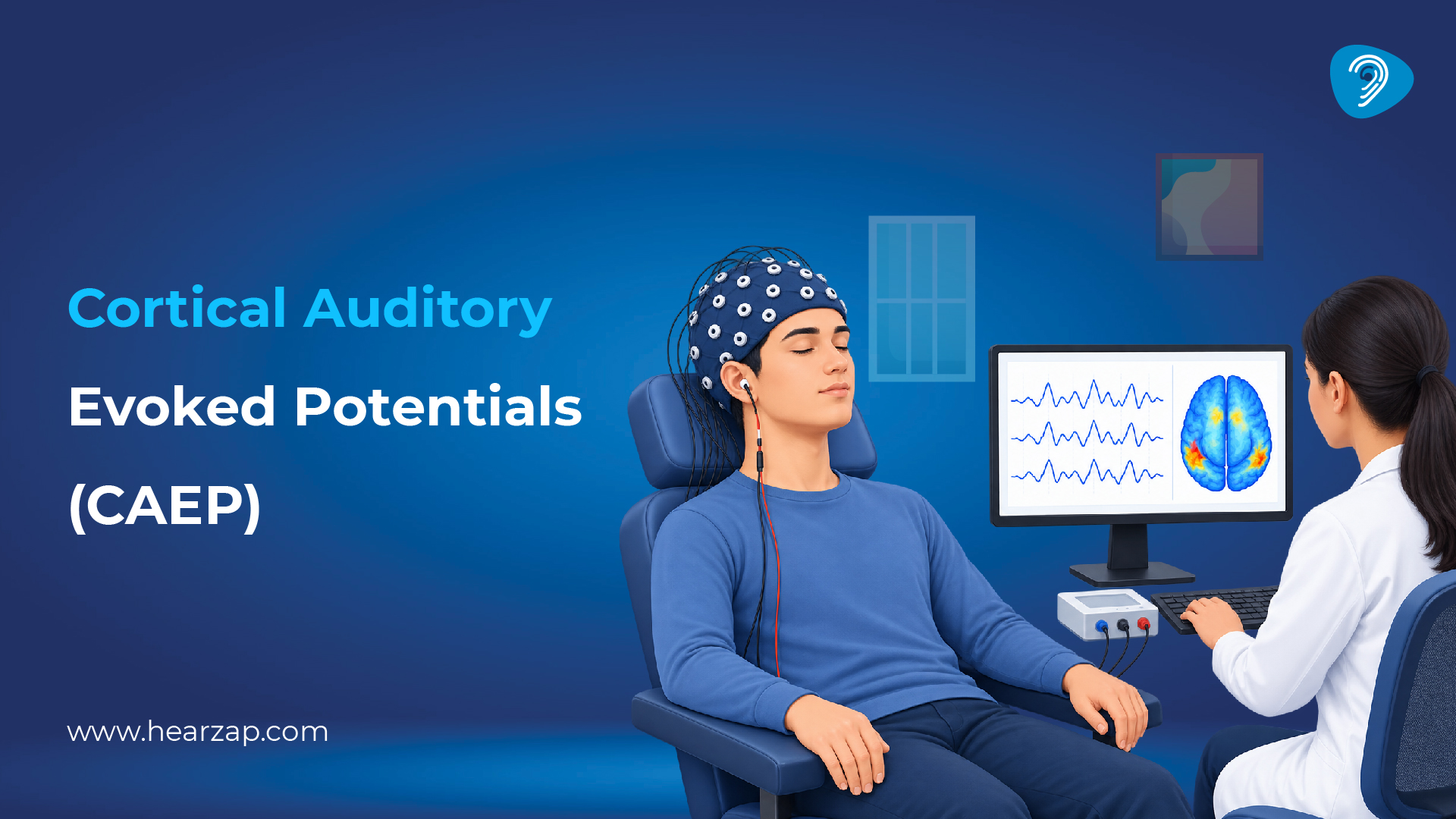
Hearing assessment has come a long way from simple behavioural tests. Audiology now relies on sophisticated neurophysiological tools that look at how the brain itself handles sound, and Cortical auditory evoked potentials (CAEPs) sit right at the centre of that shift. A standard hearing test measures how well the ear detects sound. A CAEP test tells you something different: whether the auditory cortex, the part of the brain responsible for interpreting what we hear, is actually registering and processing that sound. That distinction has important clinical implications.
What Are Cortical Auditory Evoked Potentials
Put simply, cortical auditory evoked potentials are electrical responses the brain generates when it reacts to a sound. Clinicians record these responses using scalp electrodes in a setup that resembles an EEG. When a tone, a click, or even a spoken syllable reaches the ear, it travels along the auditory pathway until it reaches the cortex. That journey produces a measurable waveform, and audiologists study the peaks and troughs within it to work out how well the cortex is responding.
This sets CAEP apart from older evoked potential tests such as the auditory brainstem response (ABR), which looks at activity in the brainstem rather than the cortex. ABR testing remains excellent for checking hearing sensitivity, especially in infants who cannot take part in behavioural testing, but it stops short of revealing anything about higher-order auditory processing. A CAEP hearing test picks up where ABR leaves off, giving a fuller picture of how a listener's brain engages with sound.
How the Test Is Conducted
From the individual's perspective, the process is fairly simple, even though the technology behind it is not. Electrodes are placed on the scalp, usually near the vertex and behind the ears, to pick up the brain's electrical activity. The individual then listens to a series of auditory stimuli through headphones or speakers while sitting still and staying relaxed.
A few things set this apart from a routine hearing check:
- There is no need to respond actively or press a button, which makes it especially useful for people who struggle to take part in standard behavioural audiometry.
- The stimuli used can range from pure tones to more complex speech sounds, depending on the aspect of auditory function being assessed.
- The waveform usually contains several recognisable components, commonly labelled P1, N1, P2, and N2, each tied to a different stage of cortical processing.
- Clinicians study the latency and amplitude of these components to see whether the cortex is responding within the expected range.
Since the test does not depend on a conscious, behavioural reply from the patient, it counts as an objective measure. That objectivity becomes especially useful in situations where subjective feedback simply is not reliable or available.
Why CAEP Testing Matters in Clinical Audiology
The real value of CAEP testing in audiology comes from what it demonstrates: that sound is being processed at the cortical level, not just detected by the inner ear. That difference carries real clinical weight. A patient's cochlea and auditory nerve might be working perfectly well, as ABR or otoacoustic emissions testing would confirm, yet that same patient could still struggle to make sense of what they hear if something along the higher auditory pathway is not functioning as it should.
This becomes especially relevant in a handful of clinical situations:
- Confirming that hearing aids or cochlear implants are delivering audible benefit at a cortical level, something behavioural responses alone cannot always show.
- Evaluating auditory processing in people whose peripheral hearing tests come back normal, yet who still report trouble understanding speech, particularly in noisy settings.
- Assessing central auditory function in patients recovering from a neurological event such as a stroke, where auditory processing pathways may have been affected.
- Helping clinicians reach firmer conclusions in complicated paediatric cases where behavioural testing alone cannot provide clear answers.
CAEP Testing in Children and Adults
How this testing plays out depends quite a bit on the age of the patient, and clinicians have to factor in developmental and physiological differences when reading the results.
In children, especially infants and toddlers, the auditory cortex is still developing, so the waveforms it produces often look noticeably different from an adult's. The P1 component tends to be more prominent and shows a longer latency in young children, gradually settling into a more mature pattern as the auditory pathway develops through childhood. This makes the test particularly useful in paediatric audiology. It can confirm that a child fitted with hearing aids or a cochlear implant is receiving usable auditory input, well before that child is old enough to give reliable behavioural feedback. For parents and clinicians navigating those early years, when language and auditory development move quickly, that kind of objective confirmation provides valuable clinical reassurance.
In adults, the waveform components tend to be steadier and more predictable, reflecting a fully matured auditory pathway. Testing at this stage is often used to investigate auditory processing disorders, track changes in cortical response after amplification, or support diagnostic work where central auditory dysfunction is suspected. Latency in cortical response also shifts with age, which is why clinicians read results against age-appropriate norms rather than a single fixed standard.
Taken together, this shows why cortical auditory-evoked potentials in children and adults, though built on the same underlying principle, call for different interpretive approaches and clinical judgement depending on who is being tested.
Interpreting the Results
Reading a CAEP waveform is never a simple pass or fail exercise. Clinicians weigh several factors at once:
- Whether key waveform components are present, which shows whether cortical detection of the stimulus happened at all.
- Latency values, meaning how quickly the brain responds once the stimulus is presented, with delayed responses sometimes pointing to slower neural processing.
- Amplitude of the response, which can reflect how robust the cortical detection is.
- Consistency across repeated trials, since a reliable response should show up again and again across multiple presentations of the same stimulus.
None of these findings stand alone. Clinicians read them alongside other audiological information and, where relevant, medical history. A CAEP result rarely tells the whole story by itself. It forms part of a wider diagnostic picture that might also include audiometry, tympanometry, and case history.
Who Should Consider This Assessment
CAEP testing is not part of every routine hearing evaluation, but certain patients gain a great deal from it. This includes infants and young children being fitted with hearing devices, adults with normal peripheral hearing who still find speech difficult to follow, patients recovering from a neurological injury, and anyone whose standard audiometric results do not fully explain the listening difficulties they describe.
Audiologists generally treat this form of auditory evoked potential testing as a complement to conventional hearing assessments, not a substitute for them. It works best alongside behavioural audiometry and other objective measures, forming one part of a comprehensive evaluation rather than standing on its own.
Conclusion
Cortical auditory evoked potentials represent a step forward in how audiologists understand the relationship between the ear and the brain. Rather than asking only whether sound reaches the ear, this testing assesses whether the brain is truly processing that sound, and in doing so, it gives clinicians a far more nuanced view of a patient's auditory function. For families working through a child's hearing journey, or for adults seeking answers about persistent listening struggles despite normal hearing test results, this kind of testing can offer clarity that other assessments simply do not reach.
As audiology continues moving toward more brain-based approaches to hearing evaluation, tests like this one are likely to take on a larger role in shaping individualised care, ensuring that treatment decisions rest not just on what the ear can detect, but on how effectively the brain processes auditory information.
FAQ’s
1) What is a normal ABR test result?
A) A normal ABR test shows that sound signals are traveling properly from the ear to the brain.
2) Are BERA and BAEP the same?
A) Yes, BERA and BAEP are different names for the same test that measures the brain's response to sound.
3) What does an abnormal BAER test mean?
A) An abnormal BAER test may indicate hearing loss or a problem in the auditory nerve or brainstem pathway.
4) What is an auditory evoked potential test used for?
A) It is used to assess hearing function and detect problems in the auditory nerve and brainstem.

Sharanya Krishnan - Audiologist
Senior Manager – Training, Customer Experience & Business Development
With over 20 years of experience in hearing and speech healthcare. Passionate about client-centred care, I believe in a culture of empathy, trust, personalized support & focus on ensuring that every individual enjoys a seamless and fulfilling hearing care
Related Blogs
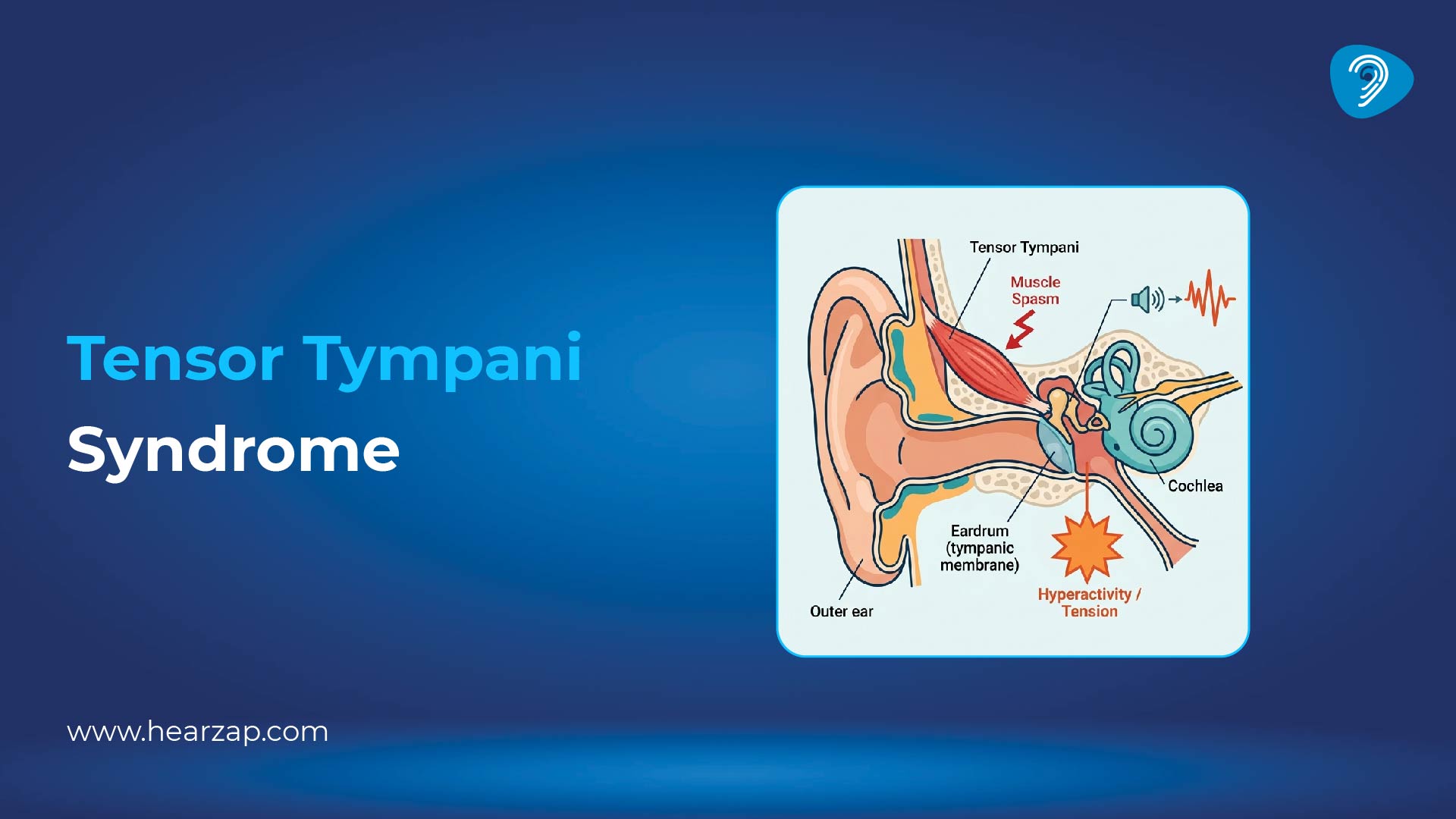
Tensor Tympani Syndrome
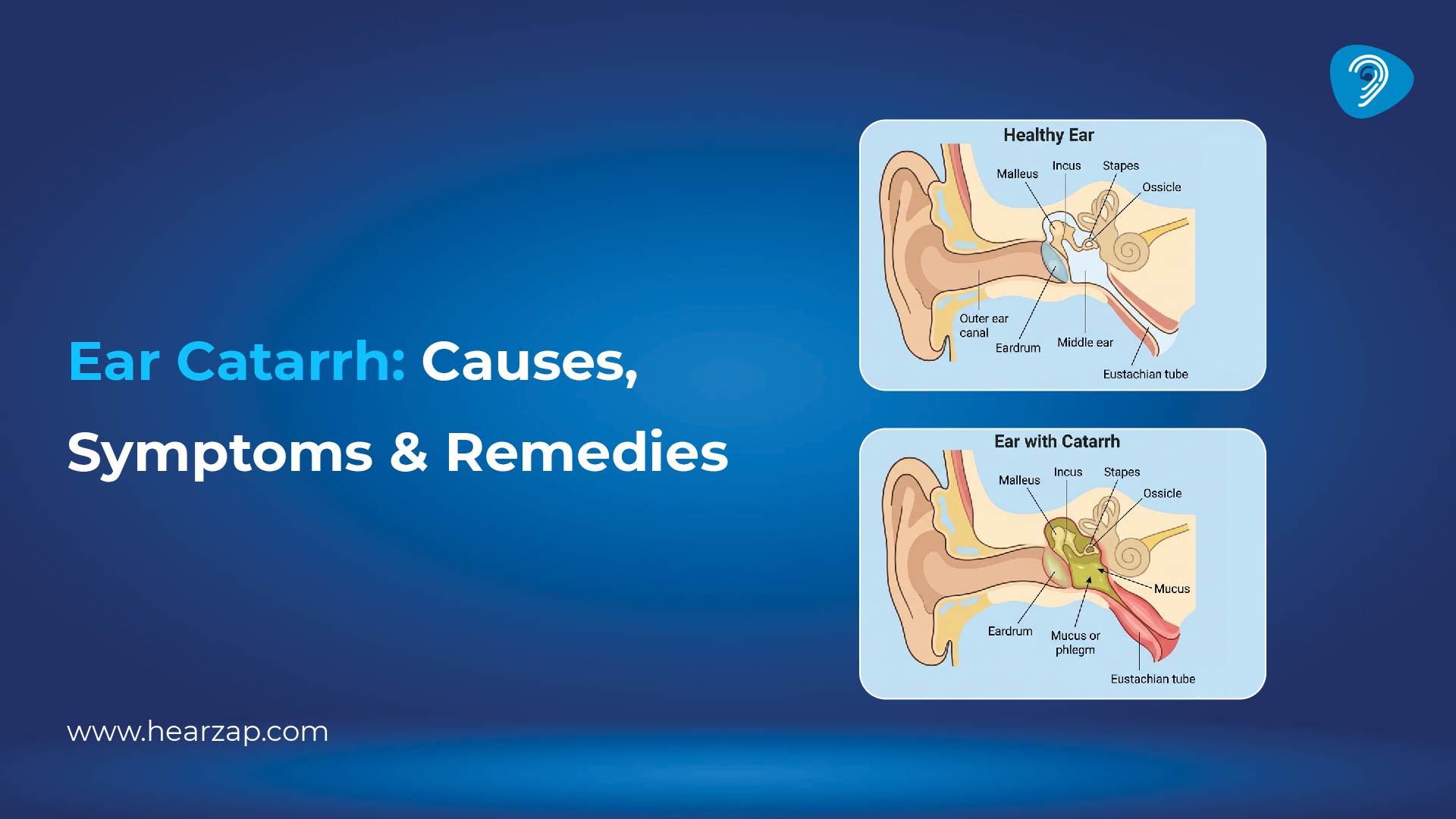
Ear Catarrh: Causes, Symptoms, Treatment & Home Remedies
Contact us
We are here for all your hearing needs, from hearing tests to hearing aids. Fill out the form below, and we will give you a call soon.
Recent Blogs
By None | Sept. 21, 2026
By None | Sept. 16, 2026
By None | Sept. 9, 2026
By None | Sept. 7, 2026
By None | Sept. 5, 2026