HEARING CARE
Ear Catarrh: Causes, Symptoms, Treatment & Home Remedies
By Team Hearzap | April 30, 2026
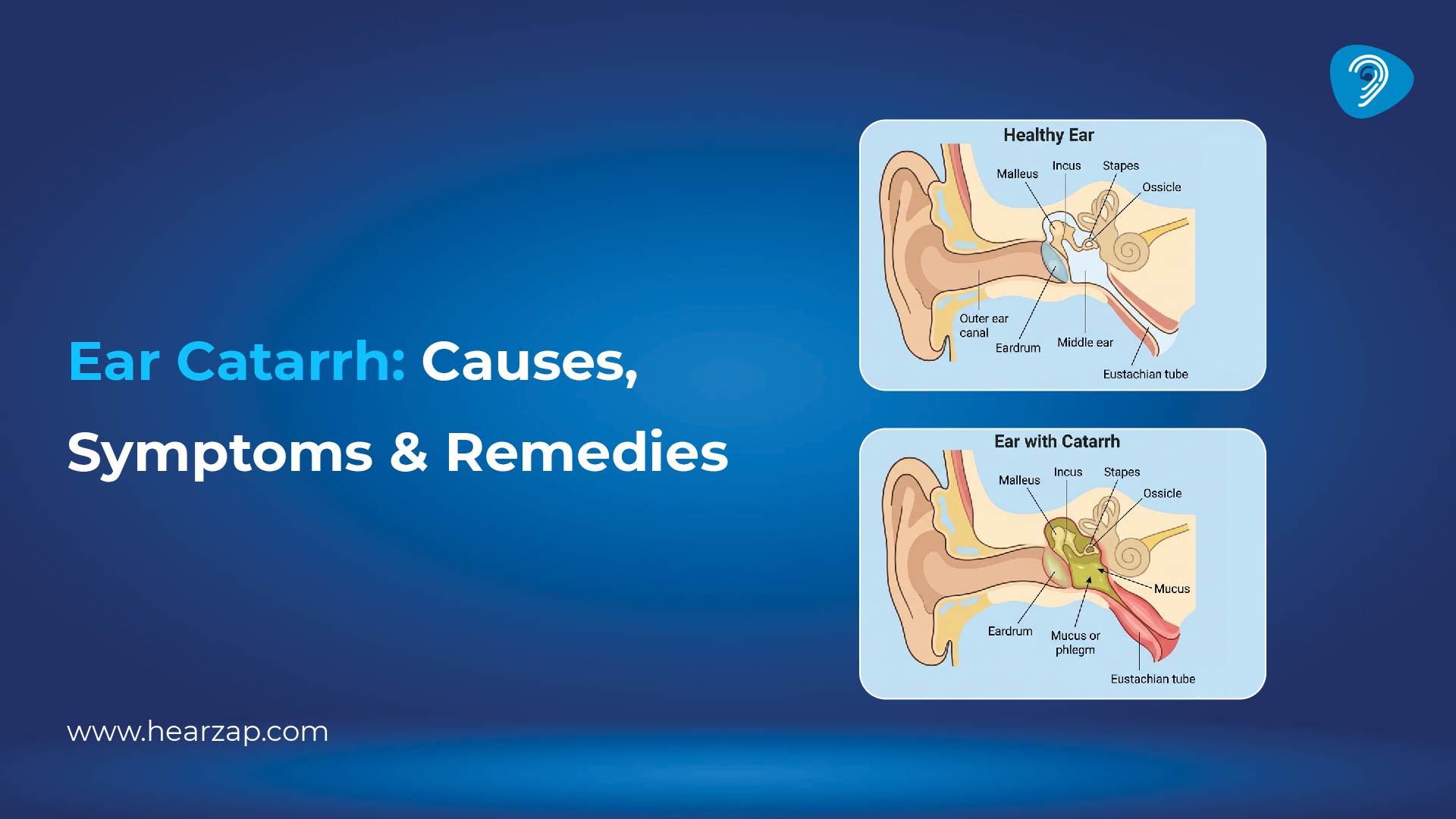
A blocked ear during a cold can disturb your whole day. Sounds become dull, your own voice may feel heavy, and swallowing can create a crackling noise. This usually happens when mucus or fluid collects behind the eardrum.
Ear catarrh is commonly linked to cold, flu, allergies, sinus trouble, or a middle ear infection. The tube that connects the middle ear to the back of the nose may get swollen, so fluid does not drain well. Most mild cases improve with rest, fluids, steam, and nasal care. If pain, fever, discharge, or hearing trouble persists, medical advice is needed.
What is Ear Catarrh?
Ear catarrh means mucus or fluid has built up in the middle ear, usually because the ear cannot drain properly. It often feels like a blocked ear.
The Eustachian tube connects the middle ear to the back of the nose and throat. It balances ear pressure and lets fluid drain. When this tube is blocked, the ear may feel full, heavy, or closed.
Normal nasal congestion mainly affects the nose and throat. Ear catarrh affects the space behind the eardrum. That is why you may hear sounds less clearly even when there is no wax in the ear.
Many people confuse it with a wax blockage. Both can make hearing dull, but the cause differs. If the blocked feeling starts after a cold or allergy attack, the Eustachian tube may be involved. A proper check can confirm it. For many people, it is most noticeable in the morning, during a flight, or after a long cold.
You may feel the need to pop the ear again and again. This feeling can be annoying, but pushing objects inside the ear is never the answer. The safer step is to clear the nose gently and rest.
Causes of Ear Catarrh
Several common health issues can disturb ear drainage. Often, the problem begins in the nose, throat, or sinuses.
Cold and Flu
Cold and flu can cause swelling inside the nose and throat. When the nose is blocked, the Eustachian tube may not open well.
Mucus then gets trapped behind the eardrum. This can create ear pressure, muffled sound, and popping while yawning or swallowing. Children may complain that the ear feels “closed”.
Allergies
Dust, pollen, pet hair, mould, and seasonal allergies can irritate the nose and throat. This may cause swelling around the Eustachian tube.
When the tube becomes narrow, mucus can stay in the middle ear. People with repeated allergies may notice blocked ears often, especially during weather changes, after dust exposure or in polluted areas.
Sinus Infections
Pressure in the forehead, cheeks, nose and ears may be caused by a sinus infection. The mucus may become thick and not flow easily, and the pressure can extend to the ear.
Some people feel heaviness on one side of the face along with a blocked ear. If sinus symptoms are strong or last many days, get checked instead of taking random medicines.
Middle Ear Infection
A middle ear infection can lead to fluid buildup behind the eardrum. This may happen after a cold, sore throat, or allergy.
Pain, fever, reduced hearing, and ear pressure may appear. Children may pull their ears, cry more, or sleep badly. If hearing feels reduced after the infection settles, a hearing test can show whether it needs attention.
Smoking / Pollution
Smoke and pollution irritate the nose, throat, and airways. This can make mucus thicker and worsen congestion.
In Indian cities, dust, vehicle smoke, construction pollution, and indoor smoke can trouble people who already have allergies or sinus issues. Avoiding smoke may reduce repeated ear blockage.
Ear Catarrh Symptoms
Ear catarrh symptoms are usually linked to pressure and fluid behind the eardrum. The ear may feel blocked, heavy, or full. Hearing can become muffled, as if people are speaking from far away.
Some people feel pressure inside the ear or hear crackling while swallowing. A popping sound may come and go. Mild dizziness can also happen.
There may be ringing or buzzing in the ear. This is known as Tinnitus. It may feel louder in a quiet room.
If the hearing stays unclear, do not ignore it. Fluid in the middle ear can cause temporary hearing trouble. Learn more about hearing loss if you often miss words or increase TV volume.
How to Get Rid of Catarrh in Ears
If you are wondering how to get rid of catarrh in your ears, start with gentle steps that reduce congestion. Do not put anything inside the ear.
Steam Inhalation
Steam may loosen mucus in the nose and throat. Take a steam carefully for a few minutes, keeping your face at a safe distance from the hot water.
Do not give very hot steam to children. Avoid burns. Steam can soothe congestion, but it will not treat an infection.
Stay Hydrated
Water, warm fluids, and soups can keep the mucus thinner. This may make congestion easier to clear.
Avoid too many cold drinks when your throat is irritated. Warm water or herbal drinks may feel more comfortable.
Nasal Saline Rinse
A saline spray or rinse can clear the nose gently. When nasal blockage reduces, the Eustachian tube may open better.
Use clean water as advised. Do not use strong homemade mixtures inside the nose.
Warm Compress
A warm compress near the ear may ease pressure. Keep it outside the ear only.
Do not pour warm oil or liquid into the ear. If the eardrum is weak or infected, this can worsen the problem.
Rest and Avoid Smoking
Rest gives the body time to recover from a cold, flu, or sinus irritation. Avoid smoking and stay away from second-hand smoke.
If pollution is high outside, a mask may reduce irritation.
Ear Catarrh Treatment
Ear catarrh treatment depends on the cause. If symptoms are mild and linked to a cold, simple care may be enough. If symptoms continue, a doctor can check the ear.
Medications
A doctor may suggest medicines for congestion, allergy, or infection. A decongestant may be used for short-term nasal blockage. An antihistamine may be advised for allergies.
Antibiotics are not needed for every blocked ear. They are used only when a bacterial infection is suspected. Do not take an ear catarrh decongestant or antibiotic without medical advice, especially for children, pregnant women, elderly people, or anyone with blood pressure or heart problems.
Medical Procedures
If fluid stays or hearing is affected, an ENT consultation may be advised. The doctor may examine the eardrum and look for fluid.
In severe or repeated cases, fluid drainage or small ear tubes may be considered. This is decided after a medical evaluation. If symptoms are troubling your daily hearing, you can book an appointment for guidance.
Ear Catarrh Home Remedies
Ear catarrh home remedies can support comfort in mild cases. Steam therapy, warm fluids, and rest can ease nasal and throat congestion. Sleeping with the head slightly elevated may reduce night blockage.
You can also try a warm compress outside the ear. Stay hydrated through the day. Avoid smoke, strong perfumes, dust, and cold air if they trigger symptoms.
Never insert cotton buds, earbuds, fingers, or hairpins into the ear. Do not use oil or drops unless prescribed. If mucus in the ear keeps coming back, read more about mucus in ear and get checked if hearing stays dull.
Prevention Tips
You cannot prevent every cold or allergy, but better habits can reduce repeated ear blockage.
Treat colds early with rest, fluids, and nasal care. Manage allergies before they become severe.
Stay hydrated during weather changes or long hours in air conditioning. Avoid smoking and limit dust and pollution where possible.
Maintain ear hygiene by cleaning only the outer ear. Do not push cotton buds inside. If you often feel pressure, crackling, or blockage, read about blocked ear tube and speak to a professional.
If hearing remains reduced after congestion clears, do not wait. Some people may need testing and hearing support. After proper advice, you can explore options to buy hearing aids online.
FAQs
What is ear catarrh?
It is fluid or mucus buildup in the middle ear, usually because the Eustachian tube is blocked. It can make the ear feel full, blocked, or heavy.
What causes ear catarrh?
Common causes include cold, flu, allergies, sinus infection, middle ear infection, smoking, and pollution. These can block normal ear drainage.
How to get rid of catarrh in the ears naturally?
Steam inhalation, warm fluids, hydration, saline nasal rinse, rest, and avoiding smoke may help mild symptoms. Do not insert anything inside the ear.
Can ear catarrh affect hearing?
Yes, fluid behind the eardrum can make sounds dull or muffled. In many cases, this is temporary, but lasting hearing trouble needs testing.
How long does ear catarrh last?
Mild symptoms after a cold may improve in a few days or weeks. If it lasts longer, keeps returning, or affects hearing, see a doctor.
Can allergies cause ear catarrh?
Yes, allergies can cause swelling around the nose and the Eustachian tube. This may trap mucus and create blocked ear symptoms.
Related Blogs

Cortical auditory evoked potentials (CAEP)
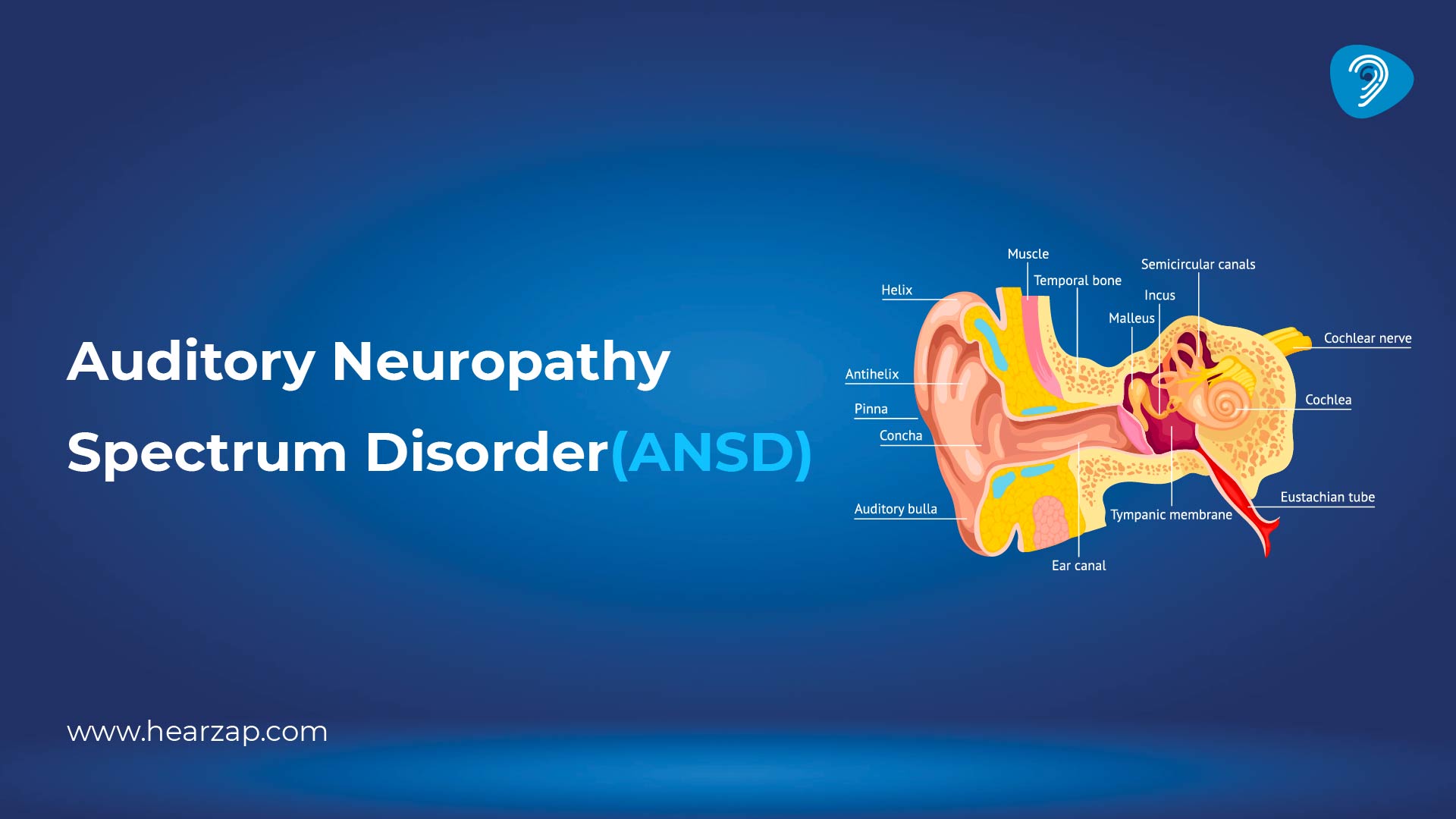
Auditory Neuropathy Spectrum Disorder

Otosclerosis: When Your Ear's Own Bone Works Against You
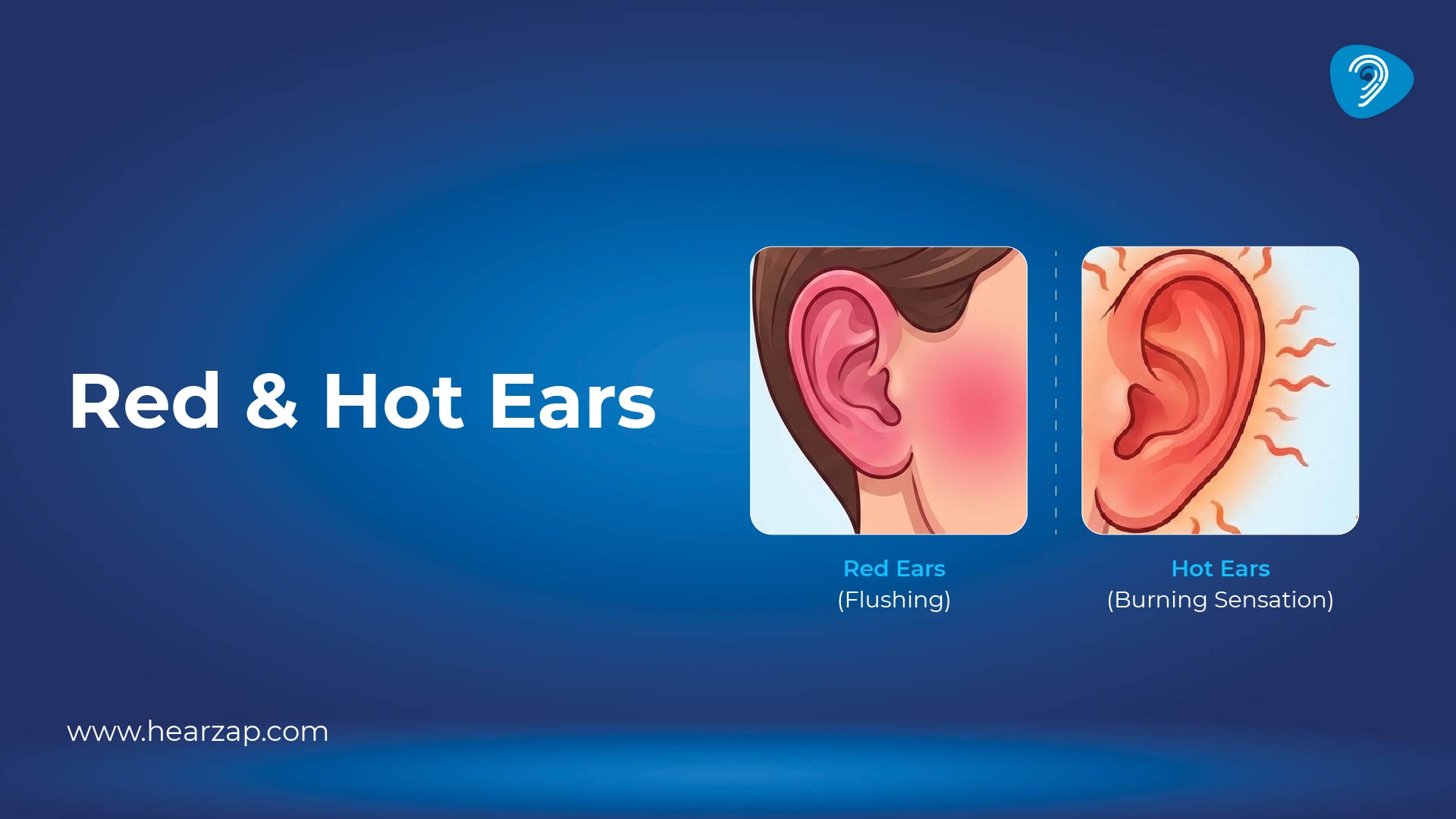
Red and Hot Ears: Causes, Symptoms & Treatment
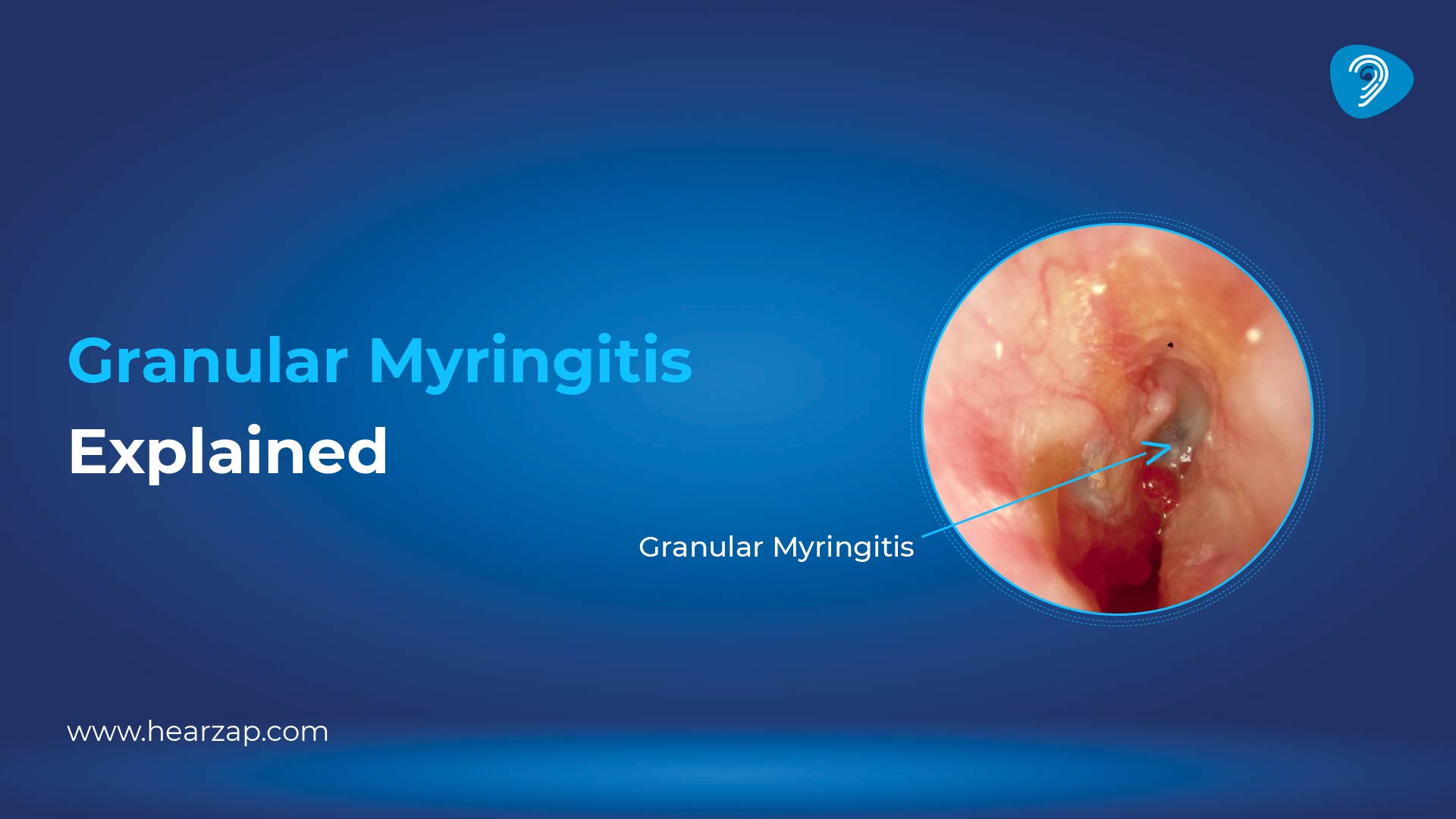
Granular Myringitis Explained: Symptoms, Causes & Treatment by Hearzap
Ear Bleeding: Causes, Treatment & What to do Immediately
Sebaceous Cyst Behind Ear
Contact us
We are here for all your hearing needs, from hearing tests to hearing aids. Fill out the form below, and we will give you a call soon.
Recent Blogs
By None | Oct. 3, 2026
By None | Oct. 1, 2026
By None | Sept. 30, 2026
By None | Sept. 29, 2026
By None | Sept. 28, 2026