HEARING CARE
Sebaceous Cyst Behind Ear
By Team Hearzap | April 21, 2026
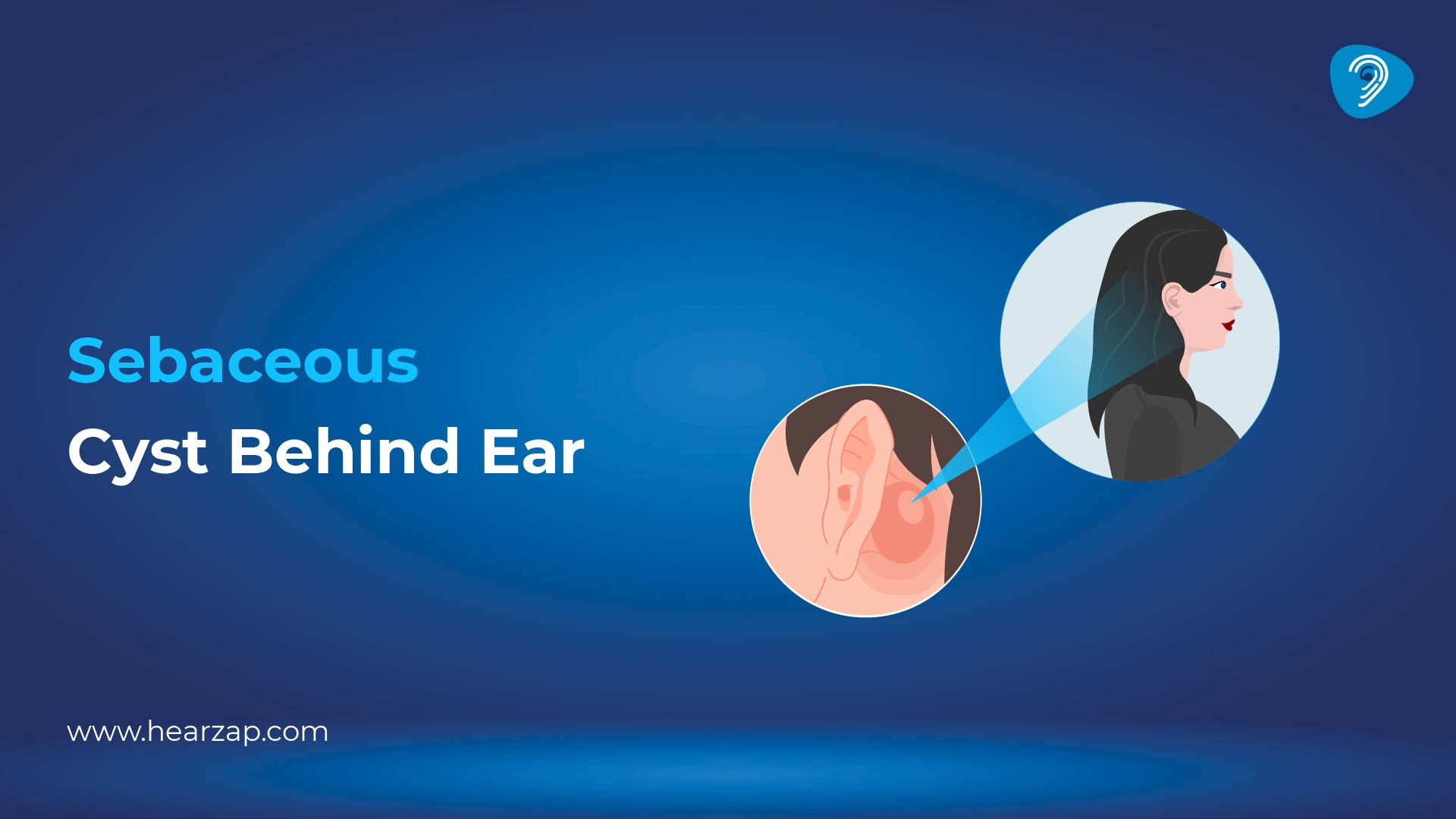
Sebaceous Cyst Behind Ear: What It Is and What To Do About It
You're combing your hair or washing your face and your fingers brush against something unexpected. A small, smooth lump sitting just behind your ear. It doesn't really hurt. It moves slightly under the skin when you press it. And it has probably been there for a while, quietly growing without making a fuss.
Before your mind races to worst-case scenarios, take a breath. What you're most likely feeling is a sebaceous cyst behind ear, one of the most common and benign lumps that can develop on the human body. It's not cancer. It's not dangerous. But it can be annoying, uncomfortable, and occasionally problematic if left unmanaged.
Here's everything you need to know, explained simply.
What Exactly Is a Sebaceous Cyst?
Your skin is covered in tiny sebaceous glands, which are oil-producing glands attached to hair follicles. Their job is to produce sebum, a natural oil that keeps your skin and hair moisturised and protected. Under normal circumstances, this oil travels smoothly to the skin surface and does its job without incident.
But sometimes, a sebaceous gland or its duct becomes blocked or damaged. The oil has nowhere to go. Instead of reaching the surface, it accumulates beneath the skin, gradually forming a small sac filled with a thick, waxy, or cheese-like substance. That sac is a sebaceous cyst.
The area behind the ear is a particularly common location because it has a relatively high density of sebaceous glands, sits in a region of frequent friction from glasses, earphones, and hair, and is easy to miss during regular skincare routines. People often don't notice a cyst forming there until it has been growing quietly for months.
How Do You Know It's a Sebaceous Cyst?
Sebaceous cysts have a fairly recognisable profile. They tend to be round, smooth, and clearly defined under the skin. They feel soft to firm when pressed and move slightly rather than feeling fixed rigidly to deeper tissue. They grow slowly over time and are usually painless unless they become inflamed or infected.
One distinguishing feature is a small, dark central punctum, basically a tiny visible pore or blackhead-like spot on the surface of the skin directly over the cyst. Not every cyst will display this clearly, but when it's present, it's a useful identifier.
Size varies quite a bit. Some cysts stay small, barely the size of a pea, for years. Others gradually expand to the size of a marble or larger. In the behind-ear area, growth can sometimes be noticed more quickly because the skin is relatively thin and the surrounding anatomy is fairly compact.
If the cyst becomes infected, the picture changes noticeably. It becomes red, warm, tender to touch, and may start to swell more rapidly. A foul-smelling, thick discharge can sometimes develop if the cyst ruptures either spontaneously or through squeezing. This is when the lump goes from being a minor nuisance to something that needs proper medical attention.
Sebaceous Cyst Behind Ear Treatment: Your Options
Here is where a lot of people get confused, because the internet is full of conflicting advice ranging from "just leave it alone" to "drain it yourself at home." The reality is more nuanced and depends largely on whether the cyst is infected, how large it is, and whether it's causing symptoms.
For small, asymptomatic cysts that aren't growing rapidly, infected, or causing discomfort, watchful waiting is completely reasonable. Many sebaceous cysts remain stable for years without causing any trouble at all. A doctor may simply monitor it during routine visits.
When a cyst becomes inflamed or infected, the first step in sebaceous cyst behind ear treatment is usually a course of antibiotics to clear the infection, sometimes combined with a corticosteroid injection to reduce swelling and inflammation. It is important to note that treating the infection does not remove the cyst. It brings the acute episode under control, but the cyst sac itself remains. If the sac is left in place, the cyst will almost certainly refill over time.
Surgical removal is the only definitive treatment that prevents recurrence, and it is a straightforward, outpatient procedure performed under local anaesthetic. The area is numbed, a small incision is made, and the cyst along with its entire sac is carefully excised. Removing the sac completely is the critical step. If any part of it is left behind, the cyst can regrow. The procedure typically takes 20 to 40 minutes, leaves a small, neat scar, and requires minimal downtime.
Sebaceous Cyst Behind Ear Removal: What to Expect
Many people feel anxious at the thought of any procedure near the ear, but sebaceous cyst behind ear removal is genuinely one of the more minor surgical procedures a doctor performs. The local anaesthetic injection is usually the most uncomfortable part, and once that takes effect, the removal itself is painless.
After the procedure, the area is closed with a few sutures and covered with a small dressing. People experience mild soreness and swelling that lasts for two days because it is a common body reaction which people can treat with standard pain relief products. Most people return to normal daily activity within a day or two. The removed cyst is sometimes sent for histological examination, a routine step where the tissue is looked at under a microscope to confirm the diagnosis. This is standard practice rather than a cause for concern. The surgical process becomes more complicated when the cyst contains an infection because surgeons must leave the wound open for proper healing to occur. The surgeon will explain to you the upcoming surgical process which will depend on your unique medical case.
How to Drain Sebaceous Cyst Behind Ear: Please Read This First
This is the section where things need to be said plainly. Searching how to drain sebaceous cyst behind ear online will bring up various home methods, and the temptation to simply squeeze, lance, or drain the cyst yourself is understandable, especially if it feels uncomfortable or is clearly growing.
But here is the honest truth. Attempting to drain a sebaceous cyst at home carries real risks. Squeezing the cyst can rupture it beneath the skin, causing the contents to spread into surrounding tissue and triggering a much more significant inflammatory reaction. Piercing the skin with any unsterile instrument behind the ear, a sensitive area close to major nerves and blood vessels, risks introducing bacteria and causing a serious infection. And even if you manage to express some of the contents, the sac remains intact beneath the skin, meaning the cyst will refill. You have achieved temporary emptying at the cost of real risk.
If a cyst is large, uncomfortable, or feels ready to rupture, the right move is to see a doctor, not to manage it on your kitchen counter. A GP can drain it safely under sterile conditions, prescribe antibiotics if needed, and refer you for formal removal if that's the appropriate next step.
When Should You See a Doctor?
See a doctor if the lump is growing noticeably over a short period of time, if it becomes red, warm, painful, or starts to discharge, if you are unsure whether what you are feeling is actually a sebaceous cyst, or if it is large enough to be visible or to cause discomfort with glasses, earphones, or while sleeping on that side.
It is also worth getting any new lump behind the ear formally assessed if you haven't already done so, simply because not every lump in that region is a sebaceous cyst. Lipomas, lymph nodes, and in rare cases more significant growths can present similarly. A brief examination by a doctor is all it usually takes to confirm the diagnosis and put your mind at ease.
The Bottom Line
A sebaceous cyst behind the ear is almost always harmless, but that doesn't mean it should be ignored indefinitely or, worse, poked at at home. Understanding what it is, watching for signs of infection, and knowing when to seek proper treatment puts you in exactly the right position to manage it sensibly.
Most people who have these removed are surprised by how quick and straightforward the process is. A small procedure, a little patience during healing, and the lump that's been quietly bothering you for months is gone for good.
FAQs
How to get rid of sebaceous cyst behind ear?
Sebaceous cysts can be treated with warm compress, medication, or minor surgical removal by a doctor.
How to remove sebaceous cyst behind ear?
Safe removal usually requires a medical procedure to drain or excise the cyst completely.
How to treat sebaceous cyst behind ear?
Treatment includes keeping it clean, avoiding squeezing, and seeking medical care if it becomes painful or infected.
Are cysts behind the ear normal?
Yes, cysts behind the ear are usually harmless but should be checked if they grow, hurt, or change.
Related Blogs
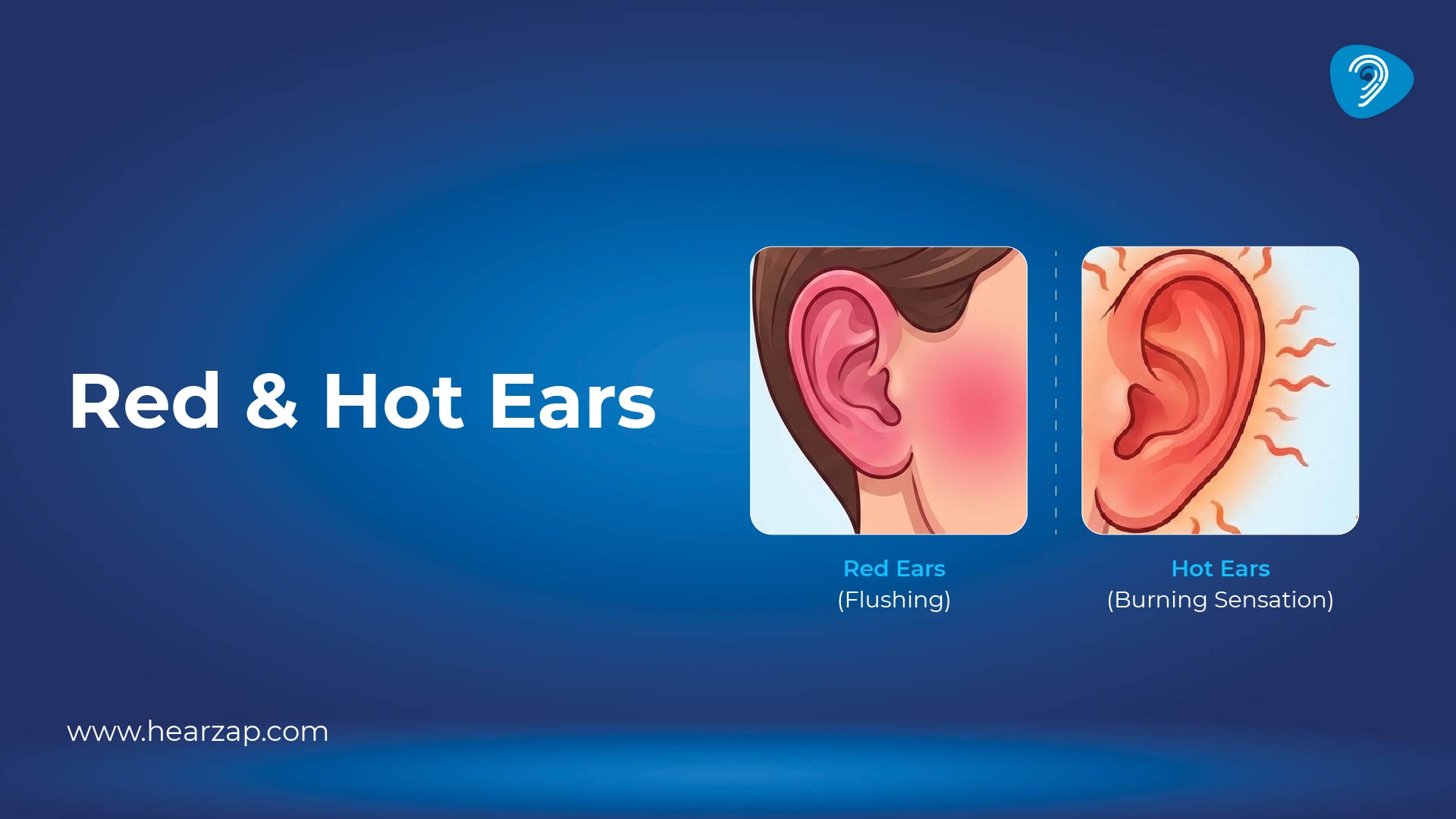
Red and Hot Ears: Causes, Symptoms & Treatment
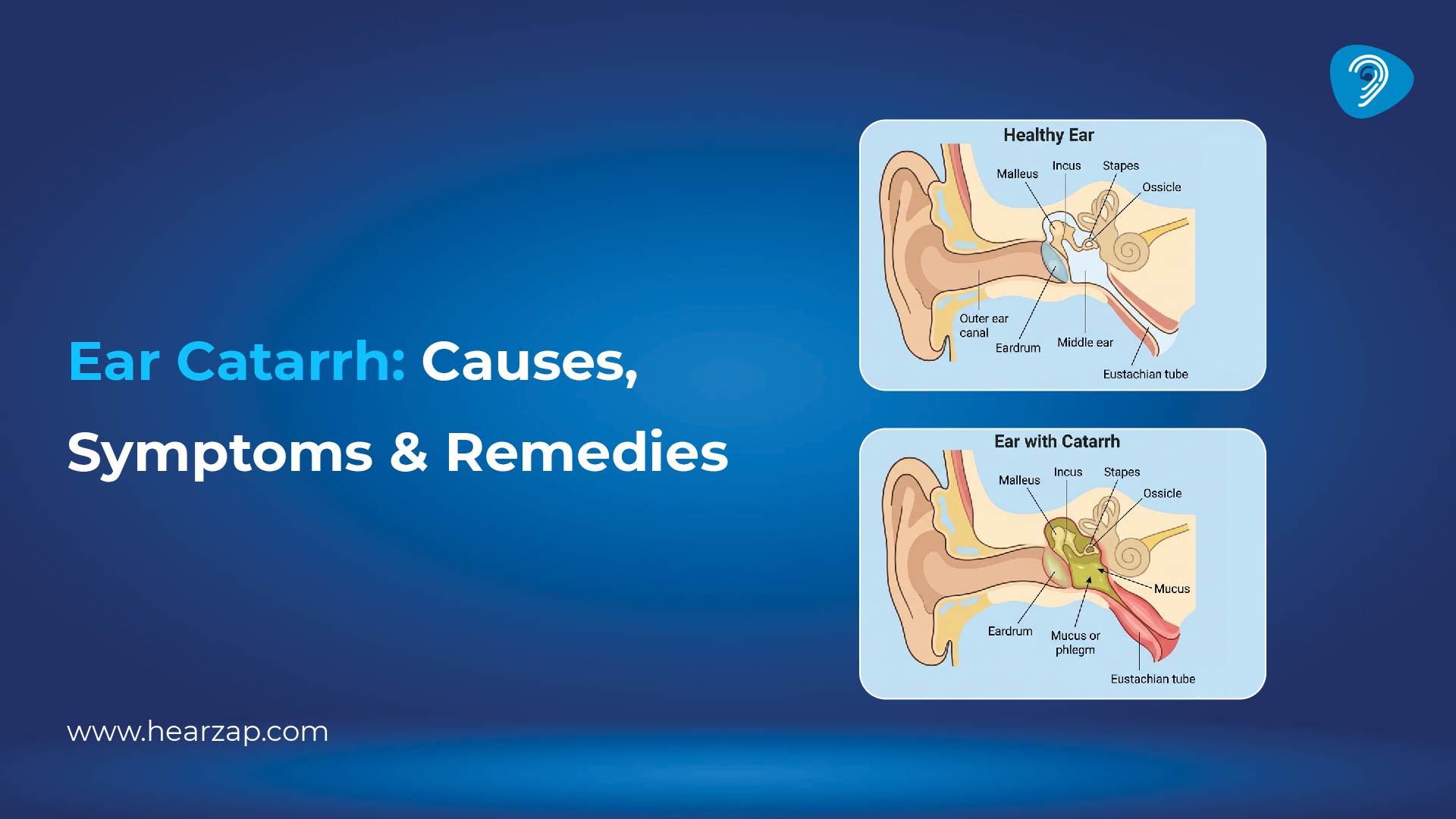
Ear Catarrh: Causes, Symptoms, Treatment & Home Remedies

Ear Bleeding: Causes, Treatment & What to do Immediately
Ear Popping: Why It Happens and How to Find Relief
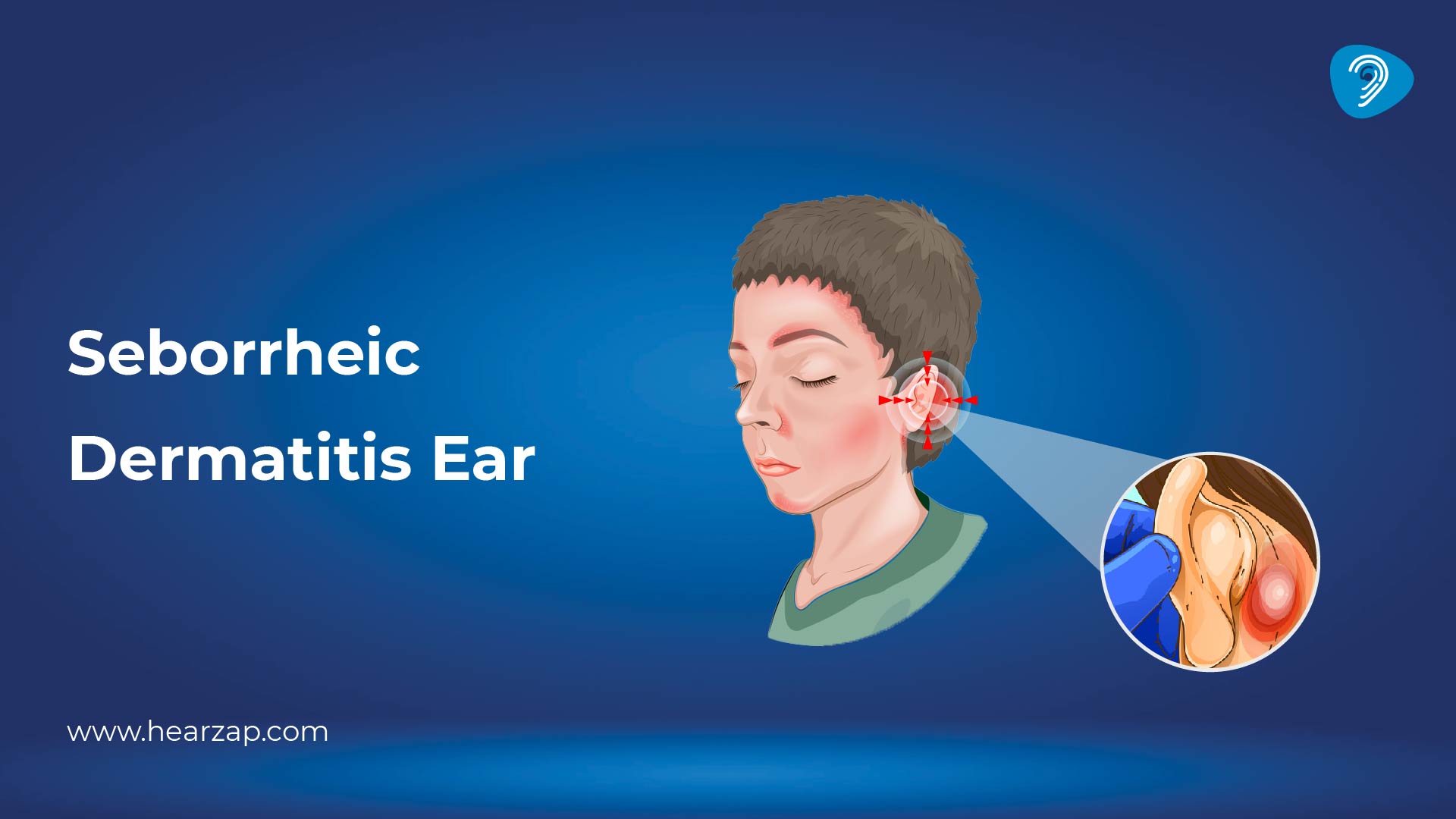
Seborrheic Dermatitis in the Ear

Semont Maneuver
Contact us
We are here for all your hearing needs, from hearing tests to hearing aids. Fill out the form below, and we will give you a call soon.
Recent Blogs
By None | Sept. 5, 2026
By None | Sept. 4, 2026
By None | Sept. 2, 2026
By None | Sept. 1, 2026
By None | Aug. 31, 2026