HEARING CARE
Ear Bleeding: Causes, Treatment & What to do Immediately
By Team Hearzap | April 29, 2026
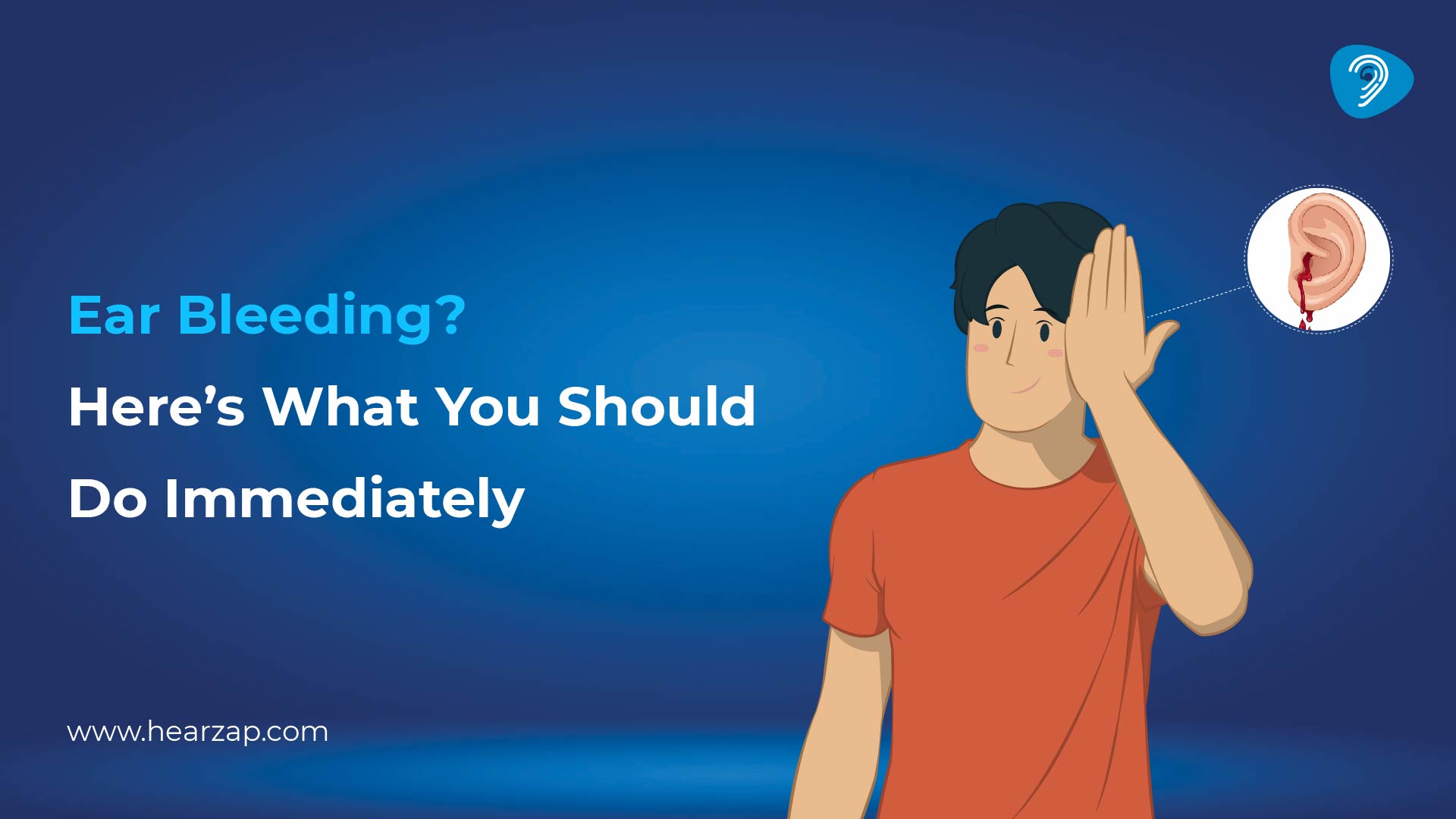
Blood from the ear can make anyone anxious. It may happen after using a cotton bud, scratching the ear canal, an infection, a sudden loud sound, a pressure change during travel, or an injury to the head. Sometimes it is light and stops soon. Still, care matters here.
Do not put anything inside the ear to check the cause. Wipe only the outside, keep the ear dry, and get medical help if there is pain, dizziness, fever, vomiting, or reduced hearing. If bleeding starts after a fall, accident, or blow to the head, treat it as urgent. In many Indian homes, people first try oil, cotton, or old drops because the bleeding looks small. Avoid that shortcut.
The ear may look simple from the outside, but a doctor needs to see whether the canal, eardrum, or middle ear is involved before deciding the next step. This caution can prevent hearing concerns at a later stage.
What Should You do Immediately if Your Ear is Bleeding?
Handle it gently until a doctor checks it.
Stay Calm and Avoid Touching the Ear
Try not to panic or keep touching the ear. Avoid cotton buds, fingers, earbuds, hairpins, matchsticks, keys, or any sharp item. Even a soft cotton bud can scratch the ear canal or push blood and wax deeper.
If the ear feels blocked, do not dig inside. The ear canal skin is thin, and the eardrum is delicate.
Gently Clean Outer Ear
Use a clean cloth to wipe the blood visible on the outer ear. Do not push the cloth into the ear canal. Do not pour water, oil, or any home mixture into the ear.
If blood keeps coming out or pain increases, see a doctor.
Keep the Ear Dry
Water can irritate an injured ear. While bathing, make sure water does not enter the affected side. Avoid swimming until you are checked.
This is more important if there may be a ruptured eardrum.
Seek Emergency Help if Needed
Go to emergency care if bleeding starts after a road accident, fall, sports injury, slap on the ear, or head injury. Also, do not delay if there is severe pain, dizziness, vomiting, fainting, sudden hearing loss, ringing, clear fluid, or confusion.
Ear Bleeding Causes
Ear bleeding causes can range from simple scratches to infections or trauma.
Ear Infection
An ear infection can cause pain, pressure, fever, discharge, and blocked hearing. When fluid collects behind the eardrum, pressure may build up. In some cases, the eardrum can tear, and fluid mixed with blood may come out.
Children may cry, pull their ears, sleep badly, or refuse food. Adults may feel heaviness, sharp pain, or muffled hearing. For general ear pain care, you may read home remedies for ear infections.
Ruptured Eardrum
The eardrum is a thin layer that helps carry sound. A tear in it may happen due to infection, loud noise, sudden pressure change during flying or diving, or injury from an object inserted into the ear.
Some people feel a sharp pain first. Then blood, pus, or watery fluid may come out. Hearing may feel dull. Ringing or dizziness can also happen.
Do not use ear drops on your own if you suspect this problem.
Injury From Cotton Buds or Sharp Objects
Many people clean their ears after a bath and push the cotton bud too deeply. This can scratch the ear canal and cause bleeding.
Pins, clips, pen caps, toothpicks, and matchsticks are unsafe for ear cleaning. If wax feels stuck, visit a professional instead of trying to remove it at home.
Foreign Object in Ear
Beads, small toy parts, seeds, paper bits, and food particles may get stuck in the ear.
A child may cry, complain of pain, touch the ear often, or stop responding clearly. There may be a bad smell, discharge, or blood. Do not pull out a deep object with tweezers. A doctor can remove it safely.
Head Trauma
Bleeding after head trauma needs immediate care. It can happen after a fall from a bike, a road accident, a fight, or a hard hit during sports.
Watch for headache, vomiting, sleepiness, confusion, loss of balance, or clear fluid from the ear.
Rare Causes
Rarely, repeated bleeding may happen due to abnormal growths inside the ear. Cancer is uncommon, but an ENT specialist should check long-lasting discharge, one-sided pain, swelling, or repeated bleeding.
Symptoms That May Occur Along With Ear Bleeding
You may feel ear pain, pressure, itching, or a blocked sensation. Hearing can become unclear. Some people notice ringing, dizziness, or loss of balance.
Fever, pus, or foul-smelling discharge may suggest infection. Nausea, headache, or confusion after an injury can be more serious.
Do not ignore hearing changes after bleeding. A simple hearing test can show whether sound sensitivity has changed. You can also read about signs of hearing loss if voices sound unclear or you keep increasing the volume.
Ear Bleeding Treatment at Home
Ear bleeding treatment at home is only for a small visible injury on the outer ear, with no dizziness, fever, severe pain, or hearing difficulty. It is not for internal bleeding or injury after trauma.
For a minor outer scratch, gently wipe the area with a clean cloth. A cold compress near the ear may reduce swelling. Use it from the outside only and do not press hard. Rest for some time and avoid sleeping on that side.
Keep the ear clean and dry. Do not use headphones or earbuds until the pain settles, and do not put oil, water, herbal drops, or leftover ear drops inside the ear.
Home care can only support comfort in minor outer injuries. It cannot treat a torn eardrum, deep infection, foreign object, or head injury.
Medical Treatment for Bleeding Ear
A doctor will ask when the bleeding started and check for injury, pain, fever, discharge, travel, swimming, or ear cleaning. Then the ear canal and eardrum are examined.
The treatment for a bleeding ear depends on the cause. An infection may need antibiotics. Some cases need prescribed ear drops. A foreign object must be removed with medical tools. If the eardrum tear is small, the doctor may advise keeping the ear dry and waiting for healing. A larger tear may need repair.
If hearing does not improve, further tests may be advised. After proper evaluation, people who need hearing support can explore options to buy hearing aids online.
Ear Bleeding Medicine
Ear bleeding medicine should be used only after a doctor checks the ear. The same symptom can have different causes, so one medicine cannot suit everyone.
Antibiotics may be given if there is a bacterial infection. Pain relief medicine may be advised for discomfort. Ear drops should be used only when prescribed, because some drops may irritate the ear if the eardrum is damaged.
Do not use old drops kept at home, and make sure you do not use another person’s medicine. To get the right guidance, you can book an appointment with a hearing care professional.
How to Prevent Ear Bleeding
Most ear injuries can be avoided with simple care.
- Clean only the outer ear after bathing.
- Do not put cotton buds or sharp objects inside the ear canal.
- If wax causes a blockage, get it checked instead of forcing it out.
- Treat ear infections early. Ear pain, discharge, fever, or repeated blocked hearing should not be ignored, especially in children.
- Protect your ears from loud noise. Keep the earphone volume comfortable and take breaks. Use ear protection near loud machines, crackers, concerts, or events with high sound.
- Keep small objects away from children. Teach them not to put beads, seeds, pencils, or toy parts near the ear. If something gets stuck, seek medical care instead of trying home removal.
FAQs
What causes ear bleeding?
It may happen due to infection, ruptured eardrum, cotton bud injury, foreign object, loud noise, pressure change, or head trauma. Rare causes include abnormal growths inside the ear.
Is ear bleeding serious?
It can be minor when it comes from a small outer scratch. Moreover, it can be serious if bleeding comes from inside the ear, follows an injury, or appears with pain, dizziness, fever, vomiting, or hearing difficulty.
What should I do if my ear starts bleeding?
Do not insert anything into the ear. Wipe only the outside with a clean cloth, keep the ear dry, and seek medical care if bleeding continues or other symptoms appear.
Can ear infections cause bleeding?
Yes, a severe infection can create pressure behind the eardrum. If the eardrum tears, fluid mixed with blood may come out.
Can I treat ear bleeding at home?
Only a small outer ear scratch may be cared for at home. Internal bleeding, injury, severe pain, fever, dizziness, or hearing change needs medical care.
Can ear cleaning cause bleeding?
Yes, cotton buds and sharp objects can scratch the ear canal or injure the eardrum. Clean only the outer ear and let a professional handle deep wax.
Related Blogs

Middle Ear Implants: How They Work And Who Can Benefit

Vestibular Migraine: When Dizziness Is the Headache

Granular Myringitis Explained: Symptoms, Causes & Treatment by Hearzap
Ear Catarrh: Causes, Symptoms, Treatment & Home Remedies
Sebaceous Cyst Behind Ear
Ear Popping: Why It Happens and How to Find Relief
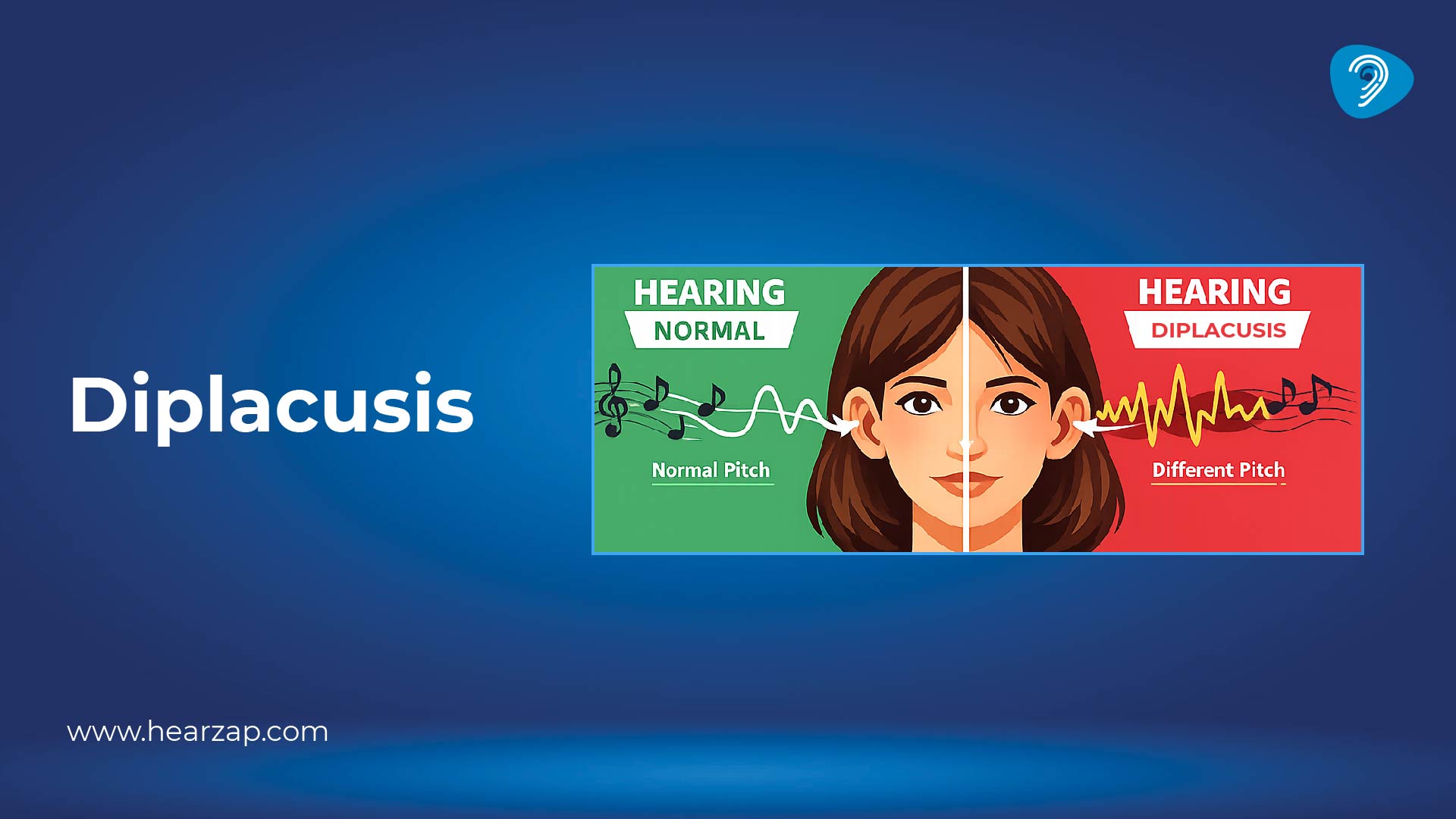
Diplacusis: When the Same Sound Reaches Both Ears Differently
Contact us
We are here for all your hearing needs, from hearing tests to hearing aids. Fill out the form below, and we will give you a call soon.
Recent Blogs
By None | Sept. 9, 2026
By None | Sept. 7, 2026
By None | Sept. 5, 2026
By None | Sept. 4, 2026
By None | Sept. 2, 2026