HEARING AIDS
How Long Do Rechargeable Hearing Aids Really Last?
By Team Hearzap | May 4, 2026
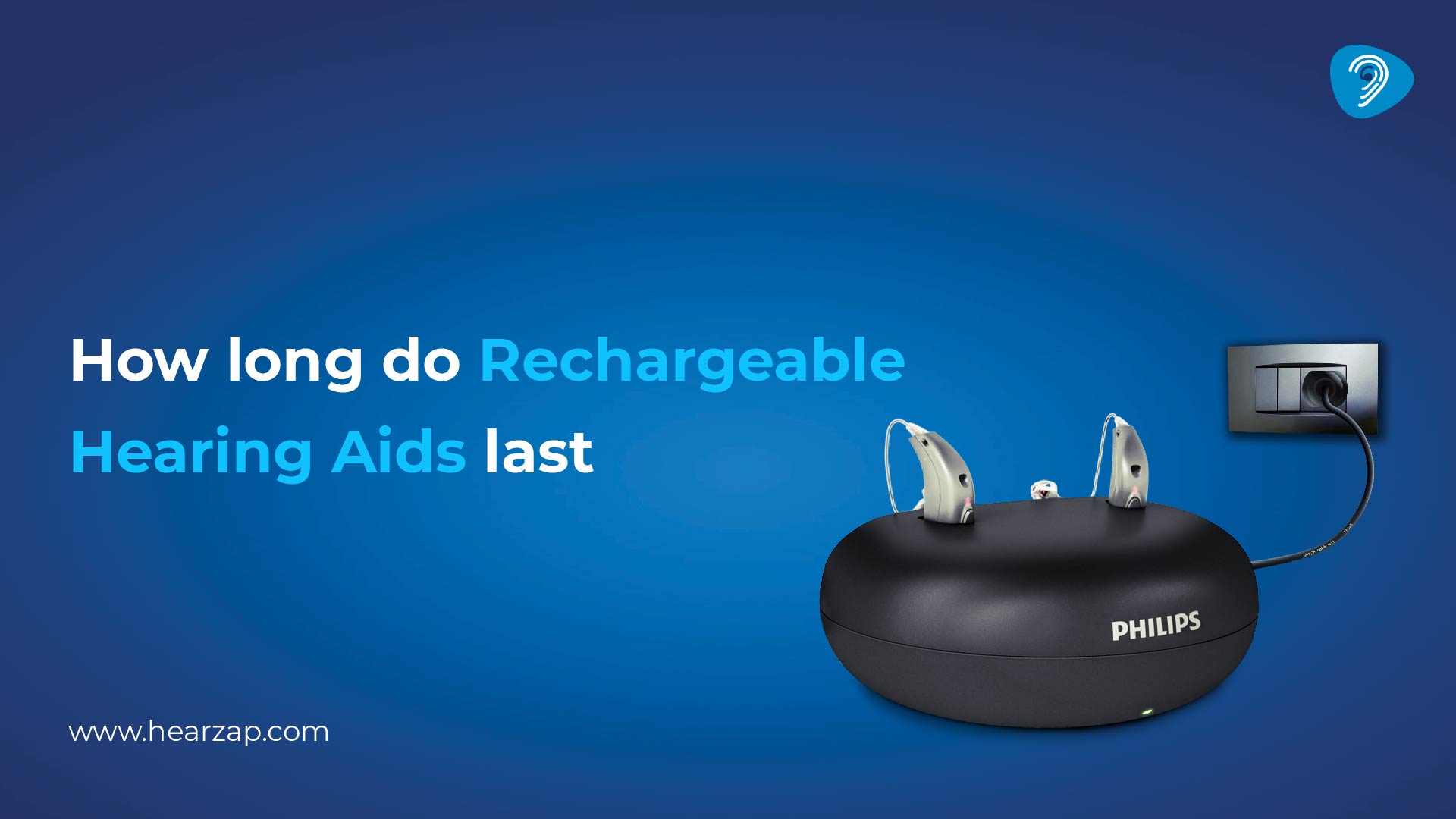
If you are searching how long do rechargeable hearing aids last, you are asking two things: daily backup on one charge, and how long the device will stay reliable. Many users get 20 to 30 hours per charge, while the built-in battery lasts 3 to 5 years before weakening. Many switch from disposable cells for simpler charging and predictable costs. Hearzap supports you through selection, fitting, and ongoing after-care.
What Are Rechargeable Hearing Aids?
These devices run on sealed lithium-ion cells instead of replaceable zinc-air buttons.
You charge them in a dock or case, usually overnight, and start the day fully ready. Many charging cases also store the aids safely and may include drying features, which is useful during monsoon weeks.
How they differ from disposable-battery models:
- No regular battery changes or spare-cell storage
- A steady routine that suits seniors and new users
- Fewer handling errors with tiny batteries
If you have not checked your hearing recently, start with a hearing test so your device match is based on clear results.
How Long Do Rechargeable Hearing Aids Last on a Single Charge?
A full charge commonly delivers 18 to 30 hours, depending on the model and usage. Manufacturers often quote 20 to 30 hours for typical listening.
What can reduce your hours per charge:
- Bluetooth streaming for calls, music, or TV
- Noisy places where processing increases
- Higher volume or stronger noise reduction
- Battery ageing over time
If your days run long, choose fast charging or a portable case so you can top up when needed. Streaming on WhatsApp calls or TV audio can cut backup by a few hours, so plan your day around your usual listening habits.
What Is the Total Lifespan of Rechargeable Hearing Aids?
Think of lifespan as device life plus battery health.
In many cases, rechargeable hearing aid batteries last about 3 to 5 years, and people often replace the device around five years when performance or features no longer fit.
Common signs the battery is declining:
- Backup hours drop after an overnight charge
- Charging takes longer than before
- Midday recharge becomes frequent
- Battery alerts show up earlier
Getting it checked early helps you decide between servicing, battery replacement, where available, or an upgrade. Battery decline is gradual, so a quick check can tell whether cleaning, a charger issue, or battery wear is the real cause.
Factors That Affect Rechargeable Hearing Aid Battery Life
Battery backup changes with routine and wear conditions. Use these points to understand why results vary between users.
Usage Patterns
Streaming and long wear time increase load, so heavy streamers usually get fewer hours per charge.
Charging Habits
A consistent nightly routine is better than irregular charging, even though lithium-ion systems manage charging safely.
Environmental Conditions
Heat, humidity, and dust can affect contacts and electronics; store the aids dry and avoid leaving them in hot areas.
Device Maintenance
Dirty contacts and blocked parts make the device work harder; clean gently and service every 6 to 12 months.
Best Rechargeable Hearing Aids - What to Look For
Choosing the best rechargeable hearing aids is about matching features to your day. Start with power confidence, then add comfort and connectivity. Also consider comfort, warranty terms, and access to genuine accessories, because a good charger and case matter for daily reliability.
What to prioritise:
- At least a 24-hour stated backup for the margin
- Fast charging with a 30 to 60 minute boost
- A portable charging case for travel
- A suitable IP rating for water and dust resistance
- Efficient Bluetooth performance for streaming
When Should You Replace Rechargeable Hearing Aids?
Replacement is guided by daily performance, not a fixed date. Many users consider changing within 3 to 5 years if battery health drops or listening becomes harder.
Signs it may be time:
- The battery drains much faster with the same routine
- Frequent charging is needed to finish the day
- Speech clarity drops or sound feels unstable
- Repairs become frequent or expensive
If you are facing these issues, it is sensible to book an appointment for support so an expert can review the fit and programming.
Tips to Extend Rechargeable Hearing Aid Battery Life
Small habits protect backup hours and reduce surprise drop-offs. They also keep charging contacts in better condition.
Overnight docking is normal because modern charging stops once full.
Do these consistently:
- Charge every night and start the day full
- Keep the device and charging contacts clean and dry
- Store away from heat, moisture, and dust
- Stream only when you do not need to
- Get periodic servicing and updates
Avoid charging near heat sources.
For a deeper routine, Care Tips for Rechargeable Hearing Aids from Hearzap covers cleaning, storage, and travel care.
You can buy hearing aids online after you have been guided to the right model for your needs and budget.
If you are dealing with ongoing hearing loss, do not wait for battery issues to become the reason you miss conversations.
FAQs
How long do rechargeable hearing aids last per charge?
Most users see 18 to 30 hours on a full charge. Streaming and noisy days can reduce this.
How many years do rechargeable hearing aids last?
Many devices are used for about five years, while battery capacity commonly declines after 3 to 5 years.
Do rechargeable hearing aid batteries need replacement?
They may need replacement once capacity drops. Some models allow battery service, while others require a device upgrade.
Are rechargeable hearing aids better than disposable battery ones?
They can be more convenient because you charge nightly and avoid frequent battery changes. The right choice depends on your lifestyle.
What reduces rechargeable hearing aid battery life?
Heavy streaming, high volume, constant noise processing, heat, moisture, and poor cleaning can shorten daily backup and long-term capacity.
Also Read: 5 Best Rechargeable Hearing Aids
Related Blogs
Hearing Aid Maintenance: Dos and Don’ts
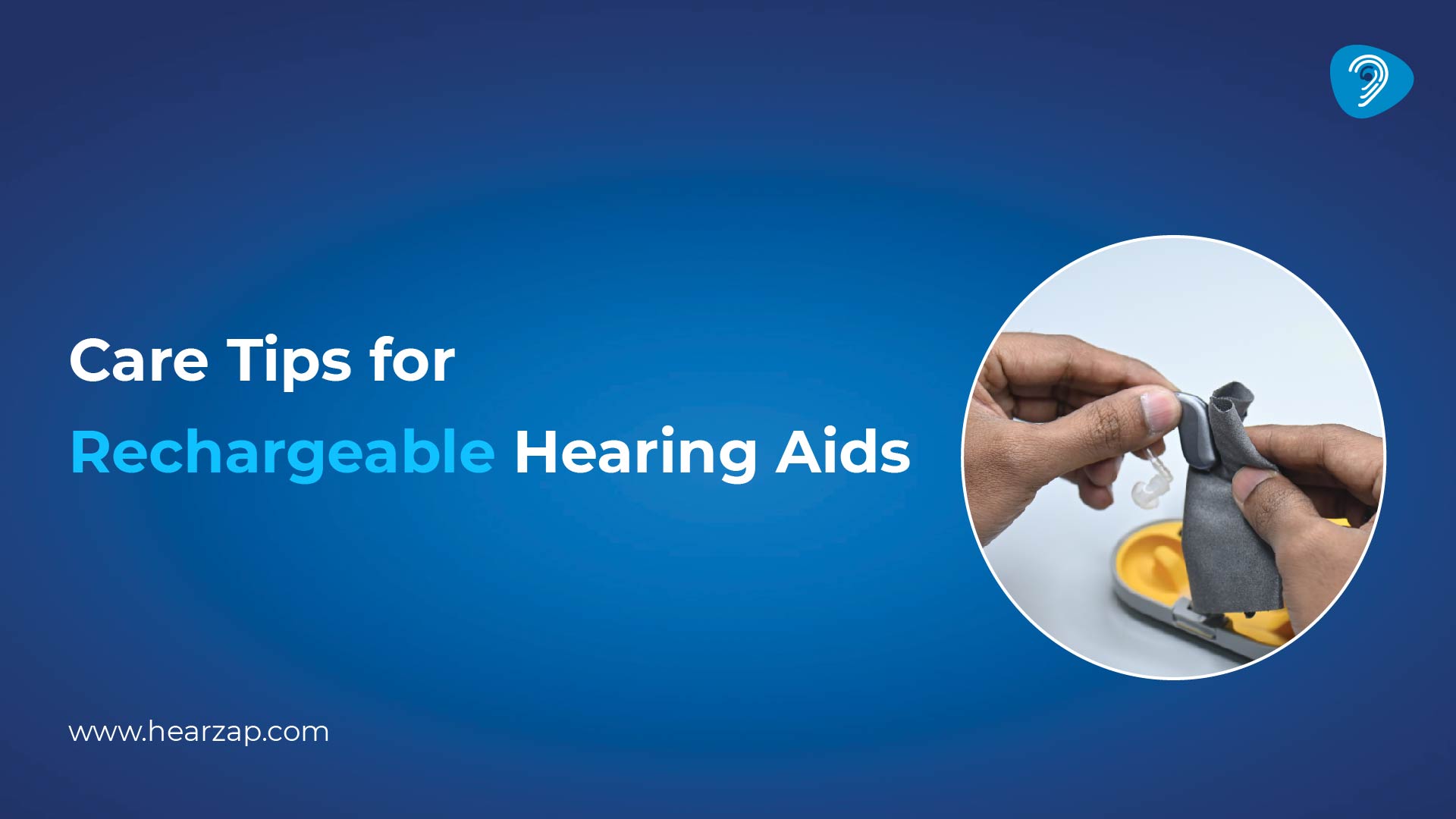
Care Tips for Rechargeable Hearing Aids
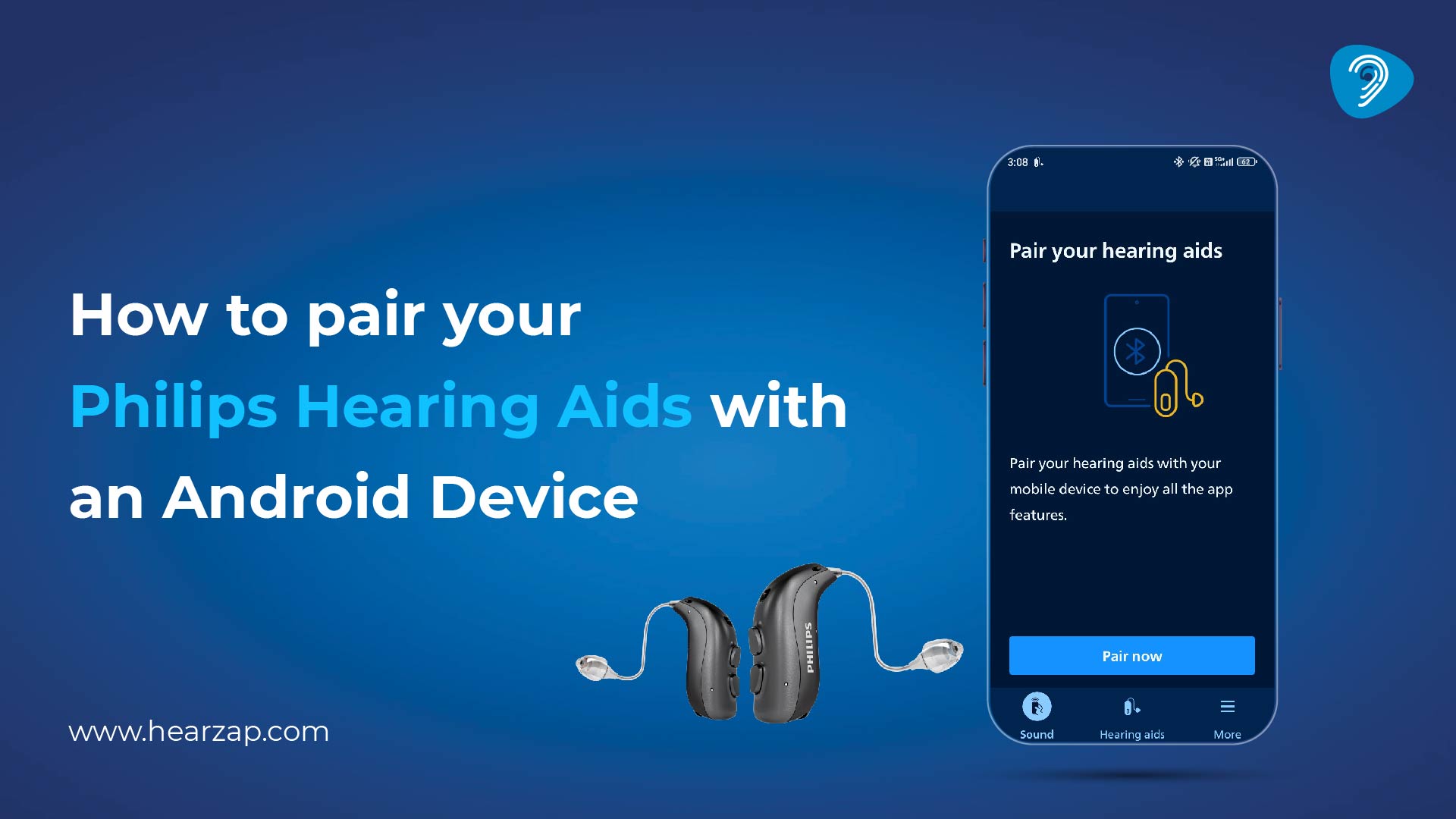
How to Pair Philips Hearing Aids with Android Device?

Hearing Aid Buying Guide
Contact us
We are here for all your hearing needs, from hearing tests to hearing aids. Fill out the form below, and we will give you a call soon.
Recent Blogs
By Team Hearzap | May 5, 2026
By None | May 2, 2026
By None | April 30, 2026
By None | April 29, 2026
By None | April 28, 2026