Generic
Feeling Dizzy? Here’s How Your Vestibular System Keeps You Steady
By Team Hearzap | June 15, 2026
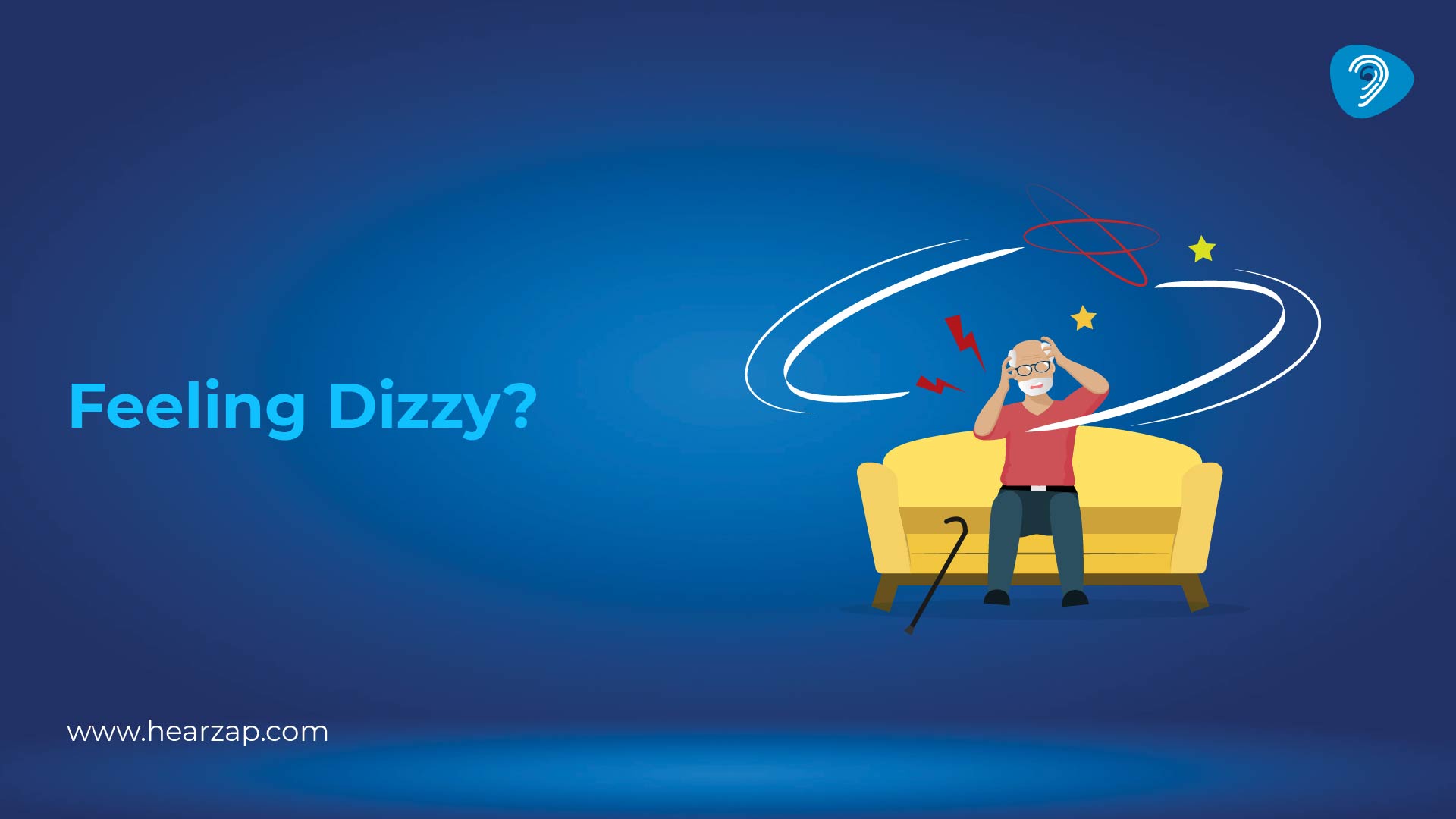
Feeling light-headed on a Metro ride, swaying when you get up too fast, or sensing the room spin after a long day? Dizziness can be unsettling because it affects the one thing you expect your body to do without thinking: stay upright. Your vestibular system sits deep inside the ear and quietly teams up with your eyes, muscles, and brain to keep you steady. When it is irritated or out of sync, even simple tasks like walking to the kitchen, looking down at your phone, or turning your head to check traffic can feel oddly difficult, like your body is arguing with gravity.
Not all dizziness feels the same. Some people feel spinning; others feel rocking, floating, or a sudden “drop” sensation. Many also describe a heavy head and blurry focus. Noting what you feel and what triggers it helps during evaluation.
What is the Vestibular System?
The vestibular system is the balance and motion-sensing network in your inner ear that tells your brain where your head is and how it is moving. Think of it as your internal stabiliser. It does not work alone. Your eyes and body position sensors also contribute, but it reacts fastest when you turn, bend, or move suddenly.
A healthy balance system helps you:
- Keep your vision steady while your head moves
- Walk without drifting or staggering
- Judge movement in lifts, cars, and buses
- Avoid that “floating” feeling many people describe as a Balance Problem
Vestibular System Anatomy
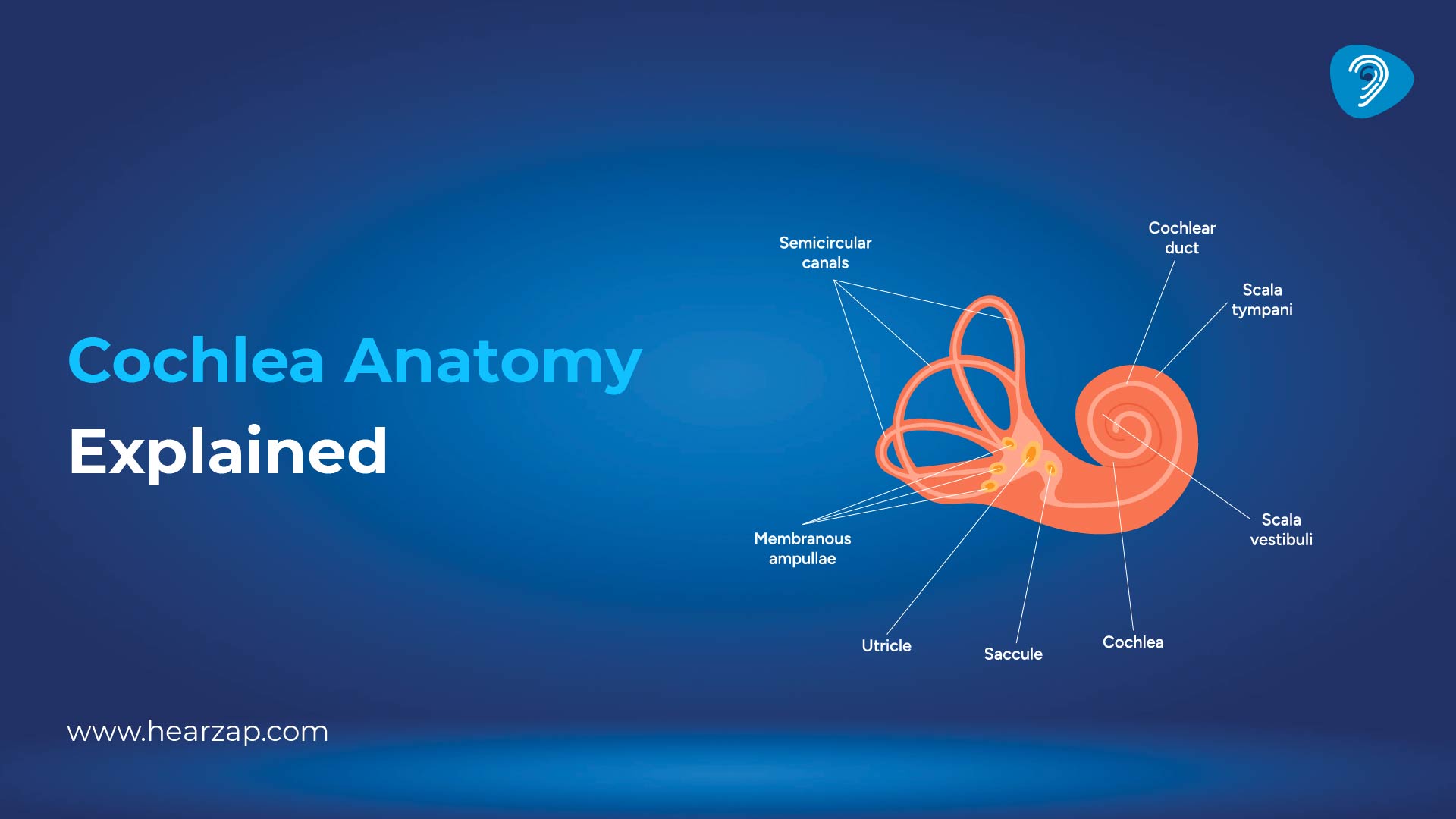
Understanding vestibular system anatomy makes the symptoms easier to connect. The inner ear vestibular system is located next to the hearing organ (the cochlea). It has two main sets of sensors:
- Semicircular canals (three tiny loops)
- They detect head rotation, like shaking your head “no” or nodding “yes”.
- Each canal sits at a different angle, so together they cover movement in all directions.
- Fluid inside the canals shifts with head movement and bends specialised hair cells that send signals onward.
- Otolith organs (utricle and saccule)
- They sense straight-line movement and gravity, like moving forward in a car or rising in a lift.
- They contain tiny crystals that shift with motion and trigger nerve signals.
- When these crystals move into the wrong place, they can cause brief positional spinning, which is why some dizzy episodes happen while rolling in bed.
These structures connect to the vestibular nerve, which carries information to the brainstem and cerebellum. This is why a problem in the ear can manifest as poor balance, nausea, or visual blurring, even when your legs feel strong. If you want a broader analysis on the Ear Anatomy, it helps to see how hearing and balance sit side by side.
What is the Function of the Vestibular System?
The vestibular system function is simple to describe and complex to perform: it keeps you stable when you move. Your brain is constantly combining three inputs:
- Vestibular signals from the inner ear
- Visual signals from the eyes
- Proprioception (position feedback) from muscles and joints
When these inputs match, you feel steady. When they conflict, you may feel dizzy, off-balance, or sick. This mismatch is also why motion sickness happens: your eyes may report “still”, while your inner ear reports “moving”.
How the Vestibular System Maintains Balance
A key reflex here is the vestibulo-ocular reflex (VOR). It keeps your gaze steady. Try this: hold your thumb up and keep looking at it as you turn your head side to side. Your eyes automatically move in the opposite direction to keep the image clear. That is your vestibular system at work.
It also supports posture through vestibulo-spinal pathways, which adjust muscle tone in your neck, trunk, and legs. That is why people with vestibular issues often describe:
- Feeling pulled to one side
- Trouble walking in dim light
- Worse symptoms when they turn quickly, look up, or scan shelves in a supermarket
In India, many people notice symptoms during daily routines, such as riding two-wheelers, walking on uneven footpaths, or standing in long queues, because the system is constantly challenged. Dehydration in summer and travel fatigue can add to the sense of unsteadiness.
Common Vestibular System Disorders
When balance symptoms persist, doctors may consider vestibular system disorders. Some conditions are short-lived; others need longer-term management. A few common examples include:
- Benign paroxysmal positional vertigo (BPPV): brief spinning with position changes (often while getting out of bed or looking up)
- Vestibular neuritis or labyrinthitis: inflammation, often after a viral illness; may come with nausea and difficulty walking
- Ménière’s disease: episodes of vertigo with ear fullness, ringing, and fluctuating hearing
- Vestibular migraine: dizziness with migraine features such as light sensitivity; sometimes without headache
- Persistent postural-perceptual dizziness (PPPD): ongoing unsteadiness triggered by movement or busy visual settings
Symptoms of Vestibular Disorders
Symptoms can differ from person to person, but many people report a combination of:
- Spinning or swaying sensations (Vertigo is the classic “room spinning” feeling)
- Nausea or vomiting
- Unsteadiness, veering while walking, or fear of falling
- Blurred vision, especially when moving the head
- Head heaviness or pressure
- Ringing in the ear or a feeling of blockage
- Changes in hearing, including sudden or gradual hearing loss
Because hearing and balance share the same inner ear space, it is not unusual for dizziness and hearing changes to appear together. Anxiety during episodes can worsen symptoms.
Causes of Vestibular Disorders
Several factors can irritate or disrupt the vestibular system. Common causes include:
- Inner ear infections or inflammation after colds and flu
- Age-related changes in the balance organs
- Head injury, including minor falls
- Stress and poor sleep, which can amplify dizziness perception
- Certain medicines that affect inner ear function
- Neurological conditions, such as stroke or multiple sclerosis (less common, but important to rule out)
If dizziness is sudden, severe, or comes with weakness, speech trouble, fainting, or the “worst headache”, it needs urgent medical attention.
Vestibular System Treatment Options
Vestibular system treatment depends on the cause, the pattern of symptoms, and your overall health. The good news is that many vestibular problems improve significantly with the right approach. Treatment may include:
- Repositioning manoeuvres for BPPV (done by trained professionals)
- Short courses of medicines for nausea or acute vertigo, when appropriate
- Migraine management if dizziness is migraine-related
- Targeted exercises to retrain balance and gaze control
- Review of hearing and ear health, because hearing status influences balance confidence
Treatment & Management
A structured plan usually combines symptom control with rehabilitation. Vestibular rehabilitation therapy (VRT) is a set of exercises that helps the brain “recalibrate” to confusing signals. It can include:
- Gaze stabilisation drills
- Balance tasks on different surfaces
- Walking exercises with head turns
- Gradual exposure to visually busy environments
During an active episode, practical steps help: sit or lie down, keep movements slow, avoid driving, and sip water if you can. Once symptoms settle, gentle movement is often better than prolonged bed rest, because the brain learns through safe exposure.
Alongside VRT, your provider may recommend hydration, regular meals, and sleep hygiene, simple steps that matter more than most people expect. If hearing changes are part of the picture, a thorough hearing test can clarify what is happening and guide next steps, including counselling on types of hearing loss.
Hearzap supports people dealing with dizziness and hearing concerns by coordinating assessments, explaining results in clear language, and helping you act early before small issues start limiting your confidence at work or at home.
When Should You Visit a Hearing & Balance Specialist?
Occasional light-headedness can happen to anyone, but recurring dizziness deserves attention. Consider seeing a specialist if you have:
- Repeated dizzy episodes or ongoing unsteadiness for more than a week
- Falls, near-falls, or fear of moving because you feel unsafe
- New hearing changes, ringing, or ear fullness with dizziness
- Symptoms triggered by specific head positions
- Dizziness that affects work, driving, or daily activities
A good evaluation looks at your history, ear health, eye movements, and balance responses. You may be guided through simple position tests and, if needed, hearing and balance measurements. Keeping a symptom diary that notes what you were doing, how long it lasted, and triggers such as skipped meals or sleep changes can make the consultation more productive.
With Hearzap, you can book an appointment for an assessment, and if hearing support is recommended, some people prefer the convenience to buy hearing aids online after guidance.
FAQs
What is the vestibular system?
The vestibular system is the balance and motion-sensing network in the inner ear that helps your brain keep you steady and your vision stable during movement.
What are common vestibular system disorders?
Common vestibular system disorders include BPPV, vestibular neuritis/labyrinthitis, Ménière’s disease, vestibular migraine, and PPPD.
What are the symptoms of vestibular disorders?
Symptoms may include dizziness, spinning sensations, unsteadiness, nausea, and blurred vision. Some people also notice ear fullness or hearing changes.
How is vestibular system treatment done?
Vestibular system treatment can include repositioning manoeuvres, short-term medicines for acute symptoms, rehabilitation exercises, and management of related conditions such as migraine.
Can inner ear problems cause dizziness?
Yes. The inner ear vestibular system provides crucial balance signals, so irritation or damage in the inner ear can trigger dizziness and imbalance.
Contact us
We are here for all your hearing needs, from hearing tests to hearing aids. Fill out the form below, and we will give you a call soon.
Recent Blogs
By None | Sept. 25, 2026
By None | Sept. 23, 2026
By None | Sept. 21, 2026
By None | Sept. 16, 2026
By None | Sept. 9, 2026