HEARING TEST
How to Test Baby Hearing at Home
By Team Hearzap | July 28, 2026
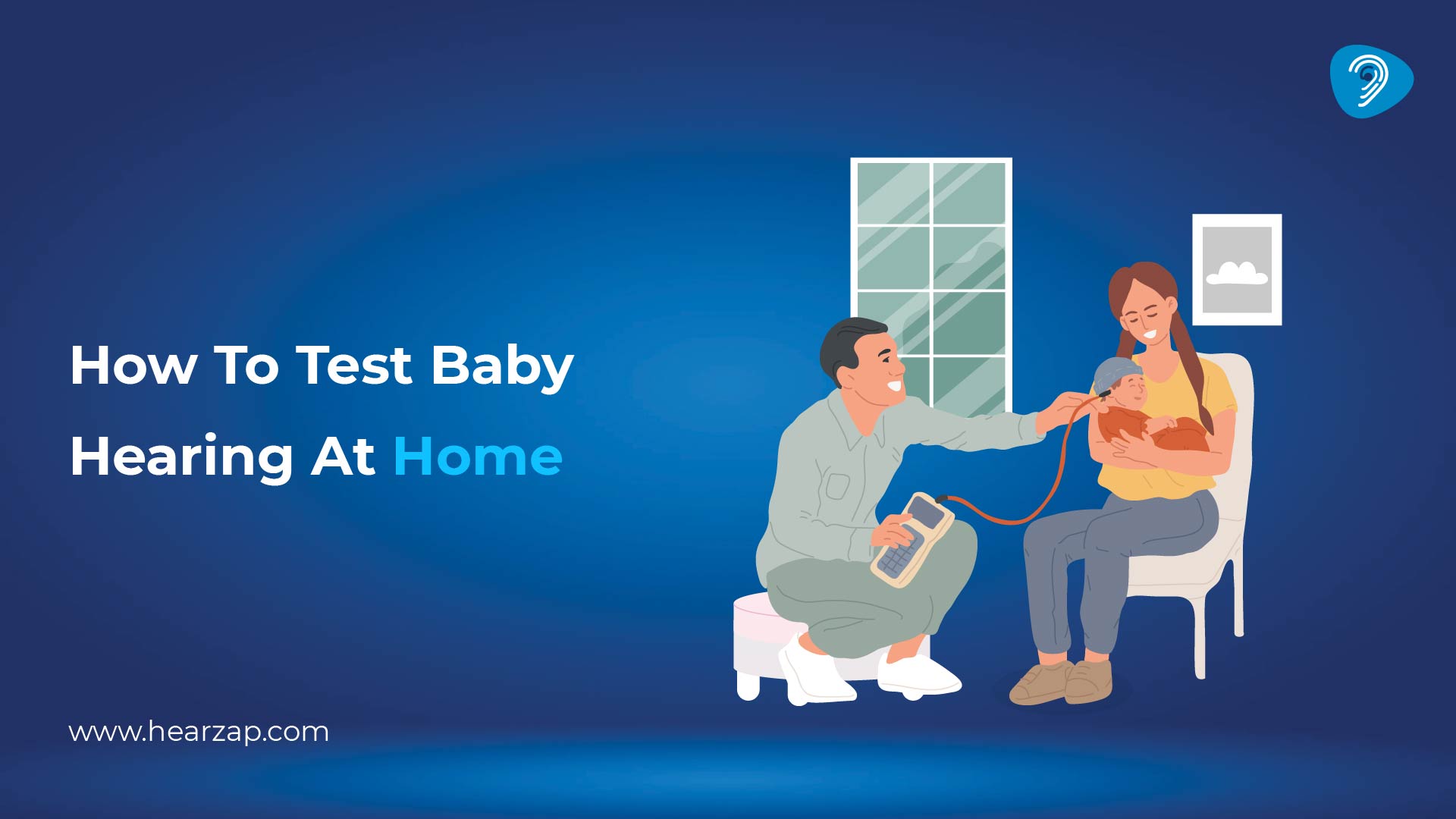
A baby learns through touch, sight, comfort, and sound in a calm way. A parent’s voice, a rattle, or a lullaby can become an early listening moment. That is why parents often ask how to test baby hearing at home before visiting a specialist. Home checks can help you notice patterns, but they cannot confirm hearing. Professional assessment is essential. Hearzap offers hearing assessment services for infants and children.
Why Is Early Hearing Testing Important for Babies?
Hearing supports speech, language, bonding, learning, and social response. A baby who hears well connects voices with faces, turns towards familiar sounds, and copies speech patterns. When concerns are found early, parents can begin support before language delay becomes harder to manage. Global screening guidance stresses early testing because newborn hearing screening can identify permanent hearing problems soon after birth.
Babies learn through repeated listening during feeding, bathing, and play. When sound access is limited, everyday learning moments may be missed. Early testing helps families understand the child’s needs instead of waiting for speech delays.
How to Test Baby Hearing at Home
Observe Your Baby's Response to Sounds
Home observation should be gentle, safe, and never frightening. Choose a calm time when your baby is comfortable. Stand where your baby cannot see you and make a soft sound, such as calling their name, shaking a rattle, clapping lightly, or playing a tune. Watch for blinking, quietening, widening eyes, smiling, turning, or pausing movement.
Use everyday sounds, not loud shocks. A baby may respond to a mother’s voice but ignore background noise. Another baby may react more when rested. Make short notes for a few days. You can also use Hearzap’s hearing test information to know when observation should move to formal testing.
Monitor Age-Appropriate Hearing Milestones
Milestones help parents see whether listening is developing as expected. They are not pass-or-fail rules, but they offer useful clues.
- Newborns may startle at sudden loud sounds.
- By 2 to 3 months, many babies feel calm when they hear a familiar voice.
- By 4 to 6 months, babies may turn towards sound and enjoy rattles.
- By 7 to 12 months, babies may respond to their name and simple words.
A hearing test for newborn babies is still needed when there is doubt. Some babies with mild difficulty may appear to respond at home.
Professional Hearing Tests for Babies
Newborn Hearing Screening
Newborn hearing screening is usually done soon after birth. It is quick, safe, and does not hurt the baby. The aim is to identify babies who need further checks. Health bodies recommend screening within the first month and a complete assessment before three months if a baby does not pass the first screen.
Keep screening reports safe, especially after prematurity, jaundice, neonatal care, or family history of childhood hearing problems. A screening result is not a full diagnosis; it only shows whether more testing is needed.
OAE and ABR Hearing Tests
Two common baby hearing tests are OAE and ABR. OAE checks tiny sound responses from the inner ear. ABR measures how the hearing nerve and brainstem respond to sound. Small sensors are placed on the baby’s head while the baby rests.
These tests help because babies cannot press buttons or explain what they hear. Audiologists may recommend one test or both, depending on age, birth history, symptoms, and earlier results. Later, if a child needs amplification, parents may buy hearing aids online, but infant hearing devices should always be selected after professional guidance.
Signs Your Baby May Have Hearing Loss
Parents should not panic over one missed response. Babies get sleepy, distracted, hungry, or overstimulated. Still, repeated patterns need attention. Warning signs include not startle at loud sounds, not calm to a familiar voice, not turning towards sound by six months, or not responding to their name by nine to twelve months.
Other clues may include delayed babbling, very loud crying, limited reaction to music, watching faces closely, or responding only when sounds are near. Read more about Signs of Hearing Loss and Hearing Loss in Children if these patterns repeat.
Family history, repeated ear infections, premature birth, meningitis, high fever, or certain medicines can increase the risk. Even then, only a trained professional can confirm hearing loss and explain the next steps.
When Should You Consult an Audiologist?
Consult an audiologist when your baby misses newborn screening, does not pass screening, shows repeated warning signs, or has risk factors. Do not wait until speech is clearly delayed. Earlier diagnosis makes it easier to plan support, speech guidance, care, or monitoring.
Parents in India can speak to their paediatrician and then choose to consult an audiologist for child-focused testing. Hearzap can help families book an appointment for infant and child hearing assessment. Early diagnosis gives parents a practical path.
FAQs
How can I test my baby's hearing at home?
Use soft everyday sounds when your baby is calm. Call their name, shake a rattle, or play a tune. Watch for blinking, pausing, smiling, turning, or calming.
What are the common hearing tests for babies?
Common tests include newborn screening, OAE, and ABR. OAE checks inner ear responses. ABR checks how the hearing nerve and brain respond to sound.
What are the signs of hearing loss in babies?
Warning signs include no startle response, no reaction to familiar voices, not turning towards sound, delayed babbling, and no response to name.
At what age should babies have a hearing test?
Babies should ideally be screened within the first month. If they do not pass, a full assessment should happen within three months.
Can hearing loss in babies be treated?
Support depends on the cause and level of difficulty. Some children need medical care, monitoring, hearing aids, implants, or speech-language support.
When should I consult an audiologist for my baby?
Speak to an audiologist if your baby misses screening, does not pass screening, has risk factors, or repeatedly ignores sounds and voices.
Related Blogs
Dichotic listening test
Understanding the 7 Types of Hearing Tests
Why Otoscopy is Important for Ear Health and Hearing
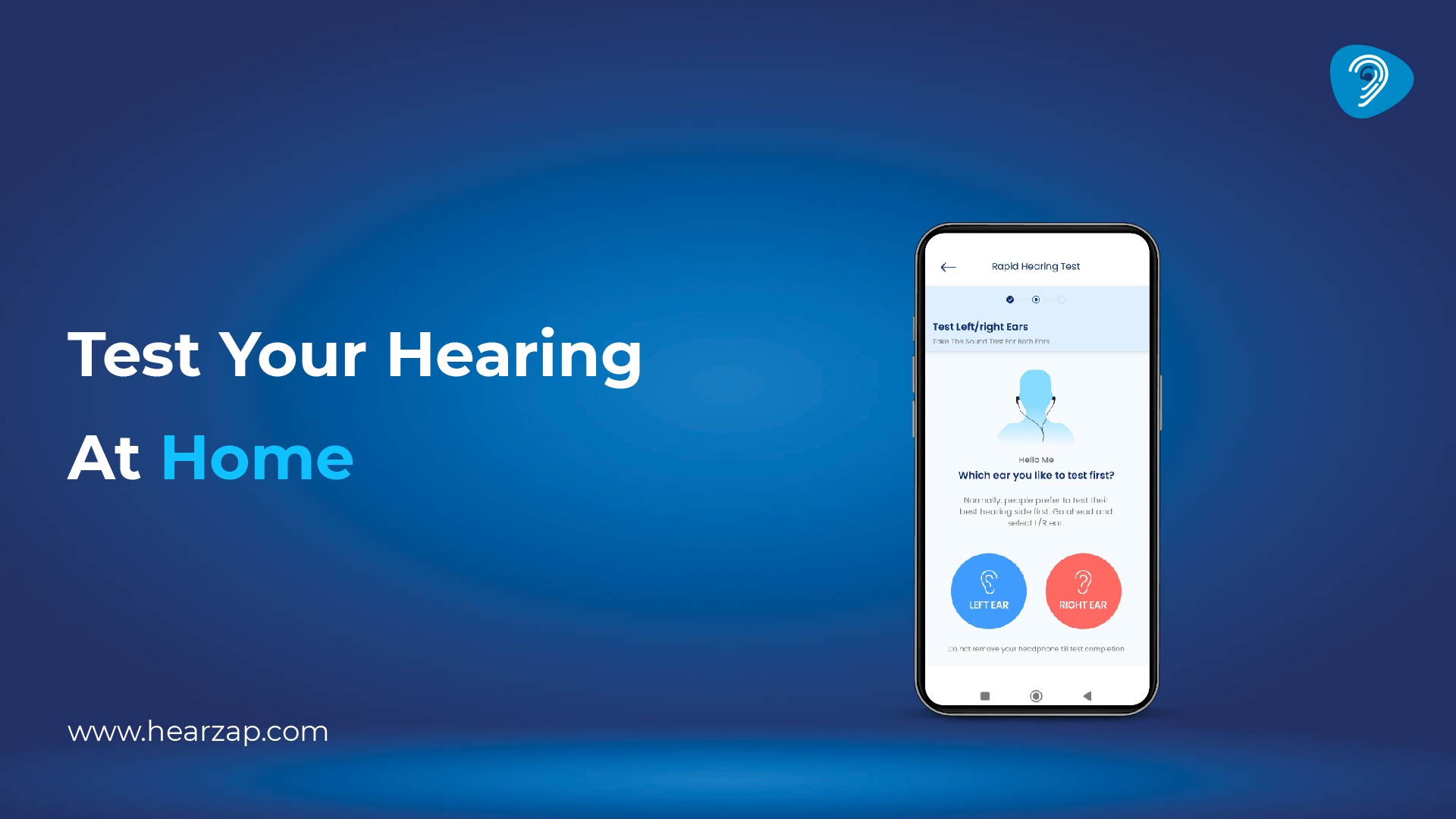
Hearing Test at Home: Easy, Accurate & Hassle-Free with Hearzap
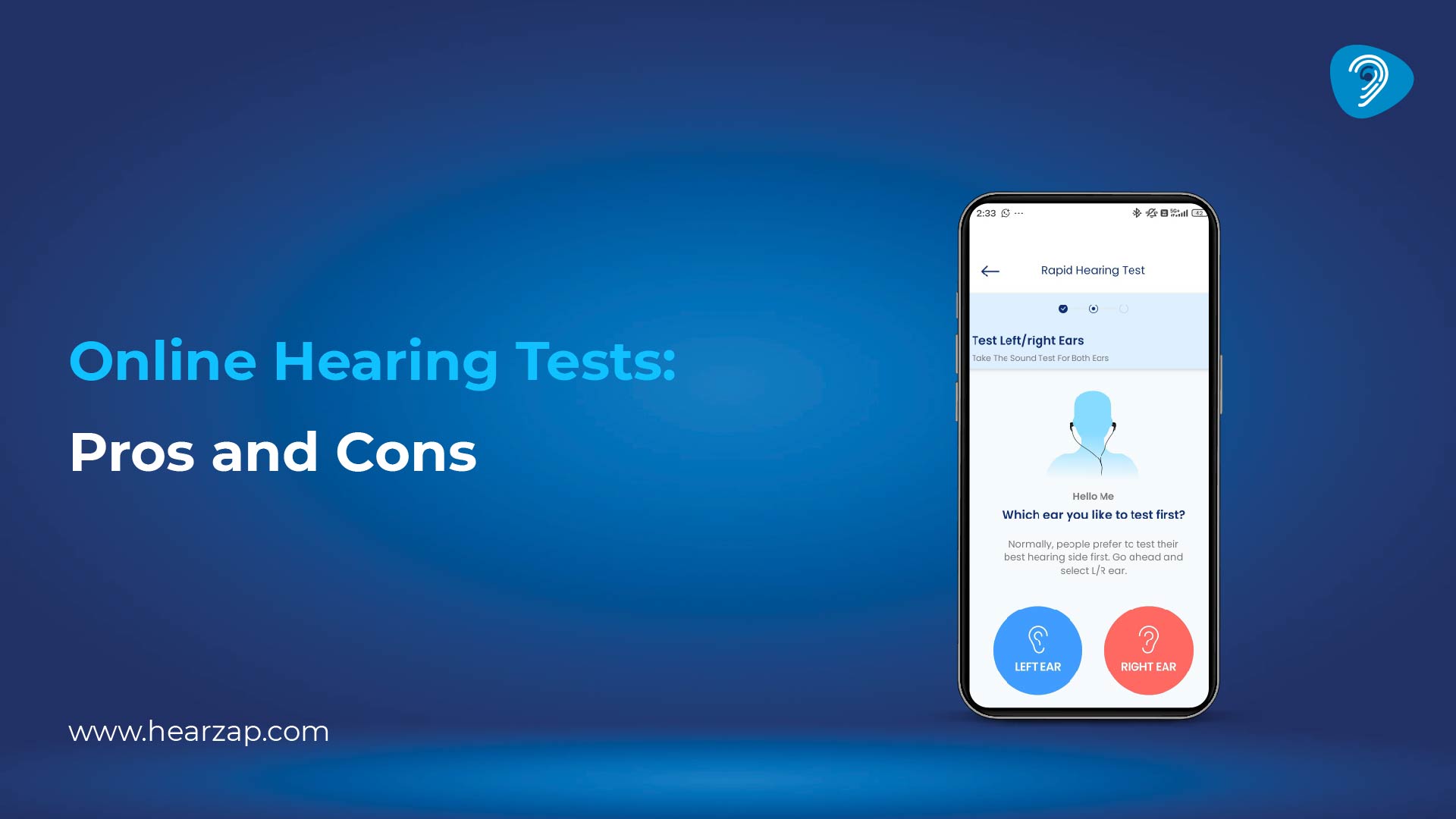
Online Hearing Tests: Pros and cons of Taking Hearing Tests Online
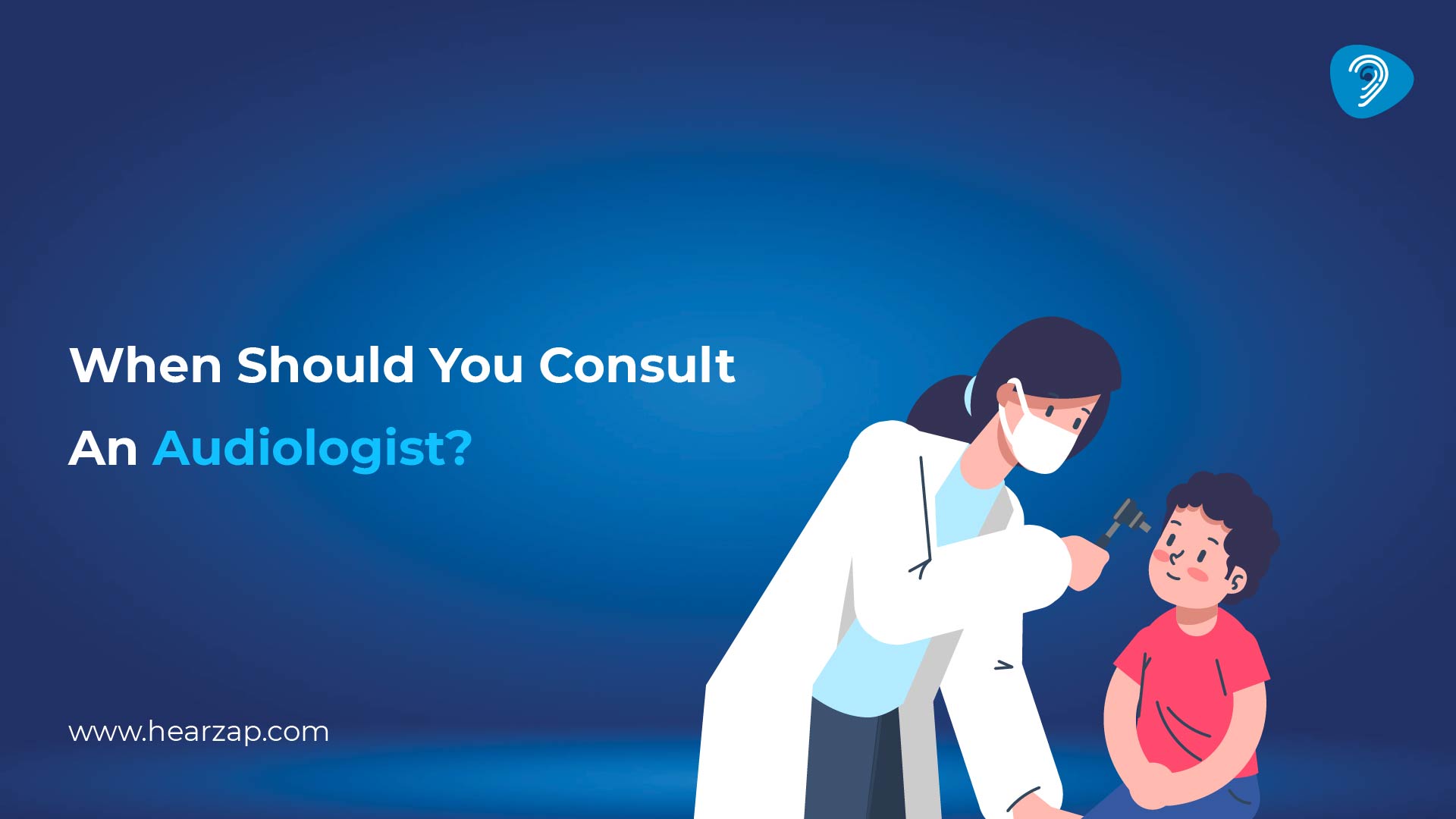
When Should You Consult An Audiologist?
Contact us
We are here for all your hearing needs, from hearing tests to hearing aids. Fill out the form below, and we will give you a call soon.
Recent Blogs
By None | Oct. 8, 2026
By None | Oct. 7, 2026
By None | Oct. 6, 2026
By None | Oct. 5, 2026
By None | Oct. 3, 2026