Generic
What is the Valsalva Maneuver? Benefits of Ear Pressure Relief
By Team Hearzap | May 8, 2026
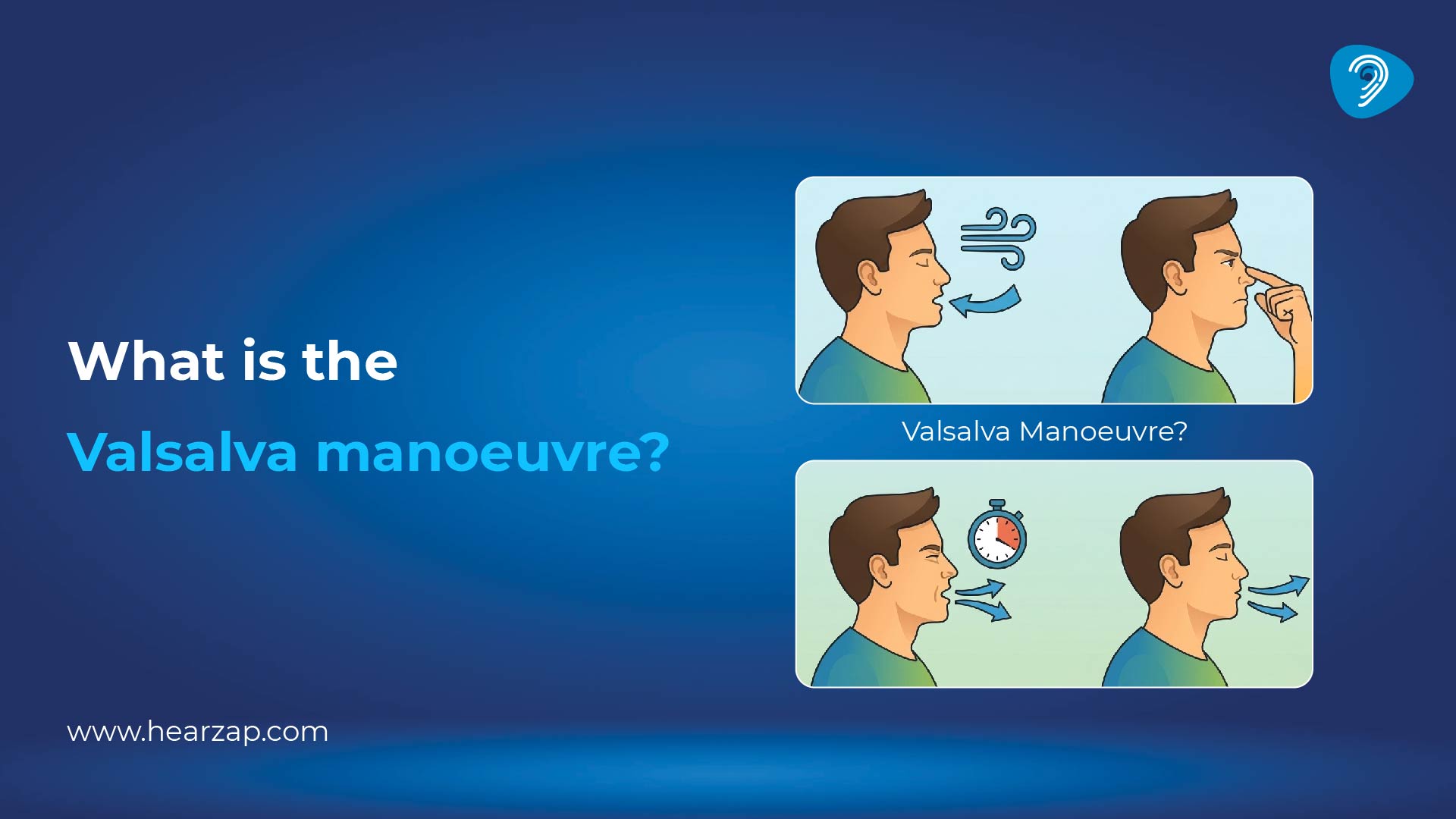
A sudden blocked ear can feel quite uncomfortable for many people, especially during a flight, a hill station trip, a long drive through ghats, or after a bad cold. Sounds may feel dull, the ear may feel full, and you may keep trying to “pop” it.
The Valsalva maneuver is a simple breathing method where you close your mouth, pinch your nose, and gently blow air. People use it to ease ear pressure when the Eustachian tube is blocked. This tube connects the middle ear to the back of the nose and helps balance pressure.
It may be useful during air travel, altitude changes, diving, colds, and sinus congestion. Still, it must be done gently. Forceful blowing can make ear pain worse. The method is useful only when pressure is the reason for discomfort. If there is infection, fluid, wax, or injury, the blocked feeling may need a different approach.
Valsalva Maneuver Technique
The Valsalva maneuver technique is easy, but it should never feel rough. You take a breath, close your mouth, pinch your nose, and blow gently as if trying to breathe out through the blocked nose.
This pressure can help open the blocked Eustachian tubes. When the tube opens, air moves into the middle ear, and the blocked feeling may reduce. Some people hear a small pop. Others feel slow relief.
Doctors may also use this breathing action in some medical situations, but for most people, it is known as an ear pressure relief method. At home, the goal is very simple: create mild pressure, let the tube open, and stop as soon as the ear feels better.
If your ear feels blocked due to wax, infection, or fluid, this method may not work. Read more on how to unclog your ears if the blockage keeps coming back.
How Does the Valsalva Maneuver Work for Ear Pressure?
Your middle ear needs air pressure to stay balanced with the outside air. During takeoff, landing, mountain travel, or diving, outside pressure changes quickly. The Eustachian tube should open and balance this pressure.
When the tube does not open well, the eardrum can feel stretched. This creates fullness, pain, muffled hearing, or a clogged sensation.
A gentle Valsalva breathing technique increases pressure at the back of the nose. This may push the Eustachian tube open for a moment. Once air passes through, pressure becomes more even.
That is why many people use the Valsalva maneuver ear pressure method during flights. It can be useful, but it is not a cure for every blocked ear. If you have an infection, severe pain, or a suspected eardrum tear, avoid it and get checked. Do not compare your case with someone else on a flight or at home, because the same blocked feeling can come from many causes.
How to Do the Valsalva Maneuver Safely
Below are the steps to do the Valsalva maneuver safely:
Step 1: Pinch Your Nose
Sit or stand comfortably. Take a normal breath. Pinch both nostrils closed with your fingers.
Do not squeeze the nose too hard. You only need to stop air from coming out.
Step 2: Close Your Mouth
Keep your mouth closed. Relax your jaw and face. Do not clench your teeth.
If you feel anxious, pause and breathe normally for a few seconds before trying again.
Step 3: Gently Blow Air
Now blow softly, as if you are trying to breathe out through your nose. Since the nose and mouth are closed, air pressure will build near the Eustachian tube.
Keep it mild. The aim is not to force air, but to nudge the tube open.
Step 4: Stop When You Feel a Slight “Pop”
Stop as soon as you feel a small pop or mild pressure release. Do not continue blowing after that.
If there is pain, dizziness, ringing, or no relief, stop. Try swallowing, yawning, or sipping water instead. You may also read how to relieve ear pressure for safer options.
When Should You Use the Valsalva Maneuver?
You may use it when there is mild ear pressure during air travel, especially during landing. It may also help during mountain travel, when climbing to higher areas, or while coming down from a height.
Divers sometimes use pressure-balancing methods, but diving needs proper training. Never dive with a cold, severe congestion, or ear pain.
You can try it during a mild cold or sinus congestion if the ear feels blocked, but there is no pain or fever. If the blockage is due to a blocked ear tube, gentle pressure balancing may give short relief.
It may also be used when the ear feels mildly clogged after a change in altitude. For many people, swallowing, chewing gum, or yawning works first. Use this method only if those simple actions do not help.
During flights, try gentle swallowing or chewing before landing begins. Waiting till the ear hurts badly can make pressure relief more difficult.
When Should You Avoid it?
Do not use this technique if you have an ear infection, severe ear pain, pus or fluid from the ear, fever, or sudden hearing trouble. Infections can make the ear sensitive, and pressure may worsen discomfort. Learn more about ear infection causes if you often get ear pain after a cold.
Avoid it after recent ear surgery unless your doctor has clearly allowed it. Also, avoid it if you suspect a ruptured eardrum. Warning signs may include sharp pain, blood or fluid from the ear, sudden hearing change, or dizziness.
Stop immediately if symptoms worsen. A Valsalva exercise is not meant to be painful. If you blow too hard, pressure may irritate the middle ear or eardrum.
People with heart problems or blood pressure concerns should ask a doctor before using it often, as the manoeuvre can briefly affect pressure inside the chest.
What are the Advantages of the Valsalva Maneuver?
The main advantage is quick ear pressure relief in common situations like flights and altitude changes. It is simple, needs no device, and can be done almost anywhere.
It may reduce the blocked ear feeling when pressure is the main issue. It can also make hearing feel clearer if the Eustachian tube opens properly. Some people feel more comfortable during landing when they use it gently at the right time.
Another benefit is awareness. When you understand how ear pressure works, you are less likely to push cotton buds, oil, or random drops into the ear.
That alone protects the ear from avoidable harm. It also teaches you to respond early during travel, instead of waiting until the ear becomes painful. A gentle attempt at the right time is safer than repeated force after pressure has already built up.
For mild cases, the Valsalva maneuver for a clogged ear may work along with swallowing, yawning, chewing gum, steam, and nasal care. It is not a replacement for medical treatment. If the cause is infection, wax, fluid, or injury, you need the right care.
When to See a Doctor
See a doctor if the clogged ear stays for more than a few days, keeps returning, or affects daily hearing. Do not wait if there is pain, dizziness, fever, ear discharge, ringing, or sudden hearing loss.
A hearing professional can check whether the issue is pressure, wax, infection, middle ear fluid, or another concern. If sounds remain dull after a cold or flight, a hearing test can give clarity.
You can book an appointment with Hearzap for a hearing consultation and ear-related guidance. If long-term hearing support is advised after proper testing, you can also explore options to buy hearing aids online.
FAQs
What is the Valsalva maneuver used for?
It is commonly used to balance ear pressure, especially during flights, altitude change, or a mild blocked ear feeling. Doctors may also use it in some heart-related situations.
Is the Valsalva maneuver safe?
It is generally safe when done gently by healthy adults. It should be avoided during ear infection, severe pain, recent ear surgery, or suspected eardrum injury.
Can Valsalva help clogged ears?
Yes, it can help when the clogged feeling is due to a pressure imbalance. It may not help if the cause is wax, infection, fluid, or injury.
Can I do the Valsalva maneuver daily?
Occasional gentle use is usually fine. Doing it many times a day is not a good habit. If your ears feel blocked daily, get them checked.
What happens if I blow too hard?
Blowing too hard can increase pain, irritate the eardrum, cause dizziness, or worsen symptoms. Always use gentle pressure and stop if it hurts.
Can children do the Valsalva Maneuver?
Older children may do it gently if they understand the steps. Young children should not be forced to try it. For kids, swallowing, sipping water, or yawning may be safer.
Related Blogs
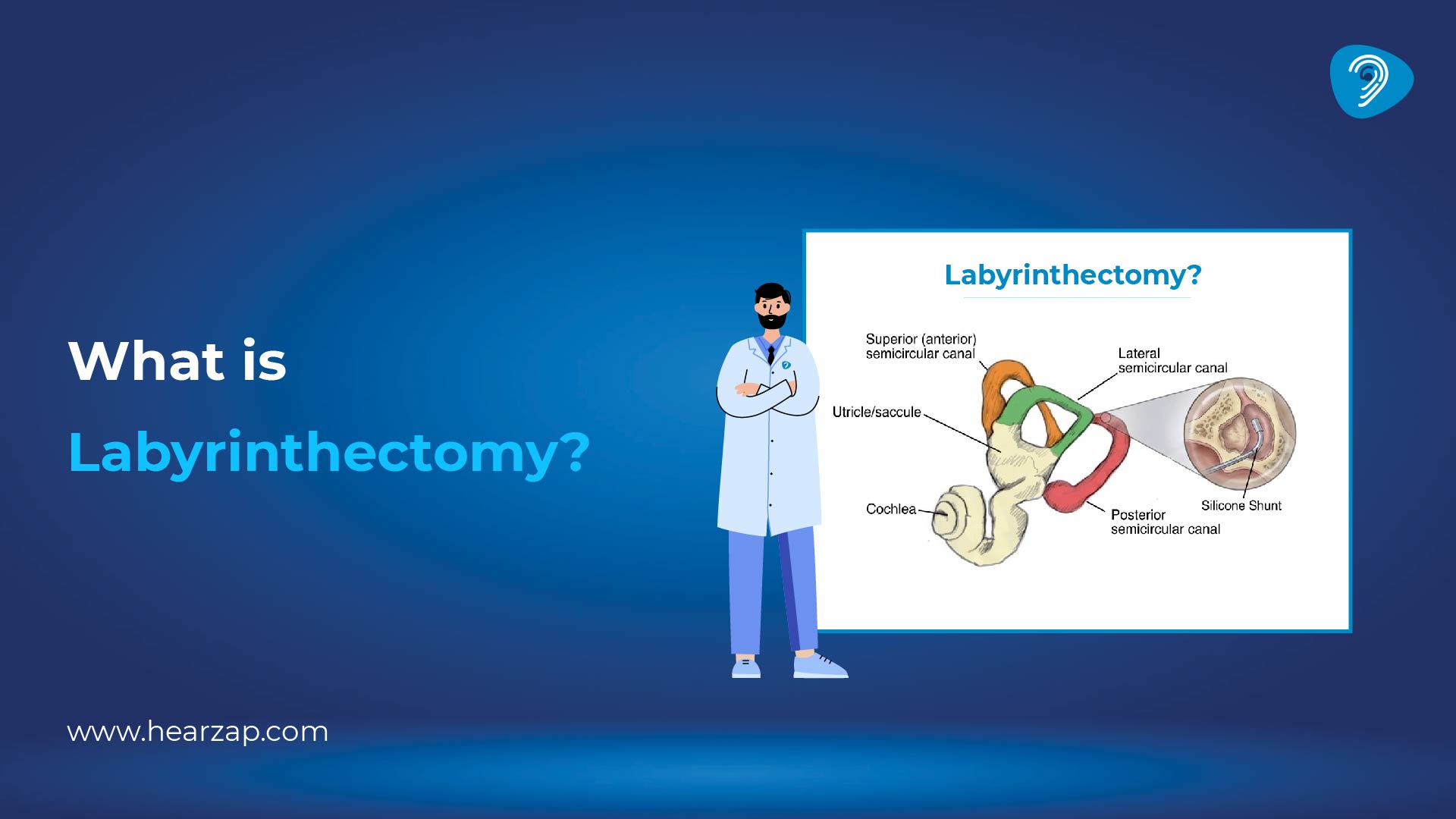
What Is Labyrinthectomy? When Is This Ear Surgery Recommended?
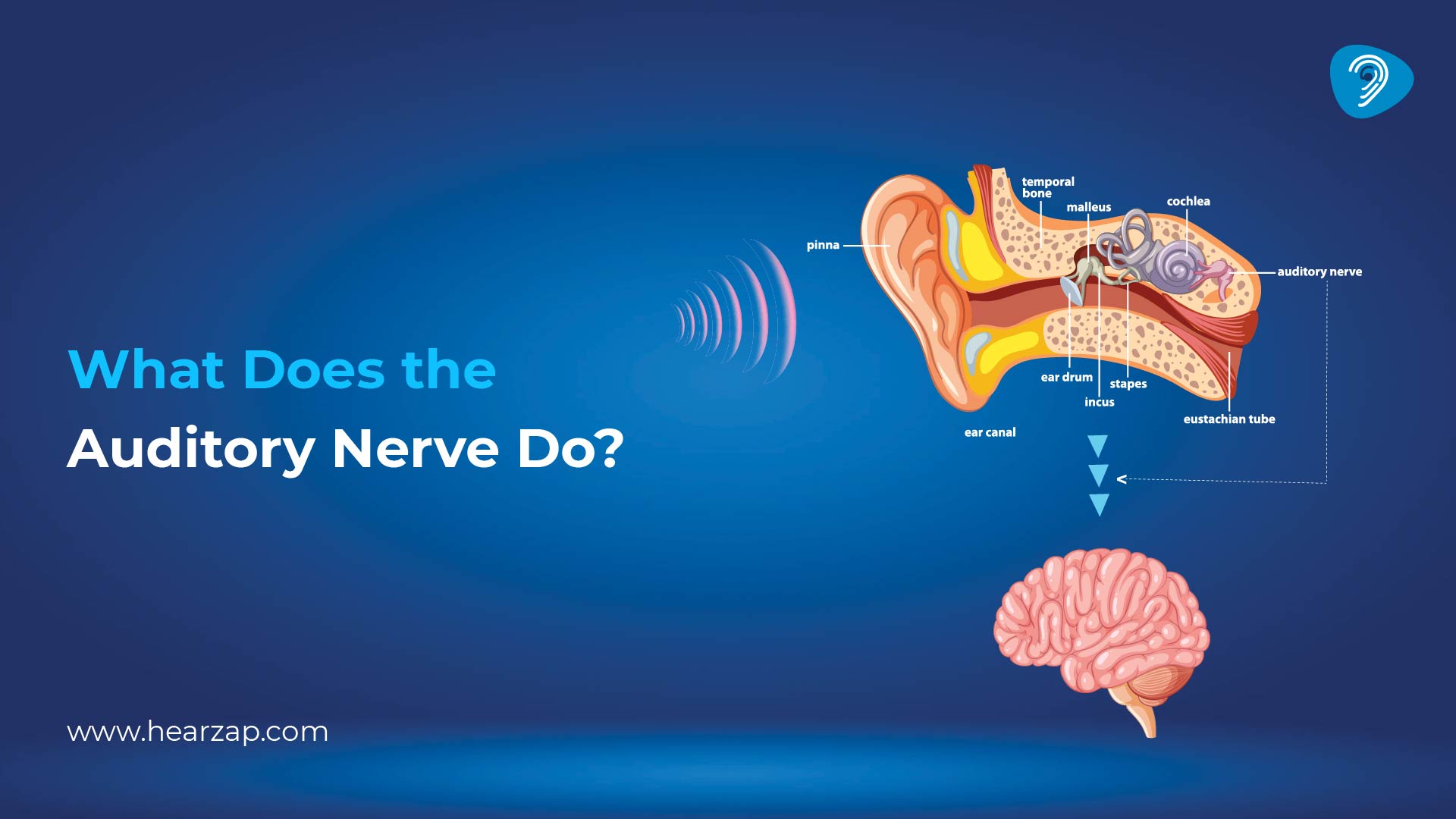
What Does the Auditory Nerve Do? A Simple Guide to Hearing Signals
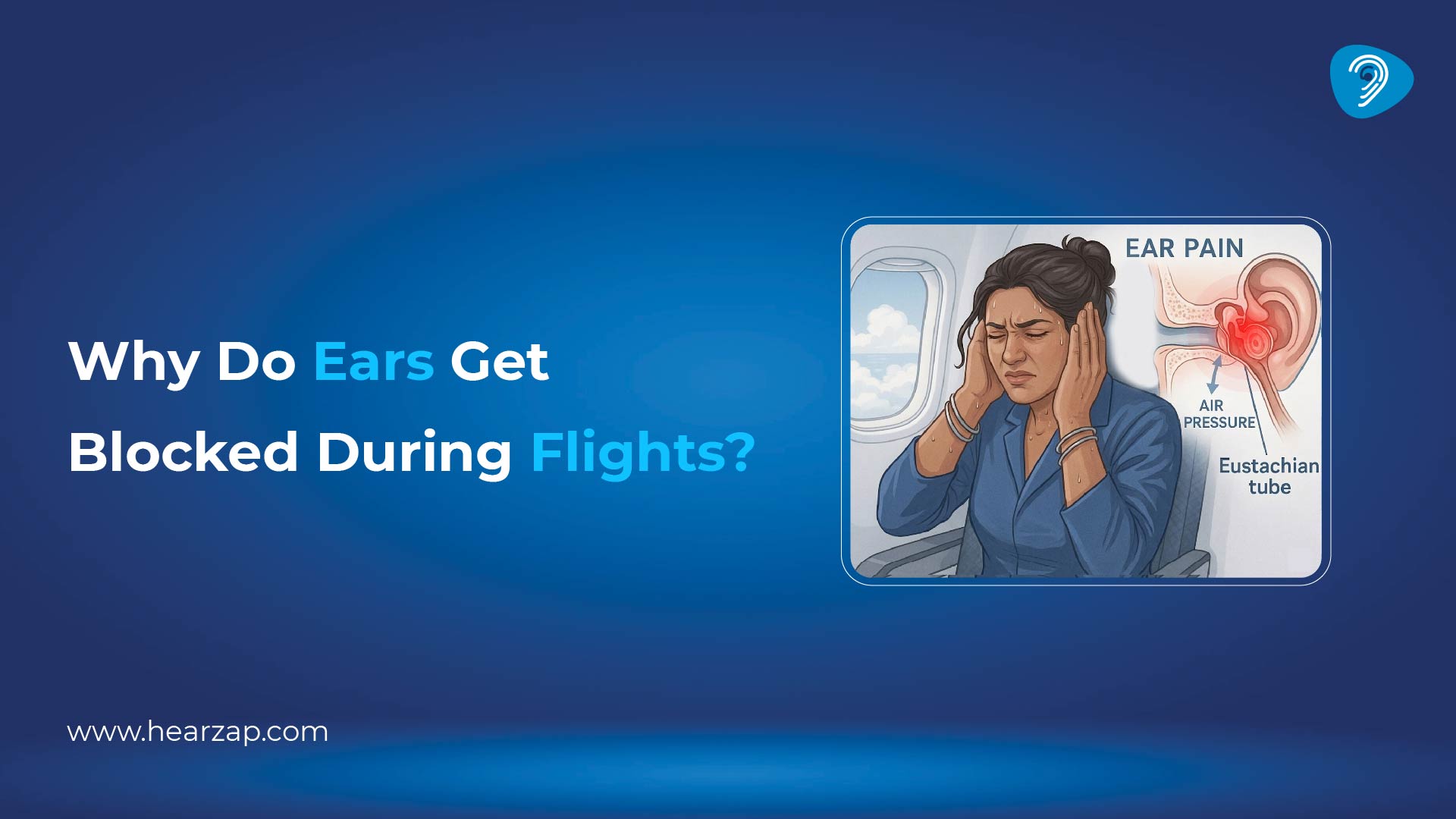
What is Airplane Ear? Causes, Symptoms & Relief

Is it Vertigo or Labyrinthine Disorder? How to Tell the Difference
Exostosis Ear: Causes, Symptoms, and Everything You Need to Know
Contact us
We are here for all your hearing needs, from hearing tests to hearing aids. Fill out the form below, and we will give you a call soon.
Recent Blogs
By None | Oct. 3, 2026
By None | Oct. 1, 2026
By None | Sept. 30, 2026
By None | Sept. 29, 2026
By None | Sept. 28, 2026